
Are you ready to get the most out of your workouts but feel unsure about how to use gym equipment properly? You’re not alone.
Using machines the right way can boost your results, keep you safe, and make every visit to the gym more effective. This guide will walk you through simple, clear steps to master gym equipment with confidence. By the end, you’ll know exactly how to use each machine to target your goals and avoid common mistakes.
Let’s get you moving smarter, stronger, and safer starting now.
Choosing The Right Equipment
Choosing the right gym equipment is key to effective workouts. The right tools help you reach your fitness goals faster and keep you motivated. Using equipment that fits your needs and skill level prevents injuries and builds confidence.
Matching Equipment To Fitness Goals
Different machines target different muscle groups and fitness aims. For strength, choose weights like dumbbells or barbells. For cardio, treadmills and stationary bikes work well. Machines for flexibility include stretching stations and yoga mats.
Identify your goals first. Are you building muscle, losing weight, or improving endurance? Pick equipment that supports your main focus. This keeps your workouts efficient and enjoyable.
Assessing Skill Level
Beginners should start with simple, easy-to-use machines. These include resistance bands or basic weight machines. Avoid complicated equipment that requires advanced knowledge.
Experienced users can try free weights or multi-functional machines. These offer more variety and challenge. Always choose equipment that matches your current fitness skill to stay safe.
Consulting Gym Staff
Gym staff know each machine well. They can suggest equipment based on your goals and experience. Ask them for a quick demo or tips on proper use.
Staff can also help adjust machines to your body size. Proper setup improves comfort and reduces injury risk. Don’t hesitate to ask for guidance anytime.

Credit: www.youtube.com
Preparing For Your Workout
Understanding gym equipment before your workout helps prevent injury and improves results. Read instructions carefully and ask staff for help if unsure how to use a machine safely. Practicing proper form and adjusting settings to your body size ensures a more effective workout.
Preparing for your workout is essential for a safe and effective gym session. It sets the tone for your entire exercise routine. Proper preparation helps prevent injuries and boosts performance. Follow these tips to ensure you’re ready to hit the gym with confidence.Proper Warm-up Techniques
Warming up is crucial before using any gym equipment. Start with light aerobic exercises. Jog in place or use a treadmill for 5 to 10 minutes. This gets your heart rate up and muscles warm. Follow with dynamic stretches. Arm circles, leg swings, and torso twists are great choices. Warm muscles reduce the risk of injury.Wearing Appropriate Gear
Choose the right gear for comfort and safety. Wear breathable clothing. It keeps you cool and allows movement. Opt for moisture-wicking fabrics. They help manage sweat. Proper footwear is vital. Wear supportive sneakers to protect your feet and ankles. Avoid loose clothing that might catch on equipment.Hydration And Nutrition Tips
Stay hydrated to maintain energy levels. Drink water before, during, and after exercise. Carry a water bottle with you. Aim for small, regular sips. Nutrition is equally important. Eat a light meal or snack an hour before. Choose foods rich in carbohydrates and protein. Bananas, yogurt, or a small sandwich work well. Avoid heavy meals that can cause discomfort. Fueling your body properly enhances workout performance.Basic Equipment Operation
Understanding the basics of how to operate gym equipment is essential for a safe and effective workout. Each machine and tool has specific settings and movements designed to target different muscle groups. Getting comfortable with these basics will help you avoid injury and make your sessions more productive.
Adjusting Settings And Positions
Before you start, always adjust the equipment to fit your body. This includes seat height, backrests, and handles. A proper fit ensures you use the right muscles and prevents strain.
Take a moment to test the range of motion. Can you move comfortably without overextending? If not, tweak the settings again. Remember, the right position supports your posture and helps you maintain control.
Starting With Low Resistance
Begin with the lightest resistance or weight available. This helps your muscles warm up and lets you focus on form. Trying to lift too heavy too soon can lead to poor technique and injury.
Notice how your body reacts during these initial reps. Are you able to move smoothly? If you feel any sharp pain, stop and reassess your setup. Starting low builds confidence and prepares your muscles for heavier loads.
Safe Handling And Movement
Always move slowly and with control. Jerky or fast movements increase injury risk and reduce workout effectiveness. Focus on smooth, deliberate motions.
Keep your core engaged and breathe steadily throughout each exercise. Good breathing supports muscle function and helps you stay focused. If you ever feel dizzy or off-balance, pause and rest before continuing.
Common Gym Machines Explained
Understanding how to use common gym machines can boost your confidence and improve your workout results. Each machine targets different muscle groups and offers unique benefits. Knowing the basics helps you avoid injury and maximize your time in the gym.
Treadmills And Ellipticals
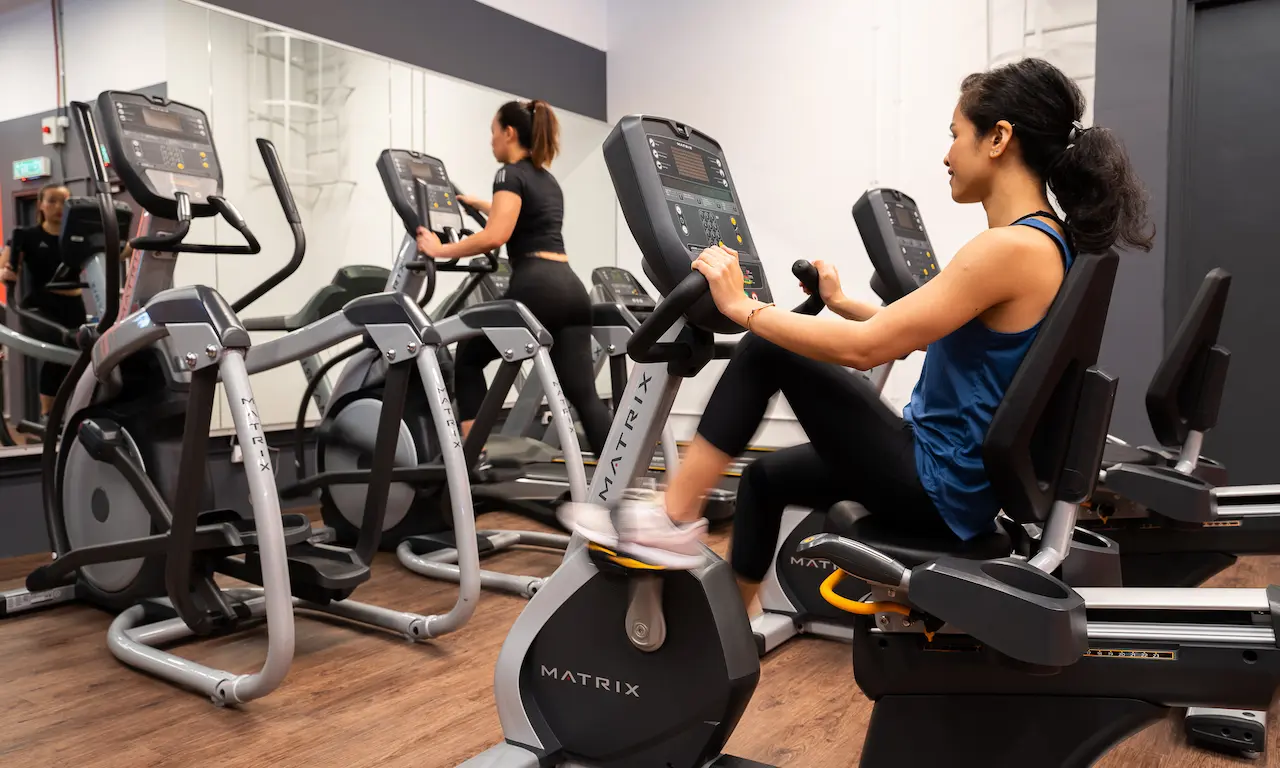
Treadmills and ellipticals are excellent for cardio workouts. Treadmills allow you to walk, jog, or run with adjustable speed and incline. Start slow to find a comfortable pace, then gradually increase intensity.
Ellipticals provide a low-impact option that’s easier on your joints. They mimic running motions while engaging your arms and legs simultaneously. Pay attention to your posture—stand tall and avoid leaning on the handles too much.
Weight Machines
Weight machines guide your movements, making them great for beginners. Each machine targets specific muscles, such as leg presses for quads or lat pulldowns for back muscles. Adjust the seat and weight to fit your size and strength.
Use smooth, controlled motions rather than jerking the weights. This keeps the focus on the muscles and reduces injury risk. Have you noticed how small adjustments in seat height can change the exercise feel dramatically?
Free Weights And Benches
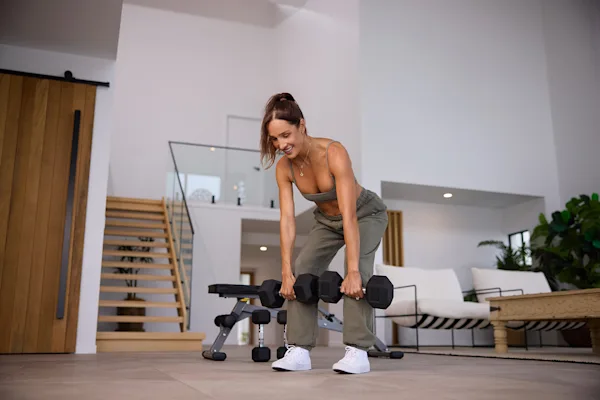
Free weights like dumbbells and barbells offer flexibility and engage stabilizing muscles. Start with lighter weights to master form before adding more. Benches allow you to perform exercises like bench presses or step-ups safely.
Unlike machines, free weights require balance and coordination. Don’t rush your reps—focus on controlled movements and breathing. Have you ever felt how much harder your core works during free weight exercises compared to machines?
Maintaining Proper Form
Maintaining proper form while using gym equipment is essential not just for maximizing your workout results but also for preventing injuries. When you focus on how your body moves and aligns, you gain better control and confidence in each exercise. Paying attention to small details can transform your routine and keep you progressing safely.
Body Alignment Tips
Keep your spine neutral to protect your back. Imagine a straight line from your head to your hips. Avoid slouching or overarching, as both can strain muscles and joints.
Engage your core before starting any movement. This stabilizes your body and supports your lower back. Check your shoulders too—keep them relaxed and away from your ears.
- Feet should be firmly planted, usually shoulder-width apart.
- Knees aligned with your toes to avoid twisting your joints.
- Maintain even weight distribution to stay balanced.
Breathing Techniques
Proper breathing helps you perform better and stay focused. Breathe out during the exertion phase (like pushing or lifting) and breathe in when returning to the starting position.
Holding your breath can increase blood pressure and cause dizziness. Instead, practice steady, controlled breaths that support your movement rhythm.
Try syncing your breath with your reps—this small change can boost endurance and reduce fatigue.
Avoiding Common Mistakes
Don’t rush through exercises. Speed often sacrifices form and increases injury risk. Slow, controlled movements build strength more effectively.
Watch out for overextending joints or locking your elbows and knees. This puts unnecessary stress on your ligaments.
Many people lean too far forward or backward during lifts—ask yourself if your weight feels balanced or if you’re tipping. If unsure, record yourself or ask a trainer for feedback.
Remember, mastering form takes practice. Are you willing to slow down and focus on quality over quantity today?
Credit: www.gofit-gym.com
Safety Precautions
Safety is the foundation of every effective workout session. Before you dive into using any gym equipment, it’s crucial to prioritize precautions that protect your body and enhance your performance. Taking simple safety steps can prevent injuries and build your confidence as you progress.
Spotting And Assistance
Having a spotter can make a big difference when lifting heavy weights. A spotter not only helps you lift more safely but also boosts your confidence to push your limits without fear.
If you’re trying a new exercise or using free weights, ask a gym buddy or trainer to assist you. They can intervene quickly if you struggle, keeping you safe and motivated.
Using Safety Features
Most gym machines come with built-in safety features like emergency stop buttons and adjustable locks. Always check these features before starting your workout.
For example, when using a treadmill, familiarize yourself with the emergency stop clip. It can save you from falls if you lose balance or speed unexpectedly.
Adjust machine settings to fit your body size and strength. Using equipment that matches your physique reduces strain and lowers injury risk.
Listening To Your Body
Your body gives you constant feedback—pay attention. Sharp pain, dizziness, or unusual discomfort are signals to stop and reassess your workout.
I’ve seen many gym-goers push through pain, only to regret it later. Trust your instincts and rest when needed; progress happens with consistency, not pain.
Ask yourself during exercise: Is this challenging or harmful? If it feels wrong, pause and modify your approach.
Progressing Your Workouts
Progressing your workouts is key to building strength, endurance, and overall fitness. Without gradual progression, your body adapts and plateaus, making further improvements difficult. To keep advancing, you need to challenge yourself thoughtfully and consistently.
Increasing Intensity Gradually
Adding weight or resistance too quickly can lead to injury or burnout. Instead, increase intensity in small steps—like adding 5% more weight or a few extra reps each week.
Think about the last time you pushed yourself just a bit harder and felt proud. That steady climb is what drives real progress. Have you noticed how even a slight increase can make your muscles feel more challenged?
Tracking Performance
Keeping a workout journal or using an app helps you see your progress over time. Write down weights, reps, sets, and how you feel after each session.
This habit lets you identify patterns—when you’re improving and when you need to rest or change your routine. What if you could spot your strongest days and tailor your workouts accordingly?
Incorporating Variety
Changing exercises or equipment keeps your workouts interesting and targets muscles differently. Swap a barbell squat for goblet squats or try a different machine every few weeks.
Variety prevents boredom and reduces the risk of overuse injuries. How often do you switch things up to keep your routine fresh and effective?
Cleaning And Equipment Care
Proper cleaning and care of gym equipment keep machines safe and lasting longer. It helps stop germs from spreading. It also makes workouts pleasant for everyone. Taking a few simple steps can protect the equipment and users alike.
Wiping Down Machines
Always wipe machines after use. Use a clean cloth with disinfectant spray. Focus on handles, seats, and buttons. These parts collect sweat and dirt quickly. Wiping prevents bacteria and germs from growing.
Many gyms provide sanitizing wipes or sprays. Use them freely and dispose of wipes properly. Clean machines look better and feel fresh for the next user.
Reporting Malfunctions
Notice any broken or strange machine behavior? Report it right away. Use the gym’s app, front desk, or a staff member. Avoid using faulty machines to prevent injury.
Clear reports help staff fix problems faster. This keeps the gym safe and equipment in good shape. Your quick action benefits everyone.
Personal Hygiene
Wear clean workout clothes and use a towel. Wipe sweat off your body and equipment. Shower before and after workouts if possible. This reduces bacteria build-up on machines and skin.
Good hygiene protects your health and others’. Carry hand sanitizer to use before and after exercise. Small habits make a big difference in a shared space.
Credit: sweat.com
Frequently Asked Questions
How Do I Safely Start Using Gym Equipment?
Begin by reading the instructions on the machine. Adjust settings like seat height and weight to fit your body. Start with light weights to learn the correct form. Always warm up before exercise to prevent injuries. If unsure, ask a trainer for guidance.
What Are The Common Mistakes When Operating Gym Machines?
Common errors include using too much weight, poor posture, and rushing through exercises. Not adjusting the machine to your size can cause strain. Avoid holding your breath and neglecting warm-ups. Proper technique ensures safety and maximizes workout benefits.
How Often Should I Clean Gym Equipment After Use?
Clean equipment after every use to maintain hygiene. Wipe down handles and seats with disinfectant wipes or sprays. This practice prevents the spread of germs and keeps machines in good condition. Most gyms provide cleaning supplies for user convenience.
Can Beginners Use All Types Of Gym Machines?
Beginners can use most machines but should start with simple ones. Focus on machines that support controlled movements like leg press or chest press. Avoid complex or free-weight equipment initially. Gradually increase difficulty as confidence and strength improve.
Conclusion
Operating gym equipment safely and correctly helps prevent injuries. Always start with lighter weights to learn the movements. Follow instructions and ask staff for help when unsure. Keep your focus and breathe steadily during exercises. Regular practice builds confidence and improves your strength.
Enjoy your workouts and stay consistent for best results. Remember, safety and proper form matter most in the gym.







