
Have you ever felt distracted or unfocused right before your workout? Imagine starting your exercise with a clear mind and steady energy.
Meditating before workouts can help you achieve just that. It’s a simple practice that sharpens your focus, calms your nerves, and boosts your performance. You’ll discover easy steps to meditate before your workouts so you can train smarter, feel better, and reach your fitness goals faster.
Ready to unlock mental clarity and power up your exercise routine? Keep reading.
Benefits Of Meditation Before Exercise
Meditation before exercise clears the mind and prepares the body. It creates a calm space to focus on the workout ahead. This simple habit boosts both mental and physical performance. Understanding these benefits helps you get the most from your sessions.
Enhancing Mental Focus
Meditation trains the brain to stay present. This sharpens concentration during exercise. Clear focus improves technique and safety. Staying mindful helps push through tough moments. A focused mind keeps distractions away.
Reducing Pre-workout Anxiety
Many feel nervous before exercising. Meditation lowers stress by calming the nervous system. It slows the breath and heart rate. This creates a peaceful mindset. Less anxiety means better energy and motivation.
Improving Mind-muscle Connection
Meditation increases body awareness. This helps link thoughts to muscle movements. Better connection improves control and precision. You feel each muscle working correctly. This leads to more effective workouts and fewer injuries.

Credit: www.youtube.com
Choosing The Right Meditation Technique
Choosing a meditation technique that suits your mind helps improve focus before workouts. Simple breathing exercises clear thoughts and boost mental sharpness. Short, quiet moments calm your body and prepare you for exercise.
Choosing the right meditation technique can be the key to unlocking clarity and focus before your workouts. Imagine starting your exercise routine with a clear mind, ready to conquer any challenge. But how do you find the meditation style that suits you best? It’s about understanding your needs and experimenting with different techniques until you find the one that resonates with you.Breath Awareness
Breath awareness is a simple yet powerful meditation technique. Sit in a comfortable position, close your eyes, and focus on your breath. Feel each inhale and exhale, allowing your mind to settle into the present moment. This method helps in calming your mind and reducing anxiety. It’s perfect for those mornings when your thoughts are racing, and you need a mental reset. Just a few minutes of focusing on your breath can help you start your workout with a serene and focused mindset.Guided Visualization
Guided visualization involves using imagery to achieve a desired mental state. Picture yourself successfully completing your workout, feeling strong and energized. This technique can enhance motivation and performance. You might find it helpful to use an app or online resource that offers guided sessions. Listening to a calming voice guiding you through a visualization can be incredibly powerful. It’s like having a mental rehearsal that prepares you for physical activity.Body Scan Meditation
Body scan meditation involves mentally scanning your body from head to toe, acknowledging any tension or discomfort. Lie down or sit comfortably, and slowly bring your attention to each body part. This practice increases body awareness and relaxation. It’s a great technique if you often carry stress in your body without realizing it. By identifying and releasing tension before a workout, you may find your movements more fluid and your performance improved. How often do we ignore the signals our body sends us? Choosing the right meditation technique is about personal preference and the specific benefits you seek. Why not try each one and see which brings the most clarity to your workout routine?Setting Up Your Meditation Space
Creating the right environment for meditation before your workout can make a big difference in how clear and focused you feel. Your meditation space should invite calm and help you center your thoughts quickly. Setting it up thoughtfully will make it easier for you to slip into a peaceful state and prepare your mind for the physical challenge ahead.
Finding A Quiet Spot
Pick a place where noise is minimal. It could be a corner of your room, a balcony, or even a quiet hallway. Avoid spots near busy areas like the kitchen or living room during peak times.
Think about the times you’ve tried to meditate but got interrupted. What if you chose a spot where interruptions are less likely? This simple change can boost your ability to focus.
Using Comfortable Seating
Your seat should support you without causing discomfort. Whether it’s a cushion on the floor, a chair, or a yoga mat, make sure you can sit with a straight back without strain.
I used to struggle sitting cross-legged until I added a firm cushion. That small adjustment helped me stay longer in meditation and improved my clarity before workouts.
Minimizing Distractions
- Turn off your phone or put it on silent mode.
- Close windows or doors to block outside noise.
- Dim the lights or use natural light that’s easy on your eyes.
Notice how your mind reacts when a notification pops up or when there’s a loud noise. Can you keep your focus steady? Reducing distractions helps you train your mind to stay clear and sharp.
Timing And Duration Tips
Timing and duration play a key role in meditation before workouts. The right length helps clear the mind without taking too much time. Also, choosing the best moment before exercise improves focus and energy. Regular practice builds stronger mental clarity over time.
Ideal Meditation Length
Meditation sessions between 5 and 10 minutes work well before workouts. Short sessions prevent feeling rushed or distracted. This period is enough to calm the mind and prepare for physical activity. Beginners should start with 3 to 5 minutes and increase gradually.
Best Time Before Workouts
Meditate about 10 to 15 minutes before starting your exercise. This timing lets your mind settle and reduces stress. Avoid meditating immediately before intense activity to keep alertness high. A quiet spot before warm-up creates a smooth transition into workout mode.
Consistency For Better Results
Daily meditation builds strong habits and improves mental clarity. Consistent practice trains your brain to relax faster before exercise. Even on busy days, a brief session helps maintain focus. Set a regular time to meditate before workouts for lasting benefits.
Step-by-step Pre-workout Meditation
Pre-workout meditation helps clear your mind and prepares your body for exercise. It creates focus and calm before physical activity. Follow these simple steps to meditate effectively before your workout.
Preparing Your Mind And Body
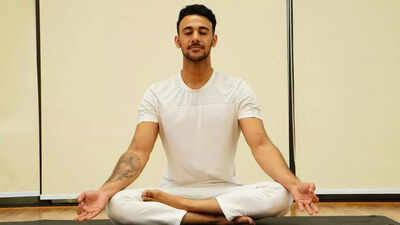
Find a quiet place to sit or stand comfortably. Keep your back straight to allow easy breathing. Close your eyes gently to reduce distractions. Take a moment to relax your muscles. Let go of any tension in your shoulders and neck.
Focusing On Breathing
Start by taking slow, deep breaths. Breathe in through your nose and out through your mouth. Feel the air fill your lungs and then leave your body. Keep your attention on the rhythm of your breath. If your mind wanders, gently bring it back to breathing.
Visualizing Workout Success
Picture yourself completing your workout with strength and ease. Imagine moving smoothly through each exercise. See yourself reaching your goals with confidence. Use this positive image to build motivation. Hold this vision for a few moments before you start.

Credit: www.youtube.com
Combining Meditation With Warm-ups
Meditation before workouts helps clear the mind and focus energy. Combining meditation with warm-ups creates a smooth start to exercise. This blend prepares both body and mind for better performance.
Start by calming your thoughts and slowing your breath. Then, gently move into warm-up exercises. This approach sets a positive tone for the entire workout.
Transitioning Smoothly
Begin meditation in a quiet space with steady breathing. Let your body relax and your mind settle. After a few minutes, slowly add gentle movements.
Move arms, legs, or neck in small circles. This helps your body wake up while keeping the calm focus. Avoid rushing to intense activity right away.
Maintaining Mental Clarity
Keep your attention on your breath during warm-ups. Notice how your body feels with each movement. Stay aware of your posture and balance.
Let distracting thoughts pass without holding on. This keeps your mind clear and ready for exercise challenges. Mental clarity improves focus and reduces injury risk.
Integrating Mindfulness In Movement
Pay close attention to every stretch and step. Feel the muscles engage and release tension. Use slow, deliberate motions to deepen body awareness.
Mindfulness in movement enhances coordination and control. It also builds a stronger connection between mind and body. This connection boosts workout effectiveness and enjoyment.
Common Challenges And Solutions
Meditating before workouts can bring clarity and focus, but it is not always easy. Many face challenges that disrupt their practice. Recognizing these common hurdles helps in finding simple solutions.
Understanding these obstacles improves your meditation experience. It makes your body and mind ready for exercise. The following sections explore key challenges and practical tips.
Dealing With A Wandering Mind
A wandering mind is normal during meditation. Thoughts may drift to work, chores, or stress. This distraction can reduce meditation benefits.
Focus on your breath or body sensations. When your mind wanders, gently bring attention back. Use short sessions at first to build concentration. Guided meditations can help maintain focus too.
Staying Motivated
Motivation can drop if results seem slow. Skipping meditation before workouts becomes easy. Consistency is key to seeing benefits.
Set a simple routine, like meditating for 5 minutes daily. Track your progress in a journal. Remind yourself of the calm and energy gained. Meditating with a friend creates accountability.
Adjusting Techniques To Fit Your Needs
Not every meditation style suits everyone. Some prefer silence, others guided audio or movement. Adjust techniques to what feels comfortable.
- Try breathing exercises if sitting still is hard.
- Use visualization to clear your mind.
- Experiment with body scans to relax muscles.
Change your approach based on your mood and time. Flexibility keeps meditation enjoyable and effective before workouts.
Credit: timesofindia.indiatimes.com
Frequently Asked Questions
What Are The Benefits Of Meditating Before Workouts?
Meditating before workouts improves mental focus, reduces stress, and enhances body awareness. This clarity boosts workout efficiency and motivation. It also helps in better breathing control, leading to improved endurance and performance during exercise sessions.
How Long Should I Meditate Before Exercising?
A meditation session of 5 to 10 minutes is ideal before workouts. This duration helps calm the mind without causing drowsiness. It prepares your body and mind for physical activity, enhancing concentration and overall workout quality.
What Meditation Techniques Work Best Before Workouts?
Mindfulness meditation and focused breathing are effective before workouts. These techniques clear mental clutter and increase oxygen flow. They help you stay present, improve coordination, and reduce workout anxiety for better physical performance.
Can Meditation Prevent Workout Injuries?
Yes, meditation increases body awareness and focus during workouts. This heightened awareness helps you maintain proper form and avoid careless movements. It reduces the risk of injuries caused by distraction or poor technique.
Conclusion
Meditating before workouts helps clear your mind and focus your energy. It reduces stress and prepares your body to perform better. Just a few minutes can boost your confidence and calm your nerves. You feel more present and ready to push yourself.
Try to make meditation a simple habit before every session. Small steps bring steady improvements. Your workouts become more effective and enjoyable. Give yourself the chance to grow stronger, inside and out. Clear mind, strong body.







