
Feeling overwhelmed by stress? You’re not alone, and the good news is that you have powerful tools right at your fingertips.
Yoga and exercise aren’t just about staying fit—they can transform how you handle stress every single day. Imagine waking up feeling calm, focused, and ready to take on whatever comes your way. You’ll discover simple, effective ways to use yoga and exercise to manage stress and boost your well-being.
Keep reading to unlock the secrets that can help you feel more balanced and in control starting now.
Credit: www.goodrx.com
Benefits Of Yoga And Exercise
Yoga and exercise offer more than just a way to stay active. They provide a powerful toolkit to improve your overall well-being. Understanding their benefits can help you commit to a routine that truly transforms how you handle stress.
Physical Health Improvements
Regular yoga and exercise strengthen your muscles and improve flexibility. You may notice better posture and increased stamina, making daily tasks easier. These activities also enhance cardiovascular health, reducing risks of chronic conditions like heart disease.
Have you ever felt the difference in your energy levels after a good workout? That surge is your body becoming more efficient. Yoga, in particular, helps with balance and coordination, which can prevent injuries over time.
Mental Health Boosts
Yoga and exercise don’t just shape your body; they reshape your mind. They encourage the release of endorphins, the chemicals that create feelings of happiness and calm. This natural mood lift can help you face challenges with a clearer mind.
Practicing yoga teaches you to focus on your breath and stay present. This builds mental resilience, so stress doesn’t overwhelm you as easily. Exercise also improves sleep quality, which is crucial for mental clarity and emotional stability.
Stress Reduction Effects
Both yoga and exercise act as stress relievers by reducing the levels of stress hormones in your body. Taking time for physical activity gives your mind a break from daily worries. This pause can reset your perspective and lower anxiety.
Have you noticed how a few minutes of deep breathing or stretching can calm your nerves? Yoga combines movement with mindfulness, making it a powerful antidote to stress. Exercise increases blood flow, which helps your brain function better and keeps stress in check.
Yoga Poses For Stress Relief
Yoga is a powerful tool for managing stress, offering a blend of physical movement, deep breathing, and mental focus. By engaging in specific yoga poses, you can alleviate tension and promote relaxation. Let’s explore some effective yoga poses that can help you find peace amidst life’s chaos.
Gentle Stretching Poses
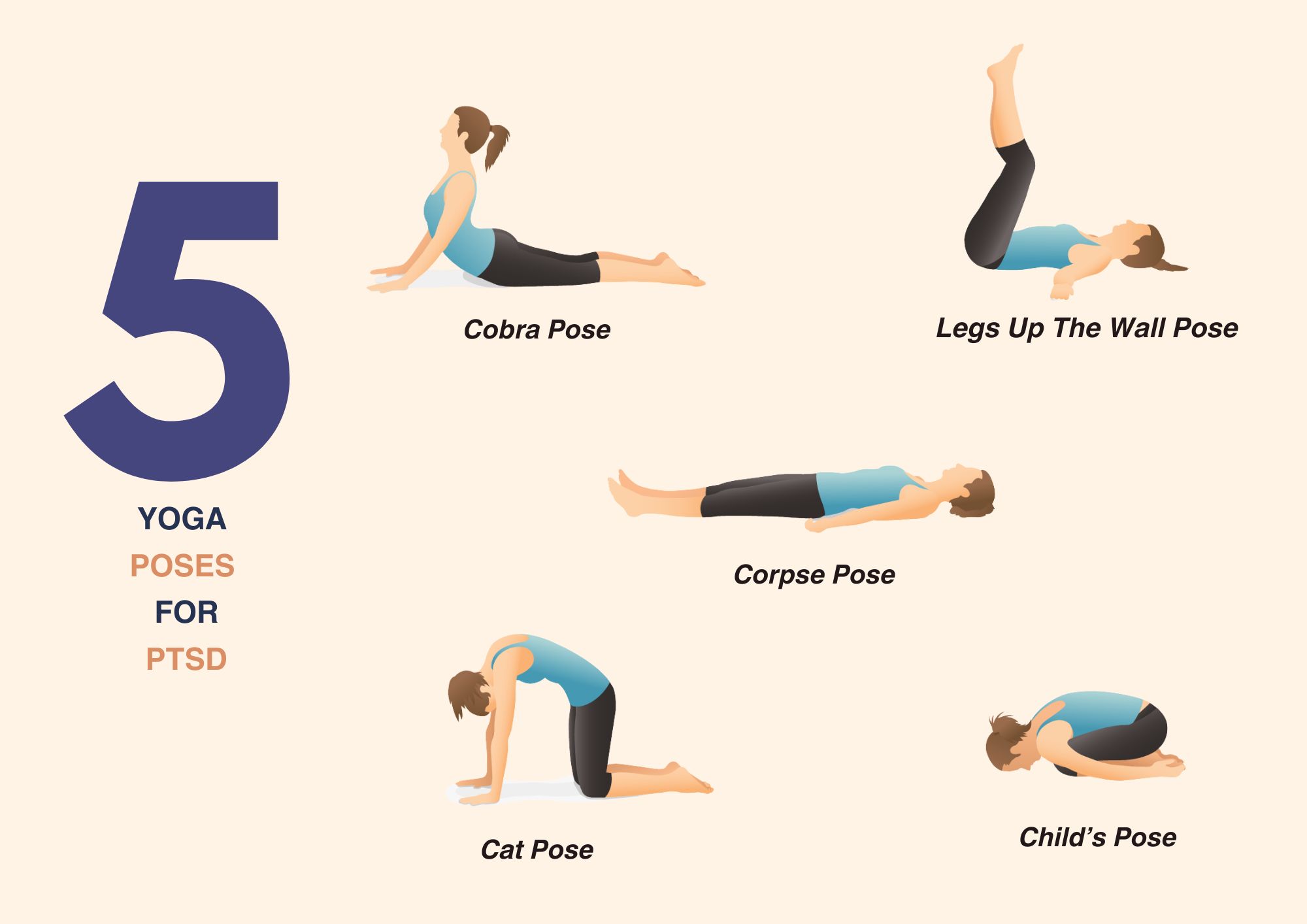
Gentle stretching poses can work wonders in releasing stress and tension from your body. Start with the Child’s Pose, a simple yet effective position where you kneel and stretch your arms forward, allowing your back to decompress. Another calming pose is the Cat-Cow Stretch, which involves a fluid motion of arching and rounding your back, helping to soothe your spine and calm your mind.
Breathing Techniques
Breathing techniques are at the heart of yoga, playing a crucial role in stress relief. Try the Ujjayi Breath, where you inhale deeply through your nose, filling your lungs, and exhale slowly, creating a gentle sound. This practice not only calms your nervous system but also helps you stay present.
Consider the Alternate Nostril Breathingtechnique. It’s a simple exercise where you alternate your breathing between nostrils, balancing your body’s energy and promoting a sense of calm. Have you ever noticed how your breath changes with your mood? Control your breath, and you can control your stress.
Mindfulness And Meditation
Mindfulness and meditation are integral to a yoga practice aimed at stress relief. Engage in a Body Scan Meditation, where you mentally scan each part of your body, releasing any tension you find. This practice brings you into a state of awareness and peace.
Another technique is the Guided Imagery Meditation, where you visualize a serene place, such as a beach or forest, allowing your mind to escape stressors. When was the last time you gave your mind a mini-vacation? Try these practices and watch your stress melt away.
Effective Exercise Routines
Effective exercise routines play a key role in managing stress through yoga and physical activity. Choosing the right type of workout can help you release tension, boost your mood, and improve your overall well-being. Let’s look at different exercise styles that can fit your lifestyle and help reduce stress efficiently.
Cardio Workouts
Cardio workouts get your heart pumping and release endorphins, which naturally lift your spirits. Activities like running, cycling, or brisk walking can clear your mind and make stress feel more manageable.
If you’ve ever felt overwhelmed, a quick 20-minute jog or a dance session to your favorite music might be exactly what you need. How does your body respond after a good cardio session? Notice the difference in your energy and mood.
Strength Training
Strength training doesn’t just build muscle; it also builds mental resilience. Lifting weights or using resistance bands can give you a sense of control and accomplishment.
Try starting with simple exercises like squats, push-ups, or dumbbell curls. This focused effort can distract your mind from stress and improve your confidence over time. What strength exercises make you feel most empowered?
Low-impact Activities
If high-intensity workouts feel overwhelming, low-impact activities can offer a gentler way to manage stress. Yoga, swimming, or tai chi provide calm, steady movement that soothes both body and mind.
Yoga, in particular, combines breath control with movement, helping you stay present and calm. Could adding a few minutes of deep stretching or gentle flow to your routine change how you handle daily stress?
Credit: myyogateacher.com
Creating A Stress-relief Schedule
Creating a stress-relief schedule helps make yoga and exercise a regular part of life. A clear plan guides you to stay calm and healthy. It reduces anxiety and boosts energy. Planning your sessions also prevents feeling overwhelmed or skipping workouts.
Balancing Yoga And Exercise
Mix gentle yoga with more active exercise. Yoga improves flexibility and relaxation. Exercise builds strength and endurance. Both together help reduce stress better than doing one alone. Try yoga on rest days from exercise. This balance helps your body recover and stay strong.
Setting Realistic Goals
Set small, clear goals that fit your schedule. Avoid planning long sessions at first. Short, regular sessions work better for beginners. Goals like 10 minutes of yoga or a 20-minute walk help build habit. Track your progress to stay motivated. Adjust goals if they feel too hard or too easy.
Consistency Tips
- Choose a specific time each day for your practice.
- Use reminders on your phone or calendar.
- Prepare your yoga mat and gear the night before.
- Start with simple routines to avoid burnout.
- Reward yourself for sticking to your schedule.
Consistency makes stress relief more effective. Small steps lead to lasting calm and health.
Lifestyle Changes To Support Relaxation
Changing daily habits helps the body and mind relax better. Small lifestyle shifts support yoga and exercise in reducing stress. These changes create a calm environment for your efforts to work well.
Nutrition And Hydration
Eating balanced meals feeds the brain and body with needed energy. Choose whole foods like fruits, vegetables, and lean proteins. Drinking enough water keeps the body hydrated and alert.
Limit caffeine and sugar. They can increase anxiety and disrupt calm. Regular meal times help keep blood sugar steady, avoiding mood swings.
Sleep Quality
Good sleep restores the mind and body after daily stress. Aim for 7 to 9 hours of restful sleep each night. Create a bedtime routine to signal your body to relax.
Keep your bedroom dark and cool. Avoid screens and bright lights before sleep. Consistent sleep times help regulate your internal clock.
Mindful Living Habits
Practice being present in the moment throughout the day. Take breaks to breathe deeply and notice your surroundings. Reduce multitasking to focus better and feel less overwhelmed.
Use simple mindfulness techniques like counting breaths or gentle stretching. These help lower stress and improve concentration. Small pauses of calm add up to big stress relief.
Credit: myyogateacher.com
Common Challenges And Solutions
Managing stress with yoga and exercise sounds simple, but many face hurdles that slow progress. Recognizing these challenges can help you find practical solutions that fit your lifestyle. Let’s look at some common obstacles and how you can work through them.
Overcoming Motivation Slumps
Motivation dips are normal, especially when results feel slow or life gets hectic. Ask yourself what made you start yoga or exercise in the first place—reconnect with that reason. Setting small, achievable goals can boost your confidence and make the practice feel rewarding again.
Try mixing up your routine to keep things fresh. If you usually practice at home, join a class or follow a new online instructor. Sometimes, simply changing the environment or style sparks new energy.
Managing Time Constraints
Feeling too busy is a common reason people skip exercise or yoga. The key is not to find big blocks of time but to use short, focused sessions. Even 10-15 minutes of deep breathing, stretching, or light exercise can lower stress levels effectively.
Look for pockets of time in your day—early mornings, lunch breaks, or right before bed. Scheduling these moments like appointments makes it easier to stick to your practice.
Dealing With Physical Limitations
Physical restrictions can make certain poses or exercises challenging, but they don’t have to stop you. Listen to your body and modify movements to avoid pain or discomfort. Many yoga poses have gentle variations that still offer great benefits.
Working with a knowledgeable instructor can help you find safe alternatives tailored to your needs. Remember, progress is about what you can do today, not what you used to do or hope to do someday.
Frequently Asked Questions
What Are The Best Yoga Poses To Reduce Stress?
The best yoga poses for stress relief include Child’s Pose, Cat-Cow, and Legs-Up-The-Wall. These poses calm the nervous system. They improve breathing and promote relaxation. Regular practice can lower cortisol levels and ease tension effectively.
How Often Should I Exercise To Manage Stress?
Exercising 3 to 5 times per week is ideal for stress management. Aim for 30 minutes of moderate activity. Consistency helps regulate mood and reduce anxiety. Even short daily walks can significantly improve mental health and reduce stress.
Can Yoga Improve Mental Health Besides Physical Benefits?
Yes, yoga enhances mental health by reducing anxiety and depression. It encourages mindfulness and body awareness. Yoga promotes relaxation and improves sleep quality. These benefits contribute to overall emotional balance and stress resilience.
What Type Of Exercise Best Complements Yoga For Stress Relief?
Aerobic exercises like walking, swimming, or cycling complement yoga well. These activities boost endorphin levels and reduce stress hormones. Combining cardio with yoga enhances both physical fitness and mental clarity, providing a balanced stress management approach.
Conclusion
Managing stress with yoga and exercise brings many benefits. Both help calm your mind and strengthen your body. Regular practice improves mood and boosts energy. You feel more relaxed and focused each day. Small steps make a big difference over time.
Choose activities you enjoy and keep it simple. Make a habit, and stress will lessen naturally. Your health and happiness will improve steadily. Try to stay patient and consistent always. Stress relief is possible with gentle movement and care.







