
Do you find yourself reaching for snacks whenever stress hits? You’re not alone, and it’s a habit that can be tough to break.
But what if you could use workouts to take control of stress eating instead of letting it control you? Imagine feeling calmer, more focused, and in charge of your choices—even on your busiest days. You’ll discover simple, effective ways to manage stress eating by adding the right exercises to your routine.
Keep reading to learn how to turn workouts into your secret weapon against stress-driven cravings.
Causes Of Stress Eating
Understanding the causes of stress eating can help you take control of your habits and find healthier ways to cope. Stress eating often feels automatic, but it usually has clear triggers behind it. By identifying these triggers, you can plan your workouts to not only manage stress but also reduce the urge to eat emotionally.
Emotional Triggers
Stress eating often starts with strong emotions like anxiety, sadness, or frustration. You might notice that after a tough day, you reach for comfort foods without thinking. These emotional triggers create a temporary relief, but they don’t solve the problem.
Ask yourself: Are you eating because you’re hungry or because you want to distract yourself from how you feel? Recognizing this can stop the cycle before it begins.
Workplace Pressures
Your job can be a major source of stress that leads to overeating. Tight deadlines, long meetings, and constant multitasking can leave you mentally exhausted. This exhaustion makes your brain crave high-energy foods, often sugary or fatty snacks.
Think about your last workday. Did stress push you toward the vending machine? If yes, using quick workouts during breaks can help clear your mind and reduce those cravings.
Hormonal Effects
Stress changes your body’s hormones, especially cortisol, which increases appetite. High cortisol levels can make you want more calories and prefer unhealthy foods. This hormonal shift is your body’s way of preparing for a threat, but in modern life, it often backfires.
Have you noticed stronger food cravings during stressful periods? Regular exercise helps balance these hormones, making it easier to resist stress eating.

Credit: www.goodrx.com
Impact Of Stress Eating On Health
Stress eating can significantly impact health. It often leads to unhealthy eating habits and choices. Understanding its effects is crucial for managing it effectively with workouts.
Weight Gain Concerns
Stress eating often leads to weight gain. High-calorie comfort foods are usually the go-to choices. These foods can quickly add extra pounds. Weight gain increases the risk of heart disease and diabetes. It also affects self-esteem and body image.
Energy Levels
Stress eating affects energy levels. Consuming sugary or fatty foods can lead to energy spikes. These spikes are followed by rapid drops, causing fatigue. This cycle can leave you feeling sluggish and unmotivated. Consistent energy levels are essential for daily activities and workouts.
Mental Well-being
Stress eating impacts mental well-being. It often leads to feelings of guilt and shame. These feelings can increase stress and anxiety levels. Stress eating creates a vicious cycle of emotional discomfort. Breaking this cycle is important for maintaining mental health.
Role Of Workouts In Stress Management
Workouts play a crucial role in managing stress effectively. Exercise helps the body and mind handle stress better. It provides a healthy outlet for tension and anxiety. Regular physical activity supports overall well-being and reduces the urge for stress eating. Understanding how workouts aid stress management can inspire consistent exercise habits.
Physical Benefits
Exercise strengthens the heart, lungs, and muscles. It improves energy levels throughout the day. Better fitness boosts resilience against physical stress. Workouts also promote better sleep quality, which helps the body recover. Feeling physically stronger often leads to greater confidence and calmness.
Mood Enhancement
Physical activity triggers the release of feel-good chemicals called endorphins. These natural mood lifters help reduce feelings of anxiety and sadness. Exercise can create a sense of achievement and purpose. It offers a break from negative thoughts and stress triggers. Regular workouts can create a positive cycle of improved mood and motivation.
Stress Hormone Reduction
Exercise lowers levels of cortisol, the main stress hormone. High cortisol can increase cravings for unhealthy foods. Reducing this hormone helps control stress eating habits. Workouts also balance other hormones that regulate mood and appetite. Managing hormone levels through exercise supports mental and physical health.

Credit: gcvs.org.uk
Choosing The Right Exercises
Choosing the right exercises can make a huge difference in managing stress eating. Not all workouts affect your mood and cravings the same way. Finding activities that help calm your mind while keeping your body active can reduce the urge to reach for comfort food.
Cardio Activities
Cardio workouts like running, cycling, or brisk walking raise your heart rate and release feel-good hormones. These endorphins can help lower stress levels, making you less likely to eat emotionally. Even a quick 20-minute jog can clear your mind and reset your cravings.
Think about how you feel after a short run—energized, yet calm. Could this be your secret weapon against stress eating? Try mixing different cardio activities to keep your routine exciting and prevent boredom.
Strength Training
Strength training builds muscle and boosts your metabolism, but it also helps channel stress into physical effort. Lifting weights or doing bodyweight exercises like push-ups can give you a sense of control, which is powerful when stress feels overwhelming.
When I started lifting weights, I noticed my cravings for junk food dropped. The focus required during sets distracted me from emotional eating triggers. Consider adding strength sessions a few times a week to balance your workouts and your appetite.
Mind-body Workouts
Mind-body exercises such as yoga, Pilates, or tai chi combine gentle movement with breathing and meditation. These workouts lower cortisol, the stress hormone, and improve your emotional resilience.
Have you ever tried yoga after a stressful day? The deep breathing and stretching can soothe your nervous system and reduce impulsive eating. These practices can be a great way to tune into your body’s true hunger signals instead of stress-driven cravings.
Creating A Balanced Routine
Creating a balanced routine helps control stress eating and boosts overall health. It blends physical activity with smart eating habits. This balance improves mood and reduces cravings. A steady routine builds good habits that last. Consistency is key to managing stress and hunger effectively.
Scheduling Workouts
Set specific times for your workouts. Choose moments that fit your daily work schedule. Early mornings or evenings often work well. Consistency helps your body adjust to exercise. Treat workouts like important meetings you cannot miss. Short sessions of 20-30 minutes can make a difference. Even quick walks break stress and reset your mind.
Combining Exercise With Meal Planning
Plan meals around your workout times. Eat a small, healthy snack before exercising for energy. After workouts, choose protein and vegetables to aid recovery. Avoid heavy or sugary foods that cause energy crashes. Preparing meals ahead reduces impulsive eating. Balanced meals keep blood sugar stable and curb cravings.
Tracking Progress
Keep a simple journal or use an app to track workouts and meals. Note how exercise affects your mood and eating habits. Tracking helps identify patterns and triggers for stress eating. Celebrate small wins to stay motivated. Adjust your routine based on what works best. Regular tracking builds awareness and control over habits.
Credit: health.clevelandclinic.org
Healthy Eating Strategies
Managing stress eating with workouts requires smart food choices. Healthy eating strategies help balance energy and reduce cravings. These strategies support both your body and mind during busy workdays and workouts. Focus on habits that improve your eating awareness, snack selection, and hydration.
Mindful Eating Practices
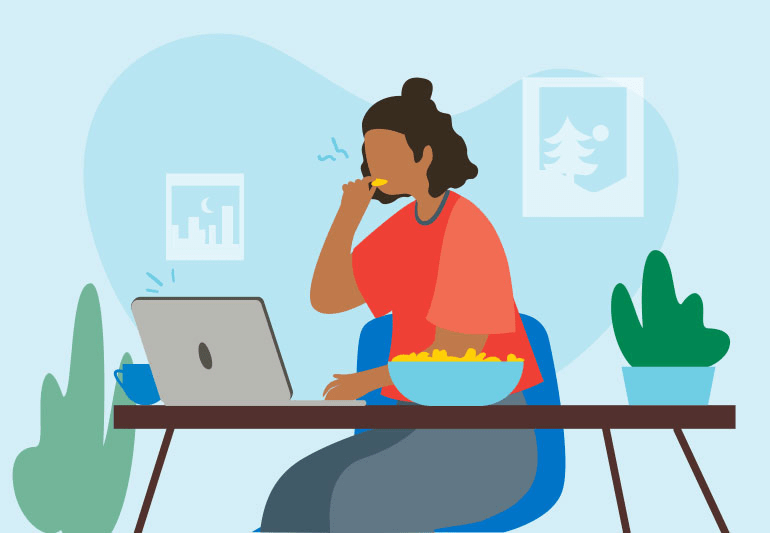
Pay close attention to your hunger and fullness signals. Eat slowly and chew well. Avoid distractions like screens while eating. Notice flavors and textures in your food. These habits help prevent overeating and emotional snacking. Mindful eating creates a stronger connection to your body’s real needs.
Nutritious Snack Options
Choose snacks rich in protein, fiber, and healthy fats. These keep you full longer and stabilize blood sugar. Examples include:
- Greek yogurt with berries
- Raw nuts and seeds
- Vegetable sticks with hummus
- Whole grain crackers with avocado
Prepare snacks ahead to avoid impulsive, unhealthy choices. Keep these options handy at work and home.
Hydration Importance
Drink water regularly throughout the day. Sometimes thirst feels like hunger. Staying hydrated helps control cravings and supports workout recovery. Aim for at least eight glasses daily. Herbal teas and infused water add flavor without extra calories. Hydration boosts focus and energy for work and exercise.
Managing Cravings During Stress
Stress often triggers cravings for comfort foods. These urges can disrupt healthy eating habits and cause guilt. Managing cravings during stress is essential to maintain balance. Using workouts alongside mindful strategies helps control these cravings effectively.
Identifying Craving Patterns
Recognize when cravings usually appear. Track the time of day and emotions felt. Notice specific foods that you crave during stress. Understanding these patterns helps you prepare and respond better.
Keep a simple journal. Write down what you eat and how you feel. This practice makes cravings easier to spot and manage.
Alternative Coping Mechanisms
Replace stress eating with other calming activities. Try deep breathing exercises or short walks. Engage in hobbies like reading or drawing. These activities divert attention from food urges.
Use physical workouts as a tool. Exercise releases endorphins that reduce stress naturally. Choose activities you enjoy to stay motivated and calm.
Support Systems
Share your goals with friends or family. Their encouragement can boost your confidence. Join groups focused on healthy living or stress management. Talking with others reduces feelings of isolation.
Consider professional help if cravings feel overwhelming. Therapists or nutritionists offer useful guidance. Support systems make managing stress eating easier and more effective.
Maintaining Motivation And Consistency
Maintaining motivation and consistency is key to managing stress eating with workouts. Without steady effort, it’s easy to slip back into old habits. Staying motivated helps you push through tough days and keeps your progress on track.
Setting Realistic Goals
Set goals that feel achievable. Instead of aiming to exercise every day, start with three times a week. This reduces overwhelm and builds confidence as you see progress.
Break larger goals into smaller steps. For example, focus first on completing a 10-minute workout, then gradually increase time and intensity. This makes your journey manageable and less intimidating.
Reward Systems
Give yourself rewards when you hit milestones. It could be a relaxing bath, a new workout outfit, or a favorite healthy treat. Rewards make your efforts feel appreciated and boost motivation.
Use a simple chart or app to track your workouts and rewards. Seeing your achievements visually can encourage you to keep going. What small reward would make your hard work feel worth it?
Overcoming Setbacks
Expect setbacks—they’re part of any journey. Instead of giving up, analyze what caused the slip and plan how to avoid it next time. Maybe stress was higher than usual or your schedule got tight.
Remember, one missed workout or indulgent meal doesn’t erase your progress. Get back on track quickly to maintain momentum. How can you remind yourself that setbacks are temporary and not failure?
Frequently Asked Questions
What Is Stress Eating And How Does It Affect Workouts?
Stress eating is consuming food in response to stress, often unhealthy snacks. It can reduce workout effectiveness by causing fatigue and weight gain, hindering fitness goals.
How Can Workouts Help Control Stress Eating Habits?
Workouts release endorphins, improving mood and reducing stress. Regular exercise also boosts self-discipline, making it easier to resist stress-induced food cravings.
Which Workouts Are Best To Reduce Stress Eating?
Cardio exercises like running, cycling, and swimming are effective. Yoga and Pilates also help by promoting relaxation and mindfulness, reducing emotional eating triggers.
How Often Should I Exercise To Manage Stress Eating?
Aim for at least 30 minutes of moderate exercise five times a week. Consistency helps regulate stress hormones and reduces the urge to eat emotionally.
Conclusion
Managing stress eating becomes easier with regular workouts. Exercise helps reduce tension and lifts your mood. It also keeps your mind busy and away from cravings. Small, consistent workouts make a big difference over time. Remember to listen to your body and choose activities you enjoy.
Balance your meals and stay hydrated to support your efforts. With patience and care, you can control stress eating and feel healthier every day. Keep moving, stay mindful, and take one step at a time.







