
Staying motivated to keep fit isn’t always easy. You start strong, but after a while, that drive can fade.
You might wonder how to keep your energy high and your goals in sight, day after day. What if you could unlock simple tricks to stay inspired, even when life gets busy or tough? You’ll discover proven ways to keep your fitness motivation alive for the long haul.
Ready to transform your mindset and make staying fit feel natural and exciting? Let’s dive in.
Set Clear Goals
Setting clear goals is essential to keep your fitness motivation strong over time. Without clear targets, it’s easy to lose direction and feel overwhelmed. Defining what you want to achieve helps you stay focused and gives your workouts purpose.
Short-term Milestones
Breaking your big goals into smaller, short-term milestones makes progress feel achievable. These milestones act like checkpoints, giving you regular wins to celebrate. For example, aiming to increase your running distance by half a mile each week keeps your motivation fresh.
Short-term goals also help you adjust your plan as needed. If a milestone feels too easy or too hard, you can tweak it before it affects your overall motivation. What small victory can you aim for this week that feels challenging but doable?
Long-term Vision
Your long-term vision is the bigger reason behind your daily efforts. This could be completing a marathon, building strength, or simply feeling healthier. Keeping this vision in mind helps you push through tough days.
Write down your long-term vision and place it somewhere visible. When motivation dips, remind yourself why you started. How does your fitness goal align with your life’s bigger picture?
Tracking Progress
Tracking your progress provides clear evidence that your efforts are working. Use a journal, app, or calendar to record workouts, reps, or measurements. Seeing consistent improvement fuels your motivation.
Don’t just focus on the numbers; note how you feel physically and mentally. Sometimes progress shows up as more energy or better sleep, which is just as important. What tool or method will you use to track your journey?

Credit: www.beautybites.org
Create A Routine
Building a consistent routine helps make fitness a regular part of life. Small, daily habits keep motivation steady over time. Scheduling workouts turns exercise into a natural habit.
Creating a routine is the cornerstone of maintaining long-term fitness motivation. Without structure, it’s easy to lose track of goals and give up when challenges arise. A well-thought-out routine helps you stay focused and committed, ensuring that fitness becomes an integral part of your lifestyle rather than a temporary fad.Consistent Scheduling
Consistency is key to forming habits. Schedule your workouts at the same time each day, whether it’s morning, afternoon, or evening. This regularity helps your body adjust and creates a sense of commitment. Use a calendar or app to set reminders. Treat your workout time like an important appointment you can’t miss. This disciplined approach makes it easier to stick to your routine even on days when motivation wanes.Variety In Workouts
Sticking to the same routine can lead to boredom and stagnation. Mix up your workouts to keep things exciting and to challenge different muscle groups. Try alternating between cardio, strength training, and flexibility exercises. Join a class or try a new sport to keep your interest alive. Inviting a friend to join you can add a social element that makes working out more enjoyable. Have you ever tried dancing or rock climbing? These can be fun ways to break the monotony.Balancing Rest And Exercise
Rest is just as important as exercise in a fitness routine. Overtraining can lead to burnout or injury, which can derail your progress. Ensure you have at least one full rest day each week to let your body recover. Listen to your body. If you feel overly fatigued, it might be better to take a break or focus on a light activity like yoga or a walk. How does your body feel after a workout? Use that feedback to adjust your routine for optimal balance. By creating a routine with these elements, you’re setting yourself up for long-term success in your fitness journey.Find Enjoyable Activities
Finding activities you genuinely enjoy is key to sticking with fitness over the long haul. When exercise feels like a chore, motivation quickly fades. But when you connect with movements that excite you, working out becomes something you look forward to rather than dread.
Exploring Different Exercises
Try out a variety of exercises to see what clicks with you. You might discover that you love swimming more than running, or that yoga suits your mood better than lifting weights. Don’t hesitate to experiment — even classes like kickboxing or dance can surprise you.
Ask yourself: which activities make you lose track of time? Those are the ones worth adding to your routine. Variety also helps prevent boredom and keeps your body challenged.
Incorporating Hobbies
Think about ways to add physical movement to hobbies you already enjoy. Gardening, hiking, or playing an instrument can all contribute to your fitness in a fun way. You might be more consistent if your workout feels like an extension of your interests rather than a separate task.
For example, if you love photography, try planning walks or bike rides to scenic spots. This lets you combine creativity with exercise. What hobbies could you tweak to get you moving more?
Group Workouts
Working out with others can boost your motivation and enjoyment. Join a local sports team, attend group fitness classes, or find a workout buddy. The social aspect adds accountability and makes exercise feel less like a solo struggle.
When I started training with a friend, I noticed how much easier it was to stick to the schedule. The shared energy and friendly competition pushed me further. Could finding a workout community change how you view exercise?
Stay Accountable
Staying accountable is a key factor in maintaining your fitness motivation over the long term. When you hold yourself responsible, you’re more likely to stick with your goals even on tough days. Accountability creates a sense of commitment that pushes you beyond fleeting enthusiasm.
Workout Partners
Having a workout partner changes the game. You’re not just exercising for yourself anymore; you’re showing up for someone else too. This mutual responsibility makes it harder to skip sessions.
Think about the last time you cancelled plans with a friend. Did you feel guilty? That’s the power of accountability. A workout partner can also make exercise more fun and less of a chore.
Fitness Communities
Joining a fitness community gives you a built-in support system. Whether it’s online or in person, these groups share similar goals and challenges. Their encouragement can keep your motivation steady.
Communities often celebrate small wins, making progress feel real and rewarding. Have you ever posted your workout success and received cheers from strangers? That positive feedback can drive you to keep going.
Using Apps And Trackers
Apps and trackers provide concrete data on your progress. They remind you of your goals and show how far you’ve come. Seeing daily steps, calories burned, or workout streaks can boost your motivation.
Many apps offer social features, letting you connect with others and share achievements. Would you feel more driven if your app notified friends when you hit a new milestone? This digital accountability can make a big difference.
Focus On Nutrition
Nutrition plays a key role in keeping fitness motivation strong. Eating the right foods fuels your workouts and helps your body recover. Proper nutrition also supports energy levels and mood. Focus on nutrition to build a healthy routine that lasts.
Balanced Diet Tips
A balanced diet includes different food groups in the right amounts. Aim to eat:
- Plenty of vegetables and fruits for vitamins and fiber
- Whole grains like brown rice and oats for steady energy
- Lean proteins such as chicken, fish, and beans to repair muscles
- Healthy fats from nuts, seeds, and olive oil for brain health
Limit sugary snacks and processed foods. They can cause energy crashes and reduce motivation.
Meal Planning
Plan your meals ahead to avoid unhealthy choices. Preparing food in advance saves time and stress. A simple plan helps control portions and balance nutrients. Keep easy, healthy snacks ready for busy days.
Try cooking extra servings to store for later. This keeps your diet consistent and supports your fitness goals.
Hydration Importance
Water is essential for body function and exercise performance. Drinking enough fluids prevents tiredness and cramps. Aim for at least eight glasses a day, more if you sweat a lot.
Carry a water bottle to remind yourself to drink. Avoid sugary drinks that add empty calories and reduce energy.
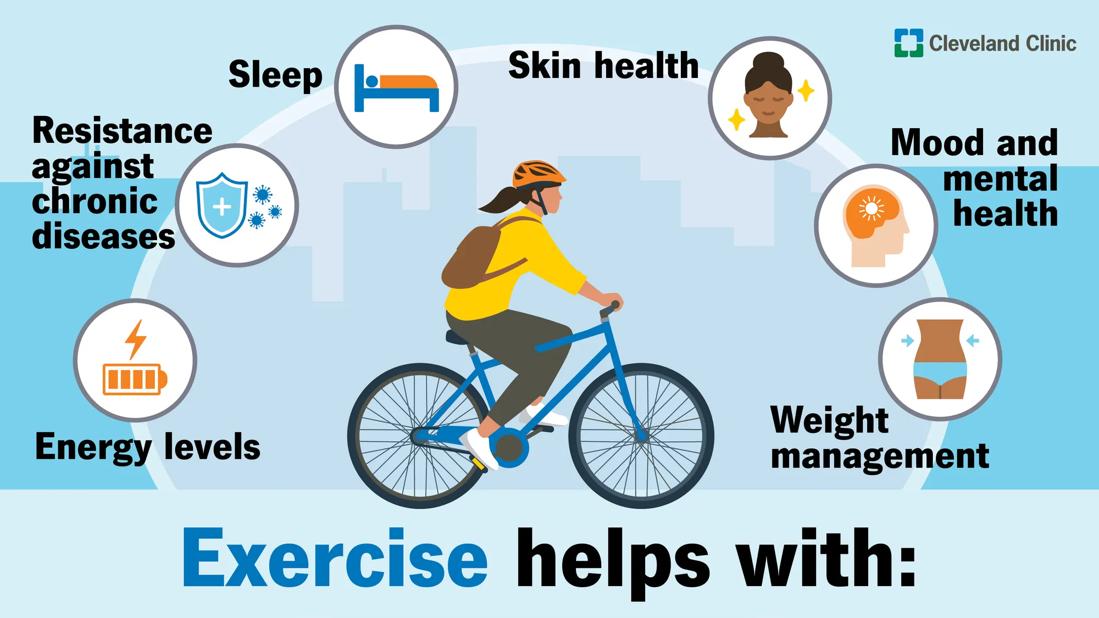
Credit: health.clevelandclinic.org
Overcome Plateaus
Hitting a fitness plateau can feel frustrating and make you question your progress. It’s a common hurdle where your body adapts to your routine, causing gains to slow or stop. Overcoming these plateaus is crucial to keep your motivation alive and your fitness journey moving forward.
Adjusting Workouts
Changing your workouts breaks the monotony and challenges your muscles in new ways. If you’ve been running the same distance or lifting the same weights, try varying the intensity, duration, or type of exercise.
For example, if you usually run at a steady pace, add intervals of sprinting. If you stick to one type of strength training, introduce new movements or increase weights gradually. Small changes can push your body out of its comfort zone and restart progress.
Setting New Challenges
Setting fresh, specific goals keeps your mind focused and your efforts purposeful. Instead of vague aims like “get stronger,” aim for measurable targets such as “do 10 pull-ups” or “run a 5K under 30 minutes.”
Challenges could be joining a local race, trying a new sport, or committing to a weekly yoga class. These goals give you something tangible to work towards and make workouts feel more rewarding.
Mindset Shifts
Changing how you think about plateaus can transform your experience. Instead of seeing a plateau as failure, view it as a sign that your body is adapting and that you’re ready for new challenges.
Ask yourself: What can I learn from this phase? How can I use this time to improve other areas like flexibility or balance? Shifting your mindset helps maintain motivation and reduces frustration.
Manage Mental Health
Managing your mental health plays a crucial role in keeping your fitness motivation alive over the long term. Physical progress often depends on your mindset and emotional balance. When you feel mentally strong, you’re more likely to stay committed and push through challenges.
Stress Reduction Techniques
Stress can drain your energy and make fitness feel like a chore. Try simple stress reduction techniques such as deep breathing exercises or taking short walks outside. These small actions help clear your mind and reset your focus.
Have you noticed how a few minutes of controlled breathing calms your racing thoughts? Make it a daily habit, especially before workouts, to improve both your mental state and physical performance.
Mindfulness Practices
Mindfulness encourages you to be present during your workouts, enhancing your connection with your body. Practices like meditation or mindful stretching can help you tune into how your body feels and what it needs.
When you pay attention to your sensations and breathing, you reduce mental distractions. This focus can make exercise more enjoyable and less of a task. Try spending five minutes before your session simply observing your breath.
Positive Self-talk
The way you talk to yourself impacts your motivation more than you might realize. Replace negative thoughts like “I can’t do this” with encouraging phrases such as “I am getting stronger every day.”
Positive self-talk fuels your confidence and resilience. Ask yourself what you would say to a friend struggling with fitness—then say it to yourself. This simple shift can change your entire mindset toward workouts.

Credit: www.drlamcoaching.com
Celebrate Achievements
Celebrating your achievements is a powerful tool to keep your fitness motivation alive over the long haul. Recognizing your wins, no matter how small, fuels your drive and reminds you why you started. It’s not just about reaching the big milestones, but also appreciating the daily progress that builds your success.
Reward Systems
Setting up a reward system can make your fitness journey more enjoyable and motivating. Choose rewards that truly excite you—like a new workout outfit, a relaxing massage, or a special healthy treat. These rewards act as milestones that keep you eager to push forward.
Think about what feels like a genuine treat to you. Does a weekend hike or a movie night boost your spirits? Your rewards should feel like a celebration of your effort, not just an afterthought.
Reflecting On Progress
Taking time to reflect on how far you’ve come helps you see the real impact of your hard work. Keep a journal or use an app to track your workouts, mood, and physical changes. When motivation dips, reviewing this progress can reignite your commitment.
Ask yourself: What did I struggle with last month that I’ve improved on now? Noticing these shifts helps you stay grounded in your journey rather than just fixating on the finish line.
Sharing Success
Sharing your fitness achievements with friends, family, or an online community adds a layer of accountability and encouragement. When you tell others about your progress, you create a support system that celebrates with you and lifts you on tough days.
Have you ever felt more motivated after sharing a win? The positive feedback can reinforce your efforts and inspire you to set new goals. Plus, your story might motivate someone else to start or keep going.
Frequently Asked Questions
How Can I Stay Motivated To Exercise Regularly?
Set clear, achievable goals and track your progress. Mix workouts to keep things interesting. Reward yourself for milestones to maintain enthusiasm.
What Are The Best Tips For Long-term Fitness Motivation?
Create a routine, find a workout buddy, and vary exercises. Focus on health benefits, not just appearance, to stay inspired.
How Do I Overcome Fitness Motivation Slumps?
Acknowledge the slump and rest if needed. Try new activities or set fresh goals to regain excitement and commitment.
Why Is Goal Setting Important For Fitness Motivation?
Goals give direction and purpose. They help measure progress and boost confidence, making motivation easier to sustain over time.
Conclusion
Staying motivated takes time and effort. Set small goals that you can reach. Celebrate each success to keep your spirit high. Find activities you enjoy to make fitness fun. Remember, rest days are part of the journey. Keep your routine flexible to avoid boredom.
Surround yourself with support from friends or groups. Focus on progress, not perfection. Consistency beats intensity every time. Keep pushing forward, one step at a time.







