
Have you ever felt like giving up on your fitness goals because of setbacks or slow progress? You’re not alone.
Failure is a natural part of any fitness journey, but how you handle it can make all the difference. Imagine turning those moments of doubt into powerful fuel that pushes you forward instead of holding you back. You’ll discover simple, proven ways to face failure head-on, stay motivated, and keep moving closer to the strong, healthy version of yourself you want to be.
Ready to change the way you see failure and take control of your fitness journey? Let’s dive in.
Credit: fitandwell.in
Common Fitness Setbacks
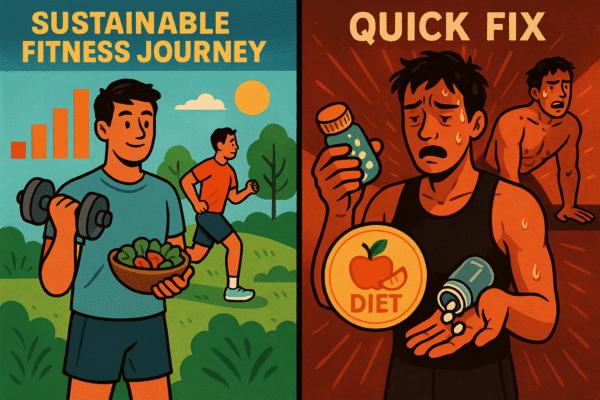
Setbacks in fitness often feel discouraging but are part of the journey. Embracing mistakes helps build stronger habits and keeps progress steady. Staying patient and adjusting goals can turn failure into a learning step.
Common Fitness Setbacks Embarking on a fitness journey often involves facing setbacks. These challenges can discourage even the most determined individuals. Understanding these common setbacks can help in overcoming them effectively. Here, we explore some frequent hurdles you might encounter.Injury And Recovery
Injuries can halt your progress suddenly. They often occur due to overexertion or poor technique. Proper recovery is crucial to prevent further damage. Rest and professional guidance aid healing. Gradual reintroduction to exercise ensures a safe return.Plateaus In Progress
Progress plateaus are frustrating. They happen when your body adapts to your routine. Breaking through requires change. Introduce new exercises or adjust intensity. This challenges your muscles differently, boosting growth and strength.Motivation Loss
Motivation can wane over time. Routine workouts may feel monotonous. Setting new goals can reignite enthusiasm. Celebrate small victories to maintain momentum. Surround yourself with supportive individuals. Their encouragement can uplift you during tough times.Time Management Challenges
Balancing fitness with daily responsibilities is challenging. Busy schedules can lead to skipped workouts. Planning is key to overcoming this. Schedule exercises like appointments. Utilize short, effective workouts to maximize time. Consistency is more important than duration.Mindset Shifts For Resilience
Building resilience in a fitness journey depends on changing how you think about setbacks. Shifting your mindset helps you stay strong and keep going even when progress stalls or falls behind. It transforms challenges into lessons and fuels steady improvement.
Embracing Failure As Growth
Failure is not the end. It is a chance to learn what does not work. Accepting failure helps you find new ways to improve. Each setback teaches valuable lessons that push you closer to your goals.
Setting Realistic Expectations
Goals should match your current abilities and time. Unrealistic goals cause frustration and loss of motivation. Small, clear targets allow steady progress. Celebrate little wins to keep your spirit high.
Cultivating Patience
Fitness progress takes time. Results do not happen overnight. Patience prevents giving up too soon. Trust the process and keep working consistently. Slow growth leads to lasting changes.
Goal Adjustment Techniques
Adjusting goals helps keep your fitness journey on track. It makes big targets feel less scary. Changing goals also boosts motivation and confidence. Small changes can lead to big progress over time.
Breaking Goals Into Smaller Steps
Large goals can seem hard to reach. Split them into smaller, clear steps. For example, instead of “run 5 miles,” try “run 1 mile three times a week.” Smaller steps are easier to manage. They help build habits and keep you focused.
Tracking Progress Effectively
Track your progress with simple tools. Use a journal, app, or calendar. Write down workouts, times, or weights lifted. Seeing progress motivates you to keep going. It also shows where to improve or adjust goals.
Celebrating Small Wins
Recognize and celebrate small achievements. Finished a week of workouts? Great! Improved your time or reps? Awesome! Celebrating keeps your spirits high. It makes the journey enjoyable and helps avoid burnout.
Building A Support System
Building a support system can make a huge difference in how you handle setbacks during your fitness journey. It’s not just about having people around; it’s about connecting with those who understand your struggles and cheer for your wins. When you surround yourself with the right kind of support, failure doesn’t feel like the end—it feels like a stepping stone.
Finding Fitness Communities
Fitness communities offer a place where you can share your challenges and successes with people who get it. Whether it’s a local running club, a gym group, or an online forum, these communities provide motivation and accountability.
Ask yourself: where do you feel most comfortable sharing your journey? Look for groups that match your interests, whether it’s yoga, weightlifting, or cycling. Being part of a community helps you realize you’re not alone, and that can push you through tough days.
Working With Coaches Or Trainers
A coach or trainer brings expertise and personalized guidance to your fitness routine. They help you set realistic goals and adjust your plan when you hit roadblocks.
Think about how a coach can spot your weaknesses and help you fix them before they become bigger problems. Their feedback can turn a failure into a learning moment. Have you considered how professional advice might change your approach?
Sharing Your Journey
Opening up about your fitness journey can be powerful. Sharing your struggles and triumphs with friends, family, or on social media creates an extra layer of support and encouragement.
When you share openly, you invite others to cheer you on and hold you accountable. It also helps others who might be facing similar challenges. How might your story inspire someone else to keep going?
Practical Recovery Strategies
Facing setbacks in your fitness journey can feel discouraging, but how you recover matters more than the stumble itself. Practical recovery strategies help you bounce back stronger and maintain momentum. These approaches focus on repairing your body, calming your mind, and restoring your energy.
Rest And Nutrition
Rest is not just downtime; it’s when your body rebuilds muscle and restores energy. Skipping rest can lead to burnout or injuries that push you further from your goals.
Nutrition fuels this recovery. Eating enough protein supports muscle repair, while carbohydrates replenish your energy stores. Don’t overlook hydration—water helps flush out toxins and keeps your joints lubricated.
Ask yourself: Are you giving your body the fuel and rest it needs to come back stronger after a tough workout or setback?
Active Recovery Methods
Active recovery means moving your body gently to promote healing without adding stress. Light activities like walking, yoga, or swimming increase blood flow and reduce soreness.
Stretching and foam rolling release muscle tightness and improve flexibility. These small actions can prevent stiffness and keep you motivated to stay consistent.
Think about how gentle movement could fit into your routine after a challenging session—could it help you avoid feeling stuck?
Stress Management
Stress can sabotage your fitness progress by affecting your sleep, appetite, and motivation. Finding ways to manage stress supports both your mental and physical recovery.
Simple practices like deep breathing, meditation, or journaling can calm your mind. Even setting boundaries around work and social time helps create space for your fitness goals.
Consider: How does stress show up in your fitness journey, and what small step can you take today to reduce it?

Credit: www.amazon.com
Staying Motivated Long-term
Staying motivated long-term in a fitness journey is key to overcoming setbacks and failure. Motivation can fade over time, but keeping it alive helps maintain progress. Focus on simple, practical ways to stay inspired every day. Small changes can make a big difference in your mindset and effort.
Variety In Workouts
Doing the same exercises can feel boring and drain motivation. Changing workouts keeps the routine fresh and exciting. Try different activities like swimming, cycling, yoga, or strength training. New challenges help your body and mind stay engaged. Variety also reduces the risk of injury and plateaus in progress.
Tracking Non-scale Victories
Weight is not the only way to measure success. Celebrate other wins like improved stamina, better mood, or clothes fitting well. Keep a journal or use an app to note these achievements. Seeing progress beyond the scale boosts confidence and motivation. These victories remind you why the journey is worth it.
Rewarding Consistency
Consistency is more important than perfection. Reward yourself for sticking to your plan regularly. Choose simple rewards like a new workout outfit, a massage, or a healthy treat. Rewards create positive associations with your effort. They encourage you to keep going, even on tough days.
Credit: www.lemon8-app.com
Frequently Asked Questions
What Causes Failure In A Fitness Journey?
Failure often results from unrealistic goals, lack of consistency, poor nutrition, or inadequate rest. External factors like stress and injury also play roles. Understanding these causes helps you adjust your approach effectively and stay motivated on your fitness path.
How Can I Stay Motivated After Fitness Failure?
Set small, achievable goals and celebrate progress. Surround yourself with supportive people. Reflect on past successes and learn from mistakes. Regularly remind yourself why you started. Keeping a positive mindset fuels motivation and helps you overcome setbacks in your fitness journey.
How To Learn From Failure In Fitness Effectively?
Analyze what went wrong without blaming yourself. Identify weak spots in your routine or habits. Adjust your workout, diet, or schedule accordingly. Treat failure as a valuable lesson, not defeat. This approach improves your future fitness efforts and builds resilience.
When Should I Seek Professional Help After Fitness Failure?
If repeated failures cause frustration or injury, consider a coach or trainer. Professionals provide personalized guidance and motivation. They help correct form, optimize plans, and ensure safety. Seeking help early can prevent burnout and accelerate progress in your fitness journey.
Conclusion
Failure is part of every fitness journey. It teaches you to grow and stay strong. Keep trying, even when progress feels slow. Small steps lead to big changes over time. Stay patient and focus on your goals. Remember, every effort counts and moves you forward.
Embrace setbacks as chances to learn and improve. Your fitness path is unique—trust the process. Keep moving, keep believing, and success will come.







