
Feeling like you’re constantly racing against the clock? You’re not alone.
Balancing work, family, and personal time can feel like juggling flaming torches. Yet, amidst the chaos, there’s something you often push aside—your workout. You know exercise is crucial for your health and wellbeing, but finding time feels impossible. Imagine how liberating it would be to integrate fitness into your busy routine effortlessly.
Imagine feeling more energized, less stressed, and more in control of your day. This isn’t just a dream. It’s achievable, and this article will show you how. Stick with us to discover practical strategies to carve out time for your workouts, without sacrificing other important aspects of your life. Let’s redefine your schedule and make fitness an integral part of your day.
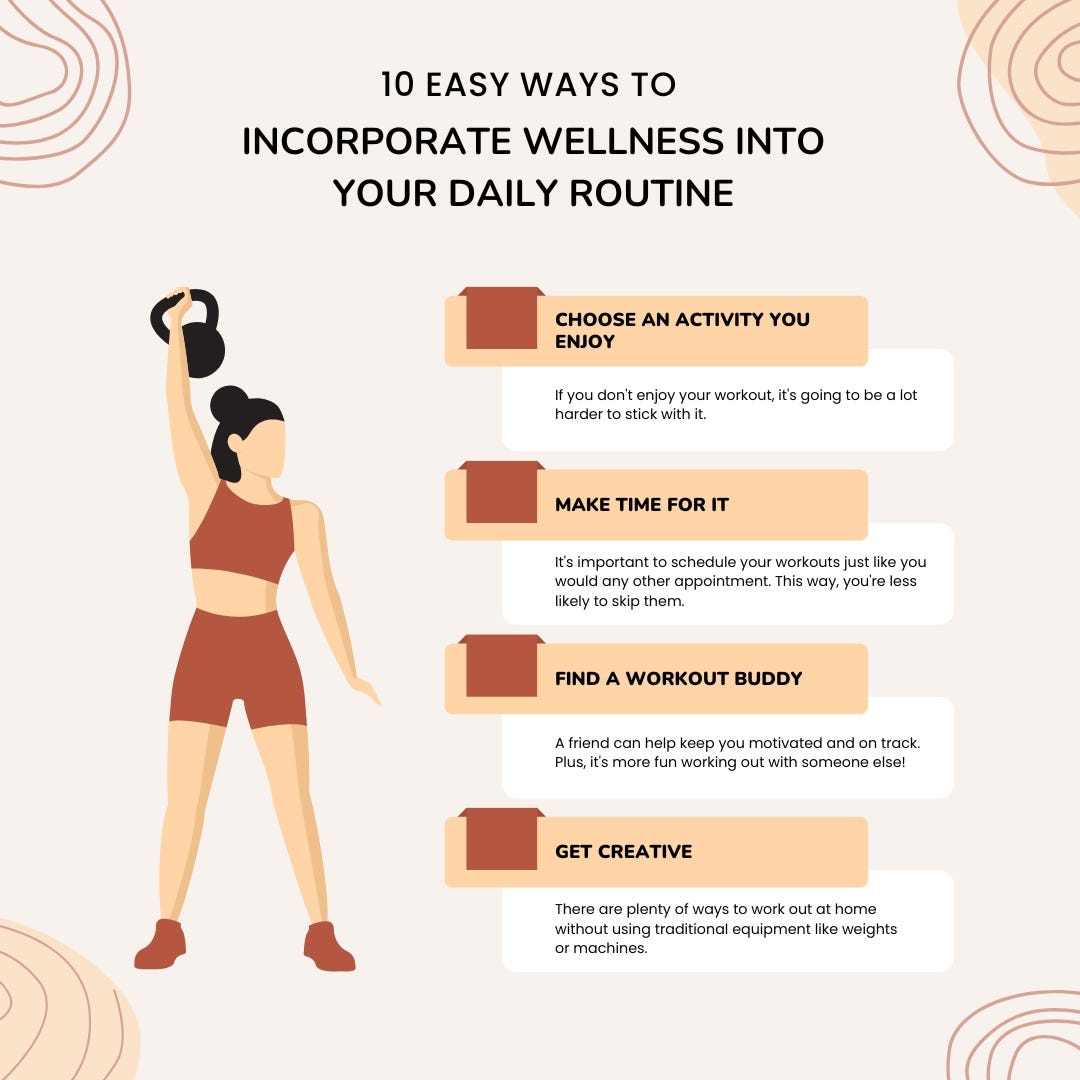
Credit: medium.com
Benefits Of Regular Workouts
Regular workouts bring many benefits to your life. They improve your body, mind, and energy. Exercising often helps you feel stronger, happier, and more active. Understanding these benefits can motivate you to find time for fitness every day.
Physical Health Improvements
Exercise strengthens your muscles and bones. It helps control weight and lowers the risk of diseases like diabetes and heart problems. Regular activity improves your balance and flexibility. It also boosts your immune system, helping you stay well.
Mental Health Boosts
Working out reduces stress and anxiety. It releases feel-good chemicals that brighten your mood. Exercise can improve your sleep quality and focus. It helps fight depression and makes you feel more confident.
Increased Energy Levels
Physical activity boosts your stamina and reduces tiredness. It improves blood flow, giving your body more oxygen. You will feel more alert and ready to face the day. Regular exercise helps you stay active longer without feeling worn out.
Common Barriers To Exercising
Finding time to work out often feels like a battle against invisible walls. These walls—common barriers—stop many from lacing up their shoes or hitting the gym. Understanding these obstacles is the first step to breaking them down and making exercise a regular part of your life.
Time Constraints
Busy schedules leave little room for exercise. Work, family, and errands fill your day, squeezing out moments for a workout. But is it really about having no time, or about how you choose to spend it?
Try tracking your daily activities for a few days. You might find pockets of time you didn’t expect—like waiting for a meeting to start or during TV commercials. Could 10 to 15 minutes of movement fit there?
Lack Of Motivation
Motivation often fades faster than enthusiasm. You might start with great energy but lose steam quickly. What if you didn’t rely solely on motivation but instead built habits that don’t depend on feeling motivated?
Setting small, clear goals can help. Celebrate tiny wins like doing a few stretches or a short walk. What’s one small action you can take today that feels doable?
Fatigue And Stress
Feeling tired or stressed can make exercise seem like the last thing you want to do. Yet, physical activity can actually reduce stress and boost energy. How often do you let fatigue stop you before seeing its true effect?
Start with gentle exercises like stretching or yoga on tough days. Even a few minutes can shift your mood and energy. What if your workout became your go-to stress relief instead of another task on your list?
Effective Time Management Strategies
Finding time to work out often feels like fitting a puzzle piece into an already packed day. Effective time management strategies help you carve out that essential slot for exercise without overwhelming your schedule. These approaches focus on making workouts a priority and treating them with the same importance as any other commitment.
Prioritizing Workouts
Decide that your workout is non-negotiable. When you treat exercise as a priority, you naturally start to protect that time from distractions and less important tasks. Ask yourself: what part of your day can you dedicate to your health? Even short sessions count when you make them a deliberate focus.
Reflect on your daily activities and identify moments that tend to get wasted—like scrolling through social media or watching TV. Redirect just 20-30 minutes from those habits to exercise. This simple swap highlights how prioritizing workouts can fit seamlessly into your lifestyle.
Scheduling Exercise Like Appointments
Block out workout time on your calendar just like you would for a meeting or doctor’s appointment. This mindset shift helps you take exercise seriously and reduces the chance of skipping it. Use calendar reminders to keep you accountable and prevent last-minute cancellations.
Try to schedule exercise during your natural energy peaks. For example, if you feel most alert in the morning, reserve that slot for workouts. This approach makes your sessions feel less like a chore and more like a boost to your day.
Using Time Blocks
Divide your day into chunks or time blocks dedicated to specific tasks, including exercise. This technique makes your day predictable and easier to manage. For instance, set aside a 30-minute block after work for a quick run or home workout.
Combine time blocking with task batching to increase productivity. Group similar tasks together so you free up larger sections of your day for exercise. Have you noticed how much more you can get done when you focus on one thing at a time?

Credit: www.threads.com
Quick Workouts For Busy Days
Finding time to exercise on busy days can feel impossible. Quick workouts offer a practical solution. They fit into tight schedules and still boost fitness. These short sessions focus on intensity and efficiency. Even 10 minutes can improve your health and mood.
High-intensity Interval Training (hiit)
HIIT blends short bursts of intense activity with rest periods. It burns calories fast and improves endurance. You can do HIIT anywhere—home, park, or office.
- Jumping jacks for 30 seconds
- Rest for 15 seconds
- Sprint in place for 30 seconds
- Rest for 15 seconds
- Repeat 3-5 times
This method boosts metabolism and builds strength quickly.
Bodyweight Exercises
Bodyweight workouts use your own weight as resistance. No equipment needed. They improve muscle tone and flexibility.
- Push-ups
- Squats
- Planks
- Lunges
- Crunches
Combine these moves in a circuit to maximize benefits. Each exercise takes less than a minute. Perfect for short breaks during the day.
Mini Workout Sessions
Mini sessions break your workout into small chunks. Do 5-10 minutes multiple times a day. This keeps energy high and stress low.
- Morning stretch routine
- Midday walk or stair climb
- Evening yoga or light strength training
Short bursts add up. They improve circulation and focus. Easy to fit into any busy schedule.
Incorporating Movement Into Daily Routine
Finding time to exercise feels hard for many people. Small changes throughout the day can help. Moving more during daily activities adds up fast. It improves fitness without needing extra workout time.
Simple habits make a big difference. Choose ways to stay active while doing normal tasks. Your body and mind will thank you.
Active Commuting
Walk or bike to work if possible. It adds physical activity without extra time. Try parking farther away or getting off the bus early. These steps help increase daily movement easily.
Desk Exercises
Stretch and move while sitting at your desk. Simple leg lifts, shoulder rolls, or seated twists keep muscles active. Set a timer to remind yourself every hour. These short breaks reduce stiffness and boost energy.
Taking The Stairs
Skip the elevator and use stairs instead. Climbing stairs is a great way to strengthen legs and burn calories. It fits well into daily routines like going to meetings or lunch. Small choices like this build better fitness over time.

Credit: www.aol.com
Leveraging Technology And Tools
Technology offers many tools to help fit workouts into busy days. These tools make exercise easier to plan and track. They help stay motivated and organized.
Using technology can turn small moments into workout opportunities. It also helps set clear fitness goals. Here are some useful types of technology for finding workout time.
Fitness Apps
Fitness apps provide guided workouts for all levels. They offer exercise plans based on time available and goals. Many apps send reminders to keep users on track.
- Choose apps with short, effective routines.
- Track progress and calories burned.
- Use features like workout timers and video demonstrations.
Wearable Devices
Wearables track activity all day long. They measure steps, heart rate, and calories burned. This data helps adjust workouts for better results.
- Set daily movement goals and alerts.
- Monitor sleep and recovery to improve performance.
- Sync data with apps for detailed reports.
Online Workout Programs
Online programs offer flexibility to exercise anytime. They include videos, live classes, and community support. Users can pick workouts that fit their schedule.
- Access workouts from home or on the go.
- Join challenges to stay motivated.
- Find programs for strength, cardio, yoga, and more.
Staying Motivated Amid Busy Schedules
Finding time to work out is tough with a busy schedule. Staying motivated becomes key to keeping your routine alive. Focus and small wins help maintain energy for exercise.
Motivation does not need to be perfect. It grows by setting clear targets, watching progress, and celebrating success. These simple steps keep you moving forward even on hectic days.
Setting Realistic Goals
Set goals that fit your daily life. Short sessions work better than long, rare workouts. Aim for achievable targets like 10-minute walks or quick stretches. Realistic goals build confidence and create habits that last.
Tracking Progress
Keep a record of your workouts to see your growth. Use a notebook, app, or calendar. Mark each workout and note how you feel. Tracking progress shows your effort and keeps motivation strong.
Reward Systems
Reward yourself for sticking to your plan. Choose simple treats like a favorite snack or extra rest time. Small rewards make workouts enjoyable and encourage you to keep going. Celebrate every achievement, big or small.
Making Workouts Enjoyable
Finding time to work out becomes much easier when the activity is something you genuinely enjoy. Enjoyable workouts don’t feel like a chore, so you’re more likely to stick with them. Let’s look at ways to make your exercise routine something you look forward to every day.
Choosing Favorite Activities
Think about what moves you naturally. Do you love dancing, cycling, or maybe hiking? Picking exercises that match your interests turns workouts into a fun part of your day instead of a task.
For example, I used to dread running, but switching to Zumba classes made all the difference. The music and rhythm kept me engaged, and I didn’t even notice the time passing. What activity makes you lose track of time?
Exercising With Friends
Working out with friends adds a social element that keeps you motivated. You can encourage each other, share progress, and even turn exercise into a friendly competition. This makes showing up easier because you don’t want to let your buddy down.
Try joining a group class or scheduling regular workout sessions with someone you enjoy spending time with. You might find that the conversations and laughs make your workouts something you look forward to, not avoid.
Mixing Up Routines
Doing the same exercises every day can get boring fast. Changing your routine keeps things fresh and challenges different muscles. You can try alternating between swimming, yoga, and strength training throughout the week.
Adding variety also helps you discover new activities you like and prevents plateaus in your fitness progress. What new exercise could you try this week to shake things up?
Frequently Asked Questions
How Can I Fit Workouts Into A Busy Schedule?
Prioritize your day by scheduling short, effective workouts. Use early mornings or lunch breaks. Consistency matters more than duration.
What Are Quick Exercises For Limited Time?
Try high-intensity interval training (HIIT), bodyweight exercises, or brisk walking. These workouts burn calories fast and improve fitness quickly.
How To Stay Motivated To Exercise Regularly?
Set clear goals, track progress, and vary workouts. Find a workout buddy or join classes for accountability and fun.
Is Working Out Daily Necessary For Fitness?
No, exercising 3-5 times weekly is effective. Rest days help muscles recover and prevent burnout.
Conclusion
Finding time to workout is possible with small daily changes. Plan short sessions that fit your schedule. Use breaks wisely for quick exercises. Stay consistent even with little time. Your health will improve step by step. Keep your goals clear and stay motivated.
Remember, every bit of movement helps you feel better. Start today and enjoy the benefits soon.







