
Waking up early to exercise can feel like a real challenge. You might struggle to get out of bed, or wonder if it’s even worth the effort.
But what if you could find a simple way to boost your motivation every morning? Imagine starting your day with energy, confidence, and a clear mind—all before breakfast. You’ll discover easy and practical tips to help you build that morning exercise habit.
By the end, you’ll feel ready to take on your mornings like never before. Keep reading to unlock the secret to staying motivated and making morning workouts a natural part of your life.
Benefits Of Morning Exercise
Starting your day with exercise brings more than just physical benefits. It sets a positive tone that can carry you through the hours ahead. Understanding what morning workouts can do for your body and mind might just be the push you need to get moving early.
Boosting Energy Levels
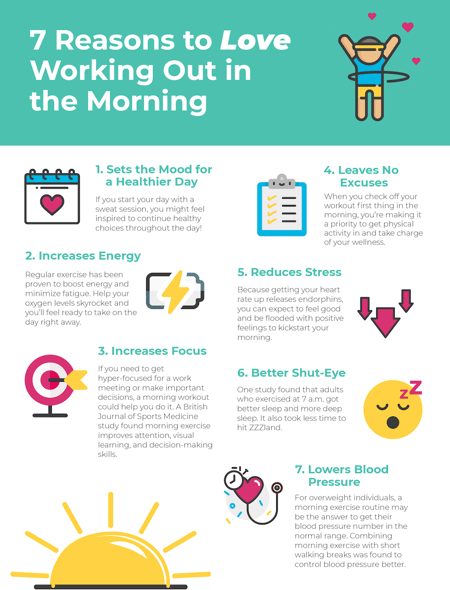
Morning exercise acts like a natural energy booster. It jump-starts your metabolism and increases blood flow, helping you feel more awake and ready. Instead of reaching for coffee, a quick workout can provide sustained energy throughout the day.
Have you noticed how some days you drag yourself through tasks, while others you fly through them? That difference often comes down to how you start your morning.
Enhancing Mental Focus
Exercise sharpens your brain by increasing oxygen supply and releasing neurotransmitters. This means better concentration and clearer thinking during work or study. You might find tasks that felt overwhelming become easier to handle after a morning workout.
Think about the last time you felt mentally foggy. Could a short walk or some stretching have helped clear your mind before jumping into work?
Improving Mood Throughout The Day
Physical activity triggers the release of endorphins, the body’s natural mood lifters. Starting your day this way helps reduce stress and anxiety levels, keeping you calmer and more positive. Even on tough days, that mood boost can make a noticeable difference in how you respond to challenges.
Imagine facing a busy schedule but feeling upbeat and ready rather than overwhelmed. Morning exercise can turn that into your reality.
Credit: www.lemon8-app.com
Common Motivation Challenges
Many people struggle with low energy or lack of interest in morning workouts. Finding small goals and creating a simple routine can help boost motivation. Consistency builds habit, making exercise feel easier over time.
Finding motivation for morning exercise can be challenging. Many people face obstacles that make it hard to get moving. Common challenges include morning fatigue, lack of time, and inconsistent sleep patterns. Understanding these hurdles can help in devising strategies to overcome them.Overcoming Morning Fatigue
Waking up tired can hinder exercise plans. To combat fatigue, start with a simple routine. Stretching or light yoga can awaken your muscles. Drink a glass of water as soon as you wake up. Hydration can boost your energy levels.Dealing With Lack Of Time
Busy mornings often leave little room for exercise. Prioritize your workout by setting a fixed schedule. A 10-minute workout is better than none. Try high-intensity interval training (HIIT) for a quick, effective session.Handling Inconsistent Sleep Patterns
Inconsistent sleep disrupts morning routines. Aim for a consistent bedtime to regulate your sleep cycle. Create a relaxing bedtime routine to improve sleep quality. Avoid screens and heavy meals before bed.Setting Realistic Goals
Setting realistic goals is essential to stay motivated for morning exercise. When your targets match your current fitness level and lifestyle, you’re more likely to keep going rather than giving up early. Realistic goals help you build confidence and create a positive habit without feeling overwhelmed.
Choosing Achievable Targets
Start by defining what success looks like for you. Instead of aiming to run five miles on your first morning out, set a goal to walk for 10 minutes or do a simple stretching routine. Small, achievable targets make mornings less intimidating and help you build momentum.
Think about your daily schedule and energy levels. If mornings are rushed, maybe a five-minute workout is your best starting point. Ask yourself: what can I realistically fit in without stress? Adjusting targets based on your real-life situation keeps exercise doable and enjoyable.
Tracking Progress Effectively
Keeping track of your progress gives you a clear picture of how far you’ve come. Use a simple journal, an app, or even a calendar where you mark each successful morning workout. Seeing consistent entries can boost your motivation and hold you accountable.
Be honest when tracking. If you miss a day, note it without guilt and focus on getting back on track. You might notice patterns, like which days you skip most, helping you adjust your goals or routine for better success.
Have you tried setting a measurable goal that surprised you with how much you could achieve? Tracking turns vague intentions into real achievements you can celebrate daily.
Creating A Morning Routine
Creating a morning routine can transform your approach to exercise. It sets the tone for your entire day and helps you build momentum. The key is to design a routine that feels natural and easy to stick with, not overwhelming.
Establishing Consistent Wake-up Times
Waking up at the same time every day trains your body clock. It makes getting out of bed easier, even when motivation is low. Try setting an alarm for a time that allows you at least 30 minutes before your workout.
Ask yourself: What time will give me enough space to move without rushing? Avoid hitting snooze by moving your alarm across the room. This small change forces you to get up and start your day.
Preparing Exercise Gear In Advance
Lay out your workout clothes and shoes the night before. Seeing your gear ready to go reduces excuses and decision fatigue in the morning. It’s easier to start when you don’t have to search for your items or think about what to wear.
Keep a dedicated spot for your gear, like a hook or a basket, so everything stays organized. Have you noticed how much simpler mornings become when you remove extra steps? Preparing in advance creates a smoother transition from sleep to sweat.
Incorporating Warm-up Activities
Starting with gentle warm-ups wakes your body up gradually. Simple stretches or light cardio like walking in place can help you avoid injury and improve performance. It also gives your brain a chance to switch into exercise mode.
Try a 5-minute routine that feels enjoyable, such as shoulder rolls or ankle circles. What small movement makes you feel more alert and ready? Warming up makes the jump into full exercise less intimidating and more inviting.
Incorporating Motivation Techniques
Incorporating motivation techniques can make morning exercise easier and more enjoyable. Small changes in mindset and routine boost energy and focus. These techniques help create a positive start to the day. Consistency becomes natural when motivation is built into the process.
Using Positive Affirmations
Positive affirmations shape your thoughts and boost confidence. Saying simple phrases like “I am strong” or “I can do this” helps overcome doubts. Repeat affirmations before and during exercise to stay motivated. This practice trains the brain to expect success and energy. Over time, positive words become a powerful mental tool.
Listening To Energizing Music
Music affects mood and energy levels instantly. Choose songs with fast beats and inspiring lyrics. Listening to energizing music while exercising increases stamina and focus. Create a playlist specifically for morning workouts. Music turns exercise into a fun and uplifting experience. It also distracts from tiredness or discomfort.
Finding A Workout Buddy
A workout buddy brings accountability and support. Exercising with someone else makes it harder to skip sessions. Buddies share goals and encourage each other to keep going. They make workouts more social and enjoyable. Meeting a friend early in the morning adds excitement and routine. A shared commitment strengthens motivation and progress.
Credit: info.totalwellnesshealth.com
Adapting To Setbacks
Setbacks happen to everyone trying to build a new habit. Missing a morning workout or feeling too tired can slow progress. Adapting to setbacks means accepting these moments without losing motivation. It helps keep the routine alive and prevents giving up completely.
Understanding that setbacks are normal makes it easier to stay on track. The key is to learn from each experience and adjust your approach. This mindset keeps motivation steady and makes morning exercise part of daily life.
Managing Missed Workouts
Missing a workout does not mean failure. It is a chance to rest and recharge. Avoid feeling guilty or discouraged. Instead, plan to resume exercise the next day or later in the week.
Use simple strategies like:
- Shorter sessions to ease back in
- Gentle stretching or walking if energy is low
- Setting a reminder for the next workout
This helps maintain consistency and rebuilds momentum without pressure.
Staying Flexible With Exercise Plans
Rigid plans can lead to frustration when life changes. Flexibility allows adapting workouts to fit different mornings and moods. Swap exercises or change times if needed.
Try these tips:
- Have backup workouts that require less time
- Mix indoor and outdoor activities
- Adjust intensity based on energy levels
Being flexible keeps exercise enjoyable and sustainable. It supports motivation even during busy or tough days.
Tracking And Celebrating Progress
Tracking and celebrating your progress can be a game-changer for staying motivated with morning exercise. Seeing tangible results keeps your energy high and your commitment strong. It also turns your fitness journey into a rewarding experience rather than a chore.
Using Fitness Apps
Fitness apps make tracking your workouts easy and fun. They log your exercise duration, calories burned, and even steps taken. Some apps offer daily reminders that nudge you to stay consistent.
Many apps provide visual progress charts. Watching your improvements over days or weeks can inspire you to push harder. You can also connect with friends for challenges, turning exercise into a social activity.
Have you tried setting small, measurable goals in an app? Even simple goals like “walk 5,000 steps before breakfast” can build momentum.
Rewarding Milestones
Celebrating milestones gives your brain a dopamine boost, making you want to keep going. Define clear milestones, like completing a week of morning workouts or increasing your jogging distance.
Rewards don’t have to be big. Treat yourself to something you enjoy—a favorite smoothie, a new workout playlist, or a relaxing bath. These small celebrations create positive associations with your exercise habit.
Think about how you feel after a good workout. Can you build on that feeling by linking it with a reward? This simple tactic can turn motivation into a habit that sticks.

Credit: www.youtube.com
Frequently Asked Questions
How Can I Stay Motivated For Morning Exercise Daily?
Set clear goals, prepare your workout clothes the night before, and start with short, enjoyable routines. Consistency builds habit and motivation over time.
What Are The Best Tips To Wake Up Early For Exercise?
Use an alarm, get enough sleep, and create a morning routine you look forward to. Avoid screens before bed to improve sleep quality.
How Does Morning Exercise Improve Mental Health?
Morning workouts boost endorphins, reduce stress, and enhance focus throughout the day. This creates a positive mindset and increases productivity.
What Are Easy Morning Exercises For Beginners?
Start with stretching, walking, or light yoga. These low-impact exercises increase energy and gradually build fitness without overwhelming your body.
Conclusion
Finding motivation for morning exercise starts with small, clear goals. A simple routine helps build good habits. Choose activities you enjoy to stay interested. Remember, every effort counts, even on tough days. Celebrate progress, no matter how small. Consistency brings energy and better mood throughout the day.
Keep your workout gear ready the night before. Focus on how exercise makes you feel, not just results. Morning exercise can become a natural part of life. Stay patient and kind to yourself along the way.







