
Feeling drained before or during your workout can be frustrating. You might wonder why your body feels tired even when you’re motivated to push through.
The truth is, workout fatigue isn’t just physical—it starts in your mind. If you want to unlock your full potential and keep your energy high, learning how to fight workout fatigue mentally is key. You’ll discover simple but powerful ways to boost your mental strength, stay focused, and push past the fatigue that holds you back.
Keep reading to transform your workouts and see real results.
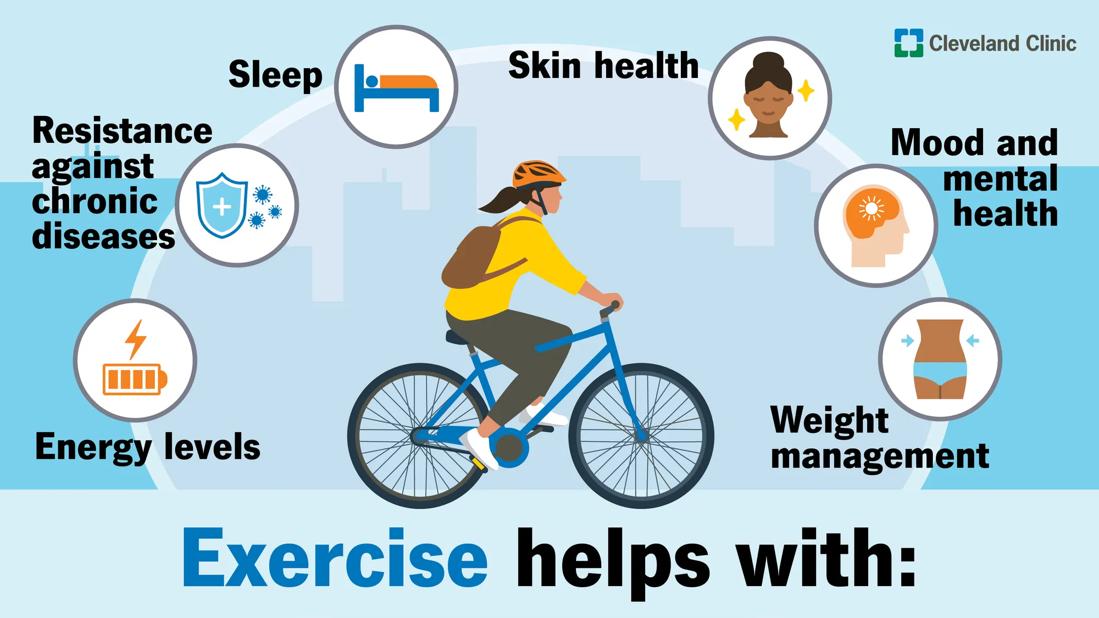
Credit: health.clevelandclinic.org
Causes Of Mental Workout Fatigue
Have you ever felt mentally drained after a workout, even when your body is physically capable of pushing further? Mental workout fatigue is a common experience that can hinder progress and motivation. Understanding the causes can help you tackle this challenge and maintain your fitness journey.
Stress And Overtraining
Stress isn’t just an emotional burden; it can also affect your workouts. When you’re overwhelmed with life responsibilities, your mind struggles to focus on exercise. Overtraining amplifies this effect, leaving you mentally exhausted and dreading the next session.
Consider the last time you pushed through consecutive days of intense training. Did you feel mentally refreshed or more like you were dragging your mind through mud? Balancing your workout schedule and stress management techniques can help keep mental fatigue at bay.
Lack Of Motivation
Lack of motivation can sneak up on you, especially if your routine becomes monotonous. Your brain craves variety and excitement, and a stale workout plan can sap your enthusiasm. Think about how invigorated you felt when you first started a new exercise regime. That same spark can be reignited by setting fresh goals or mixing up your workouts.
Ask yourself if your current routine is still aligned with what you enjoy. If not, it’s time to reassess and inject some fun into your fitness journey.
Poor Sleep Quality
Sleep isn’t just vital for physical recovery; it’s crucial for mental clarity. Poor sleep can leave your mind foggy and less resilient to the demands of a workout. Reflect on a night when you slept poorly and still tried to hit the gym. Did you feel sharp and focused, or were you mentally sluggish?
Improving your sleep hygiene could be the key to enhancing your mental energy. Establish a bedtime routine, minimize screen time, and create a restful environment to optimize your sleep quality.
Identifying the causes of mental workout fatigue empowers you to address them head-on. By making small adjustments, you can keep your mind as strong as your body during your fitness journey.
Mindset Techniques To Boost Focus
Fighting workout fatigue isn’t just about physical stamina; it’s also about sharpening your mind. When your focus is strong, your body follows with less resistance. Mental toughness can push you through those moments when your energy feels drained.
Setting Clear Goals
Clear goals give your mind a target to lock onto. Instead of wandering through your workout, you know exactly what you want to achieve. This clarity reduces mental fatigue by cutting out distractions.
Try breaking your workout into small, manageable objectives. For example, focus on completing each set with good form rather than rushing through your entire routine. This approach keeps your mind engaged and gives you a sense of progress.
Positive Self-talk
The way you talk to yourself during a workout shapes your focus and energy. Negative thoughts can drain your motivation quickly. Replace them with affirmations like “I’ve got this” or “One step closer to my goal.”
During a tough set, I remind myself, “Pain is temporary, but strength is lasting.” It shifts my mindset from fatigue to empowerment. What kind of phrases can you use to lift your spirits when you feel tired?
Visualization Strategies
Visualization trains your brain to succeed before you even start moving. Picture yourself completing your workout with energy and confidence. This mental rehearsal prepares your body to follow your focused mind.
Spend a minute before exercising imagining the sensations of strength and endurance. I find that imagining the finish line or the last rep helps me push harder. How clear is your mental image of success during workouts?
Mental Exercises For Endurance
Building mental endurance is just as important as physical stamina when facing workout fatigue. Mental exercises help you push through those moments when your body feels like giving up. They sharpen your focus, reduce stress, and keep your motivation steady.
Mindfulness Meditation
Mindfulness meditation trains your brain to stay present, reducing distractions and negative thoughts during tough workouts. Even a few minutes a day can improve your ability to concentrate on your breathing and movement. Have you noticed how staying focused on one thing can make physical discomfort feel less overwhelming?
Try sitting quietly and paying attention to your breath, noticing how it flows in and out without trying to change it. This simple practice can build your mental resilience, helping you stay calm and clear-headed during intense exercise.
Breathing Techniques
Controlled breathing can change how your body and mind respond to fatigue. Techniques like box breathing—inhale for 4 seconds, hold for 4, exhale for 4, hold for 4—help regulate your heart rate and reduce stress. Have you ever felt your breath quicken during a workout and noticed your energy drop?
Slowing your breath brings oxygen to your muscles and calms your nervous system. Practicing deep, rhythmic breathing before and during exercise can keep your mind sharp and your body energized.
Progressive Muscle Relaxation
This technique involves tensing and then relaxing different muscle groups to release physical tension and mental stress. It can help you become more aware of where you hold fatigue in your body. Have you ever felt tightness in your shoulders or jaw during a workout and wondered if it was making you more tired?
By consciously relaxing these areas, you reduce mental clutter and improve your endurance. Try this after a workout or during breaks to reset your mental state and prepare for the next effort.

Credit: www.healthians.com
Nutrition And Hydration For Mental Energy
Feeling mentally drained during or after your workouts can be frustrating. Your brain needs the right fuel and enough water to keep sharp and focused. Paying attention to nutrition and hydration can help you push through mental fatigue and stay motivated.
Brain-boosting Foods
Certain foods directly support your brain’s energy and focus. Fatty fish like salmon provide omega-3s that improve memory and mood. Blueberries are rich in antioxidants that protect brain cells and boost concentration.
Don’t forget whole grains such as oats and brown rice; they release glucose slowly, keeping your mind energized longer. Nuts and seeds offer vitamin E, which helps prevent cognitive decline. Adding a mix of these to your meals can make a noticeable difference in how alert you feel during workouts.
Importance Of Hydration
Even mild dehydration can cause difficulty concentrating and increase feelings of fatigue. Drinking water before, during, and after exercise keeps your brain hydrated and functioning well. If you don’t like plain water, try herbal teas or water infused with lemon or cucumber.
Tracking your water intake daily can reveal if you’re consistently under-hydrated. Remember, thirst often lags behind your actual hydration needs, so sip regularly. Staying hydrated also helps regulate your body temperature and supports overall endurance.
Supplements To Consider
Sometimes, your diet might not cover all mental energy needs. Supplements like B vitamins are crucial for brain function and energy production. Magnesium can reduce feelings of tiredness and improve sleep quality, which affects mental sharpness.
Caffeine in moderate amounts can enhance alertness, but avoid overdoing it to prevent crashes later. Before trying any supplement, consider your current diet and consult a healthcare professional to ensure safety and effectiveness.
Rest And Recovery Practices
Rest and recovery practices are essential to fight workout fatigue mentally. They help your brain and body recharge. Without proper rest, your motivation and focus can drop. Recovery allows your muscles and mind to heal. This leads to better performance and less burnout.
Sleep Hygiene Tips
Good sleep is the foundation of mental recovery. Follow a regular sleep schedule. Go to bed and wake up at the same time daily. Create a calm and dark sleep environment. Avoid screens and bright lights an hour before bed. Limit caffeine and heavy meals late in the day. Try relaxation techniques like deep breathing or light stretching before sleep.
Active Recovery Methods
Active recovery involves gentle exercise that helps your body heal. Choose low-intensity activities such as walking, swimming, or yoga. These exercises increase blood flow and reduce muscle stiffness. Avoid high-impact or strenuous workouts during recovery days. Active recovery also improves mood and mental clarity. It keeps you moving without overloading your system.
Balancing Workouts And Rest
Balancing workouts and rest prevents mental and physical fatigue. Plan workout days with rest or light activity days in between. Listen to your body’s signals and avoid pushing through exhaustion. Include rest days in your weekly routine. Use rest to reflect on your progress and set new goals. This balance keeps your mind fresh and motivated.
Using Technology To Enhance Focus
Technology offers powerful tools to help you stay mentally sharp during workouts. It can guide your focus, track your energy levels, and even shape the mood you need to push through fatigue. Using the right tech can make a big difference in how you manage tiredness and keep your mind engaged.
Apps For Meditation And Focus
Meditation apps like Headspace and Calm help you clear your mind before and after exercise. Just five minutes of guided breathing can reduce stress and sharpen your mental clarity. Have you tried using an app to reset your focus during a tough workout?
Some apps also offer focus timers based on the Pomodoro technique, breaking your workout into manageable chunks. This keeps your brain from wandering and makes fatigue feel less overwhelming. You can customize session lengths to match your routine and goals.
Wearables To Track Fatigue
Wearables such as Fitbit, Garmin, or WHOOP track your heart rate variability and sleep quality, giving insights into your recovery. These metrics reveal if your body is ready for intense exercise or if you need rest. Paying attention to these signs helps you avoid burnout and stay mentally prepared.
Many wearables offer real-time alerts when your fatigue levels rise, prompting you to adjust intensity or take breaks. This feedback loop trains you to listen to your body’s signals, improving both physical and mental endurance. What if your watch could tell you when to slow down before you feel drained?
Music And Audio Tools
Music apps and audio tools can power your focus by syncing beats to your workout pace. Platforms like Spotify and Apple Music offer curated playlists designed to boost energy and motivation. Have you noticed how certain songs keep you moving even when your mind wants to quit?
Noise-canceling headphones block distractions, letting you immerse fully in your workout. You can also experiment with binaural beats, which some users find helpful to enhance concentration and reduce mental fatigue. Try different sounds to see what keeps your brain engaged the longest.
Building Long-term Mental Resilience
Building long-term mental resilience is key to overcoming workout fatigue. It’s not just about pushing through tough days but creating a mindset that helps you stay motivated over months and years. Mental strength grows with habits that support your goals and keep you engaged, even when energy dips.
Consistent Routine Habits
Consistency forms the backbone of mental resilience. When you set a regular workout schedule, your mind adapts to expect exercise as part of your day.
Try to exercise at the same time daily. This predictability reduces decision fatigue and helps you avoid skipping sessions.
Adding small rituals before workouts—like preparing your gear or a quick warm-up—signals your brain that it’s time to focus. Have you noticed how routines make tough workouts feel more manageable?
Tracking Progress And Adjustments
Tracking your progress keeps your mind engaged and motivated. Seeing improvements, no matter how small, reinforces your commitment.
Use a simple journal or app to log workouts, energy levels, and mood. This data helps you recognize patterns and adjust your routine when fatigue strikes.
Adjustments could mean swapping high-intensity days for lighter workouts or changing workout types to keep your mind interested. What changes have you made that helped you bounce back mentally?
Seeking Support And Accountability
Having someone to share your fitness journey with can strengthen mental resilience. Accountability partners provide encouragement and keep you honest on days when motivation is low.
Whether it’s a workout buddy, coach, or online community, support systems help you push through mental barriers.
Don’t hesitate to ask for help or join groups where members share similar goals. How might reaching out change your approach to workout fatigue?

Credit: www.youtube.com
Frequently Asked Questions
How Can I Mentally Overcome Workout Fatigue?
Mentally overcoming workout fatigue involves positive self-talk and setting small goals. Focus on your progress and remind yourself why you started. Practicing mindfulness and visualization can boost motivation and reduce mental exhaustion during exercise sessions.
What Mental Techniques Reduce Workout Tiredness?
Techniques like deep breathing, meditation, and visualization help reduce workout tiredness. They improve focus, calm the mind, and increase endurance. Using these methods regularly can enhance mental resilience and make workouts feel less draining.
Why Does Mental Fatigue Affect Physical Workouts?
Mental fatigue lowers motivation and focus, making workouts feel harder. It disrupts your ability to push through challenges. Managing stress and getting enough rest helps improve both mental and physical performance during exercise.
How Important Is Mindset For Fighting Workout Fatigue?
Mindset is crucial for combating workout fatigue. A positive mindset increases endurance and reduces perceived effort. Staying motivated and confident helps you push past mental barriers and complete your workout effectively.
Conclusion
Fighting workout fatigue starts with a strong mind. Small changes build big strength over time. Focus on positive thoughts and stay patient. Rest and good sleep help your brain and body heal. Set clear goals to keep your motivation alive.
Remember, mental toughness grows with each workout. Stay consistent, and you will see progress. Keep your mind sharp to enjoy every session. You have the power to push through tiredness. Keep going, one step at a time.







