
Are you tired of skipping workouts because you can’t get to the gym? What if you could turn a small corner of your home into a space that motivates you to move every day?
Creating your own workout space at home isn’t as hard as you think. With a few simple steps, you can build a place that feels just right for your fitness goals. Keep reading, and you’ll discover easy ways to design a spot that keeps you energized, focused, and ready to crush every workout.
Your fitness journey starts right where you are—let’s make that space work for you.
Credit: www.hgtv.com
Choose The Right Spot
Choosing the right spot for your home workout space sets the foundation for consistency and motivation. It’s not just about finding an empty area; you want a place that feels inviting and supports your exercise routine. Think about how the space makes you feel and how practical it is for your workouts.
Utilize Corners And Nooks
Empty corners or small nooks often go unnoticed but can be perfect for a workout spot. These areas can hold a yoga mat, dumbbells, or resistance bands without taking up much room.
Using a corner keeps your workout zone separate from your living space. This separation helps your mind switch into exercise mode faster. Have you checked if your living room corner can double as your fitness corner?
Consider Lighting And Ventilation
Natural light boosts energy and lifts your mood during workouts. If you can, pick a spot near a window to enjoy daylight while you exercise.
Good airflow is just as important. A stuffy room can make workouts uncomfortable and reduce your stamina. Open windows or a small fan can make a big difference in keeping you fresh and motivated.
Assess Noise Levels
Think about the noise around your chosen spot. Is it quiet enough to focus, or will distractions pull you away from your routine?
If you live with others, find a place where your workout won’t disturb anyone. On the flip side, if you thrive on energetic music, make sure your space supports your sound system without complaints from neighbors.

Credit: www.hgtv.com
Select Compact Equipment
Choose compact workout gear to save room and stay active at home. Small machines and foldable weights fit easily in tight spaces. This keeps your exercise area neat and inviting.
Creating a workout space at home is a smart way to ensure you stay active and healthy without the need for a gym membership. One key aspect of designing this space is choosing compact equipment. This allows you to maximize your home’s space while ensuring you have everything you need for a comprehensive workout. Choosing the right equipment can make all the difference in maintaining a consistent fitness routine.Foldable And Multi-purpose Gear
Investing in foldable and multi-purpose gear is a game-changer for your home workout space. Equipment like foldable benches and adjustable dumbbells can be easily stored away when not in use, freeing up valuable space. A personal story: I once crammed a treadmill into my tiny apartment, only to realize a foldable exercise bike could offer the same cardio benefits without taking over my living room.Resistance Bands And Dumbbells
Resistance bands and dumbbells are essential for strength training at home. They are incredibly versatile, allowing you to target every muscle group. Imagine performing squats, lunges, and bicep curls all with just a few pieces of equipment. Plus, they’re easy to store and transport, making them perfect for small spaces. Have you ever tried a resistance band workout? It’s surprisingly challenging and effective!Yoga Mats And Balance Balls
A yoga mat is more than just a place for stretching; it’s a foundation for various exercises. Whether you’re doing yoga, Pilates, or core workouts, a quality mat provides comfort and stability. Balance balls, on the other hand, are excellent for improving your core strength and posture. They’re also fun to use! Picture yourself doing seated exercises while watching your favorite show, making workouts something to look forward to. Choosing the right compact equipment is not just about saving space. It’s about making your workout space inviting and functional. What compact equipment will you choose to transform your home into a fitness haven?Optimize Storage Solutions
Optimizing storage in your home workout space keeps the area tidy and functional. Proper storage helps you find equipment quickly. It also makes your workout spot feel larger and more inviting. Smart storage solutions maximize space without clutter. This creates a safer and more enjoyable exercise zone.
Wall-mounted Racks
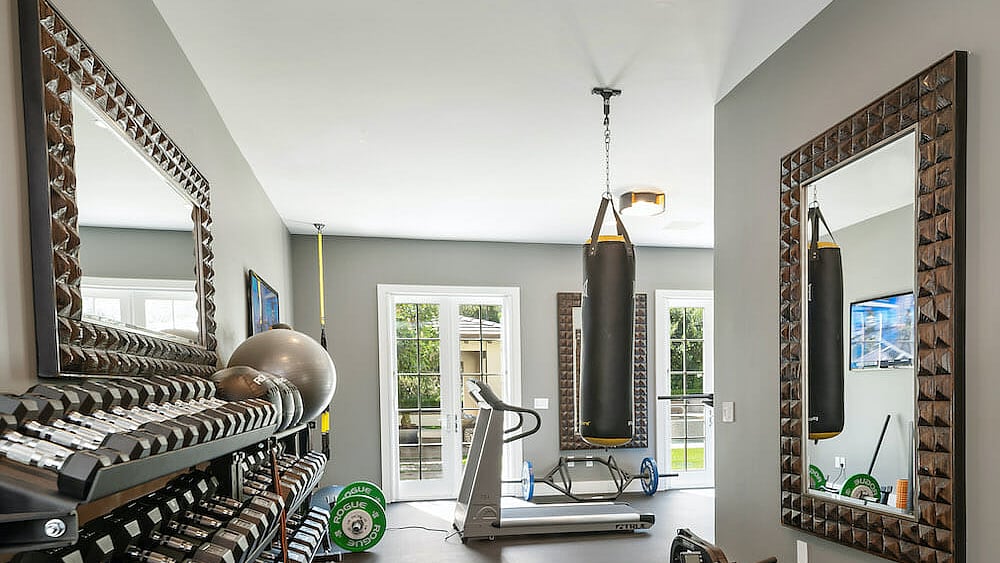
Wall-mounted racks save floor space by holding items off the ground. Use them for dumbbells, resistance bands, or yoga mats. These racks keep equipment visible and easy to grab. Installing racks on sturdy walls ensures safety. Choose adjustable racks for different gear sizes.
Under-furniture Storage
Utilize the space under furniture for storing smaller workout items. Boxes or bins fit well under benches or beds. Store jump ropes, weights, or towels here. This keeps gear out of sight but within reach. Clear bins help you spot items without opening them.
Use Vertical Space
Vertical space offers extra room for storage. Mount shelves high to hold larger items like kettlebells. Hooks can hang jump ropes or bags. Tall storage units help organize and separate gear. Keeping gear vertical clears the floor for workouts.
Design For Motivation
Designing your workout space with motivation in mind can transform your exercise routine. The right environment pushes you to keep going, even on days when energy is low. Creating a space that energizes and inspires you helps build consistency and enjoyment in your workouts.
Incorporate Inspiring Decor
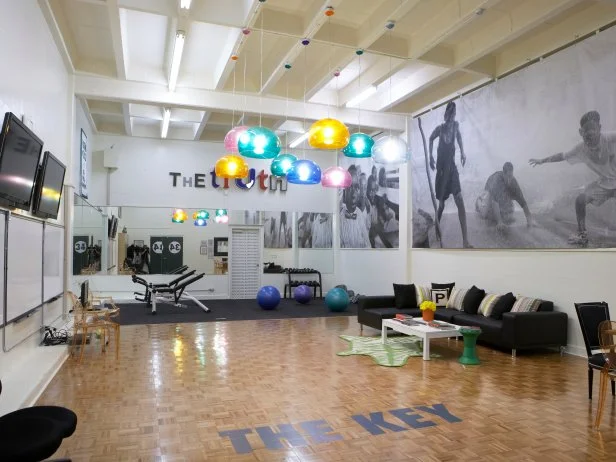
Adding decor that uplifts your mood makes a big difference. Choose colors that make you feel energized, such as bright blues or greens. Hang motivational quotes or photos that remind you of your goals.
Think about including plants or natural elements to bring freshness into your workout area. These small touches can improve your mindset and help you stay focused. Have you noticed how a simple poster can make you want to push harder?
Create A Dedicated Workout Zone
Set aside a specific spot just for exercise, no matter how small it is. This separation trains your brain to associate that area with physical activity. Clear clutter and keep only your workout gear there to reduce distractions.
Use storage solutions like shelves or baskets to organize your equipment. This keeps your space tidy and ready for action. Would you feel more motivated if your workout spot was always clean and inviting?
Use Mirrors To Enhance Space
Mirrors do more than show your form—they make your space feel larger and brighter. Position a mirror where you can see yourself during workouts to check posture and technique. This visual feedback can boost your confidence and performance.
Even a small mirror can create an illusion of openness in a tight space. Have you tried exercising in front of a mirror and noticed how it keeps you more engaged?
Maintain Safety And Comfort
Creating a workout space at home is more than just setting up equipment. You need to focus on safety and comfort to keep yourself motivated and injury-free. A well-thought-out area encourages consistent exercise and makes your workouts more enjoyable.
Ensure Proper Flooring
Choosing the right flooring is crucial to protect your joints and prevent slips. Rubber mats or foam tiles provide cushioning and absorb shock during high-impact exercises. Avoid hard surfaces like bare concrete that can cause discomfort or injuries over time.
If you use weights, pick flooring that can handle heavy impact without damage. Think about how often you’ll clean the area—floors that are easy to wipe down help maintain hygiene. Have you checked if your current floor supports your workout style?
Keep Area Clutter-free
A cluttered space increases the risk of tripping or knocking over equipment. Clear out anything unnecessary and keep only the essentials within reach. Use shelves or storage bins to organize small items like resistance bands or dumbbells.
Creating a clean environment helps your mind focus on the workout instead of distractions. Try to leave enough room to move freely in all directions. What could you remove from your workout space today to make it safer?
Manage Temperature And Airflow
Comfort during exercise depends a lot on the room’s temperature and airflow. A stuffy or overly hot space can make workouts tiring and uncomfortable. Open windows or use fans to keep air circulating and maintain a pleasant temperature.
If you don’t have natural ventilation, consider a portable air conditioner or heater to adjust the climate. Remember, a cool and fresh environment can boost your energy and help you push through tough sets. How does your workout area feel after 10 minutes of exercise?
Credit: www.indulgexpress.com
Plan Your Workout Routine
Planning your workout routine is the foundation of creating an effective home exercise space. It ensures you make the best use of your available area and keeps you motivated. A well-thought-out plan can help you stay consistent, avoid burnout, and see real progress.
Space-friendly Exercise Choices
Choose exercises that fit your available space. Bodyweight workouts like squats, lunges, push-ups, and planks require little room but deliver great results.
Resistance bands and small dumbbells are excellent tools that don’t take up much space. You can easily store them in a drawer and pull them out when it’s workout time.
Think about vertical movements too. Wall-mounted pull-up bars or suspension trainers can add variety without crowding your floor area.
Time-efficient Sessions
Your home workout should fit into your daily schedule without stress. Short, intense sessions often work better than long, drawn-out routines.
Try circuit training where you move quickly between exercises with minimal rest. This saves time and boosts calorie burn.
Set a timer for 20-30 minutes and focus fully during that period. You’ll find quality beats quantity when you’re consistent.
Incorporate Flexibility And Cardio
Don’t forget to add flexibility and cardio to your routine. Stretching improves your range of motion and reduces injury risk.
Cardio can be as simple as jumping jacks, jogging in place, or following an online dance workout. These activities raise your heart rate and boost energy.
Mixing strength, cardio, and flexibility keeps your routine balanced and interesting. How do you feel when you skip one of these elements?
Frequently Asked Questions
How Much Space Do I Need For A Home Workout Area?
A minimum of 25 to 50 square feet is ideal for a home workout space. This allows enough room for basic exercises and equipment, ensuring comfort and safety during workouts.
What Equipment Is Essential For A Home Gym?
Start with basics like a yoga mat, dumbbells, resistance bands, and a stability ball. These items cover strength, flexibility, and cardio workouts efficiently in limited space.
How Can I Keep My Home Workout Space Organized?
Use storage solutions like shelves, bins, and hooks to keep equipment tidy. Regularly declutter and clean the area to maintain a motivating workout environment.
How Do I Choose The Best Location For My Workout Space?
Select a quiet, well-ventilated area with good natural light. Avoid high-traffic zones to minimize distractions and maximize focus during exercise.
Conclusion
Creating a workout space at home brings many benefits. It saves time and lets you exercise anytime. Choose a quiet spot with enough room to move. Add simple equipment like mats or weights for variety. Keep the area clean and organized to stay motivated.
Small changes make a big difference in your routine. Start with what you have and build from there. Enjoy your workouts and stay healthy every day.







