
Creating a home gym might sound like a big task, but it doesn’t have to be. Imagine having a space where you can work out anytime you want, without waiting for machines or dealing with crowded gyms.
You can save time, stay motivated, and build the body you want—all from the comfort of your home. You’ll discover simple steps to set up your perfect workout space, no matter your budget or space. Ready to take control of your fitness and create a home gym that works for you?
Let’s get started!
Choosing The Right Space
Choosing the right space for your home gym is a crucial step that shapes your workout experience. The spot you pick should motivate you to exercise regularly and accommodate your equipment comfortably. Think about how the space fits your fitness routine and lifestyle before making the final choice.
Assessing Available Areas
Start by listing all possible spots in your home that could work. This could be a spare bedroom, basement corner, garage, or even a section of your living room. Measure the space to understand what equipment can fit without crowding.
Consider the floor type and noise levels. Hardwood or laminate floors might need mats to protect both your floor and joints. If noise could bother others, a room with a door or soundproofing options is better.
Maximizing Small Spaces
Small spaces don’t have to limit your workout options. Use vertical storage like wall-mounted racks or shelves to hold weights and accessories. Foldable or compact equipment can save significant space.
Think about multifunctional gear such as adjustable dumbbells or resistance bands. These take up less room but offer varied workouts. Can you visualize a small corner turning into a powerful fitness zone?
Ensuring Proper Ventilation And Lighting
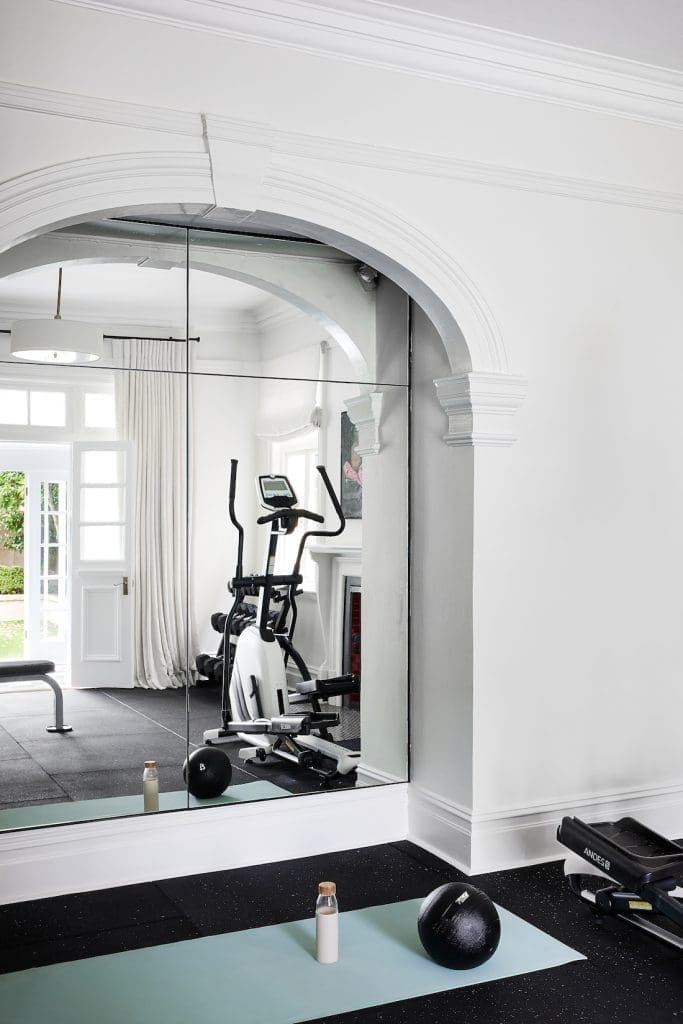
A well-ventilated area keeps fresh air flowing, which helps you stay energized during workouts. Rooms with windows are ideal because you can open them for airflow. If windows aren’t an option, consider installing a fan or air purifier.
Lighting affects your mood and safety. Natural light boosts energy, so pick a spot with good sunlight if possible. For darker areas, use bright LED lights that simulate daylight to keep you alert and focused.
Credit: stylecurator.com.au
Essential Equipment Selection
Choosing the right equipment saves space and fits your workout needs. Focus on versatile items like dumbbells, resistance bands, and a yoga mat. Select durable gear that matches your fitness goals and budget.
Creating a home gym involves thoughtful planning, especially when choosing equipment. Selecting the right gear is crucial for effective workouts. Your equipment should fit your fitness goals, budget, and available space. Let’s explore the essential equipment you need to build a functional home gym.Cardio Machines
Cardio machines are vital for heart health and endurance. Treadmills are popular for walking and running indoors. They help burn calories effectively. Stationary bikes offer a low-impact alternative. They’re excellent for those with joint concerns. Elliptical trainers combine the benefits of both. They provide a full-body workout without impact.Strength Training Gear
Strength training builds muscle and boosts metabolism. Dumbbells are versatile and suitable for various exercises. Adjustable dumbbells save space and offer different weights. Resistance bands are compact and useful for muscle toning. They add variety and challenge to workouts. Barbells and weight plates are great for serious lifters. They allow for progressive strength training.Flexibility And Recovery Tools
Flexibility tools improve range of motion and prevent injuries. Yoga mats provide comfort for stretching exercises. Foam rollers help release muscle tension. They’re beneficial for post-workout recovery. Stretching bands enhance flexibility routines. They assist in deeper stretches and muscle elongation. Massage balls target specific muscle knots. They offer relief for sore muscles.Budget-friendly Gym Setup
Setting up a home gym doesn’t have to drain your wallet. You can build an effective workout space without splurging on every piece of equipment. Focus on smart choices that bring the best value and meet your fitness goals.
Prioritizing Equipment
Start by identifying the types of workouts you enjoy most. If you love strength training, prioritize dumbbells or resistance bands over expensive machines. For cardio, a jump rope or a basic stationary bike can deliver great results without high costs.
Think about versatility. Equipment like kettlebells or adjustable weights lets you do multiple exercises in one spot. This saves space and money while giving you plenty of workout options.
Diy Options
Don’t overlook the power of DIY gym gear. For instance, you can create your own sandbag weights using old duffel bags and sand or rice. A sturdy chair can double as a bench for step-ups or tricep dips.
Sometimes, simple fixes make a big difference. Try using a towel as a slider for core exercises or crafting resistance bands from old bike inner tubes. These creative solutions prove you don’t need fancy equipment to get a solid workout.
Finding Deals And Discounts
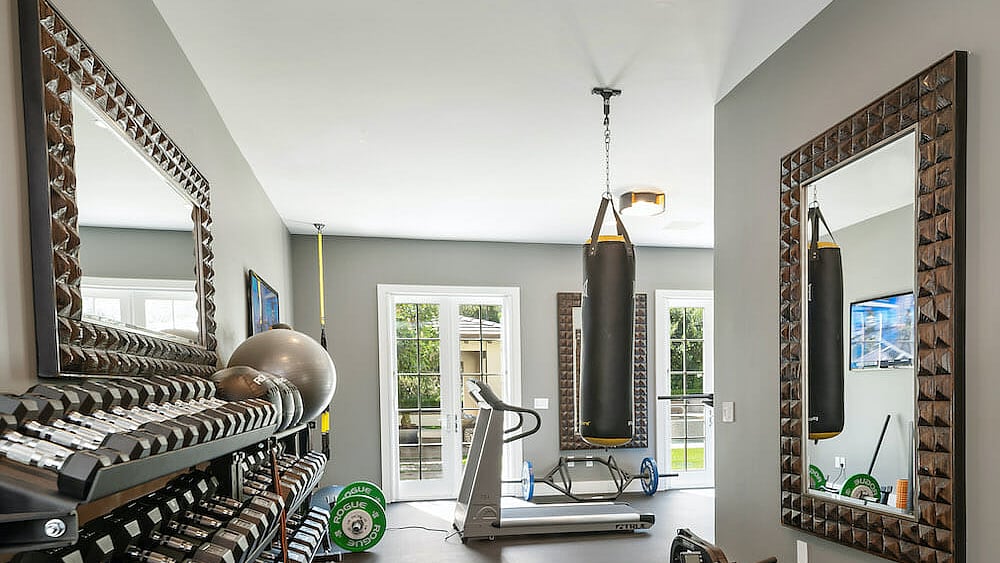
Look beyond typical sports stores. Check online marketplaces, thrift shops, and community groups for gently used gear. You might find a high-quality treadmill or weight set for a fraction of the original price.
Seasonal sales and clearance events can also save you a bundle. Sign up for newsletters from fitness retailers to get alerts on discounts. Remember, patience pays off when hunting for the perfect bargain.
Credit: www.indulgexpress.com
Designing For Motivation
Designing your home gym with motivation in mind can transform your workout routine from a chore into something you genuinely look forward to. The environment you create influences how often you use your space and how energized you feel during exercise. Paying attention to details like colors, entertainment, and progress tracking can make all the difference.
Color And Decor Choices
Choose colors that energize you. Bright colors like red, orange, or yellow can boost your energy levels, while softer tones like blue or green promote calm and focus. Think about how certain colors make you feel and pick shades that push you to move.
Decorate with items that inspire you—posters of athletes, motivational quotes, or even plants. Adding personal touches creates a space that feels inviting and uniquely yours. This can keep you coming back day after day.
Incorporating Music And Entertainment
Music can power your workouts by keeping your energy high and your mind focused. Set up a sound system or use wireless speakers to play your favorite workout playlists. Experiment with different genres to find what boosts your motivation best.
Consider adding a TV or tablet stand to stream workout videos or follow along with fitness apps. Visual stimulation can help distract from fatigue and make workouts feel shorter. Have you noticed how a good playlist or video can change your workout mood instantly?
Tracking Progress Visually
Seeing your progress keeps motivation alive. Use a whiteboard or wall calendar to mark workout days and goals. Watching your streak grow creates a sense of achievement and accountability.
Put up before-and-after photos or charts showing strength gains or weight changes. These visuals remind you why you started and encourage you to push harder. How much more motivated would you be if your progress was right there in front of you every day?
Safety And Maintenance Tips
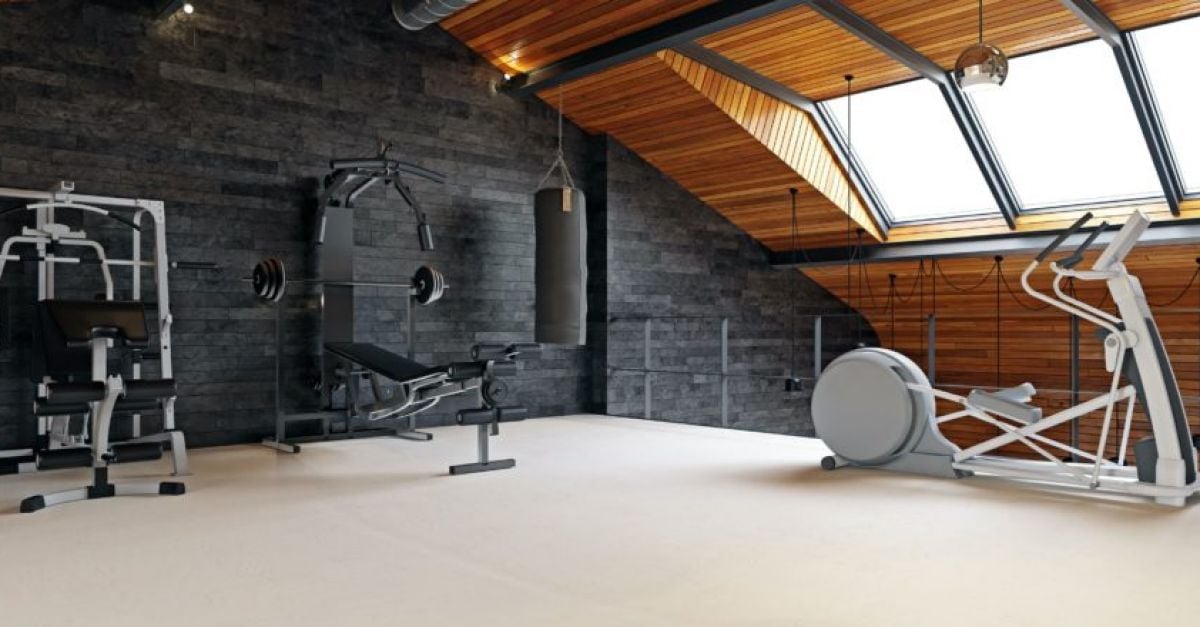
Creating a home gym is exciting and convenient. Safety and maintenance are key to keeping your space functional and injury-free. Follow simple tips to protect yourself and your equipment. Regular care makes workouts smooth and enjoyable. Focus on using equipment properly, cleaning often, and avoiding injuries.
Proper Equipment Use
Read the instructions before using any machine or tool. Use equipment only for its intended purpose. Adjust machines to fit your body size. Avoid lifting weights that are too heavy. Wear proper workout shoes for stability. Store equipment safely after use to prevent accidents.
Regular Cleaning Routines
Wipe down machines and mats after each workout. Use mild cleaners to remove sweat and dirt. Clean floors to prevent slips and falls. Check for dust buildup on electronic equipment. Schedule deep cleaning weekly to keep germs away. Keep cleaning supplies handy in your gym area.
Preventing Injuries
Warm up before starting exercises to prepare muscles. Use correct posture to avoid strain. Start with light weights and increase gradually. Take breaks to avoid overexertion. Keep the workout area free of clutter. Listen to your body and stop if you feel pain.
Credit: www.breakingnews.ie
Creating Effective Workout Plans
Creating effective workout plans is essential for a successful home gym routine. A good plan guides your exercises, keeps you motivated, and helps you reach your fitness goals. It balances different types of workouts and fits your lifestyle.
Balancing Cardio And Strength
Include both cardio and strength training in your plan. Cardio improves heart health and burns calories. Strength training builds muscles and tones your body. Aim for at least 150 minutes of moderate cardio weekly. Add strength exercises two to three times a week. This balance boosts overall fitness and prevents boredom.
Setting Realistic Goals
Set clear and achievable goals for your workouts. Start with small targets like exercising 20 minutes a day. Gradually increase intensity or duration. Realistic goals keep you motivated and reduce injury risk. Write down your goals and track progress weekly. Celebrate small wins to stay encouraged.
Scheduling Consistency
Plan your workouts at regular times each week. Consistency builds a strong habit and improves results. Choose days and times that fit your daily routine. Use a calendar or app to remind yourself. Even short sessions matter if done often. Stick to your schedule for steady progress.
Staying Motivated At Home
Keeping your energy high and your focus sharp is crucial when working out at home. Without the buzz of a gym or the presence of a trainer, motivation can dip quickly. The key is to create a system that keeps you engaged and looking forward to each session.
Establishing Routines
Set a specific time for your workouts and stick to it like an appointment. Your body starts to expect activity at that time, making it easier to get moving. Try waking up 30 minutes earlier or dedicating your lunch break to exercise—consistency builds habit.
Mix your routine to avoid boredom. Change the order of exercises or switch between cardio and strength training. Have you noticed how a small shift can make your workout feel fresh again?
Using Apps And Virtual Classes
Apps and virtual classes bring structure and variety right to your living room. They offer guided workouts, track progress, and even provide reminders. Some apps let you compete with friends or join challenges, adding a social element that boosts motivation.
Try different platforms to find one that fits your style and goals. For example, a yoga app might help you unwind after work, while a HIIT class could energize your mornings. How does the idea of a virtual coach sound to you?
Building Support Systems
Share your fitness goals with family or friends who can encourage you and hold you accountable. Sometimes a simple message or check-in makes a big difference in staying on track. You can also create a workout group, even if it’s just a few people doing the same routine online.
Think about who in your circle could be your workout buddy or cheerleader. Having someone to celebrate small victories with can keep your motivation strong. What support system do you already have that you might not be fully using?
Frequently Asked Questions
What Essential Equipment Is Needed For A Home Gym?
Start with basics like dumbbells, resistance bands, and a yoga mat. Add a bench, stability ball, and cardio machine as space allows. Choose versatile equipment that fits your workout style and budget.
How Much Space Do I Need For A Home Gym?
A minimum of 30 to 50 square feet is ideal for basic workouts. Ensure enough room for movement and stretching. Choose compact or foldable equipment if space is limited.
How Can I Make My Home Gym Motivating?
Use bright lighting and mirrors to create an energizing space. Play your favorite workout music and keep equipment organized. Adding motivational posters or plants can boost your workout mood.
What Budget Is Required To Create A Home Gym?
You can start with $100 to $500 for basic gear. Gradually invest in higher-end machines as needed. Prioritize quality over quantity to avoid frequent replacements.
Conclusion
Creating a home gym makes exercise easy and convenient. You save time by working out at home. Choose the right space and equipment for your needs. Keep your gym organized and simple to stay motivated. Small steps lead to big fitness gains.
Start today and enjoy a healthier lifestyle. Your body will thank you.







