
Are you ready to take control of your fitness goals and see real progress? Creating a fitness tracking journal could be the game-changer you need.
It’s not just about writing down numbers—it’s about understanding your body, staying motivated, and pushing yourself in the right direction. You’ll discover simple, effective steps to build a journal that keeps you focused and helps you crush your goals. Let’s dive in and make your fitness journey clearer and more rewarding than ever before.
Benefits Of A Fitness Journal
A fitness journal helps you stay organized and focused on your health goals. It records your workouts, meals, and feelings. This simple habit can change how you approach fitness and wellness. Writing things down makes your efforts clear and measurable. It also creates a personal record to look back on and learn from.
Tracking Progress
Tracking progress shows small wins and big achievements. You see how your strength, endurance, or weight changes over time. This clear record helps you adjust workouts or meals. It stops you from guessing what works best. Each entry builds a timeline of your fitness journey.
Boosting Motivation
A journal keeps motivation alive by showing improvement. Seeing progress, even small steps, encourages you to keep going. Writing about your feelings helps release stress and stay positive. It makes your goals feel real and reachable. Motivation grows stronger with every completed entry.
Identifying Patterns
Journaling helps spot habits that help or hurt your goals. You notice which exercises give the best results. You find out what foods fuel or drain your energy. Patterns in mood or sleep become clear too. Recognizing these trends guides better choices and success.
Choosing The Right Journal Format
Choosing a journal format that fits your routine helps keep fitness tracking simple and consistent. Pick one that lets you easily record workouts, meals, and progress. A clear layout makes tracking goals less time-consuming and more motivating.
Choosing the right journal format is crucial for effective fitness tracking. It ensures that you stay motivated and organized. Whether you prefer digital methods or traditional paper, the format can influence your consistency and progress. Let’s explore different options to find what suits your needs best.Digital Vs. Paper
Digital journals offer convenience and accessibility. You can access them from your phone or computer. They often come with features like reminders and progress charts. This makes them ideal for tech-savvy users. Paper journals, on the other hand, provide a tactile experience. Writing by hand can help reinforce memory. Some find this method more personal and rewarding. A paper journal requires no battery and is distraction-free.Apps And Tools
Fitness tracking apps are plentiful. Popular options include MyFitnessPal and Fitbit. These apps offer detailed analytics and goal tracking. They sync with wearable devices for real-time updates. Online platforms like Google Sheets provide flexibility. You can customize your entries and calculations. This is great for those who like detailed data tracking.Customizable Templates
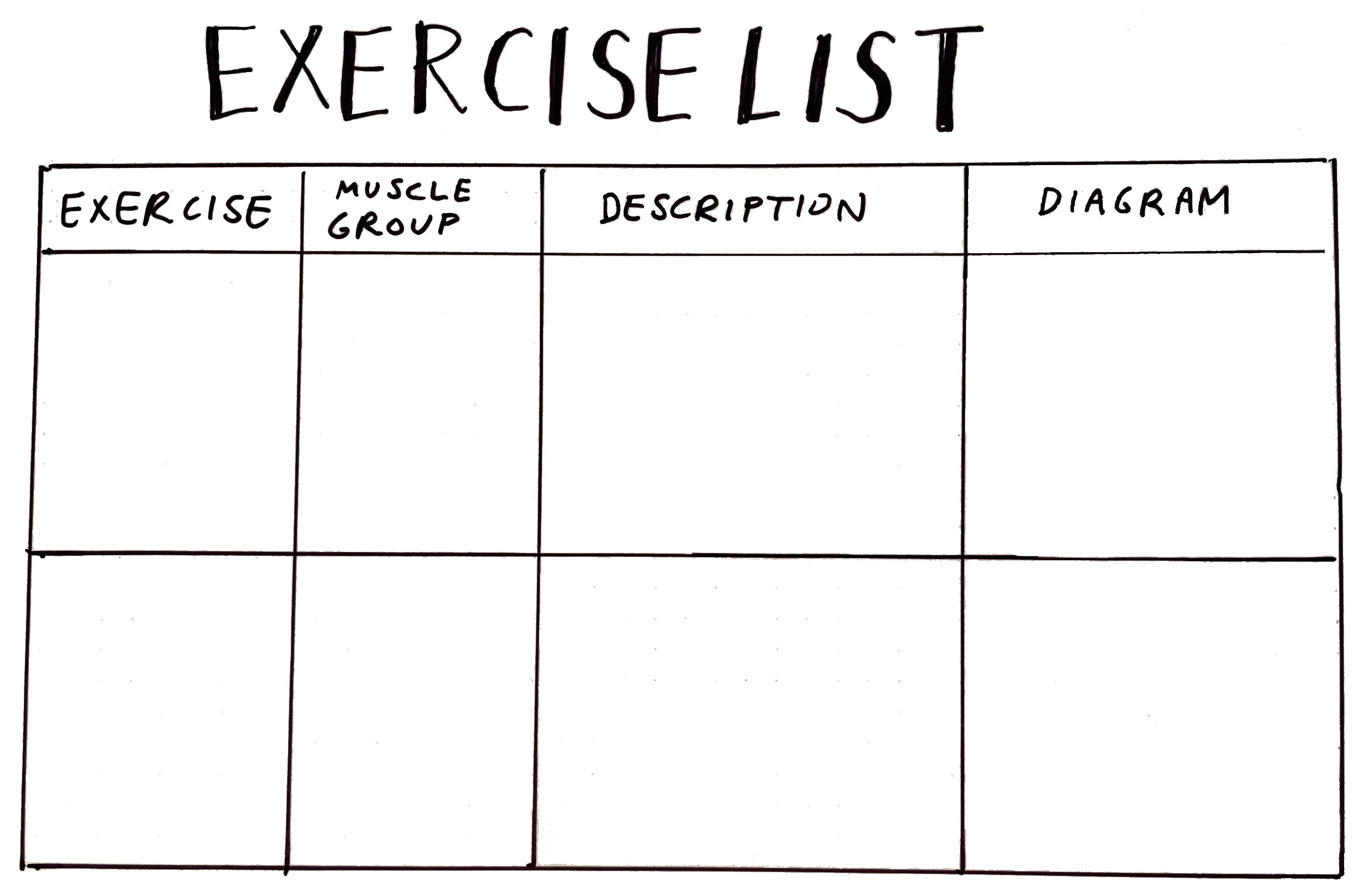
Customizable templates provide a tailored approach to fitness tracking. Many websites offer free downloadable templates. You can adjust them to fit your specific goals and routines. Creating your own template allows you to focus on what matters most. Track elements like workout intensity, duration, and mood. This personalized touch can enhance motivation and accountability.Essential Elements To Include
Creating a fitness tracking journal means more than just jotting down workouts. To get the most from your efforts, you need to include key elements that give a clear picture of your progress and overall health. These parts help you stay motivated and make smarter decisions about your fitness journey.
Workout Details
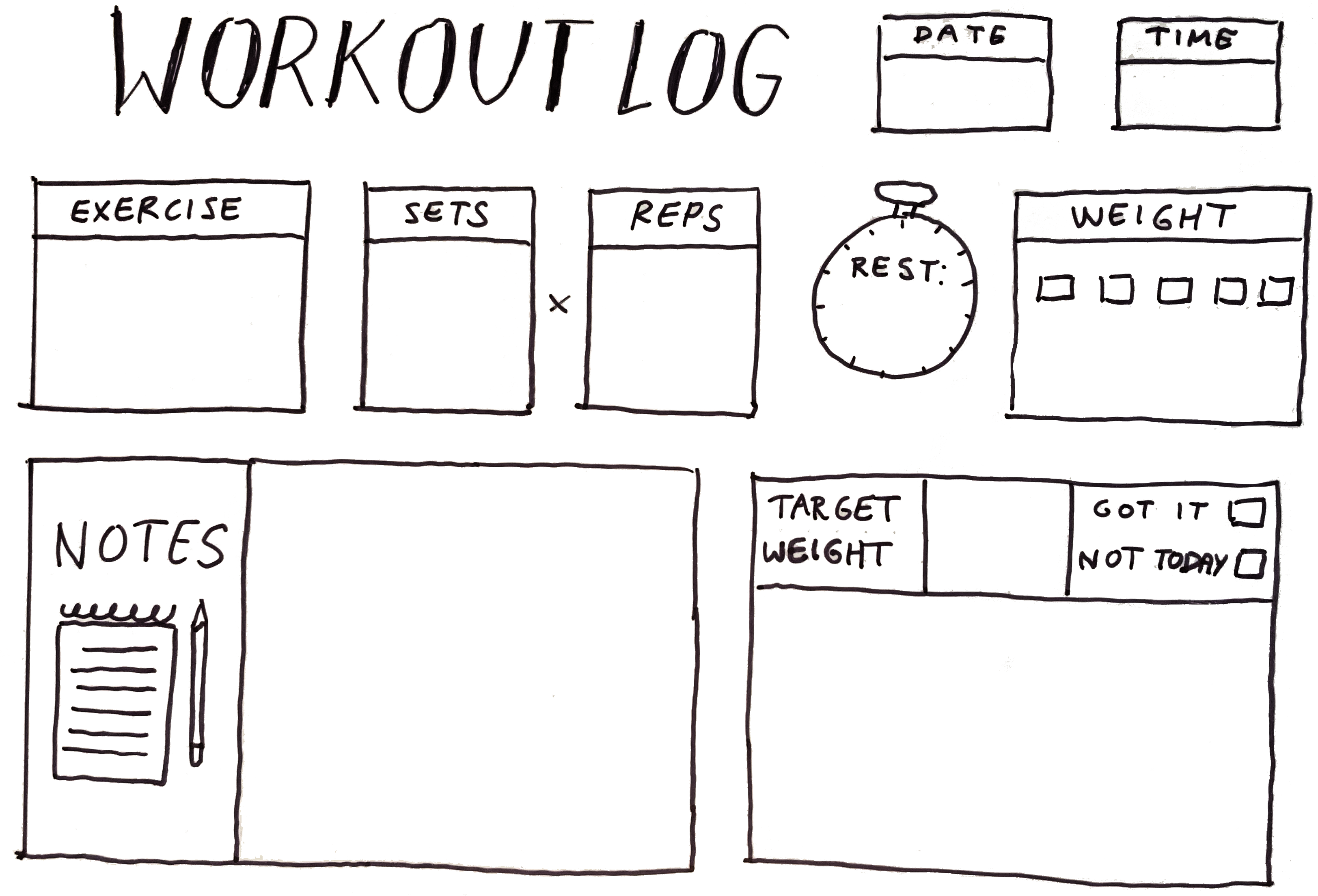
Track every important aspect of your workouts. Write down the type of exercise, duration, sets, reps, and weights used. This helps you see what’s working and where you can push harder.
Don’t forget to note how you felt during the session. Were you energized or struggling? This small detail can reveal patterns over time.
Nutrition Logs
What you eat fuels your workouts and recovery. Record your meals, snacks, and water intake daily. Including portion sizes makes it easier to adjust your diet based on your goals.
Try to note not just what you eat, but also when you eat. You might find that timing your meals around workouts affects your energy and performance.
Sleep And Recovery
Good sleep is crucial for muscle repair and energy. Track your hours of sleep and quality—did you wake up refreshed or tired? This information helps you understand how rest impacts your training.
Include recovery activities like stretching, foam rolling, or rest days. These habits often make the difference between steady progress and burnout.
Mood And Energy Levels
How you feel each day can influence your workout quality. Note your mood and energy before and after exercise. Over time, you may spot trends linking your mental state to your physical performance.
Ask yourself: Are certain workouts lifting your spirits or draining you? This insight can guide you to choose exercises that keep you motivated and consistent.
Setting Realistic Goals
Setting realistic goals is key to staying motivated and seeing real progress in your fitness journey. Clear and achievable targets guide your daily efforts and keep frustration away. Goals help you focus on what matters most and celebrate small wins along the way.
Short-term Targets
Short-term targets break your big goals into smaller, easy steps. These targets can be daily or weekly. Examples include:
- Walking 10 minutes more each day
- Adding one extra push-up per session
- Drinking two extra glasses of water daily
These small goals build habits and boost confidence quickly.
Long-term Milestones
Long-term milestones mark your bigger achievements. They show how far you’ve come over months or years. Examples might be:
- Losing 20 pounds in six months
- Running a 5K race
- Improving flexibility to touch your toes
Set milestones that challenge but don’t overwhelm you. They keep your journey exciting and focused.
Tracking Achievements
Tracking your achievements helps you see progress clearly. Write down your goals and update them regularly. Use a fitness journal to note:
- Dates when you reach a goal
- How you felt during workouts
- Changes in strength, speed, or endurance
Reviewing your journal motivates you and shows what works best. It turns your fitness journey into a story of success.
Daily And Weekly Entry Tips
Keeping a fitness tracking journal is most effective when you consistently log your progress. Daily and weekly entries help you stay connected to your goals and notice small improvements that might otherwise go unnoticed. Here are some tips to make those entries meaningful and manageable.
Consistency Strategies
Set a specific time each day to write in your journal. This could be right after your workout or before bed, whatever fits your routine best. Consistency builds habit, so try to stick to the same time to make it automatic.
Use reminders on your phone or a calendar alert to prompt you. If you miss a day, don’t skip the next one—just pick up where you left off. Tracking progress only works if you keep the chain unbroken as much as possible.
Time Management
Your journal entries don’t have to be lengthy. Spend just 5 minutes daily jotting down what you did, how you felt, and any changes you noticed. Short, focused notes are easier to maintain and review later.
For weekly entries, take 10-15 minutes to summarize your achievements and challenges. This reflection helps spot trends and adjust your plan accordingly. Could you set aside a specific day, like Sunday evening, to review the week?
Reflective Practices
Use your journal to ask yourself questions such as: What felt good today? What was tough? What can I improve tomorrow? These reflections deepen your awareness and motivate smarter decisions.
Write about your emotions and energy levels alongside physical data. Understanding your mental and emotional state can reveal patterns that affect your performance. Have you noticed any connection between your mood and workout intensity?
Credit: getrocketbook.com
Analyzing Your Data
Analyzing your fitness tracking journal data helps you understand your progress clearly. It reveals what works and what needs change. Reviewing this information regularly guides you to better results and keeps you motivated.
Spotting Trends
Look for patterns in your workouts and habits. Notice days when energy is high or low. See if certain exercises bring faster improvement. Tracking weight, reps, or time helps identify steady gains or setbacks. These trends show your body’s response to your routine.
Adjusting Your Plan
Use the data to make smart changes. Increase workout intensity if progress stalls. Add rest days if you feel tired often. Change exercises to avoid boredom or plateaus. Small tweaks keep your plan effective and safe.
Celebrating Successes
Mark your achievements to stay encouraged. Note personal bests, weight loss, or consistency streaks. Celebrate small wins like extra reps or longer runs. Recognizing progress boosts your confidence and fuels your commitment.
Staying Motivated Over Time
Staying motivated over time is key to keeping your fitness journal effective. Fitness progress can slow down or feel less exciting. Motivation helps you push through tough days and reach your goals. A clear plan can keep your energy high. Small habits and strategies make a big difference. Here are ways to stay motivated and enjoy your fitness journey.
Reward Systems
Set small rewards for reaching milestones. Rewards give you something to look forward to. Choose healthy treats like new workout clothes or a relaxing massage. Avoid rewards that hurt your progress, such as junk food. Track your achievements in your journal and celebrate them. This keeps motivation strong and focus clear.
Accountability Partners
Find a friend or group to share your goals with. Accountability partners encourage consistency. They check on your progress and offer support. Share your fitness journal updates regularly. Talk about challenges and successes. This creates a team feeling and less chance of quitting. Knowing someone cares boosts your drive to keep going.
Overcoming Plateaus
Plateaus happen when progress slows or stops. Your body adapts to the same routine. Change your workouts or diet to break through. Write down what works and what doesn’t in your journal. Try new exercises or increase intensity gradually. Focus on small improvements and stay patient. Tracking these changes helps you stay focused and motivated.
Credit: getrocketbook.com
Common Mistakes To Avoid
Creating a fitness tracking journal helps keep goals clear and progress visible. Avoiding common mistakes makes the journal more effective and motivating. These errors can slow progress or cause frustration. Understanding what to avoid improves your tracking habits and results.
Inconsistent Logging
Skipping days or forgetting to write down workouts breaks your progress record. Inconsistent logging makes it hard to see real improvements. Write in your journal every day, even on light workout days. Consistency builds a clear picture of your fitness journey.
Overcomplicating Entries
Using too many details or complex formats can make journaling a chore. Long, confusing entries reduce your desire to keep writing. Keep notes simple and focused on key points like exercise, sets, and feelings. Simple entries save time and keep you motivated.
Ignoring Rest Days
Not tracking rest days can lead to burnout or injury. Rest is a crucial part of fitness progress. Record rest days just like workout days to monitor recovery. A balanced journal shows both effort and rest, helping you stay healthy and strong.

Credit: www.unikeep.com
Frequently Asked Questions
What Is A Fitness Tracking Journal?
A fitness tracking journal is a tool to record workouts, meals, and progress. It helps monitor improvements and stay motivated. Using one enhances goal setting and accountability. It tracks data like exercise type, duration, and intensity for better results.
How Do I Start A Fitness Tracking Journal?
Begin by choosing a notebook or app for easy access. Set clear fitness goals and decide what to track. Record daily workouts, meals, and feelings consistently. Review entries weekly to adjust routines and stay motivated.
What Should I Include In My Fitness Journal?
Include workout details, such as exercises, reps, sets, and duration. Track meals, hydration, sleep, and energy levels. Note progress, challenges, and how you feel physically and mentally. This data helps optimize your fitness plan effectively.
How Often Should I Update My Fitness Journal?
Update your journal daily to maintain accuracy and consistency. Record workouts, nutrition, and mood immediately after activities. Regular updates ensure precise tracking and help identify patterns or needed changes quickly.
Conclusion
Creating a fitness tracking journal helps you stay on track. It shows your progress clearly. Writing daily keeps you motivated and focused. You can spot patterns and improve your routine. Tracking small wins builds confidence over time. Keep your journal simple and honest.
Make it a habit, not a chore. This tool supports your fitness journey every step. Start today, and watch your efforts grow stronger.







