
Balancing your studies and workouts might feel like a tough puzzle. You want to stay fit but also keep your grades up.
What if you could do both without burning out or losing focus? Imagine having more energy, better concentration, and still finding time for your favorite exercises. You’ll discover simple, practical ways to combine study with workouts so you can boost your brain and body at the same time.
Ready to transform how you manage your time and feel great every day? Keep reading—you won’t want to miss these tips.
Benefits Of Combining Study And Workouts
Combining study sessions with regular workouts brings many benefits. It helps improve mental and physical health. This balance supports better learning and overall well-being. Here are some key advantages of mixing study and exercise.
Improved Focus And Memory
Exercise boosts blood flow to the brain. This increase helps sharpen focus during study time. Physical activity also supports better memory retention. It makes it easier to recall information later. Short workout breaks can refresh the mind and reduce fatigue.
Enhanced Physical Health
Regular workouts strengthen the body and improve energy levels. Good physical health supports longer study sessions without feeling tired. Exercise helps maintain a healthy weight and improves sleep quality. Healthy habits create a strong foundation for academic success.
Stress Reduction
Exercise lowers stress hormones and triggers feel-good chemicals. This effect helps calm the mind and reduce anxiety. Less stress leads to clearer thinking and better study outcomes. Moving the body offers a natural way to relax and recharge.

Credit: worldrecordcamps.com
Creating A Balanced Schedule
Balancing study and workouts needs clear planning and time management. Set specific hours for both to stay consistent and avoid stress. Small breaks with exercise can boost focus and energy during study sessions.
Creating a balanced schedule is essential for combining study with workouts. A well-structured plan helps maintain focus and energy. It ensures you achieve both academic and fitness goals.Prioritizing Tasks
Start by listing your study and workout priorities. Decide which tasks are most important. Consider deadlines and fitness goals. Allocate more time to high-priority tasks. This approach keeps you organized and stress-free.Time Blocking Techniques
Time blocking is a powerful scheduling tool. Divide your day into blocks for study, workouts, and breaks. Set specific times for each activity. This method prevents overlap and distraction. It helps you remain dedicated to each task.Incorporating Flexibility
Flexibility is key in maintaining balance. Life can be unpredictable. Allow room for changes in your schedule. Adjust study or workout times if needed. This flexibility ensures you stay on track without feeling overwhelmed.Effective Workout Types For Busy Schedules
Balancing study and exercise might seem tough, but choosing the right workouts can make a big difference. Efficient workouts save time and boost your energy, helping you stay sharp for both books and physical health. Here are some workout types that fit perfectly into a busy schedule, giving you maximum benefit without stealing hours from your day.
Quick High-intensity Workouts
High-intensity workouts burn a lot of calories and improve fitness fast. These workouts can last as little as 15 to 20 minutes, making them easy to squeeze in between study sessions.
Try exercises like jumping jacks, burpees, or sprint intervals. These moves elevate your heart rate quickly and keep your metabolism active for hours after.
Have you noticed how just a short burst of intense activity can refresh your mind? That quick energy boost often beats a long walk or sit-down break.
Stretching And Mobility Exercises
Stretching doesn’t just prevent injury—it also helps clear your head. Spending hours studying can cause stiffness, and simple stretches can relieve tension instantly.
Focus on neck rolls, shoulder stretches, and hip openers to release tightness caused by sitting too long. These can be done in 5 to 10 minutes without any special equipment.
Would you believe that taking a few minutes to stretch could improve your concentration? It’s a small habit that pays off in better posture and fewer distractions.
Mind-body Activities
Activities like yoga and tai chi combine gentle movement with breathing techniques. They help reduce stress while improving balance and flexibility.
Even short sessions of 10 to 15 minutes can calm your mind and prepare you for focused study. These exercises are perfect for winding down after a long day.
Have you tried using breath control to manage anxiety during exams? Mind-body workouts can teach you this skill, making your study time more productive.
Study Strategies To Maximize Efficiency
Balancing study and workouts demands smart strategies to keep your mind sharp and your body energized. Efficient study habits help you retain information faster, leaving more time for exercise. Let’s look at effective ways to boost your study sessions without draining your energy.
Active Learning Methods
Active learning means engaging directly with the material instead of passively reading or listening. Try summarizing concepts aloud or teaching them to a friend—this makes ideas stick better.
Use flashcards or quizzes to test yourself regularly. This keeps your brain alert and highlights what you need to focus on next.
Have you noticed how writing notes by hand helps you remember more than typing? This simple change can improve your retention dramatically.
Break Techniques
Taking breaks is not about losing time but about renewing focus. The Pomodoro Technique, where you study for 25 minutes then rest for 5, can prevent burnout.
During breaks, avoid screens. Stretch, walk, or do a quick workout to keep blood flowing and refresh your mind.
Ask yourself: Does sitting still for hours really make you more productive? Moving often can boost creativity and help you solve tough problems.
Setting Realistic Goals
Set clear, achievable goals for each study session. Instead of vague aims like “study biology,” try “review chapters 3 and 4 and complete practice questions.”
Break big tasks into smaller, manageable chunks. This reduces overwhelm and keeps you motivated as you tick off each milestone.
What happens if you set goals too high? Frustration and fatigue. Adjust your targets based on how much time and energy you have that day.
Nutrition And Hydration Tips
Balancing study and workouts demands more than just time management. What you fuel your body with plays a huge role in maintaining energy and focus throughout the day. Proper nutrition and hydration can keep your mind sharp during study sessions and your body energized during workouts.
Energy-boosting Foods
Choosing the right foods can make a noticeable difference in your stamina and concentration. Foods rich in complex carbohydrates like oats, brown rice, and sweet potatoes provide steady energy without crashes. Adding protein such as eggs, chicken, or Greek yogurt helps repair muscles after workouts and keeps you full longer.
Don’t forget healthy fats from sources like avocados, nuts, and olive oil—they support brain function and reduce inflammation. When I started snacking on almonds and fresh fruit between study and exercise, I noticed fewer energy dips and better focus.
Hydration Importance
Water is often overlooked but is essential for both mental and physical performance. Even mild dehydration can cause tiredness, headaches, and difficulty concentrating. Aim to drink water consistently throughout the day, not just around your workout or study time.
If plain water feels boring, try infusing it with lemon or cucumber slices for a refreshing twist. Have you tracked your daily water intake recently? Keeping a reusable bottle nearby can remind you to sip regularly.
Meal Timing
When you eat can be as important as what you eat. Eating a balanced meal about 1.5 to 2 hours before a workout gives your body fuel to perform well. After exercise, refueling with protein and carbs within 30 minutes aids recovery and muscle growth.
During study periods, smaller, frequent meals help maintain energy without causing sluggishness. I found that eating a light snack like a banana with peanut butter during long study sessions prevented afternoon crashes and kept my mind alert.

Credit: rntozen.com
Motivation And Accountability
Staying motivated and holding yourself accountable are key to balancing study and workouts effectively. Without motivation, both your exercise routine and study schedule can easily fall apart. Accountability keeps you honest and focused, pushing you to follow through even when energy dips or distractions call.
Tracking Progress
Tracking your progress helps you see how far you’ve come, which fuels motivation. Use apps or simple journals to log your workout reps, study hours, or topics covered. Watching numbers or milestones grow can be surprisingly encouraging.
Imagine noting down every time you add a few more push-ups or finish an extra chapter in your textbook. This visible proof makes your effort real and tangible. It also reveals patterns—like which study times pair well with physical activity to boost your energy.
Finding Workout And Study Partners
Having someone alongside you makes staying committed easier. A workout buddy can push you during tough exercises, while a study partner can keep you focused on tasks. Together, you share accountability and motivation.
Choose people who match your pace and goals. When you know someone is counting on you, skipping a session feels less tempting. Plus, partners bring fresh energy and ideas, turning routines into social and productive time.
Reward Systems
Set up rewards to celebrate achievements, big or small. After a solid study session or completing a workout, treat yourself to something enjoyable—a favorite snack, a short break, or an episode of a show you love.
Rewards don’t have to be extravagant; they just need to feel meaningful. This creates a positive loop where your brain connects hard work with good feelings, making motivation easier to maintain. What small reward will make your day better after finishing your goals?
Adapting To Challenges
Balancing study with workouts is rewarding but not without hurdles. Challenges like fatigue, unexpected disruptions, and shifting priorities can throw off your rhythm. How you adapt to these challenges determines if you stay on track or fall behind.
Handling Fatigue
Fatigue hits hard when you juggle intense study sessions and workouts. Instead of pushing through blindly, listen to your body. Shorten your workouts or switch to lighter activities like walking or stretching on low-energy days.
Try breaking study time into focused bursts with short breaks to refresh your mind. Drinking water and getting enough sleep are not just tips—they are essentials that fuel both your brain and muscles.
Have you noticed that a quick 10-minute stretch can revive your energy more than a second cup of coffee? Small adjustments like this can keep you consistent without burning out.
Managing Unexpected Events
Life rarely sticks to your schedule. A sudden work deadline or family commitment can disrupt your study and workout plans. Instead of skipping everything, adjust your day with flexible mini-sessions.
- Swap a 30-minute gym session for a 15-minute home workout.
- Use commute time for listening to study materials or podcasts.
- Reschedule your workout for a different time or day.
Ask yourself: What small change can save my routine today? Being adaptable means you keep moving forward, even on chaotic days.
Adjusting Goals
Sometimes, your initial goals don’t fit the reality of your workload or energy levels. Adjusting goals isn’t quitting—it’s smart planning. Set smaller, achievable targets that match your current situation.
For example, if you aimed for 5 workouts a week but find that overwhelming, aim for 3 quality sessions instead. Celebrate these wins to stay motivated.
Think about what success looks like for you right now. Are your goals pushing you forward or setting you up for frustration? Tailoring your goals keeps your progress sustainable and your mindset positive.
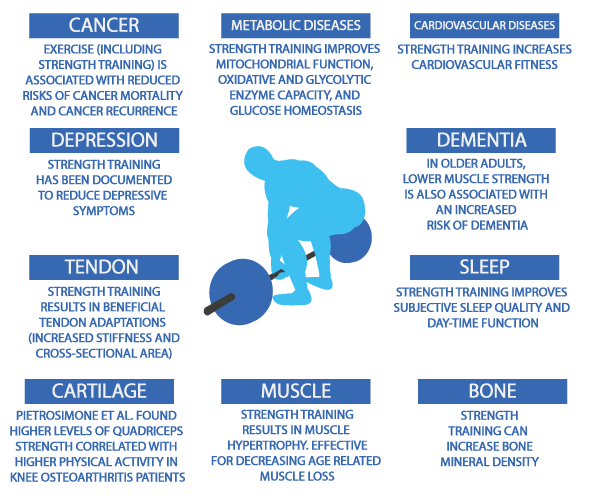
Credit: betterhumans.pub
Frequently Asked Questions
How Can I Balance Study And Workout Effectively?
Create a daily schedule that includes both study and workout time. Prioritize tasks and set realistic goals. Use short, focused study sessions combined with quick, effective workouts to maintain energy and focus throughout the day.
What Are The Best Workout Types For Students?
Opt for workouts like yoga, jogging, or HIIT. These improve focus, reduce stress, and fit easily into tight schedules. Short and intense sessions help maximize benefits without consuming too much study time.
When Is The Ideal Time To Workout During Study Days?
Morning workouts boost energy and concentration for the day. Alternatively, short evening workouts help relieve study stress and improve sleep quality. Choose the time that best fits your personal rhythm and commitments.
How Do Workouts Improve Academic Performance?
Exercise increases blood flow to the brain, enhancing memory and concentration. Regular physical activity reduces stress and anxiety, leading to better focus. This combination supports improved learning and productivity in studies.
Conclusion
Balancing study with workouts is possible with good planning. Set clear goals for both your learning and exercise. Create a simple daily schedule and stick to it. Short workout breaks help refresh your mind during study sessions. Stay consistent, even on busy days, to build strong habits.
Remember, small steps lead to big improvements over time. Keep your energy up by eating well and sleeping enough. Combining study and exercise improves both your body and brain. Try these tips and enjoy a healthier, more focused life.







