
Feeling jittery before a workout is more common than you think. Those nervous butterflies can hold you back from giving your best effort.
But what if you could turn that anxiety into focused energy? You’ll discover simple, effective ways to calm your nerves before exercise. Whether you’re hitting the gym, going for a run, or trying a new class, these tips will help you feel confident and ready.
Keep reading to unlock the secret to a smoother, more enjoyable workout every time.
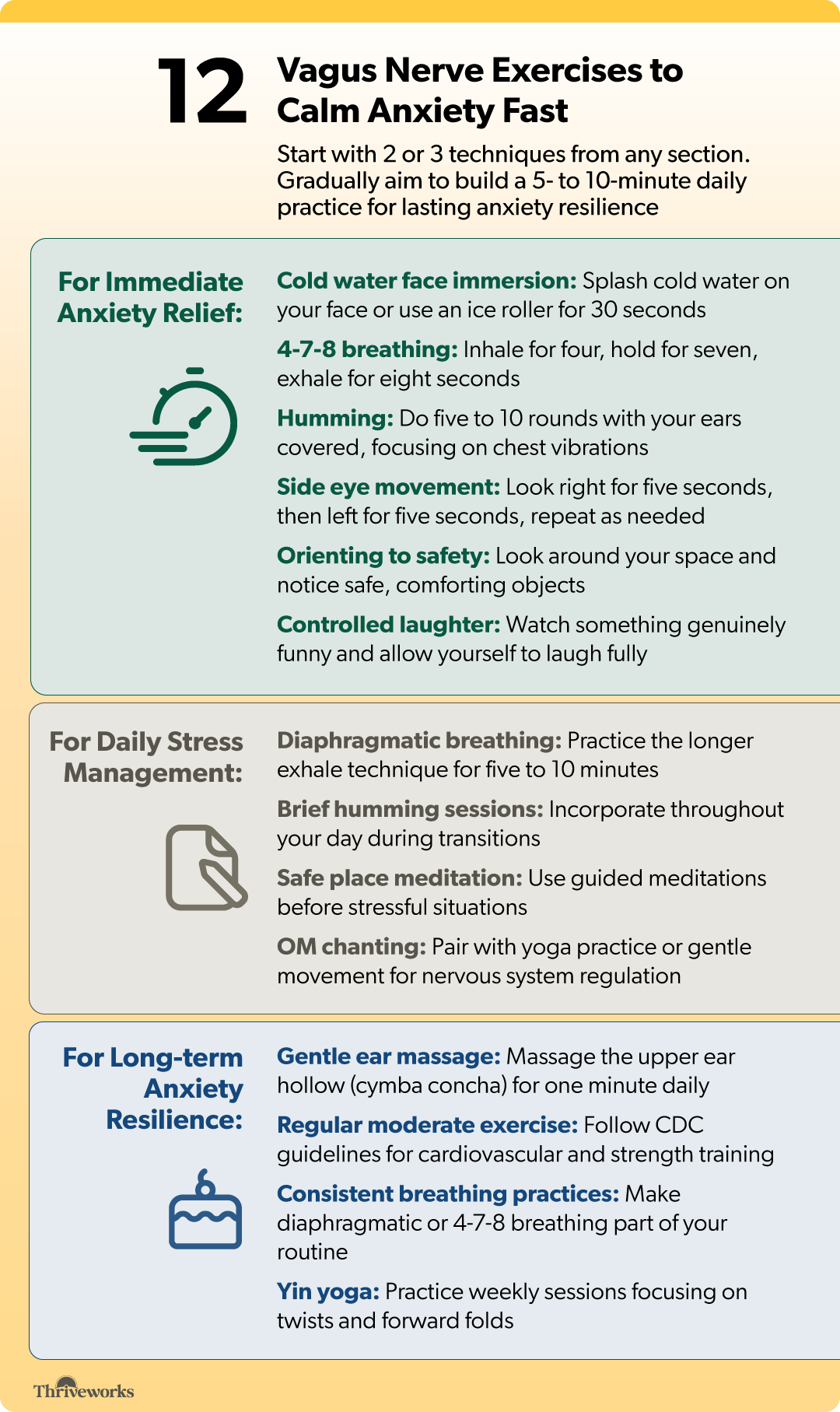
Credit: thriveworks.com
Causes Of Workout Anxiety
Feeling anxious before a workout is more common than you might think. Understanding the causes of workout anxiety can help you tackle it head-on. Anxiety often stems from a mix of external pressures and internal fears that affect your mind and body.
Common Triggers
Many people feel nervous because they worry about their performance or appearance. You might fear not lifting enough weight, running too slowly, or not keeping up with others. Sometimes, unfamiliar environments like a busy gym or new workout class can spike your anxiety.
Pressure to meet personal goals or expectations set by trainers or peers can also create stress. If you’ve experienced past workout failures, those memories might trigger doubts. Ask yourself: What specific thoughts come to mind right before you start exercising?
Physical Vs Mental Factors
Workout anxiety isn’t just in your head; your body plays a role too. Physical symptoms like a racing heart, sweaty palms, or tense muscles can make you feel even more anxious. These reactions might lead you to avoid exercising altogether.
On the mental side, negative self-talk and fear of judgment often hold you back. Your brain might focus on “what if” scenarios, like getting injured or embarrassing yourself. Recognizing whether your anxiety is more physical or mental helps you choose the right calming strategies.
Breathing Techniques To Relax
Feeling nervous before a workout is common. Breathing techniques can help calm your mind. They bring focus and ease to your body. You can use these techniques to prepare mentally and physically.
Deep Breathing Exercises
Deep breathing exercises are simple. Sit or lie down comfortably. Close your eyes and take a slow, deep breath. Feel your belly rise. Hold the breath for a moment. Then, exhale slowly. Let your belly fall. Repeat this for a few minutes. You’ll feel more relaxed.
Box Breathing Method
The box breathing method is effective. Inhale deeply for four seconds. Hold your breath for four seconds. Exhale slowly for four seconds. Hold your breath again for four seconds. Repeat this cycle four times. It helps clear your mind and reduce stress.
Pre-workout Warm-up Routines
Pre-workout warm-up routines are a crucial tool to calm your nerves before hitting the gym or starting any exercise. They prepare your body and mind by gradually increasing your heart rate and loosening tight muscles. This helps reduce anxiety and boosts your confidence, making your workout feel more manageable and enjoyable.
Dynamic Stretches
Dynamic stretches involve moving parts of your body through a full range of motion. They wake up your muscles and joints, increasing blood flow and reducing stiffness.
Try leg swings, arm circles, or walking lunges. These moves activate your muscles without tiring them. I used to skip this step and felt stiff and uneasy, but adding dynamic stretches helped me feel more in control and less jittery before workouts.
Have you noticed how your body reacts when you start moving before exercising? This simple warm-up can shift your mindset from anxious to ready.
Light Cardio Options
Light cardio is a great way to ease your heart and mind into exercise. Activities like brisk walking, slow jogging, or cycling gently raise your heart rate without overwhelming you.
Spend 5 to 10 minutes on light cardio to shake off tension and focus your energy. When I started doing this, I found my nervous energy transformed into motivation rather than stress.
What small cardio activity feels easiest for you to start your workout? Finding your favorite can make a big difference in calming nerves before you push harder.
Mindfulness And Visualization
Mindfulness and visualization are powerful tools to calm your nerves before workouts. They help you focus your mind, reduce anxiety, and boost confidence. When you practice these techniques, you prepare both your body and mind for a successful session.
Guided Imagery
Guided imagery involves picturing yourself completing your workout with ease and strength. Imagine every movement, from the warm-up to the final stretch. Visualize yourself feeling strong, steady, and in control.
This mental rehearsal can reduce tension and build a positive mindset. Try closing your eyes for a few minutes and picturing the whole workout experience. What does success look like for you today?
Staying Present
Staying present means focusing fully on the current moment instead of worrying about what might happen. Pay close attention to your breath, the sensation of your feet on the ground, or the rhythm of your movements.
When your mind drifts to doubts or fears, gently bring it back to the here and now. This practice helps quiet mental noise and keeps your nerves from taking over. How often do you catch yourself lost in thoughts just before starting?
Positive Self-talk Strategies
Positive self-talk strategies help calm nerves before workouts. They build confidence and reduce anxiety. Talking kindly to yourself shifts your mindset to focus on strength and ability. This mental approach prepares your body and mind for exercise. Using simple, encouraging words sets the tone for success.
Affirmations
Affirmations are short, positive statements you repeat to yourself. They remind you of your skills and goals. Saying phrases like “I am strong” or “I can do this” boosts self-belief. Repeat affirmations quietly or out loud before starting your workout. This practice creates a calm and focused mindset.
- Use present tense phrases.
- Keep statements clear and simple.
- Repeat regularly for best effect.
Overcoming Negative Thoughts
Negative thoughts cause stress and lower performance. Catch yourself when doubt or fear arises. Replace those thoughts with positive or neutral ones. For example, change “I will fail” to “I will try my best.” Visualize success instead of failure. This switch reduces tension and improves focus.
- Notice negative self-talk quickly.
- Challenge doubts with facts.
- Shift focus to effort and progress.

Credit: www.thepathway2success.com
Nutrition And Hydration Tips
Nutrition and hydration play a key role in calming nerves before workouts. Eating the right foods fuels your body and mind. Drinking enough water keeps you steady and focused. Both help reduce stress and boost confidence. A simple food and water plan can make a big difference.
Foods That Boost Confidence
Certain foods improve mood and lower anxiety. Choose these to calm pre-workout nerves:
- Bananas:Rich in potassium and vitamin B6, they help regulate mood.
- Oats:Provide steady energy and stabilize blood sugar.
- Almonds:Contain magnesium to reduce tension and improve relaxation.
- Dark chocolate:Small amounts can increase serotonin, a feel-good hormone.
- Leafy greens:Spinach and kale have folate, which supports brain health.
Eating these foods before exercise can ease anxiety and improve focus.
Hydration Importance
Water affects both body and mind during workouts. Even mild dehydration can raise stress levels. Keep a water bottle nearby and sip often. Aim to drink water throughout the day, not just before exercise.
Sports drinks with electrolytes may help during long or intense sessions. Avoid sugary drinks that cause energy crashes. Proper hydration keeps your heart rate steady and nerves calm.
Creating A Supportive Environment
Creating a supportive environment can ease nerves before workouts. It helps build confidence and focus. The right atmosphere reduces stress and boosts motivation. Feeling safe and encouraged makes exercise more enjoyable.
Workout Buddy Benefits
A workout buddy offers encouragement and company. They make exercises feel less lonely and more fun. Sharing goals builds commitment and accountability. A friend can give positive feedback and cheer progress. They help keep distractions away and maintain focus. Working out together lowers anxiety and increases energy.
Choosing The Right Setting
The workout space affects your mood and nerves. Choose a place that feels calm and welcoming. Good lighting and fresh air improve comfort. Avoid crowded or noisy spots that cause stress. Organize your equipment neatly to reduce distractions. A clean, quiet environment helps you concentrate better.

Credit: www.youtube.com
Setting Realistic Workout Goals
Setting realistic workout goals can change the way you feel before stepping into your exercise routine. When your goals are clear and achievable, you reduce anxiety and build confidence. It’s about giving yourself a target that pushes you just enough without overwhelming your mind or body.
Short-term Targets
Breaking your fitness journey into short-term targets makes your progress easier to manage. Instead of aiming to run 10 miles in a month, start with running 1 mile without stopping. This small win can boost your motivation and calm your nerves because you know the goal is within reach.
Think about what you can accomplish in a week or two, not months ahead. Short-term targets like adding five more push-ups or improving your form focus your effort on what you can control now. How would your workout change if you celebrated these small victories?
Tracking Progress
Keeping track of your progress gives you a clear picture of how far you’ve come. Use a simple journal, an app, or even photos to record your workouts and improvements. Seeing consistent progress, no matter how small, can ease anxiety and keep you motivated.
Tracking helps you identify patterns that work best for you and highlights areas needing adjustment. When you notice improvement, it’s easier to stay calm and confident before your workouts. Are you ready to turn your progress into a source of strength rather than stress?
Frequently Asked Questions
How Can I Calm Nerves Before Workouts Effectively?
Deep breathing exercises help calm nerves by reducing stress. Visualize success and positive outcomes. Prepare mentally by setting clear workout goals. These techniques boost confidence and ease pre-workout anxiety.
What Are Simple Relaxation Techniques Before Exercise?
Progressive muscle relaxation and mindfulness meditation reduce tension. Stretching gently warms muscles and relaxes the body. Listening to calming music also soothes nerves. These methods improve focus and workout readiness.
Does A Warm-up Reduce Pre-workout Anxiety?
Yes, warm-ups increase blood flow and ease muscle stiffness. They help shift focus from nerves to movement. A proper warm-up boosts confidence and prepares both mind and body for exercise.
How Does Hydration Affect Workout Nerves?
Proper hydration supports brain function and reduces fatigue. Drinking water before exercise helps maintain energy levels. Staying hydrated prevents dizziness and stress, calming pre-workout nerves effectively.
Conclusion
Calming nerves before workouts helps you feel ready and confident. Simple steps like deep breathing and stretching ease tension quickly. Focus on the present moment to keep your mind clear. A calm mindset improves your performance and enjoyment. Remember, nerves are normal and can be managed well.
Practice these tips regularly to build a positive routine. Feeling calm leads to better workouts and steady progress. Keep trying, and stay patient with yourself each day.







