
Are you stuck in the same workout routine, feeling like you’re not making progress? If you’re nodding your head, you’re not alone.
Many people hit a plateau because they don’t switch up their exercise regimen often enough. You might wonder, how often should you actually change your workout routine? The answer could be the key to unlocking new levels of fitness and motivation.
Dive into this guide to discover how tweaking your routine can boost your results and keep you excited about your workouts. Don’t miss out on these insights that could transform your fitness journey and help you achieve your goals faster. Keep reading to find out how a fresh approach can make all the difference.

Credit: www.youtube.com
Signs You Need A Change
Recognizing signs that your workout routine needs a change is important for steady progress. Workouts can become less effective over time. Your body adapts to the same exercises. This slows down improvement and results.
Changing your workout keeps your body guessing. It helps avoid boredom and injury. Watch for these key signs that signal a need for change.
Plateaus In Progress
Progress stops even with effort and time. Strength, endurance, or muscle gains stall. You do not feel stronger or fitter. This plateau means your body has adapted well. It needs new challenges to grow.
Loss Of Motivation
Exercise feels like a chore instead of fun. You skip workouts more often. Energy and excitement for training drop. Motivation loss can hurt your long-term success. Changing routines can renew your interest.
Physical Fatigue
Constant tiredness or soreness that won’t go away. Feeling weak despite rest and sleep. Overuse injuries or aches appear more frequently. Your body needs a break or a new approach. Ignoring fatigue risks health and progress.
Factors Influencing Routine Changes
Changing your workout routine is not a one-size-fits-all decision. Several factors influence how often you should switch things up. Understanding these can help you stay motivated and achieve better results. Your fitness goals, experience level, and the type of exercise you do all play a role in this process.
Fitness Goals
Your fitness goals shape how often you should change your routine. For example, building muscle requires different changes than improving endurance. If your goal is weight loss, variety can help prevent plateaus. Changing routines can keep your body challenged and avoid boredom. Align your workout updates with what you want to achieve.
Workout Experience
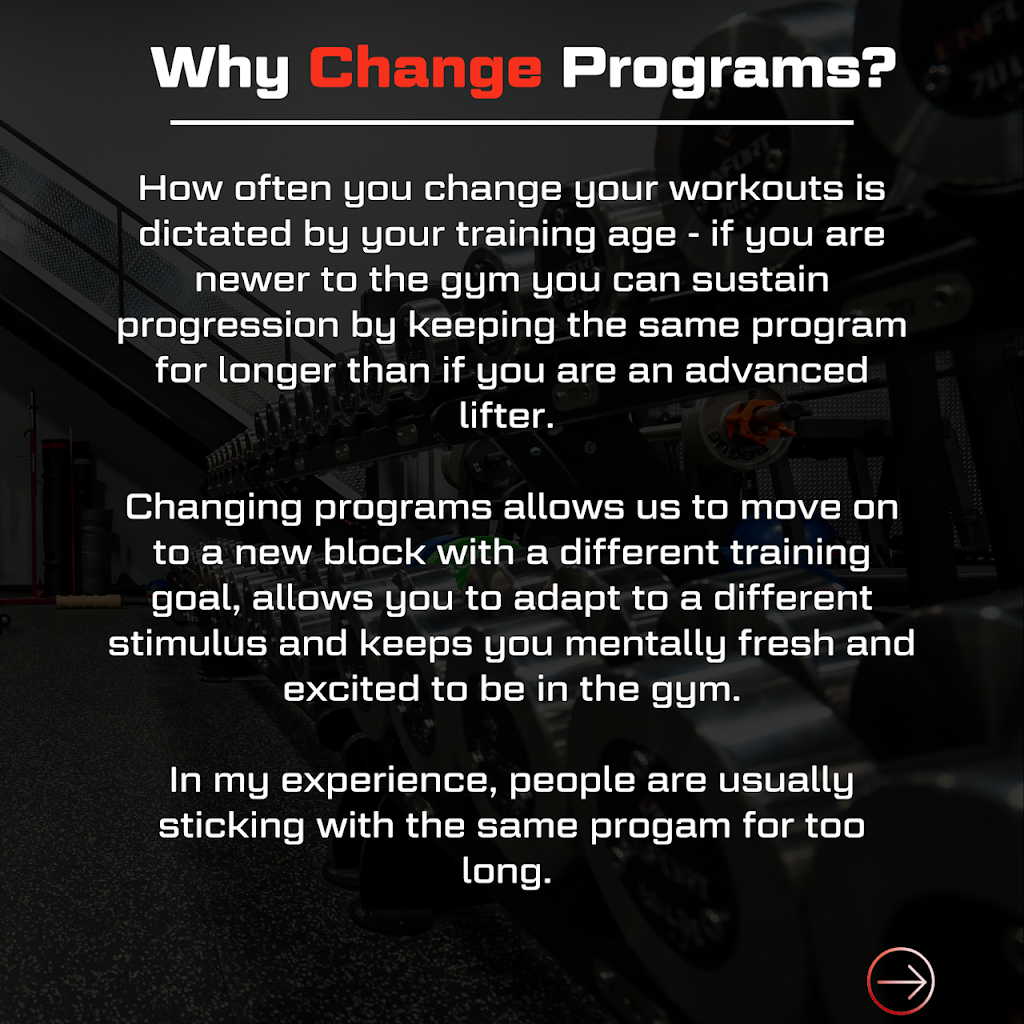
Beginners often need less frequent changes because their bodies adapt quickly. New exercisers gain strength and skill fast with consistent routines. Advanced athletes might need to change workouts every few weeks. Their bodies get used to exercises faster and need new challenges. Experience level affects how often your workout should evolve.
Type Of Exercise
Some exercises demand more frequent changes. Cardio routines can be varied weekly to avoid adaptation. Strength training programs might change every 4 to 6 weeks. Flexibility or yoga routines may stay the same longer. The type of exercise determines how often switching up is beneficial.
Recommended Change Frequency
Knowing how often to change your workout routine can make a big difference in your progress. Changing too often might stop you from mastering any one program, while sticking with the same routine too long can lead to plateaus. The best frequency depends on your experience level and goals.
Beginners
If you’re new to working out, stick to a routine for about 6 to 8 weeks. This gives your body enough time to adapt and build a solid foundation. Changing too soon can disrupt your learning process and slow down progress.
During this phase, focus on mastering form and building consistency. You’ll notice steady improvements without needing to tweak your plan frequently. Have you ever felt frustrated because you switched routines too quickly?
Intermediate Lifters
Once you’ve built a base, changing your routine every 4 to 6 weeks can help you avoid plateaus. Your muscles get used to exercises faster now, so mixing things up keeps the challenge alive.
Try adjusting intensity, volume, or exercise selection within this timeframe. This approach prevents boredom and keeps your motivation high. What small change could you make this month to push your limits?
Advanced Athletes
For experienced lifters, changing your routine every 3 to 4 weeks often yields the best results. At this level, fine-tuning becomes critical to continue gaining strength and muscle.
Advanced athletes benefit from planned variations like periodization cycles or switching focus between strength, hypertrophy, or endurance. Tracking your progress closely helps decide when it’s time to shift gears. Are you paying attention to the subtle signs that your body needs a new challenge?
Credit: www.youtube.com
Methods To Vary Your Routine
Varying your workout routine is key to avoiding plateaus and keeping your progress steady. It also keeps your sessions interesting, so you stay motivated. Let’s look at practical ways you can change things up without overhauling your entire plan.
Adjusting Intensity And Volume
Changing how hard or how much you work out can make a big difference. Try increasing the weight you lift or adding more sets and reps to challenge your muscles in new ways. Alternatively, reduce the load and focus on speed or form for a different stimulus.
Think about how you feel after each session. Are you pushing yourself enough to grow stronger, or are you stuck in a comfort zone? Small tweaks like these can keep your body guessing and adapting.
Incorporating New Exercises
Adding new moves can target muscles differently and break the monotony. Swap out a familiar exercise for a variation or something completely new to activate your body in fresh ways.
For example, replacing standard squats with goblet squats or trying kettlebell swings instead of traditional deadlifts. Have you ever noticed how a single new exercise can reignite your enthusiasm for training?
Changing Workout Split
Altering how you divide your workouts across the week can impact recovery and performance. If you usually do full-body workouts, try splitting sessions by muscle groups or movement types.
Switching from a three-day full-body routine to a five-day split focusing on individual muscles might help you train with more focus and intensity. What if this change could be the key to breaking through your current limits?
Balancing Consistency And Variety
Balancing consistency and variety is essential for a successful workout routine. Consistency helps build strength and endurance over time. Variety keeps the routine interesting and challenges different muscles. Changing workouts too often can disrupt progress. Sticking to the same routine for too long may cause boredom and plateaus. Finding the right balance improves motivation and results.
Maintaining Progress
Consistency allows the body to adapt and grow stronger. Repeating exercises improves technique and builds muscle memory. Regular workouts increase endurance and overall fitness. Small changes, like adjusting weights or reps, help avoid plateaus. Switching exercises every 4 to 6 weeks can stimulate new muscle growth. This keeps progress steady without losing gains.
Avoiding Overtraining
Variety reduces the risk of overworking the same muscles. Overtraining leads to fatigue, injury, and burnout. Mixing cardio, strength, and flexibility exercises helps balance the workload. Changing routines prevents repetitive strain and improves recovery. Listening to your body signals when rest or change is needed. Balanced workouts promote long-term health and prevent setbacks.

Credit: www.youtube.com
Tracking And Evaluating Progress
Tracking and evaluating your progress is a key part of deciding how often to change your workout routine. Without a clear picture of your improvements or plateaus, you might switch routines too soon or stick with ineffective exercises for too long. Keeping tabs on your progress helps you make smarter choices that keep your fitness journey moving forward.
Using Workout Logs
Writing down your workouts helps you see patterns over time. Note the exercises, weights, reps, and how you felt during each session. This simple habit reveals if you’re consistently improving or hitting a wall.
Have you ever forgotten how much you lifted last week? A workout log stops that guesswork and keeps your goals clear. It also motivates you to push a little harder when you see steady gains on paper.
Monitoring Strength And Endurance
Strength and endurance are two key signs of progress. Track how much weight you can lift and how many reps you can do before fatigue. Also, notice if your cardio sessions feel easier or if you can go longer without stopping.
Ask yourself: Are you lifting heavier or completing more reps than before? Is your breathing more controlled during runs or cycling? If these numbers or feelings stop improving, it might be time to tweak your routine.
Frequently Asked Questions
How Often Should Beginners Change Workout Routines?
Beginners should change their workout routine every 6 to 8 weeks. This helps avoid plateaus and keeps muscles challenged. Changing routines improves motivation and promotes balanced muscle development.
What Signs Indicate It’s Time To Change Workouts?
Signs include lack of progress, boredom, or persistent soreness. If workouts feel too easy or results stall, it’s time to switch. Changing routines can reignite motivation and enhance fitness gains.
Can Changing Workouts Too Often Hinder Progress?
Yes, changing workouts too frequently can prevent muscle adaptation. Muscles need time to grow and strengthen. Aim to change routines every 6 to 12 weeks for best results.
How Does Changing Routines Boost Workout Motivation?
New exercises and challenges reduce boredom and keep workouts exciting. Fresh routines stimulate mental focus and engagement. This can lead to better consistency and improved fitness outcomes.
Conclusion
Changing your workout routine keeps your body strong and active. It prevents boredom and helps you stay motivated. Aim to switch exercises every 6 to 8 weeks. Listen to your body and adjust as needed. Small changes can bring big results over time.
Keep your workouts fresh to enjoy steady progress. Remember, variety helps avoid plateaus and injuries. Stay consistent, and your fitness will improve.







