
Thinking about setting up a home gym but worried about the cost? You’re not alone.
Many people want the convenience of working out at home but hesitate because they don’t know how much it will really cost. What if you could get a clear picture of the expenses before you start? Understanding the price range can help you plan better and avoid surprises.
You’ll discover exactly how much a home gym could cost, what factors affect the price, and how to get the best value for your money. Keep reading to find out how to create a workout space that fits both your fitness goals and your budget.

Credit: www.reddit.com
Setting A Home Gym Budget
Setting a home gym budget helps control your spending and meet fitness needs. It guides your choices and avoids surprises during setup. Budgeting ensures you get the best value from your investment. Think about costs carefully before buying any equipment.
Factors Influencing Costs
Several factors impact how much a home gym costs. Equipment type varies from simple weights to advanced machines. Brand and quality also affect price. New items usually cost more than used ones. Accessories like mats and mirrors add to the total expense. Installation and maintenance fees may appear later.
Determining Your Fitness Goals
Your fitness goals shape your budget size. Weight loss needs basic cardio gear. Strength training requires heavier, costlier equipment. Space for yoga or stretching needs mats and blocks. Choose equipment that fits your workout style. Focus spending on essentials that match your goals.
Space And Location Considerations
Available space limits equipment size and quantity. Small rooms need compact or foldable gear. Garage or basement gyms allow larger machines. Flooring type can require extra padding or protection. Consider lighting and ventilation for comfort. Location affects installation costs and equipment choice.
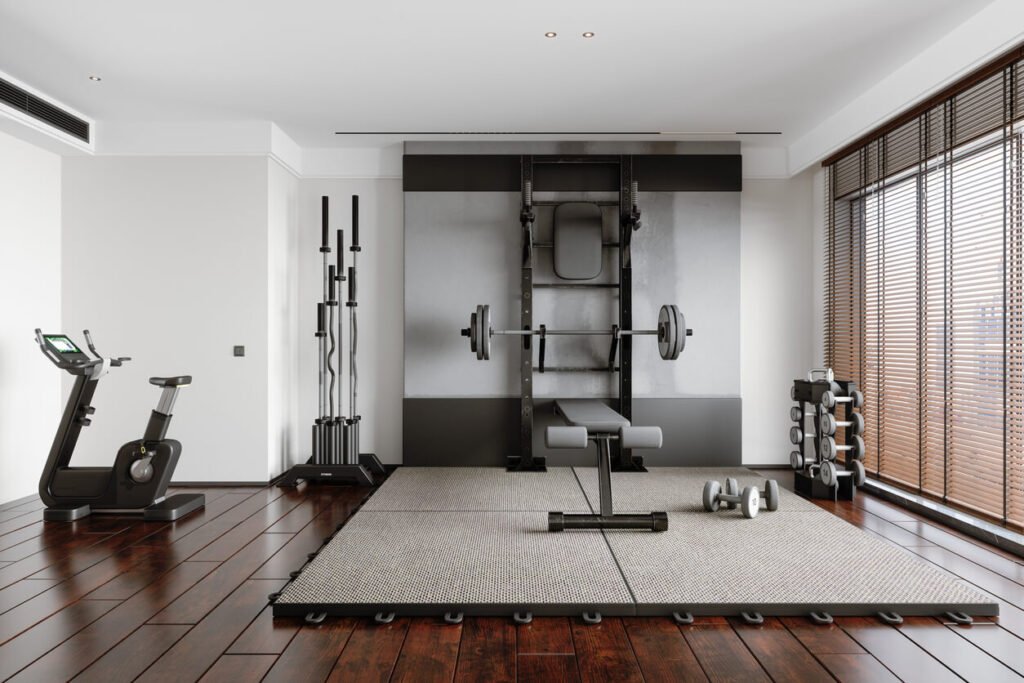
Credit: homegymmentor.com
Essential Home Gym Equipment
Building a home gym requires choosing the right equipment. Essential home gym gear helps create a balanced workout space. It supports cardio, strength, and flexibility training. Equipment choices affect both cost and workout quality. Select items that fit your space and fitness goals.
Cardio Machines
Cardio machines improve heart health and burn calories. Popular options include:
- Treadmills
- Stationary bikes
- Rowing machines
- Ellipticals
Prices vary widely. Basic models cost less but may lack features. Higher-end machines offer more settings and durability.
Strength Training Gear
Strength gear builds muscle and tones the body. Common equipment includes:
- Dumbbells and kettlebells
- Resistance bands
- Weight benches
- Barbells and plates
- Power racks
Start with lighter weights and add more as needed. Adjustable sets save space and money.
Flexibility And Recovery Tools
Flexibility tools reduce injury risk and aid recovery. Essential items are:
- Yoga mats
- Foam rollers
- Stretching straps
- Massage balls
These tools are affordable and easy to store. They improve mobility and muscle health.
Budget-friendly Equipment Options
Affordable home gym gear can save money without sacrificing quality. Basic weights, resistance bands, and mats offer effective workouts on a tight budget. Choosing versatile equipment helps keep costs low while meeting fitness needs.
Creating a home gym on a budget doesn’t mean compromising on quality or effectiveness. With a bit of creativity and some smart choices, you can build a space that caters to your fitness needs without breaking the bank. From choosing pre-owned equipment to exploring do-it-yourself options, there are plenty of ways to keep costs down while still achieving your fitness goals.Used Vs New Equipment
Opting for used equipment can significantly reduce your expenses. Many people sell barely-used gear at a fraction of the original price. Look for deals on online marketplaces or in local community groups. When buying used, inspect the equipment thoroughly. Ensure it’s in good condition, and test it if possible. This approach not only saves money but also contributes to sustainable practices.Diy Fitness Solutions
Get creative with do-it-yourself fitness solutions. Common household items can double as workout equipment. Use filled water bottles as weights or a sturdy chair for step-ups and dips. Crafting your own gear can be a fun project. It’s a chance to customize equipment to fit your space and needs. Plus, you gain a sense of accomplishment knowing you built it yourself.Affordable Alternatives
Consider affordable alternatives like resistance bands or jump ropes. These are cost-effective, versatile, and take up minimal space. They offer a wide range of exercises to keep your routine varied and interesting. Subscription-based fitness apps can replace expensive gym memberships. With on-demand classes, you get guidance from professional trainers right at home. Why spend more when you can achieve great results with less?Cost Breakdown By Gym Size
Understanding the cost of setting up a home gym depends heavily on the size and scope you choose. Smaller setups cost less but might limit your workout options. Larger gyms offer more equipment but require a bigger budget and space. Let’s break down the costs based on gym size to help you find the best fit for your needs and wallet.
Small Space Setups
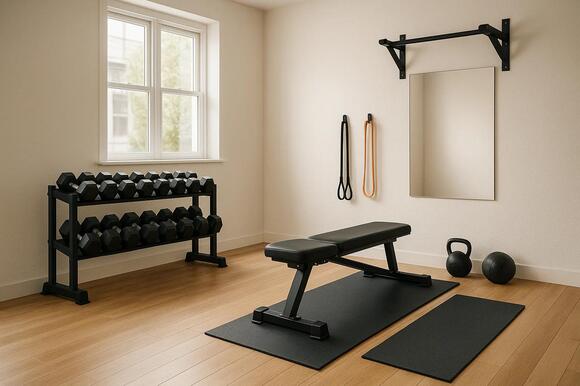
If you’re tight on space or budget, a small gym can still pack a punch. Expect to spend between $200 to $1,000. This usually covers essentials like:
- Dumbbells or resistance bands
- A yoga mat or foldable bench
- A jump rope or kettlebell
Many people underestimate how effective these basics can be. Have you tried focusing on bodyweight exercises with minimal gear? It’s surprising how far you can go without fancy machines.
Medium Home Gyms
Medium-sized gyms often fit comfortably in a spare room or garage corner. Budget around $1,000 to $5,000. This range allows you to add:
- A multi-functional weight machine or power rack
- A treadmill or stationary bike
- Adjustable dumbbells and a bench
Investing here means you can target different muscle groups effectively. Think about your workout variety—are you ready to switch from cardio to strength without leaving your home?
Full-scale Home Gym
For serious fitness enthusiasts, a full-scale gym can cost anywhere from $5,000 to $20,000+. It includes:
- Commercial-grade machines
- Squat racks, barbells, and plates
- Multiple cardio machines and accessories
Many people skip a gym membership once they invest here. But remember, this requires ample space and commitment. Are you prepared to maintain and regularly use this level of equipment?
Saving Tips For Home Gym Setup
Setting up a home gym can be costly, but saving money is possible. Smart planning and timing help cut expenses. Simple strategies make equipment affordable without sacrificing quality. These tips focus on saving money during your home gym setup.
Seasonal Sales And Discounts
Many stores offer discounts during holidays and special sales events. Watch for deals around Black Friday, New Year, and summer sales. Clearance sales help find great prices on last-season equipment. Signing up for newsletters can alert you to exclusive discounts. Patience pays off when waiting for the right sale.
Bundle Deals And Memberships
Buying equipment bundles often costs less than buying items separately. Look for sets that include weights, mats, and resistance bands. Some brands offer memberships with access to online classes and discounts. Bundles save money and provide a variety of workout tools. This option simplifies shopping and cuts total costs.
Financing And Payment Plans
Many retailers offer financing options with low or no interest. Payment plans spread the cost over several months. This approach makes expensive equipment easier to afford. Always check terms and conditions before choosing financing. Paying on time avoids extra fees and keeps your budget safe.
Maintenance And Long-term Expenses
Setting up a home gym is a smart investment, but it comes with ongoing costs. Maintenance and long-term expenses affect your budget beyond the initial purchase. Understanding these costs helps you plan better and avoid surprises.
Equipment Upkeep
Regular care keeps gym equipment working well and safe. Cleaning machines prevents dust and sweat buildup. Lubricating moving parts stops squeaks and wear. Tightening bolts and screws ensures stability. Scheduled inspections detect issues early, saving repair costs later.
Replacement Parts
Some gym parts wear out faster than others. Treadmill belts, bike pedals, and resistance bands may need replacement. Costs vary by brand and type. Keep spare parts handy to avoid long downtime. Buying quality parts prolongs equipment life and saves money.
Energy And Utility Costs
Electric machines like treadmills and ellipticals increase your power bill. Lights and fans add to monthly expenses. Energy-efficient devices reduce consumption. Use timers or smart plugs to control usage. Calculating these costs helps manage your monthly budget.
Credit: www.newsbreak.com
Frequently Asked Questions
How Much Does A Basic Home Gym Cost?
A basic home gym typically costs between $200 and $1,000. This includes essential equipment like dumbbells, resistance bands, and a yoga mat. Prices vary based on brand quality and equipment types.
What Factors Influence Home Gym Costs?
Home gym costs depend on equipment quality, variety, and space. Additional factors include brand, delivery fees, and installation charges. Custom setups and smart gym equipment also increase the overall price.
Are Used Home Gym Equipments Cheaper?
Yes, used gym equipment is generally cheaper and can save you 30-70%. However, condition and warranty vary, so inspect items carefully before purchase to avoid hidden repair costs.
How Much Do Advanced Home Gyms Cost?
Advanced home gyms with machines like treadmills and ellipticals range from $1,000 to $5,000 or more. High-tech features and brand reputation significantly raise the price.
Conclusion
Building a home gym can fit many budgets. Costs vary based on equipment and space. Simple setups cost less but still offer good workouts. Bigger gyms with machines and weights cost more. Think about your goals and how much you want to spend.
Start small and add gear over time. A home gym saves time and gym fees. It helps keep fitness close and easy. Your health matters most, so choose what works best. Creating your space can bring lasting benefits and motivation.







