
Thinking about setting up a home gym but worried about the cost? You’re not alone.
Many people want to get fit at home but aren’t sure how much money they need to invest. The good news is, creating a home gym can fit a variety of budgets. Whether you want just a few pieces of equipment or a full setup, understanding the costs upfront helps you plan better and avoid surprises.
You’ll discover exactly how much it costs to build a home gym that suits your needs and goals. Keep reading to find out how to get the best value without overspending.
Setting Your Home Gym Budget
Setting your home gym budget is the first crucial step toward building a workout space that fits both your fitness goals and your finances. Knowing how much you want to spend helps you make smart choices and avoid overspending on equipment you might not need. It also sets clear boundaries, so you can focus on what matters most: creating a gym that motivates you to stay active.
Factors Influencing Cost
Several elements affect the price of setting up a home gym. The type of equipment you choose plays a big role—cardio machines like treadmills often cost more than free weights or resistance bands.
Space matters too. A larger area may require more equipment or special flooring, adding to the total cost. Your fitness goals also guide what you buy; strength training gear can differ significantly in price from yoga mats or pilates balls.
- Equipment quality and brand
- Number and type of machines or tools
- Space preparation such as flooring or mirrors
- Additional accessories like heart rate monitors or smart tech
Ask yourself: What workout types do you enjoy most? This helps prioritize spending on equipment that matches your preferences.
Balancing Quality And Price
Quality matters, but expensive doesn’t always mean better for your needs. It’s tempting to buy the top-of-the-line treadmill, but do you actually use it enough to justify the cost?
Look for equipment that offers durability and good reviews without breaking the bank. Sometimes mid-range options provide the best value, lasting long enough to make your investment worthwhile.
Consider buying used or refurbished gear. Many people sell perfectly good equipment at a fraction of the price. Just make sure to test or inspect items before purchase.
- Set priorities: buy quality for frequently used equipment
- Save on less critical gear with budget-friendly options
- Check warranties and return policies
- Think about long-term use rather than impulse buys
Have you ever bought something just because it looked impressive, only to rarely use it? Keep your budget realistic and focused on what truly supports your fitness journey.

Credit: www.reddit.com
Essential Equipment Costs
Building a home gym can be exciting and cost-effective. Understanding essential equipment costs is crucial. This guide breaks down the prices of key items. It helps create a balanced workout space without overspending.
Cardio Machines
Cardio machines are vital for heart health and endurance. Treadmills range from $300 to $2,000. Basic models are affordable. High-end ones offer advanced features. Exercise bikes cost between $200 and $1,500. They suit different fitness levels. Elliptical trainers are priced from $500 to $2,000. They provide a low-impact workout option.
Strength Training Gear
Strength training is essential for muscle building. Dumbbells are versatile and range from $50 to $300 per set. Adjustable dumbbells are space-saving options. Barbells and weight plates cost around $100 to $500. Power racks are more costly, ranging from $300 to $1,500. They provide safety for heavy lifting.
Flexibility And Recovery Tools
Flexibility and recovery tools enhance workout benefits. Yoga mats are affordable, costing $20 to $100. Foam rollers range from $10 to $50. They help with muscle recovery. Resistance bands cost $10 to $40 per set. These are great for stretching and strength exercises.
Space And Setup Expenses
Creating a home gym requires more than just buying equipment. Space and setup expenses play a big role in the total cost. Choosing the right area, protecting floors, and organizing equipment all add to the budget. These factors impact how comfortable and efficient your gym will be.
Choosing The Right Room
Select a room with enough space for your workout gear. A spare bedroom, basement, or garage works well. Consider ceiling height and ventilation. Natural light helps keep the space inviting. Avoid cramped areas that limit movement or cause discomfort.
Flooring And Mats
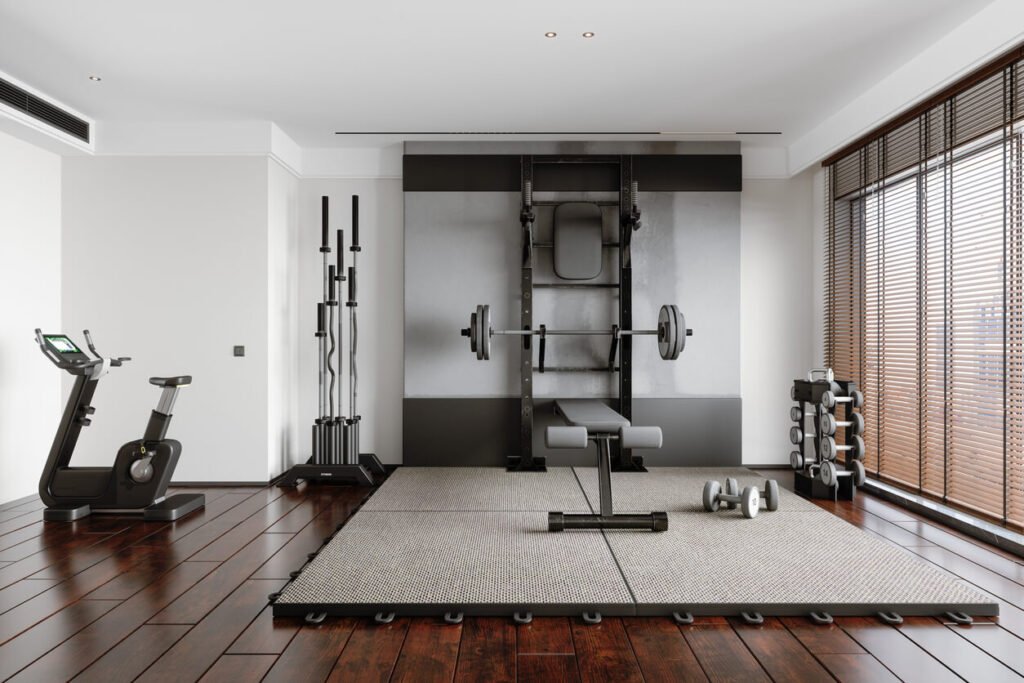
Protect floors from heavy weights and sweat damage. Use rubber mats or foam tiles to cushion impacts. Flooring costs vary by material and size. Durable mats last longer and reduce noise. Choose mats that fit your equipment and workout style.
Storage Solutions
Keep your gym tidy and safe with smart storage. Shelves, racks, and hooks organize weights and accessories. Good storage prevents clutter and frees up workout space. Affordable options help manage equipment without extra expense.
Credit: homegymmentor.com
Budget Options For Beginners
Starting a home gym does not need a large budget. Beginners can create an effective workout space without spending much. Choosing simple, affordable options helps build fitness habits early. Smart purchases and creative ideas make a big difference. This section focuses on budget-friendly ways to start your home gym.
Affordable Equipment Picks
Basic equipment offers many exercise possibilities. Here are some low-cost essentials:
- Resistance bands – versatile and cheap for strength training.
- Jump rope – great for cardio and space-saving.
- Yoga mat – useful for stretching and floor exercises.
- Dumbbells – start with light weights for beginners.
- Stability ball – enhances balance and core workouts.
Buy used items or look for discounts to save more. Focus on equipment that fits your space and workout style.
Diy Gym Hacks
Save money by making your own gym tools. Simple household items can replace costly gear.
- Fill water bottles as light weights.
- Use a sturdy chair for step-ups or dips.
- Fill a backpack with books for weighted exercises.
- Use towels for sliders on smooth floors.
- Make a jump rope from durable rope or cord.
These hacks help beginners start exercising immediately. Creativity lowers costs and adds fun to workouts.
Mid-range Home Gym Investments
Investing in a mid-range home gym means balancing quality and cost. You get better equipment than basic models without overspending on luxury brands. This level fits most fitness goals and budgets, offering reliable gear that lasts.
Upgraded Machines And Accessories
Mid-range gyms often feature machines with enhanced durability and smoother operation. Instead of basic treadmills, you might find models with better shock absorption and multiple speed settings. Dumbbells come in ergonomic designs with comfortable grips, making your workouts more effective and enjoyable.
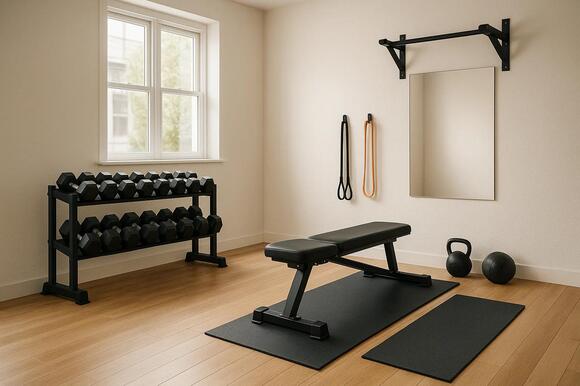
Adding accessories like adjustable benches, resistance bands, and kettlebells expands your exercise options. These upgrades allow you to switch between strength training, cardio, and flexibility exercises easily. Have you noticed how a small change, like a better rowing machine, can motivate you to stick with your routine?
Combining Functionality And Style
Mid-range setups often blend practical features with appealing designs. Equipment in sleek finishes or vibrant colors can make your gym space inviting. This encourages you to use your home gym more frequently because it looks and feels good.
Storage solutions also improve at this level, with racks and holders that keep your space tidy. A well-organized gym saves time and reduces frustration, helping you focus on your workout. Think about how much more motivated you’d be if your gym looked as good as it worked.
High-end Home Gym Costs
Building a high-end home gym requires a bigger investment than basic setups. Quality, durability, and advanced features raise the price. These gyms offer more than just equipment; they provide a full fitness experience. Expect to spend thousands of dollars on machines, accessories, and technology that last for years.
Premium Equipment Features
High-end gym machines come with sturdy frames and smooth mechanics. Expect commercial-grade treadmills and ellipticals with strong motors. Weight machines often use steel cables and heavy plates. Dumbbells and kettlebells come in ergonomic shapes and premium materials. These features improve safety and comfort during workouts.
The design also focuses on space-saving and multi-functionality. Some machines combine several exercises into one unit. This reduces clutter and expands workout variety. Premium equipment often includes warranty and service plans for long-term support.
Smart Technology Integration
Modern home gyms use smart technology to track progress and customize workouts. Touchscreen consoles show real-time data like heart rate and calories burned. Many machines connect with apps for workout plans and virtual coaching. Some systems sync with wearables to monitor health metrics.
Smart features may include interactive classes and video streaming. Voice control and AI-based trainers add convenience. These technologies can increase motivation and help reach fitness goals faster. The cost of smart integration adds to the overall gym price but offers a richer experience.
Hidden And Ongoing Expenses
Setting up a home gym involves more than just buying equipment. Many hidden and ongoing expenses can impact your budget over time. These costs are often overlooked but are crucial to keep your gym functional and enjoyable.
Maintenance And Repairs
Gym equipment needs regular care to last long. Machines like treadmills and ellipticals require oiling and cleaning. Worn-out parts must be replaced to avoid breakdowns. Dumbbells and benches may need tightening and checks. Ignoring maintenance can lead to costly repairs or early replacement.
Subscription And App Fees
Many home gym systems offer digital workouts and tracking apps. These services often require monthly or yearly subscriptions. Fees can range from $10 to $50 per month. Some apps include live classes, progress tracking, or personalized plans. These ongoing costs add value but should fit your budget.
Credit: www.newsbreak.com
Cost-saving Tips
Setting up a home gym can be a great investment in your health, but the costs can add up quickly. Luckily, there are smart ways to save money without sacrificing quality. Focusing on cost-saving tips helps you build an effective workout space that fits your budget.
Buying Used Equipment
Used fitness gear often looks intimidating, but it can be a goldmine for budget-conscious buyers. Many people sell barely used treadmills, weights, or benches when upgrading their setup. You might find high-quality machines for half the retail price.
Check local online marketplaces, thrift stores, or even gym closures for deals. Always test equipment or ask for detailed photos before purchasing. You could snag a great deal on brands that normally cost hundreds more.
Ever thought about how many fitness enthusiasts upgrade gear regularly? This creates a steady supply of affordable, gently used items. Could this be your chance to grab premium gear without the premium price?
Seasonal Sales And Discounts
Timing your purchases around sales can save you a surprising amount. Many fitness retailers offer discounts during holidays like Black Friday, New Year, or even summer clearance events. Planning your buys around these times can stretch your dollars further.
Sign up for newsletters or follow brands on social media to get alerts on flash sales or coupon codes. Sometimes, combining discounts with free shipping can bring the total cost down significantly. Don’t hesitate to ask if stores offer price matching or bundle deals.
Think about what gear you need most and watch for price drops. Could waiting a little longer before buying help you afford better equipment? Patience often pays off in the form of extra savings.
Frequently Asked Questions
How Much Does A Basic Home Gym Cost?
A basic home gym typically costs between $300 and $1,000. This includes essential equipment like dumbbells, resistance bands, and a yoga mat. Prices vary depending on brand and quality but basic setups remain affordable for most budgets.
What Factors Affect Home Gym Cost?
Home gym costs depend on equipment quality, quantity, and space. High-end machines and larger setups increase expenses. Budget-friendly options and DIY solutions help reduce overall spending while still providing effective workout options.
Is It Cheaper To Build Or Buy A Home Gym?
Building a home gym can be cheaper if you buy used or DIY equipment. However, purchasing a ready-made set saves time and ensures quality. Costs vary widely based on your fitness goals and available space.
How Much Should I Budget For Home Gym Equipment?
Budget at least $500 to start a functional home gym. This covers basic weights, mats, and cardio equipment. For advanced machines, plan for $2,000 or more depending on your workout preferences.
Conclusion
Building a home gym costs vary based on your needs and space. Basic setups can be affordable, while advanced equipment costs more. Small investments still bring great health benefits. Think about your goals before buying gear. Planning helps avoid overspending or choosing wrong items.
A home gym saves time and gym fees in the long run. Start small, add equipment as you progress. Staying active at home becomes easier and fun. Your health is worth the cost.







