
Are you thinking about setting up your own gym but worried about how much it will cost? You’re not alone.
Knowing the price of gym equipment is the first step to planning your fitness space without breaking the bank. Whether you want a simple setup or a full home gym, understanding the costs can help you make smart choices. Keep reading, and you’ll discover exactly what to expect when buying gym gear, so you can get the best value for your money and stay motivated on your fitness journey.
Factors Influencing Gym Equipment Prices
Gym equipment prices vary widely due to several key factors. Understanding these factors helps you choose the right gear for your budget and needs. Prices depend on what type of equipment you want, its quality, and whether it is new or used. The intended use—commercial or home—also plays a big role in cost differences.
Equipment Type And Function
Different gym machines serve different purposes. Cardio machines like treadmills usually cost more than simple weights. Strength training equipment varies from dumbbells to complex cable machines. The more advanced the function, the higher the price tends to be. Basic gear costs less but may offer limited workout options.
Brand And Quality
Well-known brands usually charge more for their reputation and quality. High-quality materials and durable construction raise the price. Cheap brands may look similar but often lack durability. Investing in trusted brands can save money on repairs and replacements later.
New Vs. Used Equipment
New equipment comes with warranties but costs more upfront. Used gear offers lower prices but might have wear and tear. Check used items carefully for damage or missing parts. Some used equipment can be a good bargain if maintained well.
Commercial Vs. Home Use
Commercial gym equipment is built to last through heavy daily use. These machines are more expensive due to stronger parts and better design. Home-use equipment is lighter and costs less but may not handle intense workouts. Choosing the right type depends on your workout frequency and space.
Credit: www.newsbreak.com
Cost Breakdown Of Popular Gym Equipment
Investing in gym equipment can be a significant decision. Understanding the costs involved helps in making informed choices. Here’s a detailed breakdown of popular gym equipment, categorized into essential sections.
Cardio Machines
Cardio machines are staples in any gym setting. Treadmills are popular and range from $300 to $3,000. Budget models offer basic features. Premium options include advanced technology.
Ellipticals provide low-impact workouts. Prices vary between $200 and $2,500. Stationary bikes are versatile and cost between $100 and $2,000. Rowing machines offer full-body workouts, priced from $200 to $1,500.
Strength Training Gear
Strength training equipment is essential for muscle building. Multi-gyms provide all-in-one solutions. They range from $300 to $3,000. Power racks offer safety and versatility. Expect to pay $200 to $1,500.
Weight benches are necessary for many exercises. Prices range from $50 to $500. Smith machines offer guided barbell workouts. They range from $500 to $2,000.
Free Weights And Accessories
Free weights offer flexibility and variety. Dumbbells are fundamental, costing $10 to $300 per set. Barbells are crucial for various lifts, priced between $50 and $500.
Kettlebells provide dynamic workout options. Prices range from $20 to $200. Weight plates are necessary for barbells. They cost between $1 and $3 per pound.
Functional Fitness Equipment
Functional fitness equipment enhances diverse workout routines. Medicine balls are versatile, ranging from $10 to $100. Resistance bands offer portable strength training. They cost between $10 and $50.
Battle ropes provide intense cardio and strength workouts. Expect to pay $30 to $150. Plyometric boxes improve explosive strength. Prices range from $50 to $300.
Budget-friendly Options For Home Gyms
Creating a home gym on a budget is possible with smart equipment choices. Focusing on essentials helps save money and space. This guide covers affordable cardio, compact strength tools, and smart buying options. These choices suit small spaces and tight budgets.
Affordable Cardio Alternatives
Cardio machines can be expensive, but budget options exist. Jump ropes, for example, cost very little and burn many calories. A stationary bike or a basic treadmill often comes at a lower price than advanced models. Consider compact step platforms or aerobic mats for simple cardio workouts. These tools keep your heart healthy without breaking the bank.
Compact Strength Equipment
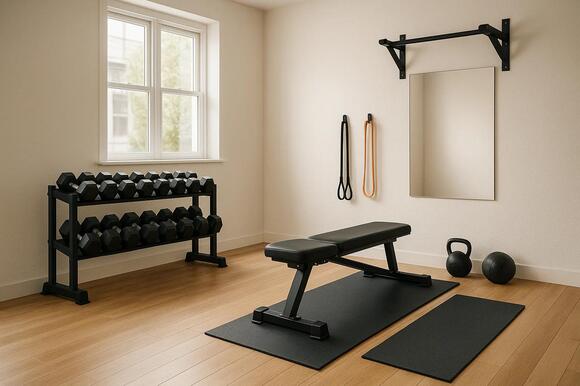
Strength training gear does not need to be large or costly. Resistance bands offer many exercises and take little room. Adjustable dumbbells save space by combining multiple weights in one set. Kettlebells and medicine balls provide versatile workouts and fit easily in small areas. Compact benches or foldable racks help complete your setup without high costs.
Diy And Second-hand Choices
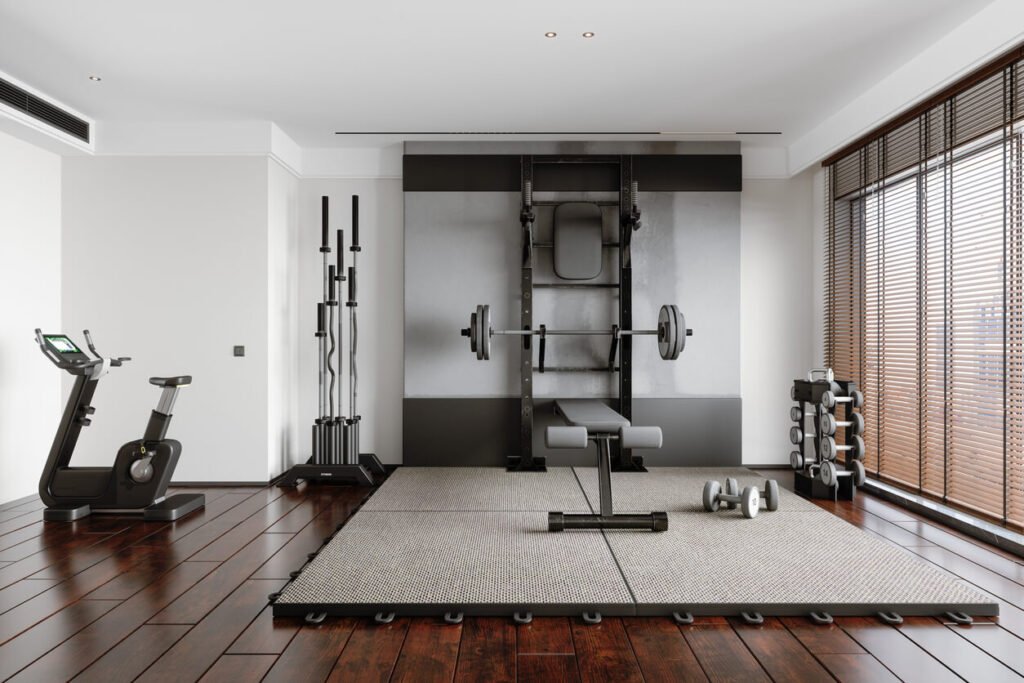
DIY gym equipment can cut costs and add a personal touch. Simple items like sandbags or homemade weights work well. Buying second-hand gear is another smart way to save. Check local listings or thrift stores for used machines and weights. Inspect items carefully to ensure safety and function before purchase.
Credit: homegymmentor.com
Investing In Quality Vs. Saving Money
Choosing between high-quality gym equipment and cheaper alternatives affects your fitness journey. Quality gear costs more initially but may last longer and perform better. Saving money upfront might mean replacing items sooner or facing more repairs. Understanding these trade-offs helps make smart buying decisions that fit your budget and goals.
Durability And Warranty
Quality equipment uses strong materials that resist wear and tear. It often comes with longer warranties covering parts and repairs. Cheaper machines may break faster and have limited or no warranty. A solid warranty reduces unexpected costs and gives peace of mind.
Long-term Benefits
Investing in sturdy gym gear means fewer replacements over time. Good machines stay stable and safe during workouts. They provide a better exercise experience and can improve results. Saving money now might lead to higher costs later due to repairs or buying again.
When To Prioritize Cost
Choosing budget equipment suits beginners or casual users. For simple workouts, basic machines can work well. If funds are tight, focus on essentials rather than extras. Upgrading later is easier once fitness needs grow or budget allows.
Additional Expenses To Consider
Buying gym equipment is just the start of your fitness investment. There are several additional expenses that can add up quickly and impact your budget. Understanding these costs helps you plan better and avoid surprises down the line.
Maintenance And Repairs
Gym equipment needs regular care to stay safe and functional. Machines with moving parts, like treadmills and ellipticals, often require lubrication, belt replacements, or calibration. Without maintenance, you risk expensive repairs or even having to replace the equipment sooner than expected.
Think about how often you’ll use your gear. Heavy daily use means more wear and tear. Can you handle basic upkeep yourself, or will you need a professional? These questions affect your long-term costs.
Delivery And Assembly Fees
Many gym machines are bulky and heavy. Delivery charges can be higher than you expect, especially for larger items like weight racks or rowing machines. Some sellers charge extra for bringing equipment upstairs or into tight spaces.
Assembly is another cost to consider. Complex machines might need expert setup to ensure safety and performance. If you’re not comfortable assembling equipment, paying a professional can save time and frustration.
Storage And Space Requirements
Do you have enough room for your gym equipment? Some pieces require significant floor space, and overcrowding can limit your workout options. You might need to clear out or dedicate a specific area, which can mean additional home modifications or storage solutions.
Think about multi-use spaces. Will your equipment stay in a shared room, or do you have a dedicated gym area? Proper storage protects your investment and keeps your workout area safe and organized.
Tips For Finding Deals And Discounts
Finding good deals on gym equipment saves money without sacrificing quality. Being patient and smart helps buy gear at lower prices. Knowing where and when to shop increases chances of discounts. Explore various options to get the best value for your budget.
Seasonal Sales And Clearance
Many stores offer big discounts during seasonal sales. Look for deals during holidays like Black Friday or New Year. Clearance sections have items at reduced prices to clear old stock. Shopping at these times can lead to major savings on gym gear.
Online Marketplaces
Websites like Amazon and eBay have a wide selection of equipment. Prices often beat those in physical stores. Read reviews and check seller ratings before buying. Some marketplaces offer daily deals or flash sales worth checking regularly.
Bundle Offers
Buying sets or bundles can lower the total price. Bundles often include multiple pieces of equipment or accessories. This option is useful for setting up a home gym quickly. Compare bundle prices to buying items separately for the best deal.

Credit: www.reddit.com
Frequently Asked Questions
How Much Does Basic Gym Equipment Cost?
Basic gym equipment like dumbbells, resistance bands, and mats typically costs between $50 and $300. Prices vary by brand and quality. Simple gear for home workouts is affordable and accessible for most budgets.
What Is The Price Range For Home Gym Machines?
Home gym machines, such as treadmills or ellipticals, range from $500 to $3,000. Higher-end models with advanced features cost more. Consider your budget and space before purchasing.
Are Commercial Gym Equipment Prices Higher Than Home Equipment?
Yes, commercial gym equipment prices are generally higher. They cost between $2,000 and $10,000 due to durability and advanced technology. These machines are built for heavy, frequent use in gyms.
How Can I Save Money On Gym Equipment?
To save money, buy used equipment or look for sales and discounts. Consider multi-functional machines to get more value. Comparing prices online also helps you find the best deals.
Conclusion
Choosing gym equipment depends on your budget and fitness goals. Basic gear costs less but serves well for beginners. High-end machines offer more features but come at a higher price. Consider what exercises you want to do most. Quality matters to avoid frequent replacements.
Think about space available in your home too. Take time to compare prices and read reviews. With careful planning, you can find equipment that fits your needs and budget. Start small, then add more as you progress. Staying active is what truly counts.







