
Are you tired of hitting the gym day after day without seeing the muscle gains you desire? You’re not alone.
Many people struggle with finding the right workout routine that actually builds muscle efficiently. If you’ve been lifting weights but aren’t sure if you’re doing enough sets and reps, then it’s time to rethink your strategy. Understanding the ideal number of sets and reps could be the game-changer you need for massive muscle growth.
Imagine finally seeing those gains you’ve been dreaming of, simply by adjusting how you lift. Intrigued? Let’s dive into the science behind sets and reps to unlock your full muscle-building potential.
Muscle Growth Basics
Building muscle is more than just lifting weights; it’s about understanding how your body responds to different training loads. The basics of muscle growth involve manipulating sets and reps in a way that challenges your muscles enough to adapt and grow. Knowing the science behind these numbers helps you train smarter, not just harder.
Role Of Sets And Reps
Sets and reps are the building blocks of your workout. A rep, or repetition, is one complete movement of an exercise, while a set is a group of consecutive reps. The combination you choose influences the type of strength or muscle growth you’ll achieve.
For muscle growth, you want to focus on a moderate number of reps with enough sets to create volume. Too few reps might build strength but not size, and too many reps often improve endurance more than muscle mass.
Think about how many sets and reps you currently do. Are you pushing yourself enough to stimulate growth, or just maintaining your muscles? Adjusting these variables can unlock new progress.
Muscle Hypertrophy Explained
Muscle hypertrophy means muscle growth. It happens when muscle fibers sustain small amounts of damage from exercise, then repair stronger and bigger. The key to triggering hypertrophy lies in the right combination of intensity and volume.
Typically, hypertrophy happens best with 6 to 12 reps per set, using a weight that fatigues your muscles by the last rep. Performing 3 to 5 sets is a common approach to create enough stimulus for growth.
Have you noticed your muscles stop growing despite regular workouts? It might be time to tweak your sets and reps to better target hypertrophy. Remember, muscle growth is a response to stress—not just any stress, but the right kind.

Credit: www.youtube.com
Optimal Sets For Muscle Gain
Finding the right number of sets is key to building muscle effectively. Sets create the workload that challenges muscles and stimulates growth. Too few sets may not push muscles enough. Too many sets can cause fatigue and slow recovery. Striking a balance helps maximize gains while avoiding injury.
Recommended Sets Per Muscle Group
Most studies suggest aiming for 10 to 20 sets per muscle group each week. This range supports muscle growth without excessive strain. For beginners, starting at the lower end helps the body adapt. More advanced lifters may increase sets to boost progress.
- Large muscle groups like legs and back often need 15 to 20 weekly sets.
- Smaller muscles like biceps and triceps respond well to 10 to 15 sets.
- Spread sets across multiple workouts for consistent stimulus.
Balancing Volume And Recovery
Volume means total sets multiplied by reps and weight. Higher volume can speed muscle growth but demands proper recovery. Without enough rest, muscles do not repair well. Overtraining can cause injuries and stall progress.
Allow at least 48 hours before training the same muscle group again. Pay attention to signs of fatigue or soreness. Adjust sets and rest days based on how your body feels. Recovery is just as important as training volume for muscle gain.
Ideal Reps For Strength And Size
Choosing the ideal number of reps is crucial for targeting specific muscle goals. Your rep range directly affects whether you build raw strength, muscle size, or endurance. Understanding these differences helps you train smarter and see better results.
Low Reps For Strength
Performing low reps, usually between 1 to 5, with heavy weights focuses on increasing your maximal strength. This range trains your nervous system to recruit more muscle fibers efficiently.
If you’ve ever tried squatting near your one-rep max, you know how challenging and intense it feels. It’s not about muscle size here but about how much force your muscles can generate.
Stick to sets of 3-6 reps for exercises like deadlifts, bench presses, and squats to build serious strength. Rest longer between sets to maintain power and form.
Moderate Reps For Hypertrophy
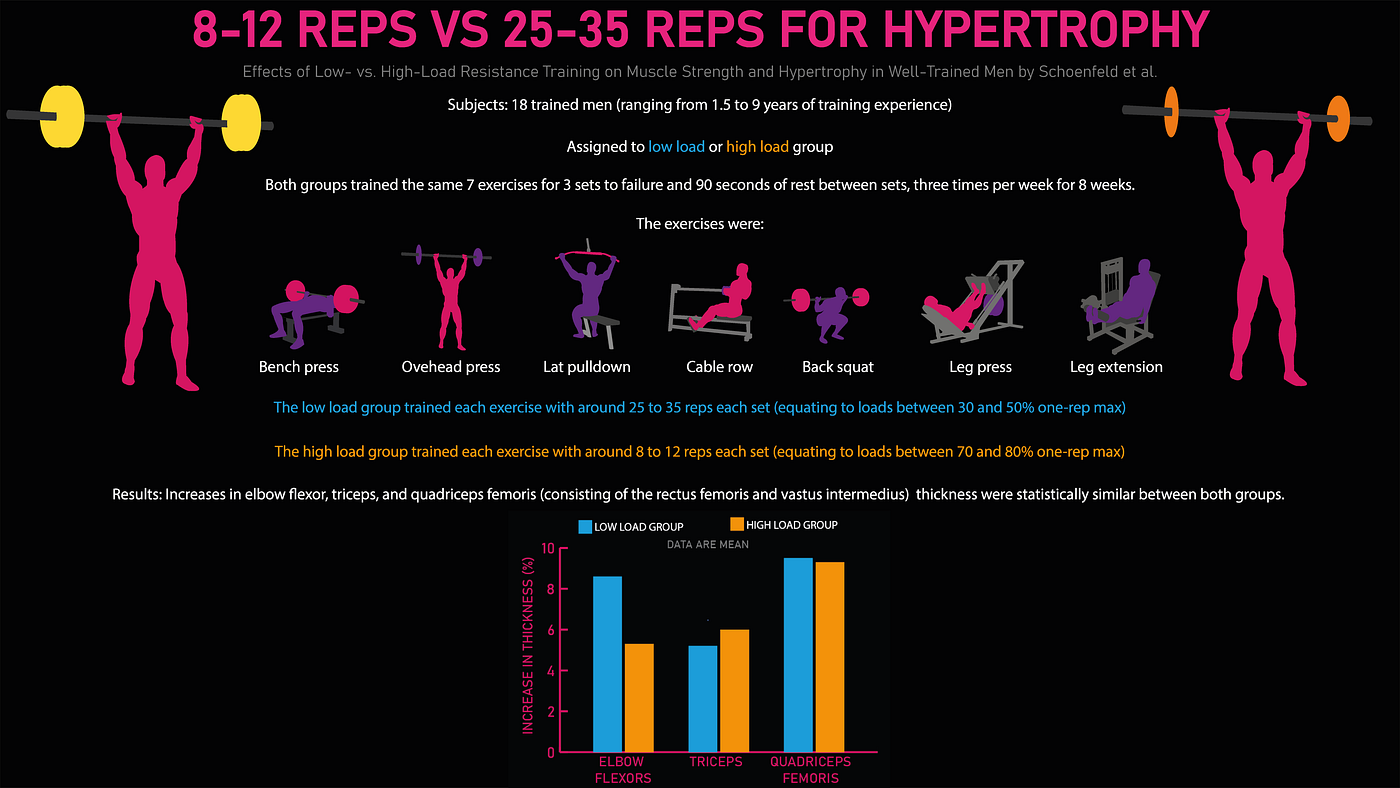
The sweet spot for muscle growth usually lies between 6 to 12 reps per set. This range causes muscle fibers to fatigue enough to stimulate size increases without sacrificing form.
When you push your muscles to work hard in this rep range, you create tiny tears that your body repairs, making muscles bigger and stronger. This is the range I personally found most effective for gaining noticeable size.
Try 3-4 sets of 8-12 reps with moderate weights, focusing on controlled movements and muscle contraction. Shorter rest periods, around 30-60 seconds, keep the muscle under tension longer.
High Reps For Endurance
High reps, usually 15 or more per set, improve muscular endurance rather than size or maximal strength. This helps muscles sustain activity for longer periods.
Think about activities like long-distance running or cycling, where muscles need to perform repeatedly over time. High rep training builds stamina by increasing the muscles’ ability to resist fatigue.
Use lighter weights and aim for 2-3 sets of 15-20 reps. This approach suits those wanting leaner muscles or to complement strength training with endurance.

Credit: uk.style.yahoo.com
Training Intensity And Load
Training intensity and load play a key role in muscle growth. The right intensity pushes muscles to adapt and grow stronger. Load refers to the amount of weight lifted during exercise. Both must be balanced to avoid injury and ensure progress.
Choosing The Right Weight
Select a weight that challenges muscles but allows good form. Aim for a load where the last few reps feel tough. If you finish easily, increase the weight slightly. Using too heavy weights can cause poor form and injury.
The ideal weight lets you complete your planned reps with effort. For muscle building, aim for 6 to 12 reps per set. This rep range helps stimulate muscle fibers effectively without overstraining.
Progressive Overload Strategies
Muscles grow by adapting to increasing stress. Progressive overload means gradually increasing the load or reps over time. This forces muscles to work harder and grow stronger.
Ways to apply progressive overload:
- Increase weight in small steps each week.
- Add more reps while keeping the same weight.
- Increase the number of sets for more volume.
- Reduce rest time between sets to boost intensity.
Track your progress to ensure steady improvement. Consistent overload leads to muscle growth and strength gains.
Frequency And Split Routines
Frequency and split routines play a big role in muscle growth. Choosing how often to train each muscle group impacts strength and size gains. Balancing workouts helps avoid injury and keeps muscles growing. Understanding full body and split training helps pick the right plan. Knowing muscle recovery time ensures muscles heal and grow well.
Full Body Vs. Split Training
Full body training works all major muscles in one session. It usually happens three times a week. This routine suits beginners or those with limited workout days.
Split training divides muscle groups across different days. For example:
- Day 1: Chest and triceps
- Day 2: Back and biceps
- Day 3: Legs and shoulders
Split routines allow more focus on each muscle group. They often require 4-6 workout days weekly.
Full body training promotes frequent muscle stimulation. Split training targets muscles intensely but less often.
Muscle Recovery Time
Muscle recovery is key to building strength and size. After training, muscles need rest to repair and grow.
Most muscles recover within 48 to 72 hours. Training the same muscle too soon can cause fatigue.
Full body routines give muscles 48 hours before working them again. Split routines allow 3-4 days of rest for each muscle group.
Rest days and sleep support muscle recovery. Proper recovery reduces injury risk and improves workout results.
Credit: medium.com
Advanced Techniques To Boost Gains
Advanced training techniques push your muscles beyond normal limits. They increase intensity without adding more weight. This helps break through plateaus and encourages more muscle growth.
Using these methods smartly can improve workout efficiency. Each technique targets muscles differently and challenges endurance and strength.
Drop Sets And Supersets
Drop sets involve doing a set until failure, then lowering the weight immediately. Without resting, continue the exercise at the lighter weight. This method exhausts muscles more deeply and boosts growth.
Supersets combine two exercises back-to-back with no rest. They work either the same muscle group or opposing muscles. Supersets save time and increase workout intensity.
Tempo Training
Tempo training controls the speed of each lift phase. For example, lift weight slowly, hold the position, then lower it even slower. This trains muscles to handle tension longer and improves control.
Changing tempo challenges muscles differently than just lifting fast or heavy. It also helps build better muscle shape and strength.
Time Under Tension
Time under tension measures how long muscles stay under strain during a set. Increasing this time causes more muscle damage, which leads to growth.
Slow, controlled movements increase time under tension. Focus on keeping muscles tight and steady during each rep for best results.
Common Mistakes To Avoid
Building muscle requires careful planning of sets and reps. Many people make mistakes that slow progress or cause injury. Avoiding these errors helps you train smarter and see better results. Focus on quality over quantity and listen to your body’s signals.
Overtraining Risks
Doing too many sets or reps can lead to overtraining. This causes fatigue, weakens muscles, and increases injury risk. Rest days are as important as workout days. Your muscles need time to repair and grow stronger. Signs of overtraining include constant soreness, low energy, and poor sleep. Balance your workout intensity with proper recovery for best gains.
Ignoring Form And Technique
Poor form wastes effort and can cause injuries. It reduces the effectiveness of each set and rep. Focus on controlled movements and correct posture. Use lighter weights to master technique before increasing load. A proper form targets muscles better and prevents strain on joints. Quality reps beat quantity every time.
Tracking Progress And Adjustments
Tracking progress helps you see if your workout plan builds muscle effectively. It guides you on when to adjust sets and reps to avoid plateaus. Regular tracking keeps your muscles challenged and growing.
Monitoring Strength Gains
Track your strength by noting the weight lifted each session. Keep a workout journal or use a fitness app. Watch for consistent increases in weight or reps over weeks. Strength gains show your muscles adapt and grow. If strength stalls, it signals a need to adjust your routine.
When To Change Sets And Reps
Change sets and reps when progress slows or stops. Increase reps if you can complete all sets easily. Add weight when reps become too simple. Alter sets to match your recovery and energy levels. Adjustments keep workouts effective and muscles growing.
Frequently Asked Questions
How Many Sets Are Ideal For Muscle Growth?
Typically, 3 to 5 sets per exercise optimize muscle growth. This range balances workload and recovery effectively. Adjust based on fitness level and goals.
What Is The Best Rep Range To Build Muscle?
Aim for 6 to 12 reps per set to maximize hypertrophy. This rep range promotes muscle tension and metabolic stress, key for muscle growth.
Should I Increase Sets Or Reps To Build Muscle?
Increase sets to add volume and reps to build endurance. For muscle growth, prioritize sets within the hypertrophy rep range for best results.
How Often Should I Train Each Muscle Group?
Train each muscle group 2 to 3 times weekly. Frequent stimulation supports muscle growth while allowing adequate recovery time between sessions.
Conclusion
Building muscle needs the right sets and reps. Choose weights that challenge your muscles. Aim for 3 to 5 sets per exercise. Keep reps between 6 and 12 for growth. Rest well between sets to recover. Consistency is key for lasting results.
Track your progress and adjust as needed. Enjoy the process and stay patient. Muscle growth takes time and effort. Keep pushing, and you will see gains.







