
Feeling down or overwhelmed can make everyday life harder than it needs to be. What if there was a simple, natural way to lift your mood and ease those heavy feelings?
Exercise isn’t just good for your body—it can also be a powerful tool to reduce depression symptoms. You’ll discover how moving your body can change your brain, boost your energy, and help you feel more like yourself again. Keep reading to find out how exercise can become your secret weapon against depression.
Credit: medium.com
Link Between Exercise And Depression
Understanding the link between exercise and depression can change how you approach your mental health. Exercise does more than just improve your physical fitness—it actively influences the brain’s chemistry and emotional balance. Let’s look at how this connection works in real terms.
Physical Activity’s Impact On Brain Chemistry
When you engage in physical activity, your brain responds by changing its chemical environment. Exercise increases the production of key brain chemicals that influence mood and motivation. This shift can make feelings of sadness or hopelessness less intense.
Think about a time when a short walk lifted your spirits—this is your brain chemistry at work. Even moderate exercise can help your brain create new neural connections, improving how you process emotions. Could a simple daily routine be the missing piece in managing your mood?
Role Of Endorphins And Neurotransmitters
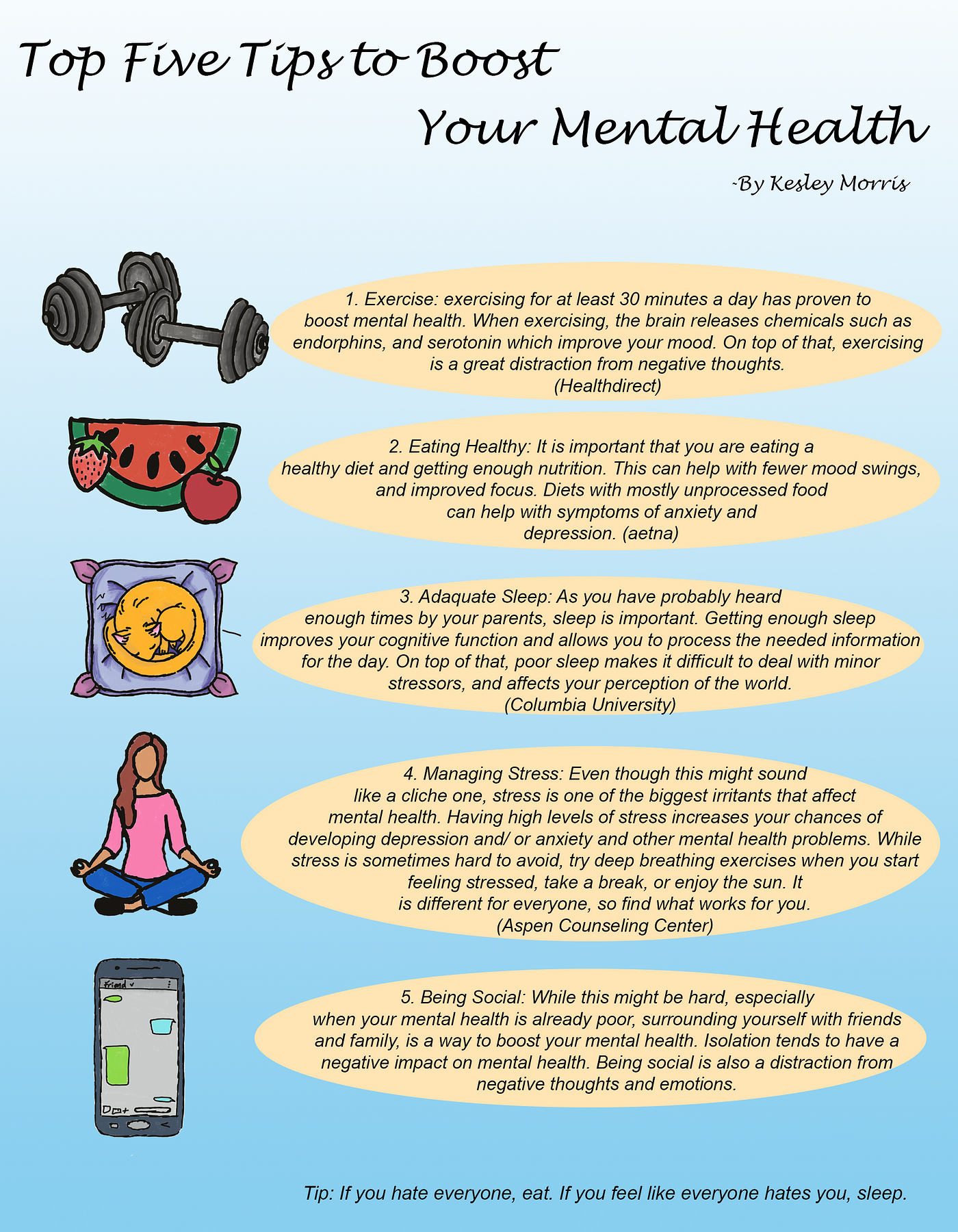
Endorphins are natural painkillers your body produces during exercise. They help reduce discomfort and produce a sense of well-being, often called a “runner’s high.” This boost in endorphins can interrupt the cycle of negative thoughts that feed depression.
Besides endorphins, exercise increases neurotransmitters like serotonin and dopamine. These chemicals regulate mood, appetite, and sleep, all of which often get disrupted in depression. Have you noticed how moving your body can brighten your mood even on tough days?
Exercise And Stress Hormone Regulation
Stress hormones like cortisol often run high when you’re feeling depressed. Regular exercise helps regulate these hormones, preventing them from overwhelming your system. Lower cortisol levels mean your body and mind are less on edge and better able to handle stress.
By managing stress hormones, exercise supports emotional balance and resilience. This effect can make daily challenges feel less daunting and improve your overall outlook. What small change in your activity level could help you feel more in control today?
Types Of Exercise That Help
Exercise like walking, yoga, and swimming can ease depression symptoms by boosting mood and energy. These activities help release natural chemicals that improve how you feel. Regular movement supports both the body and mind.
Exercise is not just about physical health; it’s a powerful tool for improving mental well-being. When it comes to reducing depression symptoms, not all exercises are created equal. Some types of exercise are particularly effective at lifting your mood and combating depressive feelings. Let’s dive into the different types that can make a difference in your life.Aerobic Activities
Aerobic activities like jogging, swimming, or cycling are known for their mood-enhancing benefits. These activities increase your heart rate and release endorphins, often referred to as “feel-good” hormones. Even a brisk 30-minute walk can significantly boost your mood. Do you remember the last time you felt a rush of joy after a workout? That’s the magic of endorphins at work, and they can be a natural antidote to depression.Strength Training Benefits
Strength training is not only about building muscles; it also strengthens your mind. Lifting weights can improve your self-esteem and reduce anxiety levels. Studies have shown that those who engage in regular strength training experience fewer symptoms of depression. Consider incorporating exercises like squats, lunges, or even resistance band workouts into your routine. These can be easily done at home and don’t require much equipment.Mind-body Exercises
Mind-body exercises such as yoga and tai chi focus on the connection between your mind and body. They incorporate breathing exercises, meditation, and gentle movements. This holistic approach can alleviate stress and promote relaxation. Participating in a yoga class or following a tai chi video online can help you find inner peace. Plus, these activities often foster a sense of community and support, which can be invaluable when dealing with depression. What type of exercise resonates with you? By exploring different options, you can find the perfect fit for your lifestyle and mental health needs. Remember, the key is consistency and finding joy in the movement.How Exercise Boosts Mood
Exercise plays a key role in lifting mood and easing depression symptoms. It triggers changes in the brain that help improve emotional well-being. The effects start quickly and build over time, making exercise a powerful tool for mental health.
Immediate Effects On Energy Levels
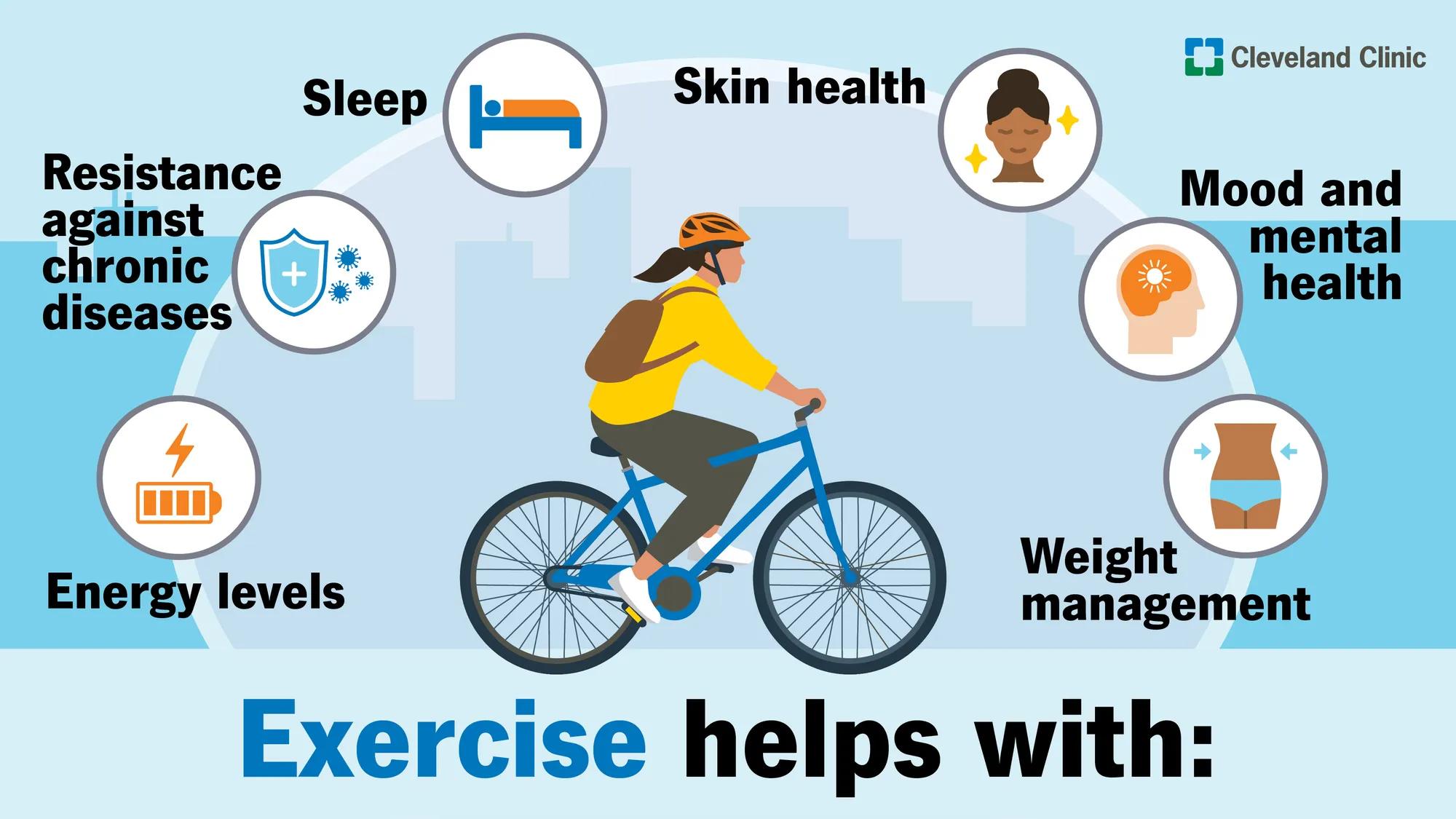
Physical activity boosts blood flow and oxygen to the brain. This increase sparks energy and alertness right after exercise. Moving your body releases chemicals that reduce fatigue. Even a short walk can make you feel more awake and alive.
Long-term Mood Improvements
Regular exercise changes brain chemistry in a lasting way. It helps balance hormones linked to stress and sadness. Over weeks, people notice better sleep and less anxiety. Daily movement can create a steady rise in overall happiness.
Exercise As A Natural Antidepressant
Exercise increases the production of endorphins, the brain’s natural mood lifters. It also raises serotonin and dopamine levels, which regulate mood and motivation. These effects work like medicine but without side effects. Consistent exercise acts as a natural antidepressant, improving mental health safely.
Creating An Effective Routine
Creating an effective exercise routine helps reduce depression symptoms by building structure and motivation. A well-planned routine makes exercise feel less like a chore. It supports mental health by encouraging regular activity and improving mood. Focus on simple steps to create a routine you can enjoy and maintain.
Choosing Enjoyable Activities
Select exercises that feel fun and comfortable. Enjoyment increases the chance to keep going. Try different options like walking, swimming, or dancing. Pick activities that match your energy level and interests. Exercise should feel like a break, not a burden.
Setting Realistic Goals
Start with small, clear goals. Avoid aiming for too much too soon. Simple goals build confidence and create good habits. For example, walk for 10 minutes three times a week. Gradually increase time or intensity as you progress.
Staying Consistent
Consistency is key for lasting benefits. Make exercise part of your daily routine. Choose specific times for workouts to build habit. Keep a journal or use reminders to stay on track. Even short sessions help improve mood over time.
Overcoming Barriers To Exercise
Starting exercise can feel hard for many people with depression. Barriers like low energy, pain, or lack of support often stop people from moving. Understanding these challenges helps make exercise easier and more enjoyable. Small steps can lead to big changes in mood and health.
Dealing With Low Motivation
Low motivation is common in depression. Setting small, clear goals helps to build habit. Try simple activities like walking for 5 minutes. Celebrate each success, no matter how small. Focus on how exercise makes you feel afterward. Keeping a journal can track progress and boost motivation.
Managing Physical Limitations
Physical pain or health issues can limit exercise options. Choose gentle activities like stretching or chair exercises. Listen to your body and rest when needed. Consult a doctor or therapist for guidance. Adaptive exercises help maintain movement without pain or injury.
Finding Support And Accountability
Support makes exercise easier and more fun. Join a group, find a workout buddy, or use online communities. Share goals and progress with friends or family. Accountability keeps you on track on tough days. Positive encouragement helps build confidence and consistency.
Credit: health.clevelandclinic.org
Complementary Strategies
Exercise alone can do a lot to ease depression, but combining it with other strategies often makes a bigger difference. These complementary approaches support your mental health from different angles, helping you build stronger, more lasting improvements. Think of them as puzzle pieces that fit together to create a clearer picture of wellness.
Combining Exercise With Therapy
Therapy provides tools to understand and manage your thoughts and feelings, while exercise helps regulate your mood chemically and physically. Together, they create a powerful balance between mind and body. Have you noticed how a tough workout can sometimes clear your mind? Therapy can help you harness that feeling and apply it to daily challenges.
Many people find that discussing their exercise routine with a therapist leads to practical ways to stay motivated. If you struggle to keep up with workouts, a therapist can help identify mental blocks or negative patterns holding you back. This teamwork makes it easier to stick with your plan and see real progress.
Nutrition’s Role In Mood
What you eat directly affects your brain function and mood stability. Nutrients like omega-3 fatty acids, vitamins D and B12, and antioxidants support brain health and can reduce symptoms of depression. Could adjusting your diet be the missing link in your mental wellness?
Simple changes, such as adding more fruits, vegetables, and lean proteins, can boost your energy for workouts and improve your overall sense of well-being. Avoiding excessive sugar and processed foods helps prevent mood swings and fatigue. Think of your meals as fuel that powers both your body and your mind.
Sleep And Recovery Importance
Sleep is the body’s natural reset button. Without enough rest, exercise becomes less effective and mood regulation suffers. Are you giving yourself the chance to recover fully after physical activity?
Good sleep hygiene supports the brain’s ability to manage stress and repair itself. Prioritize regular sleep schedules and create a calm bedtime routine to enhance the benefits of your workouts. Remember, recovery isn’t a break from progress—it’s part of it.

Credit: www.mdpi.com
Frequently Asked Questions
How Does Exercise Improve Depression Symptoms?
Exercise boosts brain chemicals like serotonin and dopamine. These improve mood and reduce feelings of sadness. Physical activity also lowers stress and anxiety, promoting better mental health overall.
What Types Of Exercise Help Reduce Depression?
Aerobic exercises such as walking, running, and cycling are effective. Strength training and yoga also help by reducing stress and improving mood. Consistency matters more than intensity in managing depression symptoms.
How Often Should I Exercise To Reduce Depression?
Aim for at least 30 minutes of moderate exercise most days. Regular activity helps maintain chemical balance in the brain. Consistency is key to seeing long-term improvements in depression symptoms.
Can Exercise Replace Medication For Depression Treatment?
Exercise complements but does not replace medication for severe depression. It enhances treatment effectiveness and supports mental health. Always consult a healthcare professional before changing treatment plans.
Conclusion
Exercise helps lift mood and ease depression symptoms. It boosts brain chemicals that make you feel good. Regular activity improves sleep and reduces stress. Small steps matter—start with a short walk or simple stretches. Consistency builds strength and supports mental health over time.
Everyone can find a way to move that fits their life. Feel better, think clearer, and gain more energy through exercise. Keep going, even on tough days. Your mind and body will thank you.







