
Have you ever spotted a fast-moving, many-legged creature scurrying across your floor and wondered what it’s eating? Understanding the house centipede diet can help you see why these little critters are in your home—and whether they pose any threat to you.
Knowing what they feed on can also reveal how they might actually help keep other pests under control. If you want to learn what drives these mysterious insects and how their eating habits affect your living space, keep reading. This insight could change the way you feel about having house centipedes around.
Diet Basics
House centipedes are natural hunters that feed on small insects and pests. Their diet helps control unwanted bugs around the house. Understanding what they eat gives insight into their role in home ecosystems.
Types Of Prey
House centipedes prefer live prey that moves slowly or hides. Their common food includes:
- Spiders
- Ants
- Termites
- Cockroaches
- Silverfish
- Bed bugs
- Other small arthropods
They can catch prey much larger than themselves because of their fast legs and venomous claws.
Feeding Habits
House centipedes hunt mostly at night. They use their antennae to sense vibrations and locate prey. After catching it, they inject venom to paralyze the insect quickly. Then, they use their mouthparts to eat the prey. These centipedes prefer fresh, live insects rather than dead ones.
They rarely eat plants or non-living matter. Their hunting helps reduce pest populations inside homes naturally.
Hunting Techniques
House centipedes are skilled hunters with unique techniques that help them catch prey efficiently. Their hunting style combines quick movements and venom to overpower small insects. These methods allow them to survive indoors and control pest populations.
Movement And Speed
House centipedes move very fast. Their many long legs help them run quickly across floors and walls. This speed lets them chase down insects like spiders, cockroaches, and ants. They can change direction quickly, making it hard for prey to escape. Their agility is key to capturing food in tight spaces.
Use Of Venom
House centipedes have venom to immobilize their prey. They use sharp claws near their heads to inject venom. This venom paralyzes insects instantly, stopping any struggle. It makes it easier for the centipede to eat the prey without risk. The venom is not dangerous to humans but very effective for hunting small bugs.
Unexpected Food Preferences
House centipedes surprise many with their food choices. They don’t just eat dead matter or crumbs. Their diet includes a variety of live prey found indoors. This makes them unique hunters in your home.
Common Household Pests
House centipedes feed on many pests that bother homeowners. Their diet helps control pests naturally. Some common prey includes:
- Spiders
- Silverfish
- Cockroaches
- Ants
- Termites
- Flies
They hunt quickly and can catch these pests easily. This makes them helpful in keeping homes pest-free.
Unusual Food Items
Besides common pests, house centipedes eat some strange food items. These are not typical prey for many hunters. They sometimes consume:
- Small moths
- Beetle larvae
- Booklice
- Bed bugs
- Other tiny insects hiding in cracks
This wide diet shows how adaptable house centipedes are. Their ability to eat various insects helps them survive indoors.
Credit: pictureinsect.com
Role In Pest Control
House centipedes play a unique role in pest control within your home. Their diet primarily consists of various household pests, making them natural hunters that help keep unwanted insects in check. Understanding their role can change how you view these often misunderstood creatures.
Natural Predator Benefits
House centipedes feed on a wide range of pests such as spiders, ants, cockroaches, silverfish, and termites. Their speed and venom allow them to catch and immobilize prey quickly. This means fewer pests crawling around your living spaces without relying on chemical sprays.
Think about the last time you spotted a cockroach in your kitchen. Wouldn’t it be better if a house centipede handled it quietly and effectively? Their presence can reduce the need for pesticides, which can be harmful to your family and pets.
Impact On Home Ecosystem
Having house centipedes around can balance your home’s mini-ecosystem. They control pest populations naturally, preventing infestations from growing out of control. This balance supports a healthier environment inside your home.
However, the question is, how do you feel about sharing your space with a predator? While some might find them unsettling, their benefits often outweigh the discomfort. Instead of rushing to eliminate them, consider how they help maintain pest-free areas.
Feeding Frequency And Growth
House centipedes grow best when fed small insects several times a week. Regular feeding supports their energy and development. Feeding too often or too little can slow their growth.
Understanding the feeding frequency and growth of house centipedes can be quite fascinating. These multi-legged creatures have unique dietary habits that play a crucial role in their development. Knowing how often they eat and its effects on their growth can provide insights into their survival strategies and how they might impact your home environment.How Often They Eat
House centipedes are opportunistic feeders. They don’t stick to a strict eating schedule, but rather eat when they find prey. Typically, they feast on small insects like spiders, cockroaches, and ants. Their ability to adapt to various environments means they can thrive even with sporadic feeding. This flexibility allows them to survive in areas with varying prey availability. Have you ever noticed how rarely you see them, yet they seem to persist? This sporadic eating habit is a key reason for their resilience.Effect On Development
The frequency of feeding directly impacts the growth and development of house centipedes. More frequent meals can lead to faster growth and quicker molting cycles. This means they can reach maturity sooner and reproduce more effectively. On the flip side, limited food availability might slow their growth. They adapt by conserving energy and extending time between molting. This adaptability ensures their survival, even in less-than-ideal conditions. Are you curious about how this impacts your home? A thriving centipede population might indicate a plentiful food supply, often in the form of other household pests. Understanding their diet and growth can be a helpful tool in managing pest populations in your living space.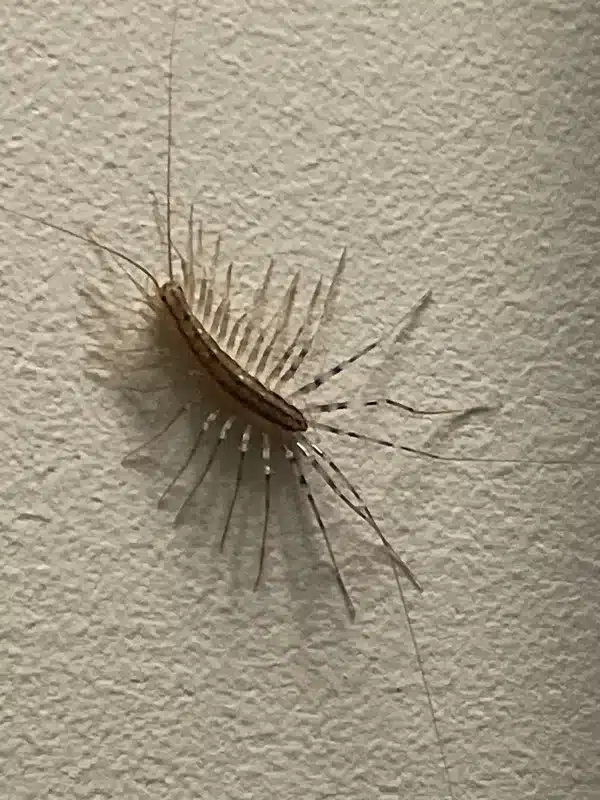
Credit: bettertermite.com
Adaptations For Food Hunting
House centipedes have unique adaptations that help them catch food efficiently. Their bodies and senses are designed to detect and capture prey quickly. These features make them excellent hunters in dark and hidden places.
Sensory Organs
House centipedes rely on their sensory organs to find food. Their long antennae act like feelers, helping them sense vibrations and movements nearby. These antennae detect tiny changes in air and ground, guiding the centipede toward prey.
They also have simple eyes that help detect light changes. This ability helps them move in low-light environments where they hunt. Their sense of touch is very sharp, allowing them to locate insects even in complete darkness.
Physical Features
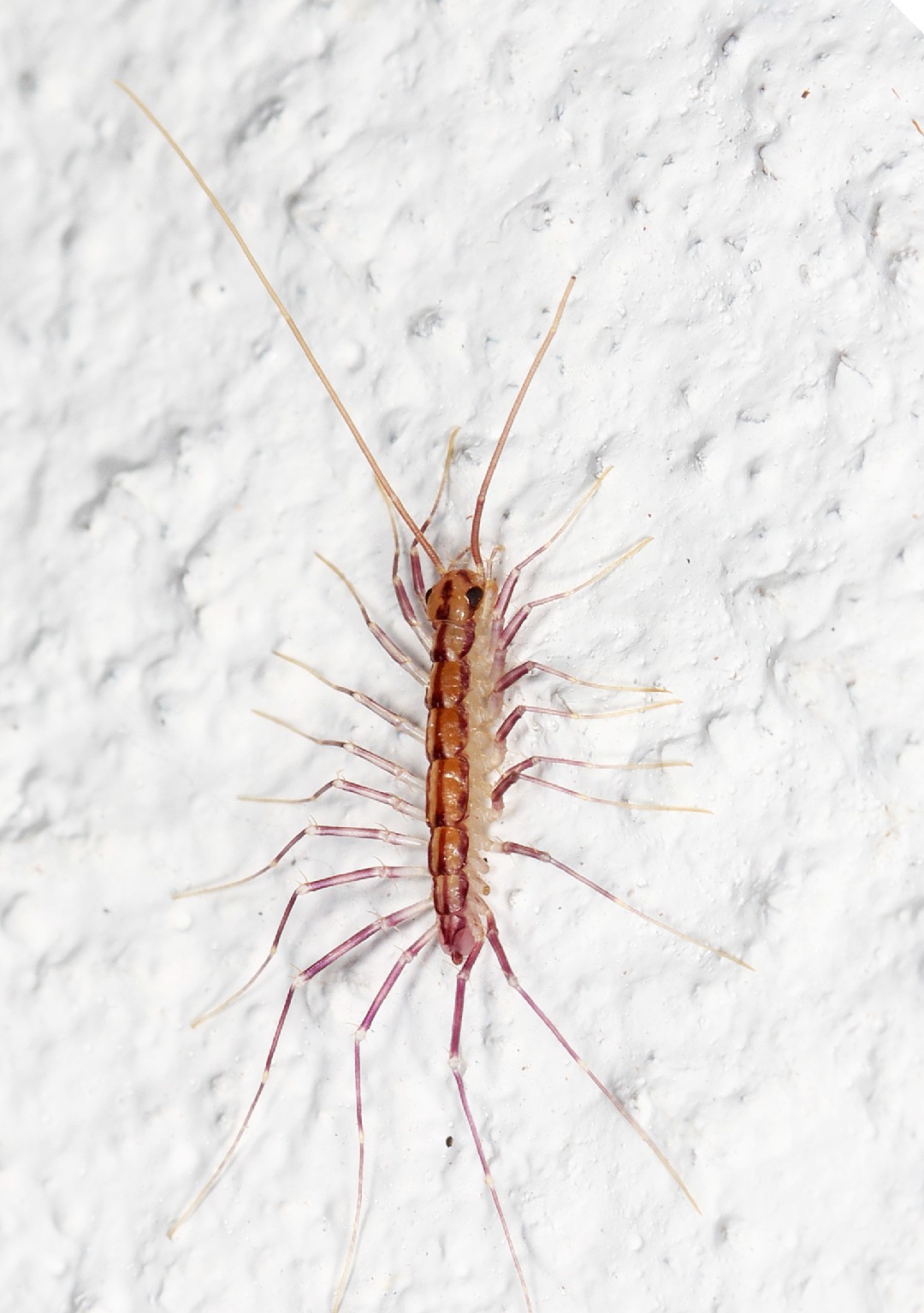
The body of a house centipede is built for speed and agility. Their many long legs help them run fast and climb walls or ceilings. This mobility allows them to chase down insects with ease.
They have strong, venomous claws near their heads. These claws help them catch and immobilize prey quickly. Their flat body shape lets them squeeze into small cracks to find hidden insects.
Credit: www.cooperpest.com
Frequently Asked Questions
What Do House Centipedes Eat Indoors?
House centipedes feed on small insects like ants, cockroaches, spiders, and silverfish. They help control pest populations inside homes.
How Often Do House Centipedes Need To Eat?
House centipedes can survive weeks without food but typically eat every few days when prey is available.
Are House Centipedes Harmful To Humans?
No, house centipedes are not harmful to humans. They rarely bite and help reduce harmful pests.
Can House Centipedes Eat Harmful Insects?
Yes, house centipedes prey on harmful insects, reducing pests like cockroaches and spiders in your home.
Conclusion
House centipedes eat many small insects and pests in your home. They help keep other bugs under control. These creatures prefer dark, damp places to hunt. Knowing their diet can ease worries about their presence. They rarely harm humans or pets.
Instead, they act as natural pest controllers. Understanding their role can change how you see them. Keeping your home clean reduces their food sources. This can help manage their numbers if needed. House centipedes play a small but useful part in your home’s ecosystem.







