
Are you tired of expensive gym memberships and crowded workout spaces? Imagine having your own gym right at home, built with things you already have.
Homemade gym equipment can save you money, give you flexibility, and make working out more enjoyable. Whether you want to tone your muscles, improve your strength, or just stay active, creating your own gear is easier than you think. Keep reading, and you’ll discover simple, effective ideas that fit your space and your budget perfectly.
Your fitness journey is about to get a whole lot smarter—and more fun.

Credit: www.reddit.com
Benefits Of Diy Gym Gear
Creating your own gym equipment at home offers more than just a fun project. It gives you control over your fitness routine and opens up new possibilities for effective workouts without breaking the bank. Let’s look at why DIY gym gear can be a smart move for your health and wallet.
Cost Savings Compared To Store-bought
Buying gym equipment can be expensive, especially if you want quality gear. Making your own equipment slashes those costs dramatically. You might spend only a fraction of the price for materials, often using things you already have around the house.
For example, a pair of homemade sandbags can cost less than $20, while commercial versions often exceed $50. This means you can build a variety of workout tools without feeling guilty about the expense. Have you ever stopped to calculate how much you spend on gym gear each year?
Customization For Personal Needs
When you build your own gym gear, you decide exactly how it looks and functions. You can adjust the weight, size, and shape to match your fitness goals and body type. This level of customization is hard to find in store-bought products.
Think about making a kettlebell from a bucket filled with concrete—you control the weight by adding more or less material. This lets you progress safely and keeps workouts challenging. What specific features would your perfect gym equipment have?
Sustainability And Recycling
DIY gym equipment often uses recycled or repurposed materials, reducing waste and environmental impact. Old tires, water bottles, and wooden pallets can find a new life as workout tools. This approach makes your fitness routine eco-friendly without sacrificing effectiveness.
Using recycled materials not only saves money but also feels rewarding. You contribute to a greener planet while improving your health. Could your next workout gear start as an item destined for the trash?
Basic Materials Needed
Basic materials include sturdy pipes, strong ropes, and durable wood. These items help create safe and reliable gym tools at home. Simple household objects can also be useful for building equipment.
Creating your own gym equipment at home is not only cost-effective but also a creative way to personalize your workout space. Before diving into any DIY project, understanding the basic materials needed is crucial. You’ll be surprised at how many items you already have lying around that can be repurposed into effective workout tools.Common Household Items
Many household items double as gym equipment. Water bottles can replace dumbbells—fill them with sand or water to adjust the weight. Old towels or blankets can be used for resistance training and to protect your floors during workouts. Even a sturdy chair can serve as a step-up platform for cardio exercises.Tools For Assembly
To transform everyday items into workout gear, you’ll need some basic tools. A screwdriver and hammer often come in handy. If you’re creating something more elaborate, like a pull-up bar, a drill and saw might be necessary. Make sure you have a measuring tape to ensure everything is built to the right size and dimensions.Safety Considerations
Safety should be your top priority when building homemade gym equipment. Always double-check the stability and weight capacity of your creations. Are those weights secure and not prone to falling apart mid-exercise? Use protective gear like gloves and safety goggles during construction to avoid injuries. Remember, a safe workout is an effective workout. With these materials and tools, you’re well on your way to crafting your own personalized gym equipment. What can you create with items you already own? Dive into your DIY gym project and redefine your fitness journey!Diy Cardio Equipment
Creating your own cardio equipment at home can save money and keep you motivated. It also allows you to tailor your workouts to fit your space and fitness goals perfectly. Let’s look at some simple DIY options that get your heart pumping without expensive gear.
Jump Rope Alternatives
If you don’t have a jump rope handy, there are easy substitutes you can use. A sturdy piece of rope or even a long scarf can work well. Just make sure it’s lightweight and won’t trip you up.
You can also mimic the jumping motion without any rope at all. Try high knees or jumping jacks in place—both get your heart rate up and improve coordination.
Homemade Step Platforms
Step platforms don’t have to be costly. A strong wooden crate, a stack of sturdy books, or even a low bench can serve as your step-up surface. Just check that whatever you use is stable and won’t slide during exercise.
Step workouts can increase endurance and tone your legs. Have you tried varying your step height or speed to challenge yourself further?
Budget-friendly Stationary Bike
Building a stationary bike might sound tricky, but you can create a simple pedal exerciser using a few basic parts. A pair of pedals attached to a spinning mechanism from an old bike frame can do the trick.
This setup is perfect for cycling indoors while watching TV or reading. It’s a smart way to add low-impact cardio without the cost of a full bike.
Strength Training Solutions
Strength training at home doesn’t require fancy gym machines or expensive weights. You can build muscle and boost your fitness using everyday items. These creative solutions help you stay consistent without breaking the bank or leaving your house.
Water Jug Dumbbells
Water jugs make excellent dumbbells because you can easily adjust their weight. Fill them with water or sand to match your workout needs. They have sturdy handles and a comfortable grip, making them perfect for curls, presses, and rows.
One tip I learned is to tape the caps tightly to avoid spills during intense moves. You can also use different sized jugs to vary your exercises. Have you tried switching weights mid-set to challenge your muscles in new ways?
Sandbag Weights
Sandbags offer a versatile option for strength training. Fill a durable bag with sand, rice, or beans and seal it well. They’re great for squats, lunges, and carries, adding instability that forces your muscles to work harder.
I once used a sandbag for a full-body workout and noticed how much my core engaged compared to regular weights. You can add handles or straps for easier grip and more exercise variety. What exercises do you think would benefit most from an unsteady load?
Resistance Bands From Old Materials
Don’t toss out old tights, bike inner tubes, or elastic bands—they can become your new resistance bands. Cut and knot them to create different tension levels. These homemade bands can target specific muscles and improve flexibility.
Try anchoring them to a sturdy door or post for rows and chest presses. I found that customizing the length and thickness lets me tailor workouts exactly to my strength. Could repurposing materials in your home add a fresh twist to your training routine?
Functional Fitness Equipment
Functional fitness equipment is designed to improve your ability to perform everyday activities with ease and strength. Creating your own gym tools at home can save money and keep you motivated. Plus, it challenges your creativity and problem-solving skills, making workouts more rewarding.
Homemade Kettlebells
You can craft kettlebells using simple household items like water bottles, paint cans, or buckets filled with sand or gravel. Adjust the weight by adding or removing the filler until it feels right for your exercises. A sturdy handle, such as a thick rope or a metal bar, is key to making your kettlebell safe and comfortable to use.
Think about the exercises you enjoy—swings, squats, or presses—and make sure your homemade kettlebell feels balanced. Have you ever noticed how using uneven weights challenges your muscles differently? This DIY approach can add variety to your routine without extra cost.
Pull-up Bars Using Household Items
Pull-up bars don’t have to be expensive or require professional installation. A strong broomstick or a metal pipe secured between two sturdy surfaces can serve as a reliable bar. Just ensure it’s stable and can support your full body weight safely.
Check your doorframes, stair railings, or even tree branches outside—these can become pull-up stations with minimal effort. What’s stopping you from turning your living space into a full-body workout area? Safety is crucial, so test your setup carefully before each use.
Diy Medicine Balls
Medicine balls add resistance and improve coordination, and you can make one with a few household materials. Fill a durable bag or backpack with rice, beans, or sand, then seal it tightly. Wrapping it with duct tape or placing it inside another bag enhances durability.
Try throwing, catching, or slamming your homemade medicine ball to boost power and agility. How does the feel of your DIY ball compare to commercial ones? Experiment with different weights and sizes to find what suits your workouts best.
Storage And Maintenance Tips
Keeping your homemade gym equipment in great shape involves more than just building it—it’s about how you store and maintain it daily. Proper storage saves space and protects your gear from damage. Maintenance ensures your equipment stays safe and works well for a long time.
Organizing Your Diy Gym Space
Think about how you move during your workouts. Arrange your equipment so it’s easy to reach and won’t cause clutter. Use wall hooks or sturdy shelves to keep things off the floor and create a clear workout area.
Label storage spots for smaller items like resistance bands or jump ropes. This helps you find what you need quickly and keeps your space tidy. Ever noticed how a messy gym can kill your workout vibe? A neat space might just boost your motivation.
Cleaning And Upkeep
Wipe down your equipment after each use with a damp cloth to remove sweat and dust. This simple habit prevents rust and keeps surfaces clean. For wooden or metal parts, use mild soap and water—avoid harsh chemicals that can damage finishes.
Check moving parts regularly for signs of wear or looseness. Tighten bolts and lubricate joints as needed to keep everything running smoothly. Can you imagine a workout interrupted by squeaky or unstable equipment? Regular care prevents that hassle.
Ensuring Longevity Of Equipment
Keep your homemade gym gear away from extreme temperatures and moisture, which can weaken materials over time. Store heavier items on lower shelves or the floor to avoid accidents. Consider adding rubber mats under weight equipment to protect floors and reduce noise.
Inspect your equipment monthly for cracks, rust, or other damage. Fix problems early to avoid bigger repairs or safety risks. What small maintenance step could you add today to extend the life of your gym setup?
Safety Tips For Diy Workouts
Creating your own gym equipment at home is a fantastic way to stay fit without spending a fortune. But safety should always come first. Understanding how to protect yourself during DIY workouts can prevent injuries and keep your routine effective and enjoyable.
Proper Form And Usage
Using homemade equipment incorrectly can cause more harm than good. Always focus on maintaining the right posture and movement patterns to avoid strain.
Think about how you would perform the exercise with professional gear—mirror that form with your DIY tools. If you feel discomfort or unusual pain, stop immediately and reassess your technique.
Have you ever noticed how a slight adjustment in grip or stance changes the whole exercise? Pay attention to these small details to maximize benefits and minimize risks.
Checking Equipment Stability
Your homemade gym gear should feel solid and secure before every use. Wobbly or loose parts can lead to accidents, so make it a habit to inspect your equipment each time.
Look for cracks, rust, or any signs of wear and tear. For example, wooden boxes may develop splinters or weaken over time, while ropes could fray and snap unexpectedly.
- Tighten bolts and screws regularly
- Test the equipment with light pressure before full use
- Ensure surfaces are even and non-slip
When To Upgrade Or Replace
Knowing when to retire or improve your gym equipment can save you from injuries. If the materials feel weaker or the equipment no longer supports your weight or movement, it’s time to act.
Don’t hesitate to replace parts or rebuild entirely if you notice persistent instability. Your safety outweighs the cost of repairs or new builds.
Ask yourself: Is my equipment helping or hindering my workout progress? If the answer leans toward hindrance, consider upgrading for better performance and security.
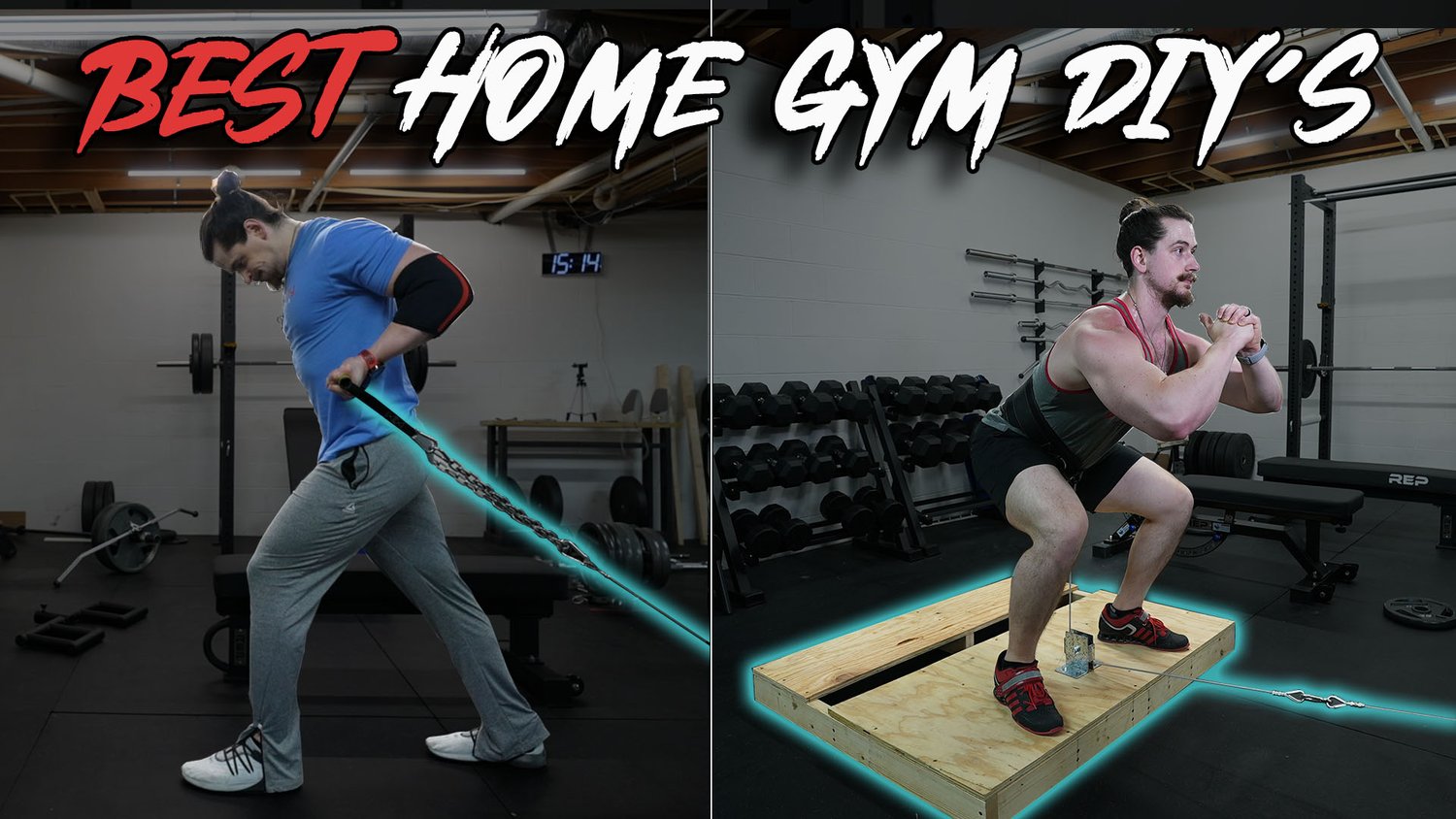
Credit: www.treadawaytraining.com
Creative Upcycling Ideas
Creative upcycling ideas turn unused items into functional gym equipment. This approach saves money and reduces waste. It also adds a personal touch to your workout space.
Upcycling uses everyday objects in new, useful ways. The process encourages creativity and resourcefulness. Small changes create effective tools for strength and fitness.
Using Old Furniture
Old furniture can become excellent gym gear. A sturdy wooden chair works well for step-ups or dips. A heavy dresser drawer can hold weights for resistance training.
Consider removing cushions from a bench to create a flat workout surface. Tables can be transformed into balance beams or platforms. Sand and repaint pieces to make them safe and attractive.
Repurposing Household Items
Many household items serve as gym equipment with little change. Fill large water bottles or milk jugs with sand for dumbbells. Towels make perfect sliders for core exercises on smooth floors.
Use sturdy bags filled with clothes as kettlebell substitutes. Old belts or ropes can help with stretching or resistance. Look around your home for objects with good weight or grip.
Incorporating Outdoor Materials
Natural materials add variety and challenge to workouts. Large stones or bricks act as weights or anchors. Tree branches can be shaped into pull-up bars or balance beams.
Use logs for step exercises or lunges. Sandbags made from outdoor fabric offer resistance training options. Leaves and grass create soft landing zones for floor exercises.

Credit: www.reddit.com
Frequently Asked Questions
What Are The Best Materials For Homemade Gym Equipment?
Common materials include PVC pipes, wooden planks, old tires, and sturdy ropes. These are affordable, durable, and easy to assemble for various workout tools.
How Can I Make Safe Homemade Weights?
Use sandbags, water bottles, or filled containers. Ensure they are tightly sealed and balanced to prevent injury during exercises.
Which Homemade Gym Equipment Suits Full-body Workouts?
Resistance bands, homemade dumbbells, and pull-up bars work well. These tools target multiple muscle groups effectively at home.
How To Maintain Homemade Gym Equipment For Longevity?
Regularly check for wear and tear. Clean and store equipment in dry areas to prevent damage and ensure safe use.
Conclusion
Building your own gym equipment saves money and space. You control the materials and design. It fits your workout style and goals perfectly. Homemade gear can be safe and effective with care. Creativity turns simple items into useful tools. Starting small helps you learn and improve.
Enjoy the process as much as the results. Stay consistent, and your fitness will grow strong. Homemade gym tools make exercise easy and fun. Why not give it a try today?







