
Imagine stepping into your home office and finding a space that not only boosts your productivity but also powers your health. Your Home Office Gym can be the game-changer you didn’t know you needed.
No more rushing to the gym or skipping workouts because of a busy schedule. What if you could combine work and fitness seamlessly, right where you spend most of your day? Keep reading to discover simple, effective ways to create a workout zone that keeps you energized, focused, and motivated—without leaving your desk.
Your body and mind will thank you.
Benefits Of A Home Office Gym
Setting up a home office gym offers more than just convenience—it transforms how you approach your daily work and health routines. Having fitness equipment within arm’s reach encourages you to move more often and break the cycle of prolonged sitting. This simple change can have a powerful impact on your overall lifestyle.
Enhancing Physical Health
Regular exercise improves your body’s strength, flexibility, and endurance. With a home office gym, you can easily fit short workouts into your breaks, helping to reduce stiffness and prevent common issues like back pain.
Even just 10 minutes of stretching or light cardio between meetings can boost your circulation and energy levels. You might notice fewer aches and increased stamina throughout your workday.
Improving Mental Wellbeing
Exercise releases endorphins, which naturally lift your mood and reduce stress. Having a gym right at home allows you to step away from work mentally and physically, offering a quick reset.
Taking active breaks can help clear your mind and improve focus when you return to tasks. How often do you find yourself overwhelmed and in need of a mental break? A few minutes of movement could be the answer.
Increasing Work Efficiency
Physical activity sharpens your cognitive functions, making problem-solving and decision-making easier. By moving regularly, you maintain higher energy levels, which keeps you productive throughout the day.
Integrating workouts into your schedule reduces the temptation to procrastinate or get distracted. Imagine turning your breaks into power sessions that refresh both body and mind for better work output.
Credit: www.hgtv.com
Choosing The Right Space
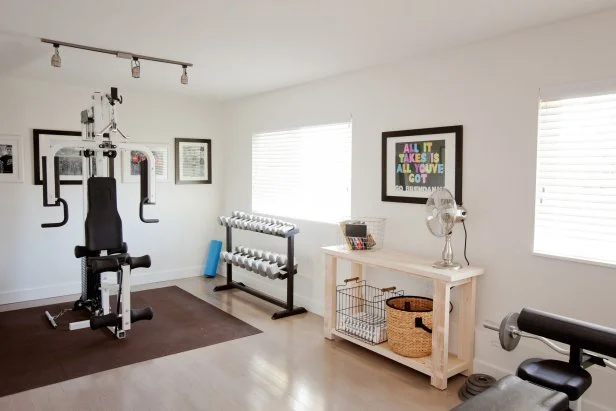
Choosing a quiet, well-lit area helps create a focused workout space at home. Ensure enough room for your equipment and free movement. Good ventilation and minimal distractions make the gym more inviting and practical.
Creating a home office gym requires choosing the right space. The area should suit both work and exercise needs. With the right setup, you’ll enhance productivity and fitness seamlessly. Consider these key aspects to select an ideal space for your home office gym.Assessing Available Room
First, evaluate the space you have. Identify areas with enough room for a desk and exercise equipment. Measure the dimensions to ensure everything fits well. Consider multi-purpose furniture to save space. A foldable desk or compact gym equipment can be useful. Check for noise levels, as some equipment might be loud. Think about how the space flows with the rest of your home.Optimizing Layout And Design
Design plays a crucial role in a home office gym. Arrange furniture to maximize space efficiency. Keep the desk and gym area distinct yet harmonious. Use partitions if needed to create separate zones. Choose colors that inspire both work and workout motivation. Consider storage solutions to keep the space tidy. Wall-mounted shelves can save floor space. Ensure easy access to both work and exercise areas.Ensuring Proper Ventilation And Lighting
Ventilation is vital in a home office gym. Fresh air keeps the environment healthy and comfortable. Choose a space with windows for natural airflow. If windows aren’t an option, use fans or air purifiers. Lighting also affects mood and productivity. Natural light is ideal, so position your desk near windows. Use adjustable lamps for focused task lighting. Bright, even lighting helps maintain energy levels.Essential Equipment For Every Home Gym
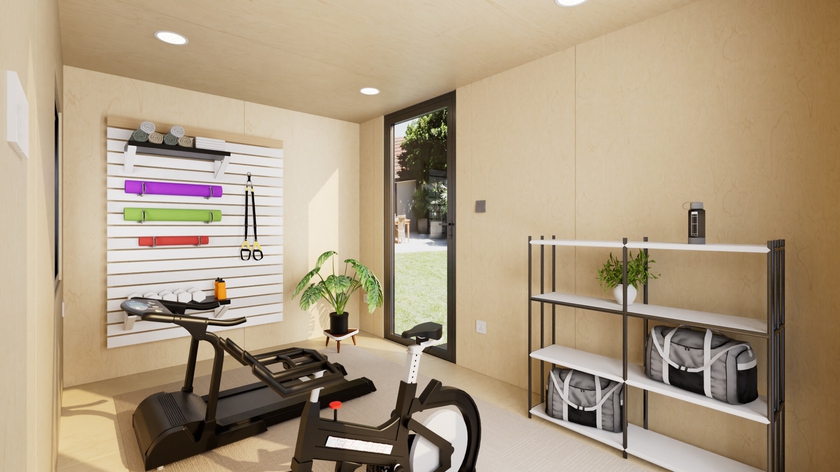
Creating a home office gym requires essential equipment. Choosing the right tools helps build a balanced workout space. Equipment should support various fitness goals. From cardio to strength and recovery, each piece plays a role. Here is a guide to must-have gym gear for your home.
Cardio Machines
Cardio equipment boosts heart health and burns calories. Space-saving machines fit well in home gyms. Popular options include:
- Treadmills for walking or running indoors
- Stationary bikes for low-impact cycling
- Rowing machines for full-body cardio
- Ellipticals for smooth, joint-friendly movement
Choose machines that suit your fitness level and space.
Strength Training Gear
Strength gear builds muscle and improves endurance. Include versatile tools for varied workouts. Essential items are:
- Dumbbells with adjustable weights
- Resistance bands for flexible resistance
- Kettlebells for dynamic exercises
- Weight bench for support during lifts
- Pull-up bar for upper body strength
These tools fit all skill levels and workout styles.
Flexibility And Recovery Tools
Recovery aids improve flexibility and reduce soreness. They keep the body ready for workouts. Include these tools:
- Foam rollers to massage tight muscles
- Yoga mats for stretching and balance
- Massage balls for targeted relief
- Stretch straps to enhance flexibility
Use these tools after workouts to stay flexible and pain-free.
Credit: www.autonomous.ai
Budget-friendly Gym Setup Ideas
Setting up a home office gym doesn’t have to drain your wallet. You can create an effective workout space with smart choices and a little creativity. Focusing on budget-friendly options helps you stay consistent without overspending on fancy equipment.
Diy Equipment Options
Think about what you already have around the house that can double as workout gear. A sturdy chair can serve as a bench for step-ups or tricep dips. Filled water bottles or canned goods make excellent hand weights when you’re just starting out.
Building your own resistance bands with old bike tubes or using towels for sliding exercises can add variety without extra cost. Have you ever tried using a backpack loaded with books for added weight during squats or lunges? Simple hacks like these keep your workouts fresh and your budget intact.
Affordable Alternatives To Expensive Gear
You don’t need the latest treadmill or fancy machines to stay fit. Resistance bands often cost a fraction of dumbbells but offer versatile strength training options. Jump ropes are another inexpensive tool that boosts cardio and coordination.
Look for secondhand equipment through local sales or online marketplaces. Sometimes a set of adjustable dumbbells or kettlebells can be found at a great price, giving you more bang for your buck. What’s stopping you from trying out new gear without breaking the bank?
Maximizing Small Spaces
Limited room shouldn’t limit your fitness goals. Vertical storage solutions like wall hooks and shelves keep your gear organized and off the floor. Foldable or stackable equipment can be tucked away easily when not in use.
Consider multi-use furniture, such as an ottoman that doubles as a step platform or storage. How can you redesign your corner or nook to transform it into a compact yet effective workout zone? Small changes can make a big impact on your home gym’s functionality.
Incorporating Fitness Into Your Workday
Incorporating fitness into your workday helps keep the body active and the mind sharp. Small exercise sessions reduce stress and boost energy. A home office gym makes it easy to blend work and movement. Simple routines fit well between meetings and tasks. Staying active improves focus and overall health.
Quick Workouts Between Tasks
Short workouts can fit into breaks or pauses. Try exercises like jumping jacks, squats, or push-ups. These take only a few minutes but increase heart rate. Use resistance bands or light weights for variety. Keep workouts brief to avoid disrupting your workflow.
Stretching And Mobility Exercises
Stretching helps prevent stiffness from sitting long hours. Focus on neck, shoulders, back, and legs. Gentle movements improve blood flow and reduce tension. Incorporate simple stretches every hour or so. Mobility exercises maintain joint health and flexibility.
Scheduling Exercise Breaks
Set specific times to pause and move during your day. Use alarms or calendar reminders to stay consistent. Treat exercise breaks like important meetings. Even five to ten minutes can refresh your body and mind. Regular breaks help maintain productivity and reduce fatigue.
Credit: www.hgtv.com
Maintaining Motivation And Consistency
Staying motivated and consistent in your home office gym can be challenging. Without the usual gym environment, distractions at home can easily pull you away from your workout. Yet, building a routine that sticks is possible with clear strategies and the right mindset.
Setting Realistic Goals
Start by defining goals that fit your daily life and energy levels. Instead of aiming for an hour-long workout every day, try 20 minutes of focused exercise three times a week. Small wins build confidence and keep you coming back.
Ask yourself: What do I want to achieve this week? Can I realistically fit workouts between meetings or calls? Adjust your goals if they start feeling like a burden instead of a boost.
Tracking Progress
Keep a simple journal or spreadsheet of your workouts and improvements. Seeing your progress in writing can be incredibly motivating. It also helps you notice patterns—when you feel strongest, or what exercises you enjoy most.
Try marking off days you complete your workout or noting how many reps you did. This visual record turns your efforts into tangible proof and keeps you accountable.
Using Technology And Apps
Leverage fitness apps designed to support home workouts and track your activity. Many apps offer reminders, video tutorials, and community support to keep your spirits high. Choose one that fits your style and tech comfort level.
Some apps can sync with your calendar or send motivational messages—have you tried setting a workout alarm that feels like a personal trainer nudging you? Technology can be your best workout partner right in your home office.
Safety Tips For Home Workouts
Working out at home offers convenience, but it also demands attention to safety. Without a trainer nearby, your risk of injury can rise if you overlook key precautions. Keeping your home office gym safe means paying close attention to how you start, how you move, and when to ask for help.
Proper Warm-up And Cool-down
Jumping straight into intense exercise can shock your muscles and joints. Spend 5 to 10 minutes warming up with light cardio like marching in place or gentle stretching. This gets your blood flowing and prepares your body for more effort.
After your workout, cool down by slowing your pace and stretching again. This helps reduce muscle stiffness and improves recovery. Have you noticed how skipping cool-downs sometimes leaves your muscles tight the next day?
Avoiding Common Injuries
Many injuries happen because of poor form or overdoing it. Pay attention to your posture—keep your back straight and knees soft during exercises. Use mirrors or record yourself to check your technique.
Don’t push through pain. If something hurts sharply, stop immediately. Gradually increase weights or intensity instead of jumping to heavy loads quickly.
- Clear your workout space to avoid tripping hazards.
- Use proper footwear to support your feet.
- Keep hydration nearby to prevent cramps.
When To Seek Professional Guidance
If you’re unsure about your exercise routine or experience persistent pain, consulting a fitness professional can save you from injury. Personal trainers can tailor workouts to your needs and correct your form.
Sometimes, a physical therapist is necessary if you have past injuries or chronic issues. Don’t hesitate to ask for help—your body will thank you.
Balancing Fitness And Productivity
Balancing fitness and productivity in a home office gym requires smart planning. Exercise boosts energy and focus, but overdoing it can hurt work output. Finding the right mix helps maintain health and job performance.
Creating A Routine That Works
Set specific times for workouts and work tasks. A clear schedule builds good habits and reduces stress. Short, frequent exercise breaks help stay active without losing focus. Use reminders to switch between work and fitness.
Avoiding Burnout
Listen to your body’s signals. Rest days prevent tiredness and injury. Avoid long workouts that drain energy before work. Balance intensity to keep motivation high and fatigue low. Mixing light stretching with moderate exercise helps recovery.
Integrating Mindfulness And Relaxation
Include breathing exercises or meditation in breaks. Mindfulness reduces stress and improves concentration. Simple stretches relax muscles and clear the mind. Calm moments boost productivity and keep workouts enjoyable.
Frequently Asked Questions
What Equipment Is Essential For A Home Office Gym?
A home office gym needs compact, versatile equipment like resistance bands, dumbbells, and a yoga mat. These tools fit small spaces and support strength, flexibility, and cardio workouts. They help you stay active without disrupting work hours.
How To Create An Effective Workout Space At Home?
Choose a quiet, well-ventilated corner with enough room to move freely. Keep equipment organized and accessible. Good lighting and a mirror enhance motivation and form. This setup boosts workout consistency and productivity.
Can A Home Office Gym Improve Productivity?
Yes, regular exercise boosts energy, focus, and mood. Short workouts during breaks reduce stress and mental fatigue. A home office gym encourages healthy habits, which improve work performance and overall well-being.
How To Stay Motivated Using A Home Office Gym?
Set clear fitness goals and schedule workouts like meetings. Use apps or playlists for guidance and motivation. Track progress to celebrate achievements. A home office gym’s convenience helps maintain a consistent routine.
Conclusion
Creating a home office gym brings fitness close to your workspace. It saves time and keeps you active every day. Small spaces work well with simple equipment choices. Consistency matters more than fancy machines or big areas. Start with easy exercises and build your routine slowly.
Enjoy the balance of work and health at home. Your body and mind will thank you for it. Keep moving, stay healthy, and feel better each day.







