
Are you ready to take control of your fitness without leaving your home? A well-designed home gym training plan can help you build strength, boost energy, and feel great every day.
Imagine having a clear, simple routine that fits your schedule and matches your goals. Whether you’re a beginner or looking to level up, this plan will guide you step-by-step. Keep reading, and discover how to turn your home into the perfect place for your best workouts yet.
Setting Up Your Home Gym
Setting up your home gym is the first step toward making fitness a seamless part of your daily routine. It’s about creating a space that motivates you to move, sweat, and grow stronger without the hassle of a gym commute. The key is to tailor this space to your needs, lifestyle, and budget, ensuring it fits smoothly into your home and schedule.
Essential Equipment For Beginners
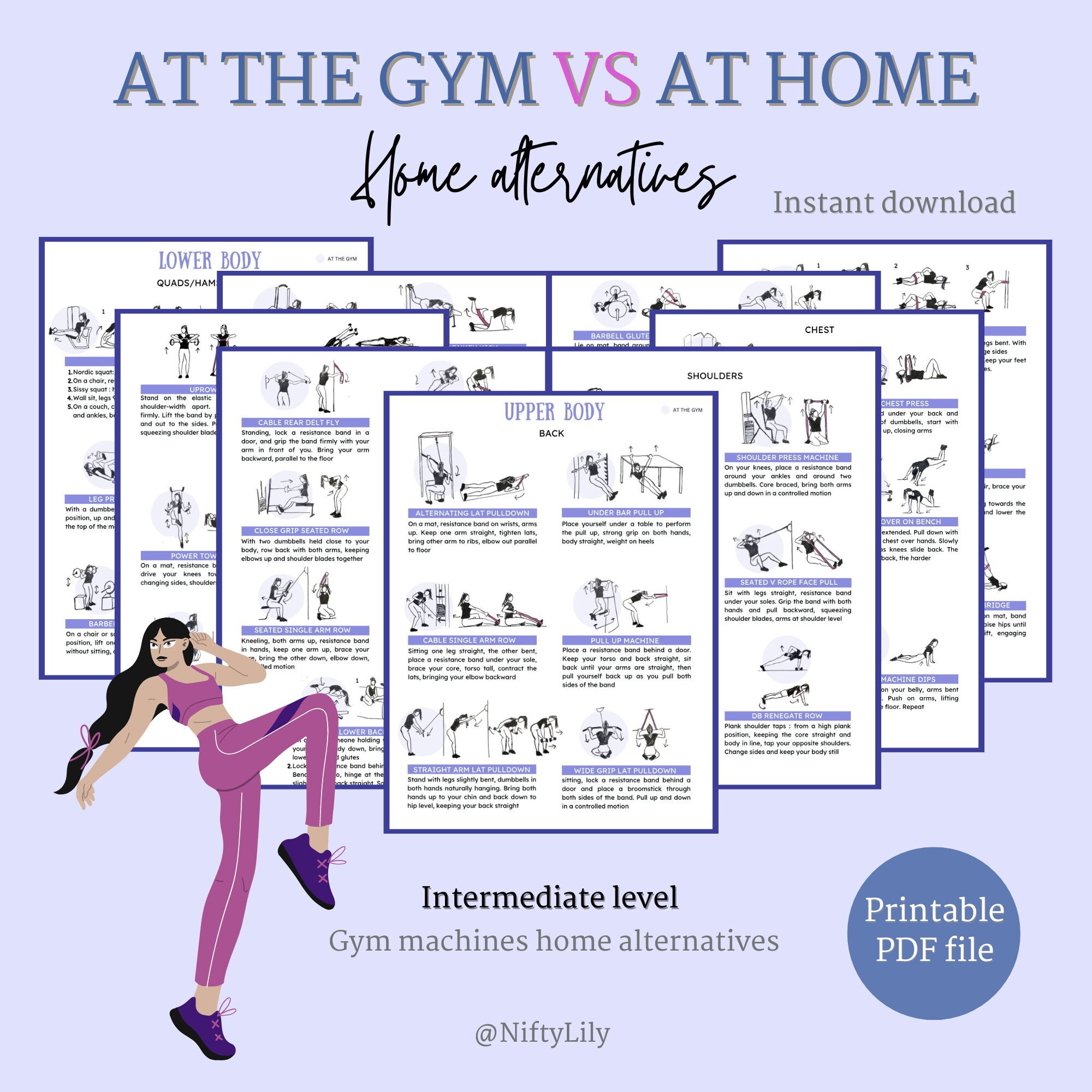
Starting with the right equipment can make your home workouts effective and enjoyable. Focus on versatile gear that targets multiple muscle groups and suits different types of exercises. Here are some essentials to consider:
- Adjustable dumbbells– save space and vary your weights easily.
- Resistance bands– great for strength training and flexibility.
- Yoga mat– perfect for floor exercises and stretching.
- Jump rope– an excellent tool for cardio and coordination.
- Stability ball– adds challenge to core workouts and balance.
Do you find it hard to stick with a routine? Choosing equipment you enjoy using can change that.
Space Optimization Tips
Most people have limited space, but even a small corner can become a powerful workout zone. Think vertical—use wall hooks or shelves to store gear like bands, ropes, or mats. Folding benches or stackable weights help keep clutter at bay.
Mirrors can double as motivation and make the room feel bigger. Keep your workout area well-lit and ventilated to stay energized. How can you redesign a small space to make it feel inviting for daily workouts?
Budget-friendly Gear Options
You don’t have to spend a fortune to create a functional home gym. Simple items like kettlebells or homemade sandbags can replace pricier equipment. Look for second-hand deals or community swaps—many find great gear at a fraction of the cost.
Apps and online workout guides can also enhance your routine without extra equipment. Sometimes, the best investment is in your time and creativity rather than expensive tools.
Credit: www.etsy.com
Crafting Your Training Plan
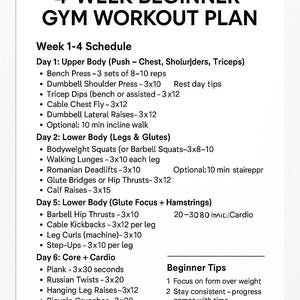
Designing a home gym training plan helps you stay focused and reach fitness goals. It balances workouts, rest, and progress tracking for best results.
Crafting a training plan for your home gym can be a transformative step towards achieving your fitness goals. It’s about creating a personalized roadmap that aligns with your specific needs and lifestyle. Whether you’re aiming to build muscle, lose weight, or simply stay active, a well-thought-out plan is your best ally.Goal Setting For Fast Results
Setting clear, achievable goals is crucial for maintaining motivation and tracking progress. Start by defining what you want to achieve in the short term and long term. Are you looking to shed a certain number of pounds, increase your endurance, or maybe lift a specific weight? Write these goals down and put them somewhere visible. This serves as a daily reminder of why you started. Additionally, break these goals into smaller milestones. Celebrating small victories keeps the journey exciting and manageable.Balancing Cardio And Strength
A balanced workout plan should include both cardio and strength training. Cardio exercises, like jumping rope or cycling, are excellent for burning calories and improving heart health. On the other hand, strength training builds muscle and boosts metabolism even when you’re resting. Consider alternating between cardio and strength days. For example, you could focus on running or biking on Mondays, Wednesdays, and Fridays, and dedicate Tuesdays and Thursdays to strength exercises like weightlifting or bodyweight workouts. This balance ensures your body gets a comprehensive workout, promoting overall fitness.Scheduling Workouts Efficiently
Efficient scheduling is key to maintaining consistency and avoiding burnout. Start by assessing your weekly schedule to identify available time slots for workouts. Can you fit in a quick session before work, or would evenings be more feasible? Once you’ve identified these slots, commit to them as you would any important appointment. Consistency is your best friend in seeing results. Remember, it’s not about spending hours in the gym, but making the most of the time you have. A well-organized plan keeps you on track and prevents the ‘I’ll do it later’ mindset. Crafting your training plan involves a thoughtful approach to your goals, exercise balance, and scheduling. Are you ready to take the first step towards a healthier you?Effective Workout Routines
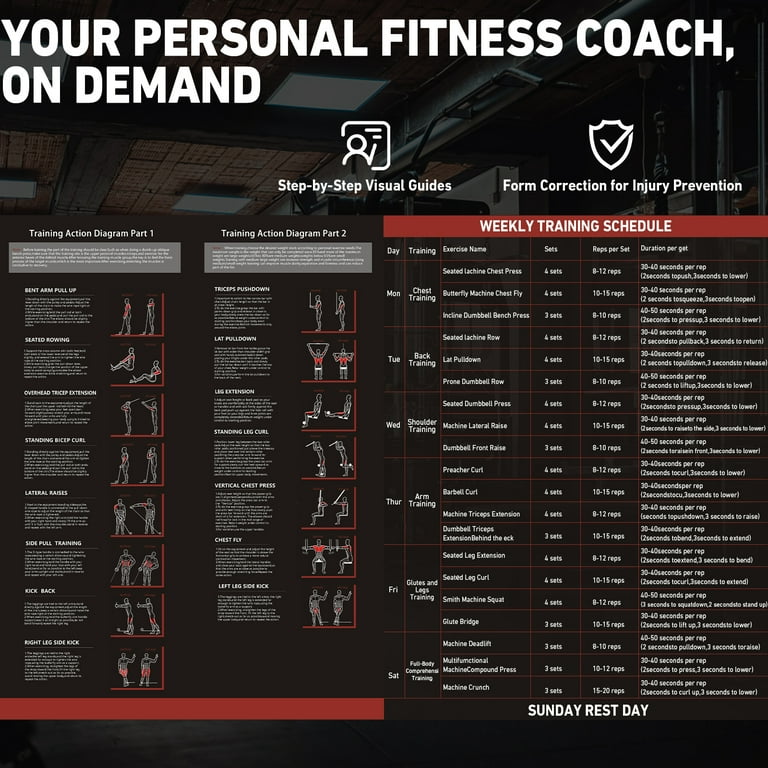
Effective workout routines are the backbone of any successful home gym training plan. They keep your sessions focused, efficient, and adaptable to your goals. Whether you want to build strength, tone muscles, or lose fat, choosing the right routine can make all the difference in your progress.
Full-body Workouts
Full-body workouts save time and maximize calorie burn by engaging multiple muscle groups in one session. You can combine exercises like squats, push-ups, and rows to hit your legs, chest, and back all at once.
This approach is especially useful if you train only a few days a week. It ensures no muscle group is left behind and helps maintain balanced strength.
Have you tried pairing compound movements with bodyweight exercises? It’s a simple way to increase intensity without needing extra equipment.
Targeted Muscle Group Sessions
Focusing on one or two muscle groups per session lets you push those areas harder and encourage growth. You might dedicate a day to arms and shoulders, then another to legs and core.
This method gives you room to add variety like curls, tricep dips, lunges, and planks. It also allows for more recovery time between muscle groups.
Think about your weakest areas—does your routine give them enough attention? Targeted sessions help you fix imbalances and avoid plateaus.
Hiit For Fat Loss
High-Intensity Interval Training (HIIT) blends short bursts of intense effort with rest periods. It’s one of the most time-efficient ways to burn fat and boost metabolism.
You can do exercises like jump squats, mountain climbers, or burpees for 30 seconds, then rest for 15 seconds and repeat. Just 15-20 minutes can deliver great results.
Are you ready to push your limits for short periods? HIIT challenges your endurance and keeps your body burning calories long after the workout ends.
Credit: www.walmart.com
Nutrition For Performance
Fueling your body properly is key to getting the most out of your home gym workouts. Nutrition impacts your energy, recovery, and overall performance. You might notice that even the best training plan falls short without the right foods supporting your efforts.
Macronutrient Basics
Your body runs on three main nutrients: carbohydrates, proteins, and fats. Each plays a specific role in how you perform and recover from exercise.
- Carbohydratesprovide quick energy, especially for high-intensity workouts.
- Proteinshelp repair muscles and support growth after training.
- Fatsoffer a long-lasting energy source and aid in hormone production.
Think about your meals as a balance of these nutrients to keep your energy steady throughout your workout and recovery.
Pre And Post-workout Meals
What you eat before and after training can make a huge difference in your progress. Eating the right foods at the right time prepares your body for exercise and speeds up recovery.
- Before training:Choose a meal rich in carbs and moderate in protein about 1-2 hours before your workout. This could be oatmeal with a banana and some peanut butter.
- After training:Focus on protein combined with some carbs within 30-60 minutes post-workout to help muscle repair. A smoothie with whey protein and berries works well.
Have you ever skipped a post-workout meal and felt sluggish the next day? That’s your body telling you it needs proper refueling.
Hydration Strategies
Water is often overlooked but is essential for peak performance. Even mild dehydration can reduce your strength and focus during workouts.
- Drink water consistently throughout the day, not just when you feel thirsty.
- Before your workout, aim for about 16-20 ounces of water.
- During longer sessions, sip water regularly to replace fluids lost through sweat.
- After training, replenish lost fluids by drinking another 16-24 ounces.
Are you tracking your hydration or only drinking when your mouth feels dry? Taking control of your water intake can boost your training results significantly.
Tracking Progress
Tracking progress is essential for any home gym training plan. It helps you see real improvements and stay motivated. Knowing how your body responds guides you to adjust workouts effectively. Tracking also prevents plateaus and boosts confidence. Simple tools and consistent checks make this easy and clear.
Measuring Strength Gains
Strength gains show how your muscles improve over time. Use a notebook or app to record weights lifted and reps done. Track exercises like push-ups, squats, or dumbbell presses. Notice when you can lift heavier or do more reps. This progress means your muscles grow stronger. Small increases add up to big results.
Monitoring Body Composition
Body composition means the ratio of fat to muscle in your body. Use a tape measure to track waist, hips, and arms. Step on a scale regularly but focus on how clothes fit too. Some scales show body fat percentage. Pictures taken weekly help you see changes clearly. These methods show real changes beyond just weight.
Adjusting Plans Based On Results
Use your progress data to improve your plan. Increase weights or reps for strength gains. Change exercises if you feel stuck or bored. Adjust workout frequency to fit your energy levels. Add rest days if you feel too tired. Regular tweaks keep your training effective and fresh.
Credit: www.etsy.com
Staying Motivated At Home
Staying motivated during home gym training can be tough. Without a trainer or gym environment, distractions grow. Creating a strong mindset helps keep workouts consistent and enjoyable. Small habits build long-term motivation and improve your progress.
Creating A Routine
Set specific days and times for your workouts. Treat exercise like an important appointment. Prepare your workout space in advance. Keep your equipment ready to use. A steady routine helps form good habits and reduces excuses. Write down your plan or use a calendar to stay on track.
Overcoming Common Challenges
Distractions, lack of space, and low energy often stop workouts. Remove distractions by turning off your phone or TV. Use a small, dedicated area for training. Try shorter workouts if tired. Focus on progress, not perfection. Celebrate small wins to stay positive and motivated.
Using Technology And Apps
Fitness apps guide workouts with videos and timers. They offer workout plans for all levels. Track your progress easily to stay motivated. Use apps that remind you to move or stretch. Virtual classes connect you with others for support. Technology makes home workouts more fun and effective.
Frequently Asked Questions
What Equipment Is Essential For A Home Gym Training Plan?
Basic equipment like dumbbells, resistance bands, a yoga mat, and a stability ball are essential. These tools offer versatile workouts and fit small spaces, making your home gym effective and convenient.
How Often Should I Work Out With A Home Gym Plan?
Aim for 3 to 5 workout sessions weekly. Consistency helps build strength and endurance, while rest days support muscle recovery and prevent injury.
Can I Build Muscle Effectively At Home?
Yes, with proper resistance training and progressive overload, you can build muscle at home. Use weights, bands, or bodyweight exercises to challenge your muscles.
How Do I Stay Motivated Training At Home?
Set clear goals, create a workout schedule, and track progress. Mix exercises to keep routines interesting and reward yourself for milestones reached.
Conclusion
Creating a home gym training plan helps you stay active and healthy. It saves time and fits your schedule well. You control your workouts and choose what works best. Small steps add up to big progress over time. Keep your routine simple and consistent for good results.
Enjoy the comfort of exercising at home every day. Stay motivated and watch your strength and energy grow. This plan can help you reach your fitness goals. Start today and feel the difference in your body and mind.







