
Are you ready to take control of your fitness without leaving your home? Setting up your own home gym can be easier and more affordable than you think.
Choosing the right starter equipment will help you stay motivated, save time, and get the best results. You’ll discover the must-have tools that fit your space and goals perfectly. Keep reading to find out how to build a home gym that works for you from day one.
Choosing The Right Space
Choosing the right space for your home gym is more than just picking an empty corner. It sets the tone for your workouts and affects how often you’ll want to use your equipment. Think about comfort, accessibility, and how the space makes you feel before you start moving heavy gear.
Assessing Available Room
Start by measuring the area you want to dedicate to your gym. Consider not only the floor space but also the height—can you jump or stretch without hitting the ceiling?
Look around for spaces that you don’t use much, like a spare bedroom, basement corner, or even part of your garage. Ask yourself: Will this spot stay free of clutter? Will it remain quiet and private enough for your workouts?
Optimizing Layout
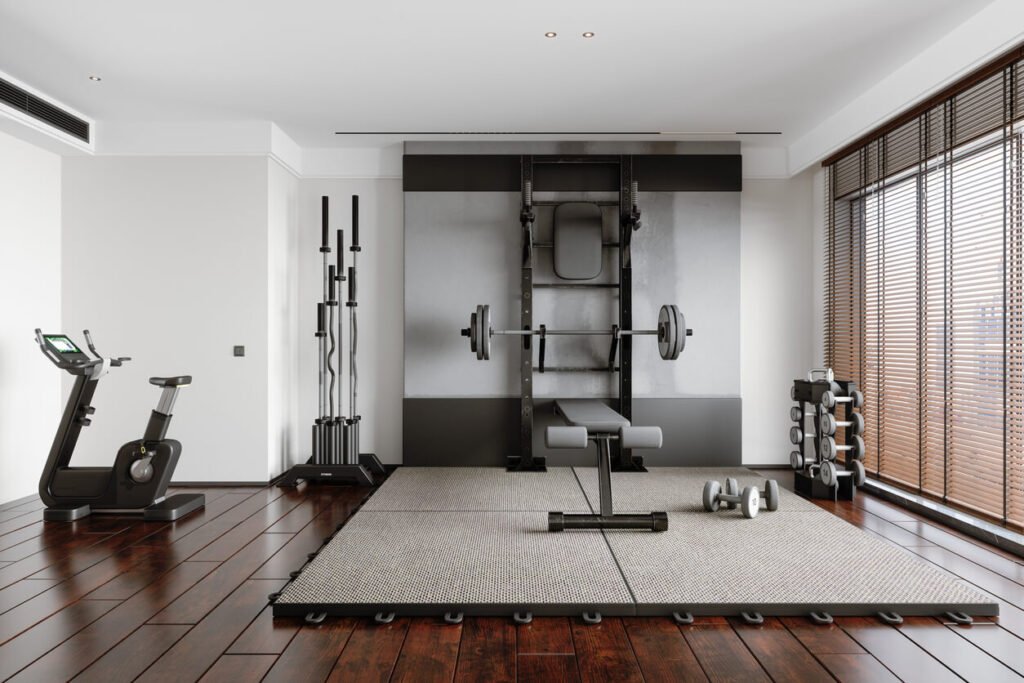
Arrange your equipment to keep the space functional and safe. Leave enough room for movement between machines and weights. You don’t want to feel cramped or risk injury because you can’t move freely.
Try placing larger machines against the walls to open up the center for stretching or floor exercises. Use vertical storage like wall hooks or shelves to keep smaller items like dumbbells or resistance bands organized.
- Keep a clear path to the door for safety.
- Position mirrors to check your form without wasting space.
- Consider flooring options that protect your floor and your joints.
Ensuring Proper Ventilation
Good airflow can make a huge difference in your workout comfort. A stuffy room can quickly turn motivation into frustration.
If you don’t have a window, think about a fan or an air purifier. You want fresh air to keep energy up and sweat manageable.
Ask yourself: Does the space get too hot or humid? How easy is it to bring in fresh air? Small adjustments here can make your workouts feel easier and more enjoyable.
Credit: homegymmentor.com
Basic Strength Training Gear
Basic strength training gear includes dumbbells, resistance bands, and a workout bench. These simple tools help build muscle and improve fitness at home. Perfect for beginners setting up a home gym with limited space and budget.
Creating a home gym can be a rewarding venture, offering convenience and flexibility for your fitness routine. However, choosing the right equipment can be daunting. Whether you’re a newbie or an experienced athlete, starting with basic strength training gear ensures a solid foundation for your workouts.Adjustable Dumbbells
Adjustable dumbbells are a game-changer for home gym enthusiasts. They save space and money by combining multiple weights into one. Imagine transitioning from a 10-pound to a 20-pound dumbbell in seconds, without cluttering your space with extra equipment. The ease of use makes them perfect for quick workouts, allowing you to focus on your form and progress. Plus, they cater to various exercises, from bicep curls to lunges, making them versatile and essential.Resistance Bands
Resistance bands are lightweight, portable, and surprisingly effective. They provide constant tension throughout exercises, helping you build strength and improve flexibility. Have you ever been stuck in a hotel room without access to a gym? A set of resistance bands can be your lifesaver, fitting easily in a suitcase while offering a full-body workout. They come in different resistance levels, making them suitable for beginners and advanced users alike. With a bit of creativity, you can simulate many gym exercises, from chest presses to squats.Kettlebells
Kettlebells offer a unique challenge to traditional weights. Their off-center weight demands more from your stabilizer muscles, enhancing core strength and balance. Recall the time when swinging a kettlebell felt awkward? With practice, you quickly realize how this tool enhances your power and endurance. They are ideal for dynamic movements like kettlebell swings, which boost cardiovascular health while building muscle. Plus, they add variety to your routine, keeping workouts fresh and engaging. Incorporating these essential pieces of equipment into your home gym can greatly enhance your strength training routine. Which one will you start with to take your fitness journey to the next level?Cardio Equipment Essentials
Cardio workouts boost heart health and burn calories fast. The right equipment helps you stay active at home. These essentials fit small spaces and suit all fitness levels. Choose gear that matches your goals and budget. Simple tools can deliver great results.
Jump Ropes
Jump ropes are affordable and easy to store. They improve coordination, balance, and endurance. You can use them anywhere, indoors or outdoors. Great for quick warm-ups or full cardio sessions. Different rope weights offer varied workout intensity.
Stationary Bikes
Stationary bikes offer low-impact exercise for all ages. They build leg strength and increase stamina. You can adjust speed and resistance for a custom workout. Bikes are quiet and ideal for multitasking. Many models include screens for tracking progress.
Treadmills
Treadmills allow walking or running indoors no matter the weather. They support weight loss and improve cardiovascular fitness. Adjustable speed and incline create varied workouts. Some models fold to save space. Running on a treadmill reduces joint stress compared to outdoor surfaces.

Credit: graymatterlifting.com
Core And Flexibility Tools
Building a strong core and improving flexibility are essential for any effective home workout. Core and flexibility tools help you develop better balance, prevent injuries, and enhance overall performance. Adding these tools to your home gym can make a big difference in how you move and feel every day.
Yoga Mats
A good yoga mat provides a comfortable, non-slip surface for stretching, yoga, and core exercises. It cushions your joints during floor workouts and keeps you stable while holding poses. You might find that a quality mat encourages you to spend more time on flexibility routines.
Look for mats that are thick enough to protect your knees but still allow you to feel connected to the floor. Do you prefer a sticky grip or a softer cushion? Your choice will shape your workout experience.
Stability Balls
Stability balls challenge your balance and engage deep core muscles you don’t usually reach with traditional exercises. Sitting or exercising on a stability ball forces your body to stabilize itself, improving posture and core strength. I started using one and noticed my back pain reduced as my core got stronger.
They come in different sizes, so pick one that matches your height for best results. Plus, you can use them for stretches, strength moves, or even as an alternative to your office chair.
Foam Rollers
Foam rollers help release muscle tightness and improve flexibility by massaging your fascia—the connective tissue around muscles. Rolling out sore spots after workouts speeds recovery and reduces stiffness. Using a foam roller regularly can make your muscles feel less tense and more ready for action.
Start with a softer roller if you’re sensitive, then move to firmer ones as you get used to the pressure. Have you tried foam rolling after a long day? It’s a simple way to boost mobility and feel better fast.
Smart Storage Solutions
Creating a home gym is exciting, but managing space can quickly become a challenge. Smart storage solutions help you keep your workout area tidy and efficient without sacrificing your equipment choices. Think about how much easier your workout routine becomes when every dumbbell, mat, and resistance band has its own spot.
Compact Racks
Compact racks are a game changer for small spaces. They hold weights and accessories vertically, which frees up floor space. You can find racks designed specifically for dumbbells, kettlebells, or even medicine balls.
Imagine walking into your gym and seeing all your gear neatly organized on a sleek rack instead of scattered around. This not only looks better but also saves you time searching for what you need. Don’t underestimate how much a compact rack can improve your workout flow.
Wall Mounts
Wall mounts keep your equipment off the floor and out of the way. They’re perfect for items like resistance bands, jump ropes, and even barbells. Installing these mounts at reachable heights makes your gear easy to grab and put back after use.
Think about the extra room you’ll gain when your weights and tools are hanging neatly on the wall. It also reduces the risk of tripping over gear, making your workout space safer. Have you considered how much wall space you have that could be put to better use?
Multi-purpose Shelves
Multi-purpose shelves offer flexibility beyond just holding equipment. Use them for towels, water bottles, workout logs, or small electronics like speakers. Some shelves even come with hooks or slots to keep things like yoga mats or foam rollers secure.
Having a dedicated spot for everything removes clutter and helps you maintain a focused workout environment. When your essentials are within arm’s reach, your sessions become smoother and more enjoyable. What items do you find yourself reaching for most during workouts that could benefit from a shelf?

Credit: www.marcypro.com
Budget-friendly Options
Creating a home gym on a budget is possible with smart choices. Affordable equipment can still support your fitness goals well. Focus on items that offer value and flexibility. This approach helps build a functional gym without overspending.
Second-hand Gear
Used fitness equipment often costs much less than new items. Check local sales, online marketplaces, and thrift stores. Look for dumbbells, kettlebells, resistance bands, and benches in good condition. Inspect gear for damage to ensure safety and durability. Buying second-hand saves money and reduces waste.
Diy Equipment
Making your own gym tools is a creative way to save cash. Simple items like sandbags, medicine balls, or weight plates can be homemade. Use household materials such as bags, bottles, or wood. DIY gear lets you customize weight and size. This option adds fun and uniqueness to workouts.
Multi-use Tools
Choose equipment that serves multiple purposes to maximize space and cost. Resistance bands can replace many machines and weights. Adjustable dumbbells offer various weight levels in one set. A jump rope aids cardio and coordination. Multi-use tools keep your gym simple and effective.
Safety And Maintenance Tips
Keeping your home gym safe and well-maintained is key to enjoying your workouts without interruptions or injuries. Paying attention to how you use and care for your equipment can extend its life and keep you motivated to stay active. Here’s how you can protect yourself and your investment with simple yet effective safety and maintenance tips.
Proper Usage Techniques
Using gym equipment correctly reduces the risk of injuries. Always read the instruction manual or watch a trusted tutorial before trying a new machine or tool. For example, when using resistance bands, avoid overstretching them beyond their limit to prevent snapping.
Don’t rush through exercises—focus on controlled movements. If you’re unsure about your form, consider recording yourself or asking a fitness friend for feedback. How often do you pause to check if your technique feels right?
Regular Equipment Checks
Set a routine to inspect your gear regularly. Look for worn cables, loose bolts, or cracks in weights and handles. Spotting these issues early can prevent accidents and costly repairs.
- Check bolts and screws monthly and tighten if needed.
- Examine resistance bands and straps for signs of wear every week.
- Test treadmill belts and bike pedals for smooth operation before each use.
Have you ever ignored a small squeak or wobble only to face a bigger problem later? Your equipment’s health depends on your attention to these details.
Cleaning And Upkeep
Clean your home gym gear after each workout to keep germs away and maintain the equipment’s appearance. Use a mild detergent or disinfectant wipes to clean handles, seats, and touchscreens.
Don’t forget to wipe down mats and flooring to prevent dirt buildup. Keeping sweat and dust off your equipment helps it function properly and looks inviting for your next session.
Invest in covers or mats to protect machines from dust when not in use. What’s your current cleaning routine, and could a small change improve your gym’s hygiene and safety?
Frequently Asked Questions
What Essential Equipment Is Needed For A Home Gym Starter?
A home gym starter needs basic equipment like dumbbells, resistance bands, a yoga mat, and a stability ball. These tools support strength, flexibility, and balance workouts, offering a full-body exercise setup without requiring much space or investment.
How Much Space Do I Need For Home Gym Equipment?
A small area of about 30 to 50 square feet is enough for starter home gym equipment. This space accommodates essentials like weights, mats, and bands, allowing comfortable movement and workout variety without needing a dedicated room.
Which Home Gym Equipment Is Best For Beginners?
Dumbbells, resistance bands, and a jump rope are perfect for beginners. They offer versatile workouts targeting multiple muscle groups and improve cardiovascular fitness. These affordable tools help build strength and endurance safely at home.
Can I Build A Home Gym On A Budget?
Yes, start with affordable essentials like resistance bands, dumbbells, and a mat. These items cost less and cover a wide range of exercises. Prioritize multi-use equipment to maximize workouts without overspending.
Conclusion
Creating a home gym starts with the right basic equipment. Choose items that fit your space and goals. Simple tools like dumbbells, resistance bands, and a yoga mat offer many workout options. Consistency matters more than fancy gear. Regular exercise helps build strength and stay healthy.
Start small, stay focused, and enjoy your fitness journey. Your home gym can grow as you do. Keep it easy, keep it effective.







