
Thinking about setting up a home gym but unsure how much space you really need? You’re not alone.
The size of your home gym can make a huge difference in how often you use it and how comfortable you feel while working out. Whether you have a small corner or an entire room to dedicate, knowing the right gym size for your needs can save you time, money, and frustration.
Keep reading to discover practical tips that help you create the perfect workout space tailored just for you.

Credit: www.walmart.ca
Choosing The Right Space
Choosing the right space for your home gym is crucial to creating a workout area that motivates you and fits your needs. The ideal spot balances practicality with comfort, ensuring you have enough room to move freely without feeling cramped or distracted. Let’s look at how you can find a space that works well for your fitness goals.
Assessing Available Areas
Start by checking every possible area in your home. Basements, spare bedrooms, or even a corner of your living room might work. Measure the space carefully; you want enough room for your equipment and to move comfortably.
Think about your workout style—do you need space for yoga mats or larger machines? Also, consider how often you’ll use the area. A spot that’s easy to access encourages consistency.
Considering Ceiling Height
Ceiling height is often overlooked but very important. If you plan to use jump ropes, kettlebells, or do overhead lifts, a low ceiling can limit your movements and increase risk of injury.
Most home gyms work well with at least 8 feet of clearance. If your space is tight, test your exercises to see if you feel restricted. Can you stretch your arms fully? Can you jump without hitting anything?
Lighting And Ventilation
Good lighting keeps you alert and improves mood during workouts. Natural light is best, but if it’s limited, bright LED lights can work well. Avoid dim or flickering lights that strain your eyes.
Ventilation matters just as much. Fresh air reduces stuffiness and helps regulate temperature. If your space lacks windows, consider adding a fan or air purifier to keep the air moving and fresh.
Credit: medium.com
Essential Equipment Selection
Choosing the right equipment for your home gym can make all the difference in achieving your fitness goals while maximizing your space. The key is to focus on essential equipment that offers versatility, functionality, and compactness. Let’s dive into some smart choices that can transform your home workout experience.
Multi-functional Machines
Multi-functional machines are a game-changer for small home gyms. They offer a variety of exercises in one compact unit, saving both space and money. These machines allow you to target different muscle groups without needing multiple pieces of equipment.
Consider a cable machine that includes options for pull-downs, rows, and presses. It’s like having a mini-gym in one corner of your room. Personally, using a multi-functional machine has streamlined my workouts, keeping everything I need within arm’s reach.
Compact Cardio Options
Cardio is crucial for heart health and burning calories, but traditional equipment can be bulky. Opt for compact options like foldable treadmills or under-desk ellipticals. These choices fit perfectly into a small space and can be easily stored away when not in use.
Why compromise on cardio when you can have a folding bike that fits under your bed? It’s convenient for quick sessions and doesn’t dominate your living space. Investing in compact cardio options ensures you maintain your fitness without cluttering your home.
Adjustable Weights
Adjustable weights are essential for varying your workouts and progressing in strength training. They replace the need for a full rack of dumbbells, offering multiple weights in one set. This not only saves space but also makes transitions between exercises seamless.
Imagine being able to switch from a lighter weight for shoulder exercises to a heavier one for deadlifts, all with a simple adjustment. Adjustable weights have allowed me to customize my workouts effortlessly and keep my home gym tidy. How do you keep your workouts effective in a small space?
Smart Storage Solutions
Smart storage solutions keep your home gym neat and efficient. They save space and make workout gear easy to find. Organized storage helps maintain a clutter-free area and improves workout flow. Explore these smart ideas to maximize your gym space.
Wall-mounted Racks
Wall-mounted racks hold weights, bars, and accessories off the floor. They use vertical space, freeing up room for workouts. Installation is simple and racks keep equipment visible and accessible. This storage option fits small gyms perfectly.
Foldable Gear
Foldable gear like benches and mats saves space after use. Fold and store them in a corner or closet. This gear is easy to move and keeps the area open. Ideal for homes with limited space.
Under-bench Compartments
Under-bench compartments provide hidden storage for smaller items. Store dumbbells, resistance bands, and towels neatly out of sight. This keeps the gym tidy and items easy to grab. Perfect for multi-functional gym benches.
Flooring Choices
Choosing the right flooring for your home gym is key to a safe and effective workout space. The flooring must protect your body, support equipment, and last over time. It also needs to be simple to clean. These factors help create a gym that suits your size and workout style.
Impact Absorption
Good flooring reduces stress on joints and muscles. It absorbs shock from jumping or running. This lowers injury risk and makes workouts more comfortable. Foam tiles and rubber mats are popular choices. They provide a soft surface that cushions each step.
Durability
Gym floors face heavy weights and constant movement. Durable materials resist tears, dents, and stains. Rubber and vinyl stand up well to heavy equipment. They keep their shape and appearance longer. Durable floors save money by lasting many years.
Easy Maintenance
Clean floors keep your gym healthy and inviting. Choose flooring that resists dirt and sweat stains. Smooth surfaces wipe clean quickly. Interlocking mats allow easy replacement of worn sections. This saves time and keeps your gym fresh.
Maximizing Layout Efficiency
Designing a home gym requires smart use of space. Maximizing layout efficiency helps create a workout area that feels open and functional. A well-planned layout supports different exercises without overcrowding. It also improves safety and comfort during workouts.
Zoning Workout Areas
Divide your gym into zones for different activities. Separate areas for cardio, strength training, and stretching create clear spaces. This keeps equipment organized and easy to find. It helps avoid clutter and reduces the risk of accidents. Use rugs or mats to mark each zone visually.
Traffic Flow Optimization
Plan paths to move freely between zones. Avoid placing equipment where it blocks walkways. Keep enough space around machines for safe use. Proper traffic flow prevents interruptions during workouts. It also makes the gym feel larger and more inviting.
Mirrors For Space Perception
Install mirrors on walls to create an illusion of space. Mirrors reflect light, making the room appear bigger. They also help check your form during exercises. Position mirrors opposite windows or lights for best effect. This simple addition enhances both function and style.
Incorporating Technology
Technology makes home gyms smarter and more fun. It fits well in any space size. Small or large, tech tools help track progress and keep workouts fresh. Easy setup and use make exercise more inviting.
Smart Fitness Devices
Smart devices bring data to your workout. They measure heart rate, steps, and calories burned. Many sync with phones or apps. This helps you see progress and set new goals. Devices include:
- Wearable fitness trackers
- Smart scales
- Connected exercise bikes
- Interactive treadmills
These tools fit in small spaces and add motivation. You stay focused and know how well you perform.
Virtual Training Spaces
Virtual trainers offer guided workouts from home. Use a screen or VR headset to enter a fitness world. Classes include yoga, strength, and cardio. Trainers correct form and pace your workout.
- Live streaming classes
- On-demand workout videos
- Virtual reality fitness programs
This tech saves time and brings variety. It fits in any room size and adjusts to your schedule.
Maintaining Motivation In Small Spaces
Keeping your motivation high in a small home gym can be challenging. Limited space sometimes makes workouts feel cramped or less inspiring. Yet, with a few smart strategies, you can create an environment that energizes you every time you step in.
Personalizing The Gym
Make your gym reflect your personality and fitness goals. Add items that excite you, like a favorite poster, a motivational quote, or even your preferred workout music setup. When you see things that resonate with you, it becomes easier to stay committed.
Think about what motivates you personally. Is it bright colors, a clean look, or photos of fitness achievements? Tailor your space so it feels uniquely yours, turning it into a place you look forward to visiting.
Using Visual Cues
Visual cues can subtly nudge you toward consistency. Place your workout gear where you can easily see it, like resistance bands hanging on the wall or dumbbells on a rack by the door. These reminders make skipping workouts harder.
Try using a whiteboard or calendar to track your progress and plan sessions. Watching your improvements visually can boost your enthusiasm and push you to keep going, even on tough days.
Regular Space Refresh
Changing your gym setup every few weeks keeps things fresh and exciting. Move equipment around or swap out workout accessories to avoid boredom. A small tweak in your environment can reignite your interest.
How often do you rearrange your space to keep it stimulating? Even small changes like new lighting or a different playlist can make workouts feel new again. Regular refreshes prevent your gym from becoming just another corner of the house.
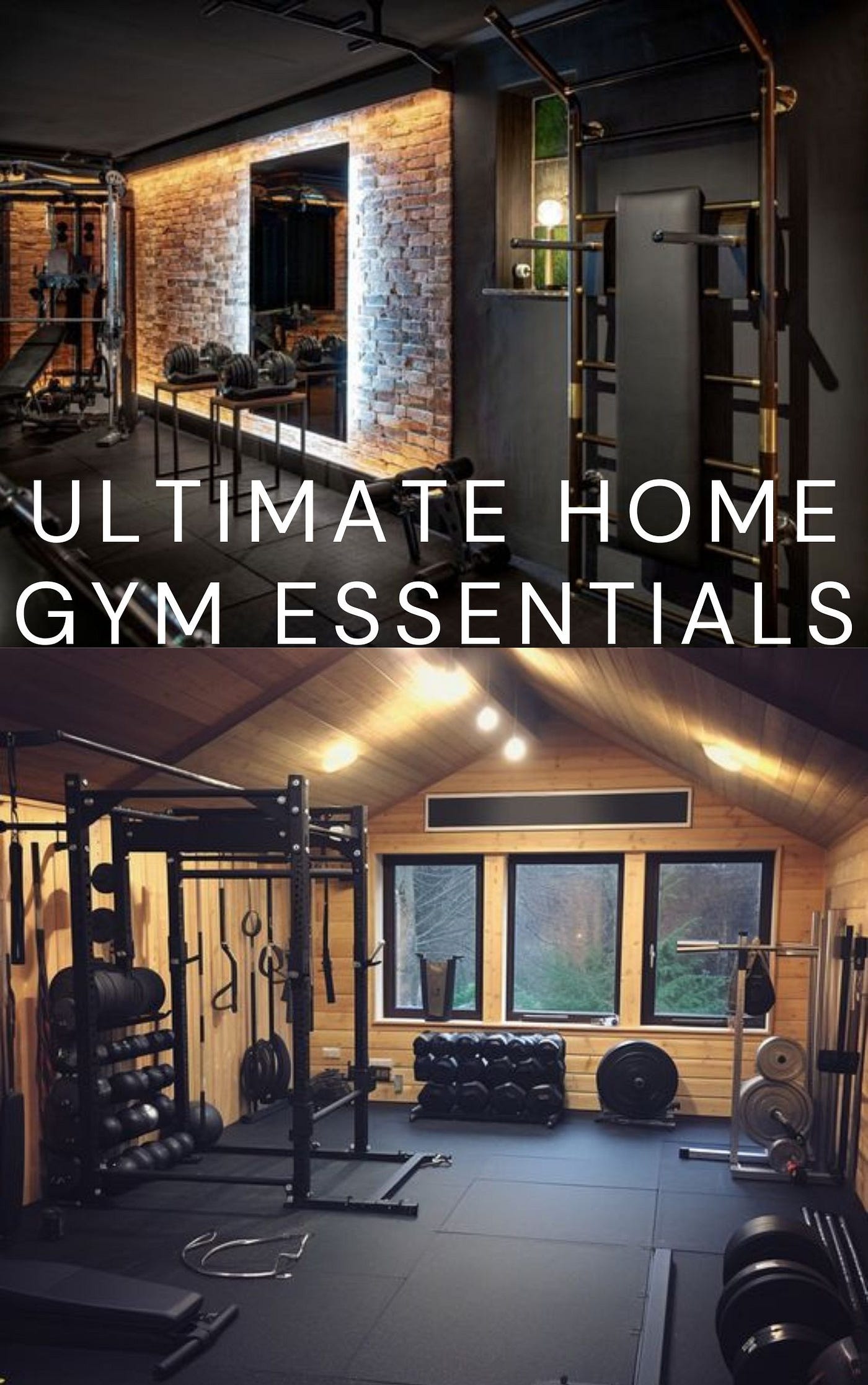
Credit: medium.com
Frequently Asked Questions
What Is The Ideal Home Gym Size For Beginners?
An ideal home gym size for beginners ranges from 50 to 100 square feet. This space fits basic equipment like dumbbells, a yoga mat, and resistance bands. It allows comfortable movement and effective workouts without overcrowding.
How Much Space Do I Need For A Full Home Gym?
A full home gym typically requires 150 to 300 square feet. This space accommodates larger equipment like treadmills, weight racks, and benches. It ensures enough room for safe exercise and proper equipment placement.
Can I Create A Home Gym In A Small Room?
Yes, a small room of 30 to 50 square feet can become a home gym. Use compact, multifunctional equipment and vertical storage. Focus on bodyweight exercises to maximize limited space effectively.
How To Measure Space For Home Gym Equipment?
Measure the floor area and ceiling height where you plan your gym. Consider equipment dimensions plus extra space for movement and safety. Accurate measurements help avoid overcrowding and improve workout comfort.
Conclusion
Choosing the right home gym size depends on your space and goals. Small areas fit basic equipment well. Bigger spaces allow more machines and freedom to move. Think about your workout style and how much room you need. A comfortable gym space helps you stay motivated.
Keep it simple and practical. Your home gym should feel inviting and easy to use. Take time to plan and measure before buying gear. A well-sized gym makes exercising at home enjoyable and effective.







