
Setting up your own home gym can change the way you approach fitness forever. Imagine having the freedom to work out whenever you want, without the hassle of commuting or crowded spaces.
But where do you start? How do you create a space that motivates you and fits your lifestyle? This guide will help you design the perfect home gym that keeps you moving, energized, and on track with your goals. Keep reading to discover simple steps and smart tips that make your fitness dreams a reality—right in your own home.
Choosing The Right Location
Choosing the right location for your home gym is key to making your workouts consistent and enjoyable. The spot you pick should fit your lifestyle and motivate you to keep moving. Think about how much space you have and what kind of environment will help you focus and feel comfortable.
Assess Available Space
Look around your home and find an area that can comfortably fit your equipment and allow you to move freely. You don’t need a large room; even a corner or a nook can work if planned well. Measure the space carefully, considering the height too—some exercises need room to stretch or jump.
Think about what you want to include in your gym. Will you have a treadmill, weights, or yoga mats? This will guide how much space is really necessary. Remember, cramped spaces can make workouts frustrating, but too much empty space can feel uninviting.
Consider Noise And Privacy
Your workout zone should not disturb others or make you feel self-conscious. If you live with family or roommates, choosing a spot away from main living areas helps keep noise levels down. This way, you won’t worry about interrupting conversations or TV time.
Privacy plays a big role in how comfortable you feel during workouts. A space with a door or a quiet corner where you can focus without distractions works best. Ask yourself, where can you sweat it out without feeling watched or rushed?
Essential Equipment Selection
Choosing the right equipment for your home gym can make all the difference in your workout experience. The gear you select should match your fitness goals, available space, and budget. Focusing on a balanced mix of cardio, strength, and flexibility tools will keep your routine effective and engaging.
Cardio Machines
Cardio machines are great for improving heart health and burning calories. Treadmills offer a natural running experience, but if space is tight, consider a compact elliptical or a stationary bike. I once swapped my treadmill for a rowing machine, and it challenged my whole body in ways I hadn’t expected.
Think about your favorite type of cardio. Do you prefer running, cycling, or full-body workouts? This choice will guide your equipment selection and keep you motivated to stick with your routine.
Strength Training Tools
Strength training builds muscle and boosts metabolism. Adjustable dumbbells save space and let you increase weight as you get stronger. Resistance bands are inexpensive and versatile, perfect for targeting different muscle groups without heavy equipment.
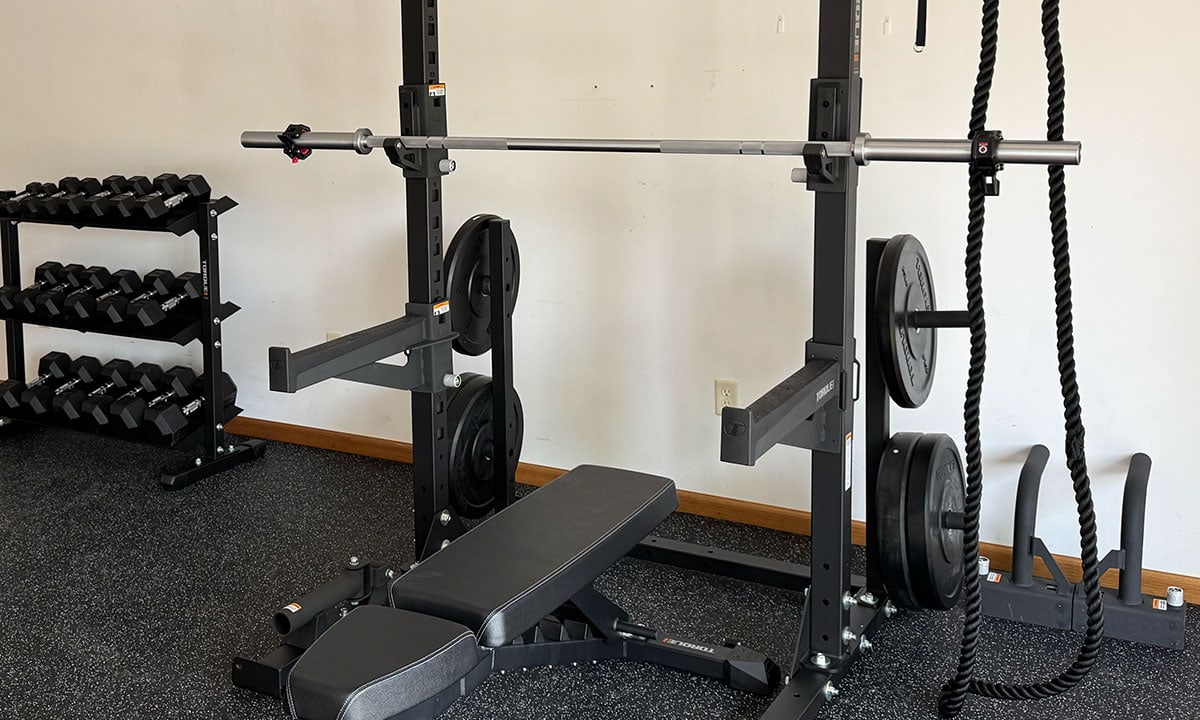
If you enjoy variety, a power rack with a barbell can support squats, bench presses, and deadlifts. Remember, safety matters—choose equipment that feels sturdy and fits your skill level.
Flexibility And Balance Gear
Flexibility and balance help prevent injuries and improve overall fitness. Yoga mats provide a comfortable surface for stretching and core exercises. Balance boards and stability balls challenge your coordination and strengthen smaller muscles.
Adding these tools encourages a well-rounded routine. Have you tried a simple balance exercise lately? It might surprise you how much it improves your stability and posture.
Budget-friendly Options
Setting up a home gym doesn’t have to drain your wallet. There are plenty of budget-friendly options that let you build a functional workout space without overspending. Smart choices and creativity can help you get fit while saving money.
Second-hand Equipment
Buying used gym equipment is a great way to save money. Check local listings, thrift stores, or online marketplaces for deals on dumbbells, kettlebells, or even cardio machines. Often, people sell equipment in good condition just because they no longer need it.
Before you buy, inspect items carefully for wear and tear. Sometimes a little cleaning or minor repairs can make a big difference in usability. Have you considered how much you could save by buying pre-owned gear?
Diy Solutions
Building your own gym equipment can cut costs significantly. You don’t need fancy tools—simple items like wooden pallets or cinder blocks can become weights or benches. DIY resistance bands or sandbags offer effective workout options without the price tag.
Not only do these solutions save money, but they also add a sense of accomplishment to your fitness routine. What homemade gym gear could you create with materials around your home?
Minimalist Setup Ideas
Focusing on a few versatile pieces can keep your setup affordable and efficient. Items like a jump rope, resistance bands, and a yoga mat cover many types of workouts without crowding your space. Minimalism encourages you to use your body weight for strength training.
This approach forces creativity and discipline, often leading to better workout habits. Could a minimalist setup be the key to sticking with your fitness goals?
Credit: braingain.fit
Optimizing Space And Layout
Creating a home gym requires smart use of space and thoughtful layout. A well-organized gym area makes workouts easier and safer. It also helps keep motivation high. Small or large rooms can become effective workout zones with the right setup. Focus on arranging equipment to maximize space and flow. Storage plays a key role in keeping the area tidy. Choosing furniture with multiple uses can save room and add convenience.
Efficient Equipment Arrangement
Place larger machines against walls to free up center space. Keep weights and small tools within easy reach. Arrange equipment by workout type to create smooth transitions. Leave enough room for movement and stretching. Use corners for items like stationary bikes or rowing machines. Align machines so users face mirrors or windows for better focus and light.
Storage Solutions
Use vertical storage such as wall racks for dumbbells and bands. Install shelves or cabinets to hold smaller accessories. Pegboards work well for hanging jump ropes and resistance bands. Clear storage bins help organize mats and towels. Label containers for quick access. Keep frequently used items at eye level. Store less-used equipment higher up or in closets.
Multi-functional Furniture
Choose benches with built-in storage compartments. Foldable workout benches save space when not in use. Use stackable stools or boxes for step exercises and seating. A storage ottoman can hold gear and provide a place to sit. Consider adjustable racks that serve as both storage and workout stations. Multi-use furniture keeps the gym neat and versatile.
Creating An Inspiring Atmosphere
Creating an inspiring atmosphere in your home gym can make a huge difference in how motivated and focused you feel during workouts. The right environment helps you push through tough sets and enjoy your exercise routine more. Small changes in lighting, colors, and decor can transform a plain space into your personal fitness sanctuary.
Lighting Choices
Lighting affects your energy and mood more than you might expect. Natural light is ideal because it keeps you alert and boosts your mood. If natural light is limited, use bright, adjustable LED lights that mimic daylight to keep the space vibrant.
Consider adding dimmable lights or colored bulbs to match your workout intensity. For example, use cooler blue light for high-energy cardio sessions and warmer tones for stretching or yoga. Have you noticed how lighting changes your focus during workouts?
Color Schemes
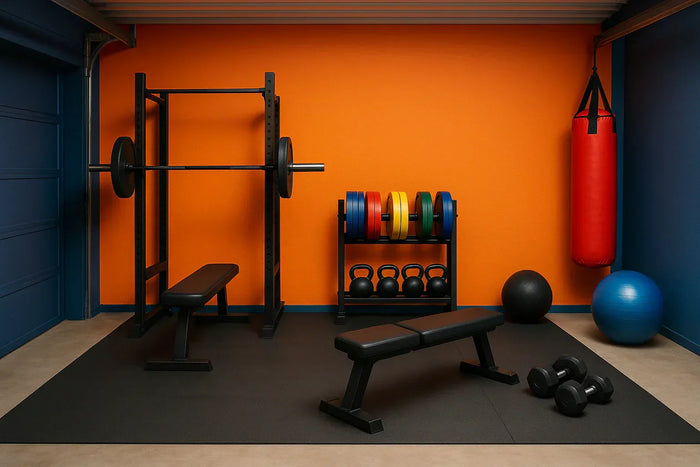
Colors influence your motivation and energy levels. Bright colors like red or orange can increase your heart rate and excitement, while blues and greens promote calm and concentration. Choose colors that match the vibe you want in your gym.
Try painting one wall in a bold color or use removable wallpaper to add personality without commitment. Even small touches like colored mats, towels, or equipment can lift the atmosphere. What colors make you feel most energized?
Motivational Decor
Decorate your gym with items that inspire you to keep going. Hang posters with motivational quotes or images of athletes you admire. Adding a whiteboard for tracking progress or writing daily goals can keep your focus sharp.
Personal touches like photos of your fitness journey or trophies remind you of how far you’ve come. You might even add plants for a touch of nature and freshness. What visual cues inspire you to push harder?
Safety And Maintenance Tips
Setting up a home gym is exciting. Safety and maintenance are key to a lasting workout space. A safe gym prevents injuries and keeps equipment in top shape. Regular care helps you avoid costly repairs and downtime. Follow simple tips to keep your gym safe and ready.
Regular Equipment Checks
Check your machines and weights often. Look for loose bolts or worn parts. Tighten screws and bolts regularly. Replace any broken or damaged pieces immediately. Clean equipment after use to remove sweat and dust. This keeps machines working smoothly and lasts longer.
Proper Ventilation
Good airflow prevents heat and moisture buildup. Open windows or use fans to keep air moving. Proper ventilation reduces mold and bad smells. It also helps you feel comfortable during workouts. Avoid placing equipment in cramped, stuffy rooms.
Safe Flooring Options
Choose flooring that protects your body and equipment. Rubber mats absorb impact and reduce noise. Foam tiles offer cushioning for joints and falls. Avoid hard surfaces like plain concrete or tile. Ensure the floor is level and non-slip for stability.
Incorporating Technology
Adding technology to your home gym can make workouts more engaging and efficient. It keeps you motivated by tracking progress and offering guided sessions. Plus, technology helps you create an environment that suits your personal fitness style.
Workout Apps And Trackers
Using workout apps and fitness trackers can transform your routine. Apps like MyFitnessPal or Nike Training Club provide tailored workout plans and nutrition advice. Fitness trackers, such as Fitbit or Apple Watch, monitor your heart rate, calories burned, and daily activity levels.
By checking your stats regularly, you understand your strengths and weaknesses better. This feedback pushes you to improve consistently. Have you ever noticed how a simple progress chart can change your workout mindset?
Virtual Training Sessions
Virtual training sessions bring expert coaching right to your living room. Platforms like Peloton or Mirror offer live and on-demand classes with real-time instructor feedback. This interaction keeps you accountable and motivated, even without a physical trainer nearby.
You can choose from yoga, strength training, cycling, and more. This variety prevents boredom and helps you work different muscle groups. What kind of training do you find most effective when guided virtually?
Sound Systems And Entertainment
Good sound systems elevate your workout experience. High-quality speakers or wireless earbuds keep you pumped with your favorite playlists or podcasts. Music can increase your stamina and improve focus during tough sets.
Streaming services like Spotify or Apple Music offer workout-specific playlists that keep energy high. Adding a screen to watch videos or follow along with virtual classes can also boost your performance. How does your workout soundtrack influence your energy levels?
Credit: www.nourishmovelove.com
Adapting To Your Fitness Goals
Setting up a home gym means more than just buying equipment. It requires tailoring the space to fit what you want to achieve. Your fitness goals will shape the types of tools and routines you focus on. Understanding this helps you stay motivated and see real progress.
Customizing For Weight Loss
If your goal is weight loss, think about equipment that keeps your heart rate up. Cardio machines like a treadmill, jump rope, or stationary bike are great choices. These help burn calories efficiently without needing a lot of space.
Adding resistance bands or light dumbbells can boost your metabolism by building lean muscle. Muscle burns more calories even when you rest. Have you considered mixing cardio with strength moves for better fat loss?
Building Muscle And Strength
For muscle building, focus on heavier weights and sturdy machines. A set of adjustable dumbbells or a barbell with weight plates can serve many exercises. You want equipment that challenges your muscles progressively.
Don’t forget a bench or squat rack if your space allows. These give you options for presses, squats, and other compound lifts that build strength fast. How often do you track your lifting progress to push yourself just enough?
Enhancing Flexibility
Flexibility often gets overlooked, but it’s key for overall fitness and injury prevention. A yoga mat, foam roller, and resistance bands can create a perfect corner for stretching and mobility work. These tools help you stay limber and recover quicker.
Adding a balance ball or stretching strap can deepen your flexibility routine. Flexibility is not just about touching your toes—how much do you value movement quality in your daily life?

Credit: www.reddit.com
Frequently Asked Questions
What Equipment Is Essential For A Basic Home Gym Setup?
Essential equipment includes dumbbells, resistance bands, a yoga mat, and a stability ball. These items cover strength, flexibility, and balance exercises. They are affordable, space-saving, and effective for most fitness levels, making them ideal for beginners and small spaces.
How Much Space Do I Need For A Home Gym?
A minimum of 25 to 50 square feet is sufficient for a basic home gym. This allows room for essential equipment and movement. Choose a well-ventilated area with enough lighting to enhance workout comfort and safety.
What Are The Best Flooring Options For A Home Gym?
Rubber flooring is the best option for home gyms. It provides cushioning, reduces noise, and protects floors from heavy equipment. Foam tiles are also popular for their affordability and ease of installation, especially in small spaces.
How Can I Keep My Home Gym Organized?
Use storage racks, shelves, and wall hooks to keep equipment tidy. Label containers and group similar items together. A clean, organized space improves workout efficiency and motivates regular exercise.
Conclusion
Setting up a home gym makes exercise easy and convenient. Small spaces can hold basic, effective equipment. Consistency matters more than fancy machines or gear. A good routine helps build strength and stay healthy. Choose tools that fit your needs and budget.
Enjoy workouts in your own comfortable space. Start simple, then add more as you go. Your fitness journey begins with a single step. Keep moving, and results will follow.







