
Are you ready to take control of your fitness without leaving your house? Creating a home gym routine can be the game-changer you need to stay motivated and reach your goals faster.
Imagine having a plan that fits your schedule, saves you time, and keeps you energized every day. You’ll discover simple steps to build an effective workout routine right in your own space. Stick with me, and you’ll find out how easy it is to turn your home into the perfect place for getting stronger, fitter, and healthier.
Your best workout starts here.

Credit: cruceroclick.com
Benefits Of A Home Gym
Setting up a home gym can completely change the way you approach fitness. The benefits extend far beyond just saving travel time. When you have your own space to exercise, it empowers you to stay consistent and motivated, fitting workouts seamlessly into your day.
Convenience And Flexibility
Imagine finishing your workday and stepping right into your workout without waiting for equipment or dealing with crowds. Your home gym is ready whenever you are—morning, noon, or night. This flexibility lets you exercise at your own pace and on your own schedule, helping you avoid excuses and stay on track.
Have you noticed how easy it is to skip workouts when you have to commute? Eliminating that barrier can make a big difference in your routine. Plus, you can quickly switch between cardio, strength, or stretching without changing locations.
Cost-effectiveness
Building a home gym might seem expensive at first, but it saves money over time. No monthly gym fees, no parking costs, and no extra spending on workout gear you don’t need. You choose the equipment that fits your budget and goals, and upgrade gradually.
Think about how much you spend on gym memberships annually. Even a modest investment in a few key pieces pays off within months. This approach lets you focus your resources on what truly benefits your fitness journey.
Privacy And Comfort
Working out at home means you control your environment. No judgmental stares or feeling self-conscious about your form. You can wear whatever you want and try new exercises without worrying about others watching.
Comfort also matters. You decide the temperature, music, and lighting. This personalized space can help reduce stress and increase your enjoyment during workouts. Have you ever felt more relaxed and focused when exercising in a familiar place?
Credit: www.amazon.ca
Essential Equipment For Strength
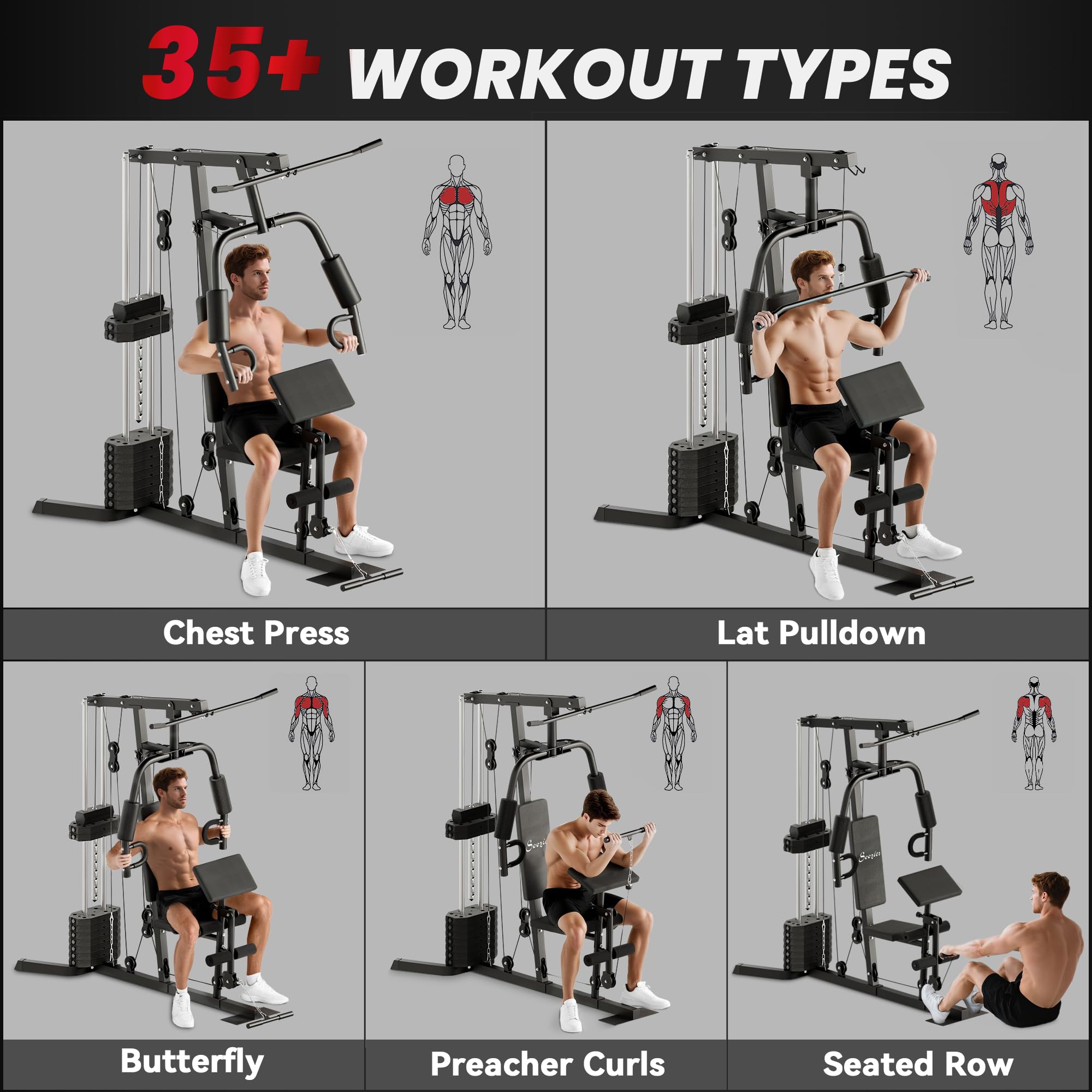
Dumbbells, resistance bands, and a sturdy bench are key for a strong home gym routine. These tools help build muscle and improve strength effectively. Simple equipment supports consistent workouts without needing much space.
In building a home gym, choosing the right equipment is crucial. Strength training is essential for building muscle and improving health. To create an effective routine, select versatile and space-efficient tools. Here, we’ll cover the essential equipment for strength training.Free Weights
Free weights are a staple in strength training. They include dumbbells, kettlebells, and barbells. Dumbbells offer flexibility for a variety of exercises. Kettlebells are great for dynamic movements, enhancing strength and endurance. Barbells allow for heavier lifts, targeting major muscle groups. These tools improve balance and coordination. They’re compact, fitting easily into home gyms.Resistance Bands
Resistance bands are versatile and cost-effective. They come in different resistance levels, suitable for all strength levels. Use them for exercises like squats, lunges, and rows. They’re perfect for enhancing mobility and flexibility. Resistance bands are lightweight, making them easy to store and travel with. They add variety to your workout routine, reducing the risk of plateaus.Bodyweight Tools
Bodyweight tools enhance your natural resistance. Pull-up bars are great for upper body strength. Push-up bars provide better grip and reduce wrist strain. Parallettes help with balance and stability exercises. Gymnastic rings add a challenging element to workouts. These tools require minimal space and offer diverse workout options. They promote functional strength, improving everyday movements.Warm-up Strategies
Warming up prepares your body for exercise and helps prevent injuries. It raises your heart rate and increases blood flow to muscles. A good warm-up also improves your range of motion and focus. Use these strategies to start your home gym routine safely and effectively.
Dynamic Stretching
Dynamic stretching involves moving parts of your body through a full range of motion. It warms up muscles and joints with active movements. Examples include leg swings, arm circles, and torso twists. These stretches increase flexibility and prepare muscles for the workout. Avoid holding stretches still; keep the movements smooth and controlled.
Light Cardio Options
Light cardio raises your heart rate gradually and warms your entire body. Choose low-impact activities like marching in place, jumping jacks, or brisk walking. You can also use a jump rope or do easy cycling on a stationary bike. Spend 5 to 10 minutes on light cardio before starting intense exercises. It helps improve circulation and reduces muscle stiffness.
Key Strength Training Exercises
Strength training forms the foundation of any effective home gym routine. It builds muscle, improves posture, and boosts metabolism. Focusing on key exercises ensures a balanced workout targeting all major muscle groups. These exercises use your body weight or simple equipment. They help develop strength and endurance efficiently.
Squats And Variations
Squats work the legs, hips, and lower back. They improve balance and core stability. Try different types to add variety:
- Bodyweight squats
- Goblet squats with a dumbbell
- Jump squats for power
- Bulgarian split squats for single-leg strength
Maintain good form by keeping your back straight and knees over toes.
Push Movements
Push exercises strengthen the chest, shoulders, and triceps. They help with daily activities like pushing doors or lifting objects. Common push moves include:
- Push-ups on the floor or elevated surface
- Dumbbell chest press lying on a bench or floor
- Overhead shoulder press with dumbbells
Focus on controlled movements and steady breathing.
Pull Movements
Pull exercises target the back, biceps, and rear shoulders. They improve posture and upper body strength. Effective pull exercises are:
- Bodyweight rows using a sturdy table or TRX straps
- Dumbbell or resistance band bicep curls
- Reverse flys for upper back muscles
Engage your core and avoid swinging your body during pulls.
Core Strengtheners
A strong core supports all movements and reduces injury risk. Core exercises include:
- Planks held for 20-60 seconds
- Russian twists with or without weight
- Leg raises lying flat on your back
- Bicycle crunches for oblique muscles
Keep your spine neutral and avoid straining your neck.
Designing Your Workout Plan
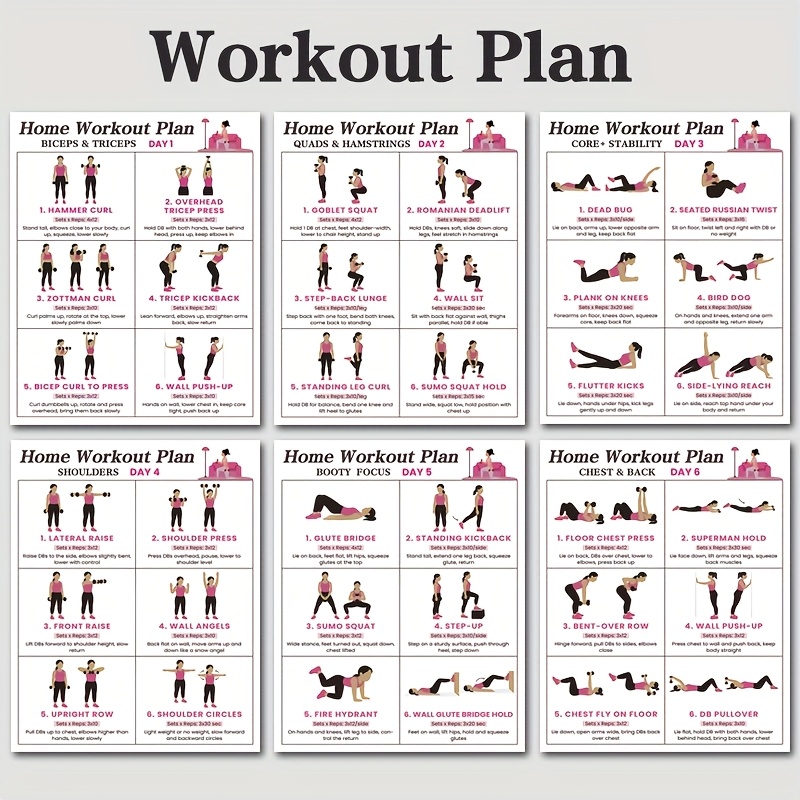
Designing your workout plan is a crucial step toward making your home gym routine effective and enjoyable. A well-structured plan keeps you motivated and helps track progress clearly. It also prevents burnout and injuries by balancing effort and recovery.
Setting Goals
Start by asking yourself what you want to achieve. Are you aiming to build strength, improve endurance, or lose weight? Clear goals give your workout purpose and direction.
Write down your goals and set deadlines. This makes your plan more real and keeps you accountable. Remember to keep goals realistic—small wins build momentum.
Choosing Sets And Reps
Your choice of sets and reps depends on your goals. For strength, focus on fewer reps (4-6) with heavier weights. For endurance or toning, higher reps (12-15) with lighter weights work better.
Mixing rep ranges can keep workouts interesting and challenge your muscles in new ways. Don’t be afraid to adjust as you learn how your body responds.
Balancing Muscle Groups
Ignoring some muscles can lead to imbalances and injuries. Make sure to work on all major muscle groups: legs, back, chest, shoulders, arms, and core. Balanced training improves overall strength and posture.
If you’re short on time, try alternating muscle groups on different days or pairing opposing muscles in the same workout. This keeps your routine efficient and your body well-rounded.
Progression Techniques
Progression techniques keep your home gym routine effective and fresh. They help your muscles grow stronger and prevent workout plateaus. Changing how you train ensures continuous improvement and better results.
Increasing Resistance
Adding more weight or resistance challenges your muscles. Use heavier dumbbells, resistance bands, or weighted vests. Gradually increase the load to avoid injury. This forces your muscles to adapt and grow stronger over time.
Adjusting Volume
Volume means the total amount of work you do. You can increase sets or repetitions to boost volume. For example, add one or two more sets per exercise. Or increase reps by a few each session. This helps build endurance and muscle size.
Incorporating Supersets
Supersets involve doing two exercises back-to-back with no rest. Pair exercises targeting different muscles or the same muscle group. This saves time and raises workout intensity. Supersets increase muscle fatigue and improve overall fitness quickly.
Recovery And Nutrition
Recovery and nutrition play a vital role in any home gym routine. They help muscles heal and grow stronger. Proper recovery prevents injuries and keeps the body ready for the next workout. Nutrition fuels the body with energy and supports muscle repair. Together, they ensure steady progress and better performance.
Rest Days Importance
Rest days allow muscles to repair after workouts. Without rest, muscles stay tired and can get injured. Taking regular rest days improves strength and stamina. Sleep is also part of rest. Aim for 7-9 hours of good sleep each night. Rest helps reduce soreness and improves mood. Listen to your body and avoid overtraining.
Protein And Hydration Tips
Protein is essential for muscle repair and growth. Include sources like chicken, eggs, beans, or tofu in meals. Spread protein intake evenly throughout the day. Stay hydrated by drinking water before, during, and after workouts. Dehydration reduces energy and slows recovery. Aim for at least 8 cups of water daily. Herbal teas and natural juices can also help hydration.
Tracking Progress
Tracking progress is a key part of any home gym routine. It helps you stay motivated and see how far you’ve come. Without tracking, it’s easy to lose focus or repeat the same workouts without improvement.
Using Workout Logs
Writing down your workouts can make a big difference. You can note the exercises, sets, reps, and weights used. This simple habit shows patterns and highlights what’s working or what needs change.
Try keeping a small notebook or use a fitness app. I once thought I was lifting heavier every week, but my logs revealed I was stuck at the same weight for a month. That insight pushed me to adjust my routine and break through the plateau.
What details do you think matter most in your workout log? Tracking rest times or how you felt after each session might reveal unexpected trends.
Measuring Strength Gains
Strength gains are the clearest sign of progress. Instead of guessing, measure your max lifts or the number of reps you can do with a certain weight. This gives you solid evidence of improvement.
Use specific tests like a one-rep max or a timed endurance test. These benchmarks help you set realistic goals and celebrate real victories.
Don’t forget to track smaller wins, like an extra push-up or a better plank hold. These matter just as much and keep your confidence high.
Avoiding Common Mistakes
A home gym is a fantastic way to stay fit, but it’s easy to fall into common traps that can slow your progress or cause injury. Recognizing and avoiding these mistakes will help you get the most out of your workouts and keep your motivation high. Let’s look closely at some key pitfalls and how you can steer clear of them.
Overtraining Risks
Pushing yourself too hard without enough rest can backfire quickly. Overtraining leads to fatigue, decreased performance, and even injury. Have you ever felt drained after a workout and then struggled to get through the next one? That’s a clear sign you need more recovery time.
To avoid this, schedule rest days and listen to your body’s signals. Quality beats quantity every time. If your muscles ache for more than a day or your energy levels drop, dial back the intensity or take a break.
- Alternate workout types to give muscle groups time to recover.
- Include light activity days like stretching or walking.
- Track your progress to spot any performance declines early.
Poor Form Issues
Using the wrong form during exercises can cause injuries and waste your efforts. I once hurt my shoulder because I rushed through a shoulder press without proper technique. Pain stopped me from training for weeks, which set me back significantly.
Focus on mastering each move slowly before adding weights or speed. Use mirrors or record yourself to check your posture. Don’t hesitate to look up tutorials from trusted fitness professionals to ensure you’re doing exercises correctly.
- Start with bodyweight exercises to perfect your form.
- Reduce weight if you find your technique slipping.
- Engage your core and maintain controlled movements.
What small adjustments could you make today to protect your body and boost your results?
Credit: www.temu.com
Frequently Asked Questions
What Is The Best Home Gym Routine For Beginners?
A beginner’s home gym routine should include basic exercises like squats, push-ups, and planks. Start with 3 sessions per week. Focus on proper form and gradually increase intensity to build strength safely.
How Can I Stay Motivated With A Home Gym Routine?
Set clear goals and track progress to stay motivated. Mix workouts to avoid boredom. Schedule regular sessions and reward yourself for consistency. Use online classes or apps for guidance and community support.
What Essential Equipment Do I Need For A Home Gym?
Basic home gym equipment includes dumbbells, resistance bands, a yoga mat, and a stability ball. These tools offer versatility for strength, flexibility, and balance training. Invest gradually based on your routine needs.
How Long Should A Home Gym Workout Last?
Aim for 30 to 45 minutes per workout. This duration is enough to cover warm-up, main exercises, and cool-down. Consistency matters more than workout length for effective results.
Conclusion
Creating a home gym routine helps you stay active every day. Small steps build strong habits and better health. Choose exercises you enjoy to keep motivation high. Keep your space tidy and equipment ready to use. Track your progress to see how far you go.
Rest days matter just as much as workout days. This routine fits your schedule and lifestyle easily. Start today, feel stronger, and enjoy your fitness journey.







