
Imagine having a space in your home where you can work out anytime you want—no crowds, no waiting for machines, just you and your fitness goals. Your own home gym room can make this possible.
It’s not just about convenience; it’s about creating a place that motivates you, fits your lifestyle, and helps you stay consistent. Ready to discover how to design the perfect gym room that keeps you energized and on track? Keep reading, because your ideal workout space is closer than you think.
Credit: www.jmconstructionco.com
Choosing The Right Space
Choosing the right space for a home gym is key to staying motivated. The area should feel inviting and suit your workout needs. Focus on comfort and functionality to create a room you want to use daily.
Assessing Available Areas
Start by checking all potential spaces in your home. Look for rooms with enough floor space for equipment and movement. Consider basements, spare bedrooms, or even a corner of your living room. Measure the area to ensure it fits your workout plan. Clear clutter to maximize usable space.
Considering Lighting And Ventilation
Good lighting helps keep energy high during workouts. Natural light is best, so choose a room with windows if possible. If not, add bright, soft lights to avoid harsh glare. Proper ventilation is crucial to keep air fresh and cool. Use fans or open windows to improve airflow.
Ensuring Privacy And Noise Control
Privacy lets you exercise without distractions or embarrassment. Pick a room away from busy areas of the home. Soundproof walls or thick rugs reduce noise for both you and your family. Consider a door or divider to separate the gym from other spaces. Quiet surroundings help maintain focus and consistency.
Credit: www.indulgexpress.com
Essential Equipment Selection
Choosing the right equipment shapes a home gym’s effectiveness. Focus on versatile items that fit your space and workout style. Prioritize quality and comfort for daily use.
Creating a home gym requires thoughtful equipment selection. Choosing the right gear ensures effective workouts. It also maximizes your space. Let’s explore essential equipment for your home gym.Cardio Machines
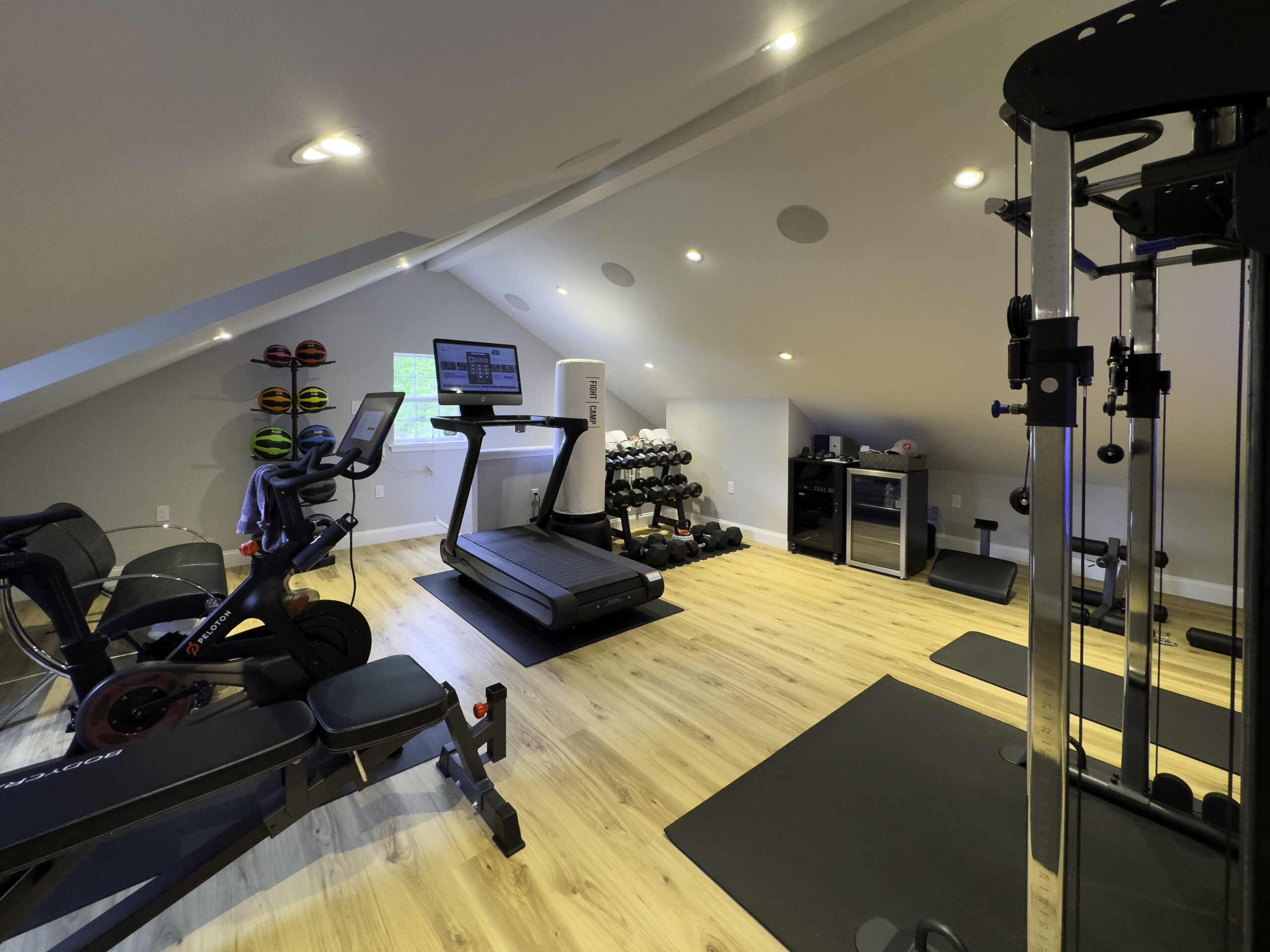
Cardio machines boost heart health. They also burn calories efficiently. Consider a treadmill for running or walking. An elliptical offers low-impact cardio. Exercise bikes are compact and effective. Rowing machines provide full-body workouts. Pick what fits your space and goals.Strength Training Gear
Strength training builds muscle. It enhances bone health too. Dumbbells are versatile and easy to store. Kettlebells offer dynamic workouts. Resistance bands are portable and affordable. A weight bench supports various exercises. Consider a power rack for safety. Choose equipment that suits your strength level.Flexibility And Recovery Tools
Flexibility tools aid muscle recovery. Yoga mats cushion your movements. Foam rollers relieve muscle tension. Stretch straps improve flexibility. Massage balls target tight spots. Incorporate these tools for balanced fitness. They help prevent injuries and promote relaxation.Designing For Functionality
Designing a home gym room requires careful thought about functionality. The space must support workouts safely and comfortably. Choosing the right elements helps create a practical and motivating environment. Focus on durable materials, smart storage, and a layout that fits your routine.
Flooring Options
Flooring plays a key role in gym safety and comfort. It must absorb impact and prevent slips. Rubber flooring is popular for its durability and cushioning. Foam tiles offer softness but may wear faster. Vinyl floors are easy to clean and resist moisture. Choose flooring that suits your workout type and room size.
Storage Solutions
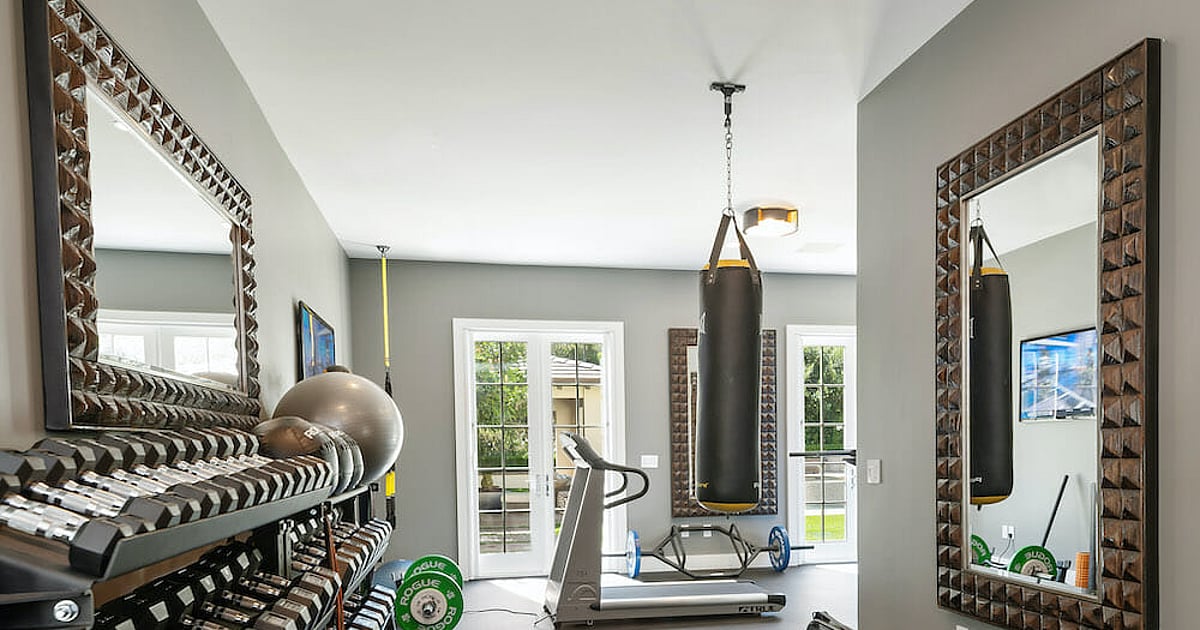
Good storage keeps the gym tidy and organized. Wall-mounted racks save floor space and hold weights or bands. Shelves and cubbies keep smaller gear neatly arranged. Use hooks for jump ropes or resistance bands. A clutter-free room makes workouts smoother and safer. Plan storage based on your equipment size and amount.
Mirrors And Layout Planning
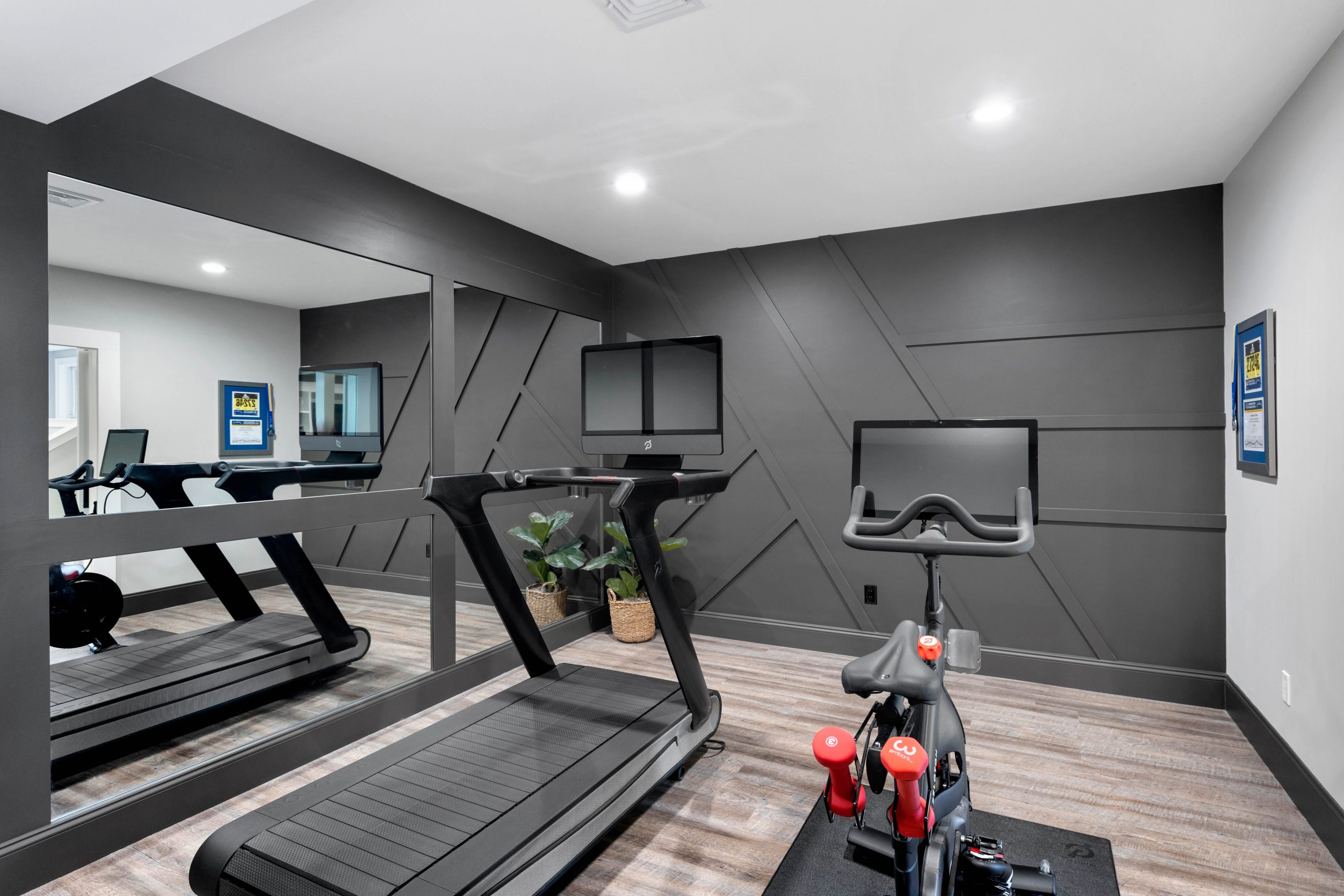
Mirrors help check form and increase light in the room. Place them where you do most exercises. A well-planned layout allows free movement and easy access to equipment. Keep enough space between machines or mats. Arrange gear by workout type for quick transitions. Thoughtful layout boosts workout flow and enjoyment.
Budget-friendly Tips
Creating a home gym doesn’t have to drain your wallet. With some smart choices and a bit of creativity, you can set up an effective workout space without overspending. Let’s look at some budget-friendly tips that help you get more value for your money while building your ideal gym room.
Prioritizing Equipment
Focus on equipment that offers versatility and suits your workout goals. Instead of buying many single-purpose machines, choose items like adjustable dumbbells or resistance bands that work multiple muscle groups.
Think about what exercises you enjoy and what will keep you motivated. You don’t need a treadmill if you prefer bodyweight exercises or yoga. This keeps your spending focused and prevents clutter.
Diy Alternatives
Some gym essentials can be made at home with simple materials. For example, a sturdy wooden box can serve as a plyometric jump box, or filled water jugs can replace dumbbells in a pinch.
I once built my own pull-up bar using metal pipes and mounted it in a doorway. It saved me a lot of money and still holds up well. What items could you create yourself to cut costs?
Finding Deals And Discounts
Check out clearance sales, second-hand stores, and online marketplaces for gently used equipment. Many people sell barely used gear when they switch routines or upgrade.
Sign up for newsletters from fitness retailers to get alerts on discounts. You might also find coupon codes or seasonal promotions that make a big difference. Have you explored local community groups or apps for free or cheap workout gear?
Safety Measures
Ensuring safety in your home gym room is crucial to avoid injuries and create a comfortable workout environment. Paying close attention to safety measures can make your fitness routine more effective and worry-free. Let’s look at some key areas that help keep your home gym safe and functional.
Proper Equipment Installation
Incorrectly installed equipment can lead to accidents. Make sure each machine or fixture is securely anchored to the floor or wall as recommended by the manufacturer.
Check bolts, screws, and supports regularly to prevent loosening over time. I once overlooked tightening a cable pulley system, which nearly caused a serious mishap during my workout.
Consider professional help for complex installations. Your safety depends on sturdy, stable equipment that won’t fail under pressure.
Space For Movement
Cluttered workout areas increase the risk of trips and falls. Give yourself enough room to move freely around each piece of equipment.
A good rule is to leave at least two feet of clearance around machines and weights. This space lets you perform exercises without feeling cramped or restricted.
Think about your workout flow—can you switch exercises smoothly without bumping into anything? If the answer is no, rearrange your setup.
Emergency Preparedness
Accidents can happen even with precautions. Prepare your gym for emergencies by keeping a first aid kit within easy reach.
Install a smoke detector and ensure good ventilation to avoid overheating or inhaling dust. Also, keep a phone nearby to call for help if needed.
Have you planned an emergency exit route? Knowing how to leave quickly can make a big difference during unexpected situations.
Credit: www.lappstructures.com
Motivation And Ambiance
Creating a home gym room that keeps you motivated means paying close attention to its ambiance. The environment you work out in affects not just your energy but also your consistency. Small changes in lighting, sound, and personal touches can turn a dull space into one that inspires you every day.
Lighting And Color Choices
Good lighting can make a huge difference in how you feel during workouts. Natural light boosts your mood and energy, so try to place your gym near a window if possible. If natural light is limited, use bright, white LED lights that mimic daylight to keep the space lively and alert.
Color impacts motivation more than you might think. Choose colors that energize you, like vibrant blues or greens, which can promote focus and calmness. Avoid dark or dull colors that might drain your energy or make the room feel smaller.
Sound System Setup
Music or motivational podcasts can push you to work harder and stay longer in your gym. A quality sound system with speakers placed around the room makes your workout more immersive. Wireless options keep the space clean and let you control your playlist from anywhere in the room.
Consider noise-canceling headphones if you prefer focusing without distractions. But if you like to share your workout space, setting up a sound system that everyone can enjoy encourages a fun, communal atmosphere.
Personalizing Your Space
Your home gym should reflect your style and goals. Add motivational quotes or posters that speak to your fitness journey. Display your progress with photos or charts to keep your achievements visible and push you to reach new goals.
Think about the equipment layout too—make sure it fits how you like to move. A clutter-free, organized gym feels welcoming and makes workouts smoother. What small changes can you make today to turn your gym into a space you truly want to be in?
Maintenance And Upkeep
Maintaining a home gym room ensures it stays safe, clean, and ready for workouts. Regular care keeps equipment working longer and the space inviting. Simple habits prevent damage and reduce repair costs.
Cleaning Routines
Keep the gym floor free from dust and sweat. Wipe down machines after each use with a damp cloth. Use gentle cleaners to avoid damaging surfaces. Clean mirrors and windows for a bright workout space. Vacuum or mop the floor weekly to remove dirt.
Equipment Care
Check machines for loose bolts or worn parts regularly. Lubricate moving parts to avoid squeaks and wear. Replace worn cables and grips to stay safe. Store small items like weights and bands neatly to prevent damage. Follow manufacturer instructions for specific care tips.
Regular Upgrades
Swap out old or broken equipment to keep workouts effective. Add new gear that fits your fitness goals and space. Update mats and flooring if they show signs of wear. Upgrade lighting or ventilation to improve comfort. Small changes can refresh your gym’s look and feel.
Frequently Asked Questions
What Equipment Is Essential For A Home Gym Room?
Essential equipment includes a treadmill, dumbbells, resistance bands, and a yoga mat. These tools cover cardio, strength, and flexibility training effectively.
How Much Space Do I Need For A Home Gym Room?
A minimum of 50 to 100 square feet is ideal. This space allows for movement and equipment without feeling cramped.
How Can I Make My Home Gym Room Motivating?
Use bright lighting, mirrors, and inspiring wall art. Adding a sound system and organizing equipment also boosts motivation.
What Flooring Is Best For A Home Gym Room?
Rubber flooring is ideal due to its durability and shock absorption. It protects your floor and reduces noise during workouts.
Conclusion
Creating a home gym room brings fitness right to your door. You save time and avoid crowded gyms. A small space can fit basic equipment and still offer good workouts. Consistency grows easier with your gym nearby. Choose gear that suits your needs and space.
Keep the room tidy and motivating. This simple step helps you stay active every day. Your health and happiness improve with regular exercise at home. A home gym makes fitness simple and close.







