
Are you ready to transform a corner of your home into the perfect workout space? Creating a home gym that fits your style and needs can make exercising easier and more enjoyable.
Whether you have a small room or a spacious area, the right layout can boost your motivation and help you stick to your fitness goals. You’ll discover practical home gym layout ideas designed to maximize your space, keep you comfortable, and keep you coming back for more.
Let’s dive in and find the setup that works best for you!
Choosing The Right Space
Choosing the right space for your home gym is a crucial step that impacts how often you use it and how effective your workouts will be. The ideal area should support your fitness goals while fitting comfortably into your daily routine. Think about where you feel motivated and can exercise without distractions.
Assessing Available Spaces In Your Home
Look around your home and identify all potential spots for a gym. This could be a spare bedroom, a section of the basement, or even a corner of your living room. Measure the area to ensure there’s enough room for your equipment and movement.
Consider lighting and ventilation too. Natural light can boost your mood, while good airflow keeps the space fresh. Have you noticed how your energy changes in different rooms?
Matching Space To Your Workout Style
Different workouts need different amounts of space. If you enjoy yoga or bodyweight exercises, a smaller, quiet area might work well. For weightlifting or cardio machines, you’ll need more room to move safely.
Think about what equipment you plan to use and how much clearance it requires. Could your chosen space comfortably fit a treadmill or a rack of dumbbells? Your workout style should guide your space choice, not the other way around.
Minimizing Distractions And Maximizing Focus
Choosing a space away from high-traffic areas can help you stay focused. Noise from the TV or family chatter can break your concentration during workouts. Consider a room with a door or a corner that feels private and calm.
Adding simple touches like a dedicated workout playlist or noise-canceling headphones can enhance your focus. What’s one distraction you think you could easily remove from your workout zone?
Planning For Future Growth
Think ahead about how your fitness routine might evolve. Will you add new equipment or try different types of workouts? Choosing a flexible space allows you to adapt without needing to relocate your gym.
For example, a garage or unfinished basement often offers more room for expansion than a cramped bedroom. How might your fitness needs change in the next six months?
Essential Equipment Selection
Choosing the right equipment for your home gym can make all the difference in your workout experience. It’s not just about having the latest gadgets; it’s about selecting tools that fit your space, goals, and routine. The right gear motivates you to keep moving and helps you stay consistent.
Think about what types of exercises you enjoy and what you want to achieve. Do you prefer strength training, cardio, or flexibility workouts? Your equipment should reflect those preferences, so you actually use it instead of letting it gather dust.
Multi-Functional Equipment for Small SpacesIf space is tight, you need equipment that does more than one job. Adjustable dumbbells save room and allow you to work with different weights without clutter. A foldable treadmill or a compact rowing machine can give you cardio options without taking up too much floor space.
Look for gear that can handle various exercises. Resistance bands, for example, work for strength, stretching, and rehabilitation. This way, you get versatility without overcrowding your gym.
Prioritize Quality Over QuantityIt’s tempting to buy a lot of equipment, but quality matters more. Durable pieces last longer and feel better to use. A sturdy bench or a good barbell set can be your gym’s foundation for years.
Think about how often you’ll use each item and how reliable it is. Spending a little more upfront on quality can save you money and frustration later.
Essential Basics Everyone Should Have- Adjustable Dumbbells – Great for strength training with limited space.
- Yoga Mat – Perfect for stretching, core workouts, and floor exercises.
- Resistance Bands – Affordable, portable, and versatile for all fitness levels.
- Cardio Machine – Choose between a jump rope, stationary bike, or treadmill.
- Sturdy Bench – Useful for weightlifting and bodyweight exercises.
Start with these basics and add more specialized equipment as your routine evolves. This helps you avoid clutter and keeps your gym functional.
Consider Your Budget and Future GrowthHow much are you willing to invest? You don’t need everything at once. Plan your purchases so you can expand your gym as your fitness improves.
Buying secondhand or waiting for deals can stretch your budget. Just make sure used equipment is safe and in good condition.
Ask yourself: What equipment will help me reach my next fitness goal? This focus keeps your gym relevant and motivating.
Optimizing Floor Plans
Optimizing the floor plan of your home gym can boost your workout experience. A well-planned layout saves space and improves movement. It also helps create a motivating environment for exercise. Small changes in arrangement can make a big difference in comfort and function.
Focus on how you use the space. Separate areas for different workouts prevent clutter. Think about natural light and ventilation. A bright, fresh room feels more inviting and keeps energy high.
Maximizing Space With Smart Furniture Placement
Place large equipment against walls to open central space. Use corners for storage racks or smaller gear. Keep pathways clear for safety and ease of movement. Multi-functional furniture can save room and add convenience.
Creating Zones For Different Workouts
Divide your gym into zones: cardio, strength, and stretching areas. Use rugs or mats to mark each zone visually. This helps keep equipment organized and easy to find. It also guides your workout flow smoothly from one activity to another.
Using Vertical Storage To Save Floor Area
Install shelves or hooks on walls to store weights and bands. Vertical racks keep gear off the floor and reduce tripping hazards. This method frees up floor space for exercises and movement. It also makes cleaning easier and quicker.
Lighting And Ambiance
Lighting and ambiance play a big role in creating a motivating home gym. Bright, natural light wakes up the body and mind. Soft, warm lights help to relax muscles during cool-downs. The right lighting sets the mood and boosts energy. It also makes the space feel inviting and safe.
Good lighting improves visibility for exercises. It prevents accidents and helps maintain proper form. Ambiance influences how often you use the gym. A pleasant atmosphere makes workouts enjoyable and less of a chore.
Choosing Natural Light Sources
Windows and skylights bring natural light inside. Sunlight improves mood and energy. Position workout equipment near these light sources. Use sheer curtains to soften harsh sun rays. Natural light reduces eye strain during workouts.
Using Adjustable Artificial Lighting
Install dimmable lights for flexible brightness. Bright light works well for intense exercise. Dim light fits stretching or yoga sessions. LED bulbs save energy and last longer. Adjustable lighting adapts to different workout needs.
Incorporating Color And Mood Lighting
Colored lights influence feelings and focus. Blue tones calm the mind during cool-downs. Red or orange lights increase alertness and energy. Smart bulbs let you change colors easily. Use mood lighting to customize your workout vibe.
Adding Mirrors And Reflective Surfaces
Mirrors increase light reflection and space feel. They help check exercise form and posture. Place mirrors opposite light sources for brightness. Reflective surfaces create a clean, open look. Mirrors motivate by showing workout progress clearly.
Storage Solutions
Storage solutions play a key role in creating an efficient home gym. Clutter-free spaces help you stay motivated and focused during workouts. Organizing equipment properly also protects your gear and extends its life.
Smart storage ideas make your gym safe and visually appealing. They save space and keep everything within easy reach. Choose storage options that fit your room size and workout style.
Wall-mounted Racks And Shelves
Use wall space to store weights, bands, and mats. Wall racks keep equipment off the floor, freeing up room. Shelves work well for small items like dumbbells or kettlebells.
- Install sturdy hooks for jump ropes and resistance bands
- Add shelves for water bottles and towels
- Use pegboards for adjustable equipment placement
Storage Benches And Cabinets
Storage benches offer seating and hidden space for gear. Cabinets keep equipment dust-free and out of sight. Choose units with doors or drawers for a clean look.
- Pick benches with lift-up tops or compartments
- Use cabinets to store smaller weights and accessories
- Place storage near workout areas for easy access
Portable Storage Carts
Mobile carts provide flexible storage that moves with you. They hold towels, water bottles, and workout tools. Roll carts close during exercise and tuck away after.
- Choose lightweight carts with multiple tiers
- Use baskets or bins for organizing small items
- Keep carts near your main workout zone
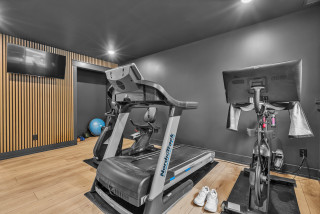
Credit: www.houzz.com.au
Incorporating Technology
Incorporating technology into your home gym can boost motivation and improve workouts. Smart devices help track progress and provide real-time feedback. Technology also makes workouts more engaging and fun.
Using tech tools saves time by guiding your routines precisely. It creates a personalized experience tailored to your fitness goals. Choose devices that fit your space and workout style.
Smart Mirrors and Interactive ScreensSmart mirrors display live or recorded workout classes. They allow you to follow trainers without leaving your home. Interactive screens adjust workouts based on your performance. This technology gives instant feedback and keeps you focused.
Wearable Fitness TrackersWearables monitor heart rate, calories, and steps. They provide data to improve your routine. Many devices sync with apps to track progress over time. This helps set realistic goals and stay motivated.
Connected Cardio MachinesSmart treadmills and bikes offer virtual routes and competitions. They connect to apps for personalized training plans. These machines make cardio workouts more exciting and less boring. Adjust settings easily with touchscreens or voice commands.
Bluetooth Speakers and Audio SystemsGood sound systems boost energy during workouts. Bluetooth speakers let you play music or podcasts wirelessly. Clear audio improves focus and enjoyment. Place speakers strategically for even sound coverage.
Mobile Apps and Virtual TrainersFitness apps provide guided workouts and tracking features. Virtual trainers offer coaching and motivation through video calls. These tools help maintain routine and improve technique. Choose apps that suit your fitness level and goals.
Safety Considerations
Safety is the top priority when planning a home gym layout. A well-designed space reduces the risk of injury. It also helps you stay focused on workouts without worry.
Creating clear walkways prevents tripping over equipment. Proper lighting ensures you see everything clearly. Ventilation keeps the air fresh and comfortable during exercise.
Clear Space For Movement
Allow enough room around machines and weights. This space helps avoid accidents during exercise. Keep floors free from clutter and loose items. Use storage racks to organize small equipment.
Secure And Stable Equipment
Check that all machines are firmly placed on the floor. Use mats to prevent slipping and protect floors. Inspect equipment regularly for wear and tear. Tighten bolts and replace damaged parts immediately.
Proper Flooring Choices
Choose flooring that absorbs impact and prevents slips. Rubber mats or foam tiles work well for home gyms. Avoid hard surfaces that increase injury risk. Flooring should be easy to clean and maintain.
Safe Electrical Setup
Keep electrical cords away from walking paths. Use outlets with surge protection for machines. Avoid overloading sockets with multiple devices. Ensure lighting fixtures are installed safely and securely.
Aesthetic Enhancements
Creating a home gym that looks as good as it functions can make your workouts more enjoyable and motivate you to stick with your fitness goals. Aesthetic enhancements don’t just add beauty—they create a space where you want to spend time. Small design touches can transform a basic workout area into an inspiring environment.
Use Color To Set The Mood
Colors impact energy and focus. Bright colors like orange and yellow can boost your mood and keep you energized during workouts. On the other hand, calming colors like soft blues and greens help you relax during stretches or yoga.
Think about what kind of workout you do most and choose your colors accordingly. You can paint a wall, add mats, or even pick colorful equipment to match your vibe.
Incorporate Mirrors For Space And Form
Mirrors make your gym feel bigger and brighter. They also help you check your form to avoid injuries. Position them where you do the most exercises, like near your weights or yoga mat.
Even a small mirror can make a big difference in your space. Try a floor-length mirror if wall space is limited.
Add Greenery For Freshness
Plants improve air quality and add a touch of nature to your gym. Low-maintenance plants like snake plants or pothos work well in workout spaces.
Place them in corners or on shelves to keep your space lively without cluttering. Have you noticed how a bit of green can make your workout feel less like a chore?
Choose Functional And Stylish Storage
Clutter can kill motivation. Use attractive baskets, shelves, or racks to store your equipment neatly.
Open shelves keep everything visible and easy to grab, while closed storage hides distractions. Combining both can help you maintain a clean, inviting space.
Lighting That Energizes
Good lighting changes everything. Natural light is best, but if that’s not possible, use bright LED lights that mimic daylight.
Consider adjustable lighting to switch between intense and calm settings depending on your workout type. Have you tried dimming the lights during stretching or meditation?
Multi-purpose Design Ideas
Multi-purpose home gym designs make the best use of limited space. They combine fitness, work, and relaxation areas in one room. This approach creates a versatile environment that suits many activities.
Choosing furniture and equipment that serve multiple functions helps save space. It also keeps the area organized and inviting. A well-planned multi-purpose gym adapts to your daily needs effortlessly.
Foldable Equipment For Space Efficiency
Foldable gym gear saves room when not in use. Foldable treadmills, benches, and racks fit neatly against walls. This setup keeps the floor clear and safe.
Use wall hooks or shelves to store smaller items. Resistance bands and dumbbells can hang or stack easily. This method reduces clutter and speeds up workout prep.
Combine Workout And Office Areas
Mixing a home office with a gym boosts productivity and health. A compact desk near a workout zone offers convenience. Take short breaks to stretch or do light exercises.
Select a chair and desk that fold or slide away. This flexibility creates more workout space when needed. Proper lighting benefits both work and exercise sessions.
Storage Solutions That Double As Seating
Storage benches and ottomans keep equipment hidden and provide seating. These pieces fit well in corners or along walls. They make the space feel tidy and cozy.
Use bins inside storage furniture for small items. This system helps find gear quickly. Seating options encourage rest between sets or socializing.
Use Mirrors To Expand Visual Space
Mirrors make the gym look larger and brighter. Place them opposite windows or light sources for best effect. They also help monitor form during workouts.
Full-length mirrors add a professional touch. They motivate and improve exercise accuracy. Installing mirrors is a simple, low-cost upgrade.
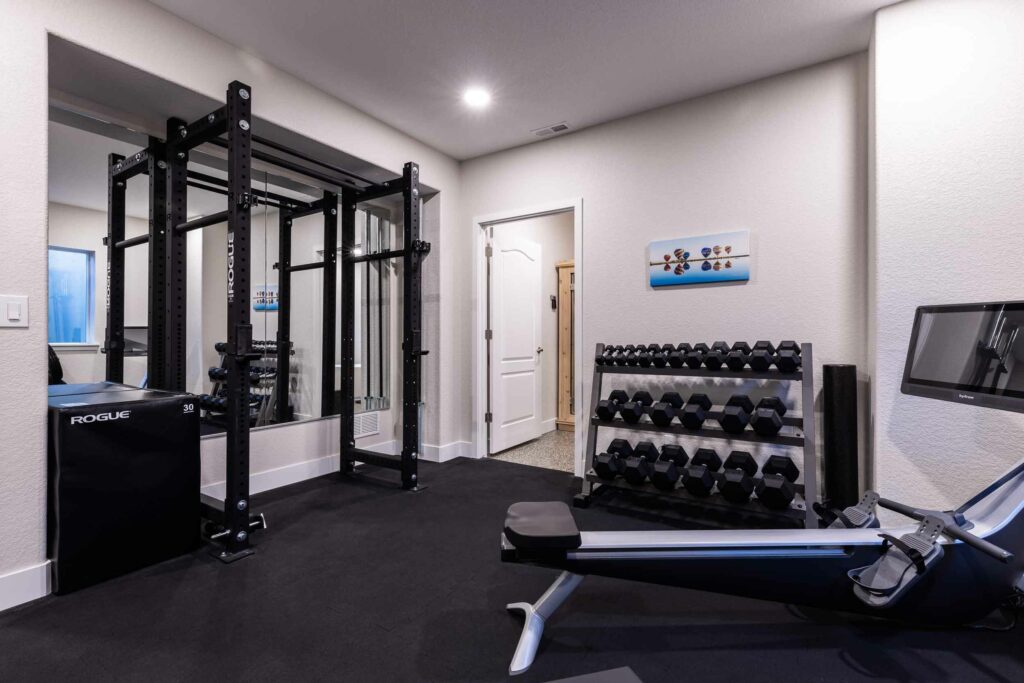
Credit: elkstonebasements.com
Maintaining Your Home Gym
Maintaining your home gym keeps equipment safe and workouts effective. Cleanliness and organization help create a pleasant space to exercise. Regular care extends the life of machines and tools. It also reduces injury risks and improves workout results.
Cleaning Equipment Regularly
Wipe down machines and weights after every use. Use a mild cleaner and soft cloth to remove sweat and dirt. Avoid harsh chemicals that can damage surfaces. Clean floors and mats to prevent germs and dust buildup.
Organizing Your Workout Space
Keep equipment in designated spots to avoid clutter. Use shelves or racks for small items like dumbbells and bands. Clear the floor to provide enough space for movement. A tidy gym feels inviting and safe for exercise.
Checking Equipment For Wear And Tear
Inspect machines and weights weekly for any damage or loose parts. Tighten screws and bolts to keep equipment stable. Replace worn-out grips or pads to maintain comfort. Early repairs prevent accidents and costly fixes later.
Maintaining Proper Ventilation
Good airflow reduces odors and moisture in your gym. Open windows or use a fan during workouts to keep air fresh. Avoid damp areas to prevent mold and mildew. A well-ventilated gym feels more comfortable and healthy.
Scheduling Regular Deep Cleanings
Plan a thorough cleaning once a month or every few weeks. Move heavy equipment to clean underneath and behind them. Wash gym mats and launder any fabric covers. Deep cleaning helps maintain a clean and safe workout environment.

Credit: www.drewandjonathan.com
Frequently Asked Questions
What Is The Best Space For A Home Gym Layout?
Choose a well-ventilated, quiet area with enough room to move freely. Avoid cramped spaces to ensure safety and comfort. Basements, spare rooms, or garages often work well for home gym layouts.
How Do I Organize Equipment In A Small Home Gym?
Use vertical storage like wall racks and shelves. Group similar items together for easy access. Keep frequently used equipment within reach to maximize space and efficiency in a small home gym.
What Flooring Works Best For Home Gym Layouts?
Opt for durable, shock-absorbing flooring like rubber or foam mats. These protect your floors and reduce injury risks. Good flooring also improves traction and comfort during workouts.
How Can I Maximize Natural Light In My Home Gym?
Position your gym near windows or glass doors to utilize natural light. Use light-colored walls and mirrors to reflect light and create a bright, motivating workout space.
Conclusion
Creating a home gym that fits your space and needs makes exercise easier. Choose equipment that matches your goals and room size. Keep the area organized to stay motivated and safe. Bright lighting and good ventilation help keep energy high.
Small changes can make a big difference in your workout routine. Start simple and adjust your layout as you go. Enjoy the comfort and convenience of working out at home. Your ideal gym is just a few steps away.







