
Imagine having a workout space just steps away, right in your own basement. No more commuting to the gym or waiting for machines to free up.
Your home gym in the basement can be the perfect solution to stay fit, save time, and boost your motivation every day. Ready to discover how you can transform that underused space into your personal fitness haven? Keep reading, because creating your ideal home gym is easier than you think—and the benefits will surprise you.

Credit: www.reddit.com
Choosing The Right Basement Space
Choosing the right basement space is crucial for creating a home gym that motivates you to work out consistently. The space you select impacts your comfort, safety, and the types of equipment you can use. Consider factors beyond just the size to ensure your gym feels inviting and functional.
Evaluating Size And Layout
Start by measuring the available area carefully. You want enough room for your equipment plus space to move freely without bumping into things.
Think about how you use the space daily. Would you prefer an open floor plan for yoga and stretching, or separate zones for cardio and weight training?
Don’t forget about ceiling height—low ceilings can limit certain exercises or equipment like treadmills with incline features.
Checking For Moisture And Ventilation
Basements often have moisture issues that can damage your gear and create an unpleasant workout environment.
Look for signs like damp walls, musty odors, or visible mold before you start setting up. Fixing these problems early saves you headaches later.
Ventilation is key to keeping air fresh and preventing humidity buildup. Can you add a dehumidifier or install vents to improve airflow?
Assessing Lighting Options
Basements tend to be darker, which can kill your workout motivation. Bright, well-lit spaces energize and help you stay focused.
Consider a mix of natural and artificial lighting. If windows are limited, add LED lights that mimic daylight and avoid harsh fluorescents.
Think about task lighting for specific workout zones, like brighter lights over a weight bench and softer lights for stretching areas.
Designing Your Workout Zone
Transform your basement into a cozy workout space with good lighting and proper ventilation. Choose simple equipment that fits the area and keeps you motivated.
Designing your home gym in the basement can be exciting. It’s your personal workout zone. Start by planning the space wisely. Consider the equipment and exercises you enjoy. Transform your basement into a functional and inspiring area.Selecting Flooring Materials
The right flooring is crucial for safety and comfort. Rubber flooring is a popular choice. It’s durable and absorbs impact. Foam tiles are another option. They offer cushioning for exercises like yoga. Consider your budget and needs when choosing.Creating Zones For Different Exercises
Divide the space into sections for various workouts. Have a cardio corner with a treadmill or bike. Use another area for strength training. Free weights and resistance bands work well here. Keep stretching or yoga zones separate. This helps in maintaining focus.Incorporating Mirrors And Storage
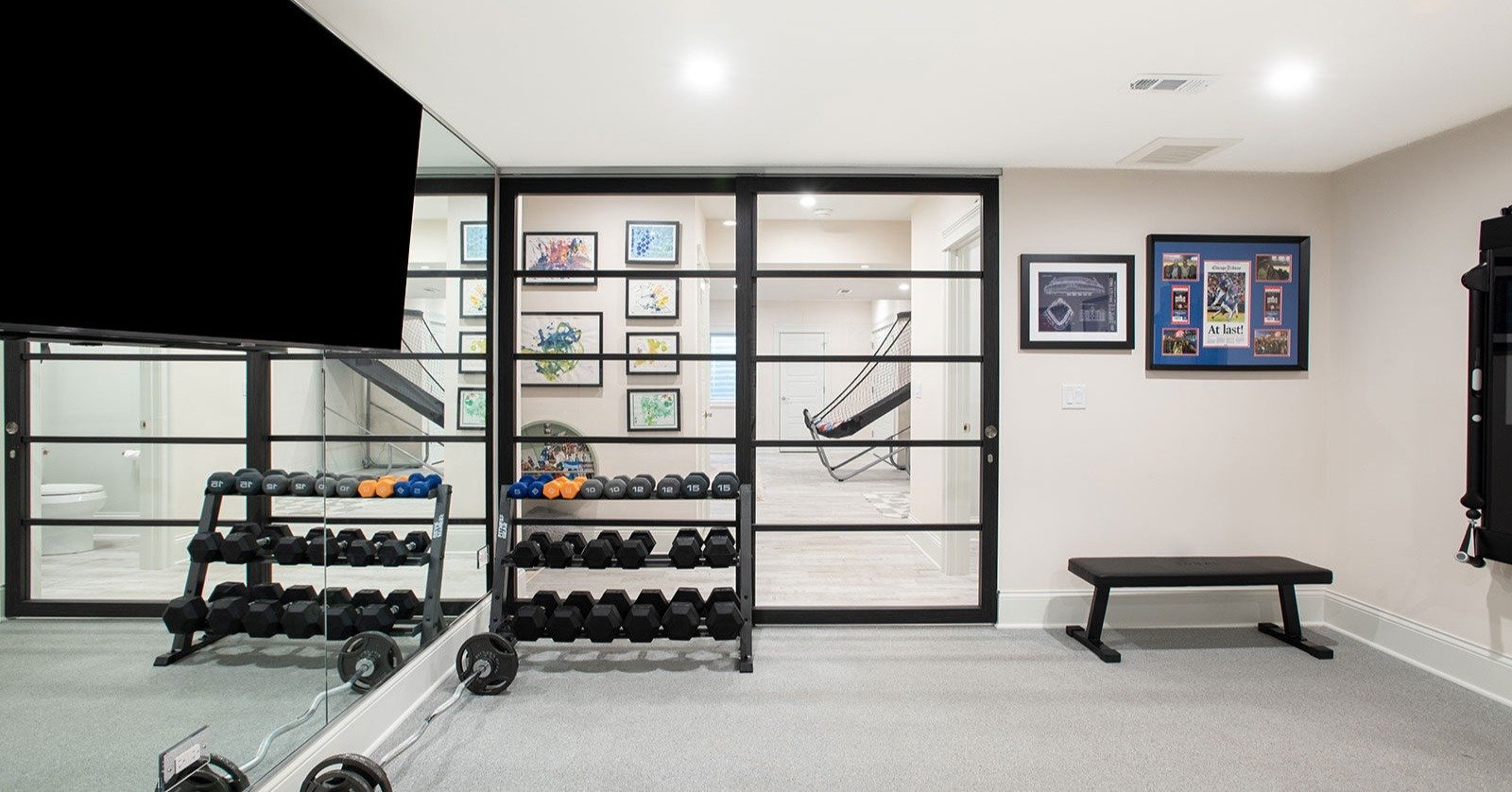
Mirrors make the space feel larger. They help in checking your form. Install them on one wall. Storage keeps equipment organized. Shelves and racks are practical solutions. Keep your workout gear accessible yet tidy. This enhances the overall workout experience.Essential Equipment For Home Gym
Setting up a home gym in your basement means choosing the right equipment to match your fitness goals and space. The essential gear should cover cardio, strength, and recovery to give you a complete workout experience. Picking the right tools helps you stay motivated and make the most of your workout time.
Cardio Machines
Cardio machines keep your heart healthy and burn calories effectively. Treadmills are a classic choice, perfect if you like running or walking indoors. If space is tight, consider a foldable rowing machine or a compact stationary bike.
Jump ropes and step platforms are inexpensive options that add variety to your cardio routine. Think about what you enjoy—will you stick to cycling, or do you want something that mimics outdoor running? The right machine can make your workouts feel less like a chore.
Strength Training Gear
Strength training builds muscle and boosts metabolism. Dumbbells and adjustable kettlebells offer flexibility for different exercises and are easy to store. A sturdy weight bench and a set of resistance bands can expand your workout options without taking up much room.
Consider a power rack or squat stand if you want to lift heavier weights safely. Free weights encourage better balance and coordination compared to machines. What kind of strength goals do you have, and how much space can you dedicate to this gear?
Flexibility And Recovery Tools
Flexibility and recovery tools help prevent injury and improve performance. Foam rollers and massage balls relieve muscle tension and speed up recovery after tough workouts. A yoga mat provides a comfortable surface for stretching and mobility exercises.
Adding a stretching strap or resistance bands designed for flexibility work can deepen your stretches. Don’t overlook these tools—they’re essential for keeping your body in top shape. How often do you dedicate time to recovery in your routine?
Credit: www.patrickafinn.com
Budgeting And Cost Management
Setting up a home gym in your basement can be exciting, but it requires careful budgeting and cost management to avoid overspending. Knowing where your money goes helps you make smarter choices and keeps your project on track. Let’s break down the key areas where your budget matters most.
Estimating Initial Setup Costs
Start by listing everything you need: flooring, lighting, ventilation, and gym equipment. Basement renovations can add up quickly, especially if you need to fix moisture issues or install new electrical outlets. Expect to spend more if your basement isn’t already a usable space.
For example, basic rubber flooring can cost around $2 to $5 per square foot, while professional moisture-proofing might push costs higher. Don’t forget to budget for small but essential items like mirrors or storage racks. Ask yourself: what’s non-negotiable, and where can you save?
Finding Affordable Equipment
High-end gym machines are tempting, but affordable alternatives can be just as effective. Look for gently used items on platforms like Craigslist or Facebook Marketplace—you might snag a treadmill or weight set for a fraction of the retail price.
Consider multi-use equipment like adjustable dumbbells or resistance bands that cover various workouts without cluttering your space. You can also watch for sales at big-box stores or online retailers. What’s the best deal you’ve found that didn’t compromise quality?
Diy Vs Professional Installation
Deciding between doing it yourself or hiring pros affects your budget and timeline. Installing gym flooring or assembling equipment can be straightforward if you’re handy, saving you labor costs. However, electrical work or structural changes should be left to experts for safety and compliance reasons.
DIY projects add value beyond money saved—they give you control and satisfaction. Yet, ask yourself if the time and effort are worth the savings or if it’s smarter to invest in professional help. How confident are you tackling basement upgrades on your own?
Safety And Maintenance Tips
Setting up a home gym in your basement is a fantastic way to stay fit without leaving the house. However, safety and maintenance should never be afterthoughts. Paying close attention to these areas helps you create an environment where you can work out confidently and keep your equipment in top shape.
Ensuring Proper Electrical Setup
Basements often have limited electrical outlets, which can tempt you to overload circuits with multiple devices. This creates a fire hazard and can damage your equipment. You should consider hiring a licensed electrician to inspect the wiring and add outlets where needed.
Using surge protectors is another smart move. They protect your machines from power spikes that could lead to costly repairs. Think about the placement of cords too; avoid running wires across walkways to prevent tripping.
Regular Cleaning Routines
Dust and moisture can quickly degrade your gym gear and affect air quality. Wiping down machines after each use removes sweat and dirt that cause corrosion and odors. Sweeping or vacuuming the floor regularly keeps dust from settling on equipment and reduces allergens.
Check for mold in corners and around windows since basements tend to be damp. Using a dehumidifier can maintain optimal humidity levels and protect your investment. You might find that a clean space motivates you to exercise more consistently.
Preventing Injury In Small Spaces
Working out in a confined area requires extra caution. Clear the floor of any clutter before starting your routine to avoid accidents. If your basement ceiling is low, choose exercises that don’t involve jumping or overhead movements.
Invest in quality mats that provide cushioning and grip. These mats not only protect your joints but also reduce the risk of slipping. Have you ever paused mid-workout because you felt unstable? Small changes in your setup can make a big difference in safety.
Maximizing Motivation And Comfort
Creating a home gym in your basement can be a great way to stay fit. Comfort and motivation play key roles in keeping your workout routine consistent. Designing the space to be inviting and enjoyable helps you look forward to exercise. Small changes can make a big difference in your energy and focus.
Adding Entertainment Features
Entertainment helps make workouts less boring. Consider installing a TV or sound system to play your favorite shows or music. Streaming workout videos can guide your exercises and keep you engaged. A good speaker system boosts energy with lively tunes. Entertainment can turn exercise into a fun activity.
Optimizing Temperature Control
Basements can be cold or damp, which affects comfort. Use a space heater or portable fan to keep the temperature just right. Proper ventilation reduces moisture and prevents musty smells. A thermostat helps maintain a steady, comfortable climate. Staying warm or cool keeps you focused and prevents injury.
Personalizing Your Space
Make the gym feel like your own. Add motivational posters or artwork that inspires you. Choose colors that lift your mood and boost energy. Include storage for gear to keep the area neat. Personal touches create a positive atmosphere and encourage regular workouts.

Credit: www.reddit.com
Frequently Asked Questions
How Do I Start Building A Home Gym In Basement?
Begin by assessing your basement space and ceiling height. Choose essential equipment like weights and mats. Ensure good lighting and ventilation for comfort and safety.
What Equipment Is Best For A Basement Gym?
Opt for compact, multi-functional equipment like adjustable dumbbells, resistance bands, and foldable benches. Avoid bulky machines to save space and maintain flexibility.
How To Prevent Moisture In Basement Home Gyms?
Use a dehumidifier and waterproof paint on walls. Improve ventilation and install moisture barriers to keep the space dry and protect your equipment.
Can I Install Flooring Suitable For A Basement Gym?
Yes, choose rubber or foam flooring for shock absorption and durability. These materials protect your floors and provide comfort during workouts.
Conclusion
Creating a home gym in your basement saves time and money. You get privacy and comfort while exercising. It fits your schedule and helps you stay consistent. Small space? No problem. You can use simple equipment and still get results.
A basement gym also keeps your home organized and clutter-free. Start with basics and add more gear later. Enjoy the ease of working out anytime you want. Your health and fitness can improve right at home. Simple steps lead to great benefits.
Give your basement a new purpose today.







