
Imagine giving your kids a fun place to move, play, and build healthy habits right at home. A home gym for kids is more than just equipment—it’s a space where your children can grow stronger, stay active, and enjoy exercise without any pressure.
You might wonder how to create a safe, exciting spot that keeps them motivated day after day. You’ll discover simple tips and ideas to design a kid-friendly gym that fits your space and your family’s lifestyle. Ready to make fitness fun and easy for your kids?
Let’s dive in!
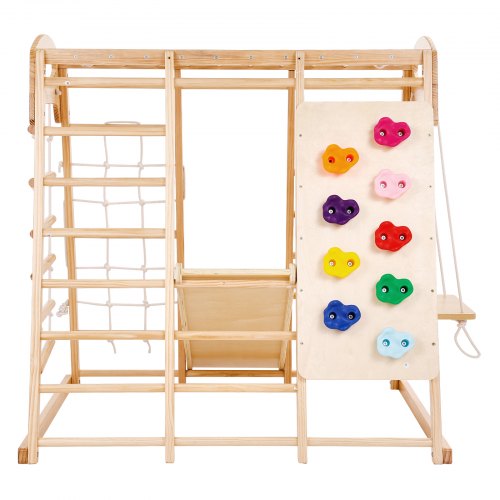
Credit: www.vevor.ca
Choosing The Right Space
Choosing the right space for a home gym for kids is very important. It affects how often they use it and how safe they are. The space should be easy to reach and free from hazards. It should also be a place where kids feel excited to exercise and play. Thoughtful planning helps create a fun and healthy workout area at home.
Safe And Accessible Areas
Pick a spot where children can move freely without risks. Avoid spaces near sharp corners or fragile items. Clear the floor from toys or clutter. Make sure the area has a soft surface or add mats to protect from falls. Keep the gym close to adult supervision for extra safety. Accessibility encourages kids to use the gym regularly.
Maximizing Small Spaces
Small rooms or corners work well for a kid’s gym. Use foldable or stackable equipment to save space. Wall hooks and shelves keep gear organized. Choose compact machines designed for children. Create zones for different activities like stretching, jumping, or balance. A neat layout makes the gym inviting and practical.
Ventilation And Lighting
Good air flow keeps the gym fresh and comfortable. Open windows or use fans to improve ventilation. Natural light boosts energy and mood. Position the gym near windows for daylight. Use soft, bright lights for evening sessions. Proper lighting and air quality make workouts safer and more enjoyable.
Essential Equipment For Kids
Creating a home gym for kids encourages healthy habits and active play. Basic equipment like small weights, jump ropes, and mats keep workouts fun and safe. This setup helps children build strength and coordination at home.
Building a home gym for kids promotes fitness and fun. The right equipment can motivate children to stay active and healthy. Choosing the right gear ensures safety and enjoyment. Let’s explore essential equipment for kids.Age-appropriate Gear
Selecting gear suitable for a child’s age is crucial. Younger kids benefit from lightweight items. Consider foam rollers, small dumbbells, or resistance bands. These are safe and manageable for little hands. For older kids, you can add more challenging equipment. Think adjustable dumbbells or mini trampolines. Always prioritize safety. Ensure equipment is sturdy and well-maintained.Multi-use Tools
Multi-use tools save space and money. Yoga mats are versatile. Kids can use them for stretching, yoga, or floor exercises. Medicine balls offer various workout options. They improve strength and coordination. Resistance bands are excellent too. They work for strength training and flexibility. Look for tools that offer multiple activities. This keeps workouts exciting and diverse.Budget-friendly Options
Setting up a home gym doesn’t need to be costly. Many affordable options exist. Jump ropes are inexpensive and effective for cardio. Hula hoops add fun and improve coordination. Second-hand stores often have budget-friendly finds. Consider DIY equipment like homemade weights. These options reduce costs and encourage creativity. Focus on essential items first. This builds a functional gym without overspending.Creative Play Ideas
Creative play is the heart of a home gym for kids. It turns exercise into fun and keeps them coming back for more. Engaging your child with playful activities helps develop their strength, coordination, and imagination all at once.
Obstacle Courses
Designing obstacle courses in your home gym can be a thrilling challenge for kids. Use cushions, cones, and ropes to create paths that require jumping, crawling, and balancing.
Change the course regularly to keep your child curious and excited. Have you tried timing their runs or adding small rewards? This can boost motivation and make every attempt feel like a new adventure.
Interactive Games
Games that involve movement and interaction make workouts feel like playtime. Try games like “Simon Says” with fitness moves or a scavenger hunt that requires physical activity to find items.
Interactive games encourage kids to listen, move quickly, and follow directions, all while having fun. What games does your child enjoy that you could turn into active play?
Dance And Movement
Music and dance can transform your home gym into a lively dance floor. Pick your child’s favorite songs and dance together, mixing in jumps, spins, and stretches.
This not only improves flexibility but also boosts mood and creativity. Have you noticed how kids express themselves best when they dance freely? Let that energy fuel their fitness routine.
Safety Tips And Guidelines
Creating a safe home gym for kids is essential. Safety helps prevent injuries and builds good habits. Clear rules and proper care make exercise fun and secure. Parents and guardians must focus on safety at all times.
Supervision And Rules
Always watch children while they use gym equipment. Set clear rules about how and when to use each item. Explain why safety matters and listen to their questions. Keep the gym area tidy to avoid trips and falls.
- Never leave kids alone in the gym area
- Establish time limits for each activity
- Teach children to use equipment carefully
- Make sure kids wear proper clothing and shoes
Proper Use Of Equipment
Choose age-appropriate gym tools that fit a child’s size and strength. Show how to use each piece correctly. Check equipment regularly for damage or loose parts. Remove anything broken or unsafe immediately.
- Use light weights and soft balls for young kids
- Adjust machines to fit a child’s height
- Keep small parts away from toddlers
- Encourage slow and steady movements
First Aid Basics
Have a first aid kit nearby and stocked with essentials. Teach kids simple first aid steps for minor cuts or bruises. Know when to call for medical help. Keep emergency numbers visible and easy to reach.
| First Aid Item | Purpose |
|---|---|
| Bandages | Cover small cuts and scrapes |
| Antiseptic Wipes | Clean wounds to prevent infection |
| Ice Pack | Reduce swelling from bumps or sprains |
| Gloves | Protect hands when giving first aid |
Encouraging Regular Activity
Encouraging regular activity in a home gym for kids helps build healthy habits early. It keeps children active and engaged, improving their mood and energy. Consistency matters most. Small, fun steps lead to lasting fitness routines.
Setting Fun Goals
Kids love challenges that feel like play. Set simple, clear goals they can reach. For example:
- Jump rope 20 times
- Complete a mini obstacle course
- Do 10 easy stretches
Celebrate each success. Goals give kids a sense of achievement and motivation.
Incorporating Family Time
Exercise becomes more fun with family involved. Plan workout sessions together. Try activities like:
- Dance parties in the gym
- Relay races
- Stretching circles
Family time creates bonding moments. It encourages kids to stay active regularly.
Reward Systems
Rewards boost kids’ excitement to exercise. Use simple rewards like:
- Stickers for each workout day
- Extra playtime after exercises
- Choosing a favorite healthy snack
Rewards should be positive and encourage effort. They help kids keep coming back to the gym.
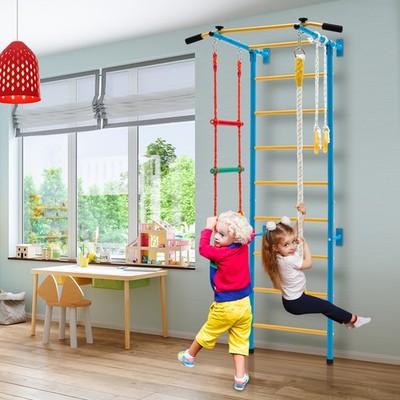
Credit: www.ebay.ca
Adapting For Different Ages
Creating a home gym for kids requires thoughtful adaptation for each age group. Different ages have unique needs and abilities. Designing spaces and activities that match these needs helps keep children safe and interested. This approach encourages healthy habits from an early age.
Toddlers And Preschoolers
Toddlers need simple and safe equipment. Soft mats and small balls work well. Activities should focus on basic movements like crawling, jumping, and balancing.
- Use foam blocks and soft tunnels
- Encourage fun games with movement
- Keep sessions short to match attention spans
Safety is key. Always supervise and avoid sharp or heavy objects.
Elementary Age Kids
Kids in this group enjoy more structure and variety. Light weights and resistance bands can be introduced. Games that involve coordination and teamwork keep them engaged.
- Include jumping ropes and hula hoops
- Use obstacle courses for fun challenges
- Teach simple stretching and strength exercises
Encourage regular breaks and positive reinforcement.
Preteens And Teens
Preteens and teens benefit from more advanced equipment. They can handle free weights and machines with proper guidance. Focus on building strength, endurance, and flexibility.
- Introduce weight training with supervision
- Incorporate cardio machines like bikes or treadmills
- Encourage goal setting and tracking progress
Promote safe practices and balanced routines for long-term fitness.
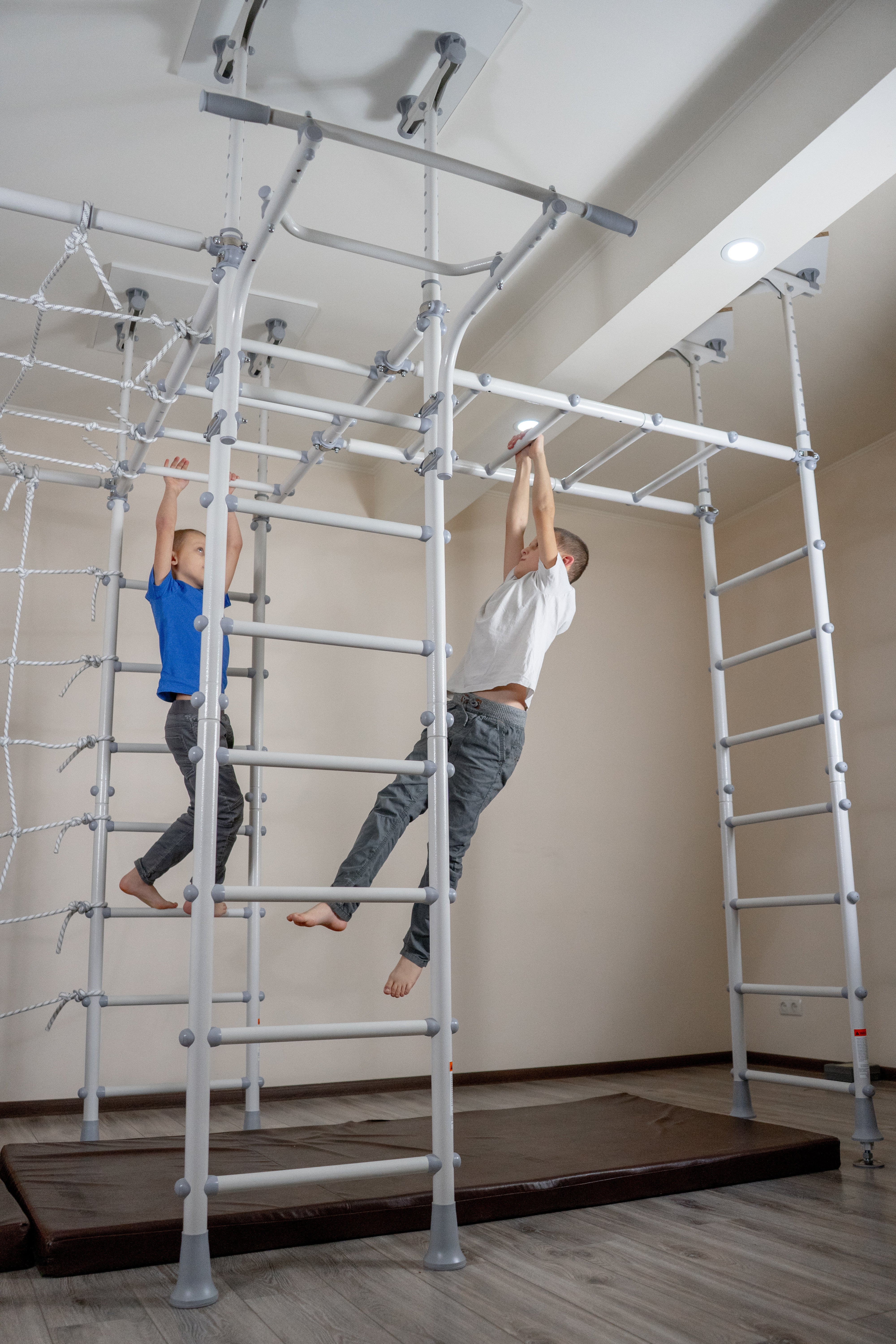
Credit: brainrichkids.com
Frequently Asked Questions
What Equipment Is Best For A Kids’ Home Gym?
Choose lightweight, safe, and age-appropriate equipment. Items like mini dumbbells, resistance bands, and balance boards work well. Avoid heavy or sharp objects. Focus on fun, engaging tools that promote movement and coordination. Safety and ease of use are key.
How Can I Make A Home Gym Safe For Kids?
Ensure all equipment is child-friendly and free of sharp edges. Use non-slip mats and supervise workouts. Keep the area clutter-free and well-lit. Teach kids proper exercise form. Regularly inspect gear for damage to prevent accidents.
What Exercises Are Suitable For Children In A Home Gym?
Focus on bodyweight exercises like squats, jumping jacks, and stretching. Include fun activities like obstacle courses or yoga. Avoid heavy lifting. Encourage movement that develops strength, balance, and flexibility. Keep sessions short and enjoyable.
How Often Should Kids Use Their Home Gym?
Daily activity is ideal, but structured sessions 3-5 times a week work well. Each session can last 20-30 minutes. Balance exercise with rest to avoid fatigue. Encourage a mix of cardio, strength, and flexibility exercises. Consistency builds healthy habits.
Conclusion
Creating a home gym for kids helps build healthy habits early. It encourages fun and safe exercise every day. Kids stay active without needing to leave home. Parents can choose simple, affordable equipment for any space. This setup supports physical growth and improves mood too.
A home gym turns fitness into a regular, easy routine. It also brings the family together for healthy activities. Start small, keep it fun, and watch kids enjoy moving more. Healthy kids grow strong and happy.







