
Are you ready to take control of your fitness without leaving your home? A well-planned home gym exercise routine can help you build strength, boost energy, and feel great every day.
Imagine having workouts tailored just for you, saving time and money while staying comfortable in your own space. This guide will show you simple, effective exercises that fit your schedule and goals. Keep reading, and discover how easy it is to transform your home into the perfect place for your fitness journey.

Credit: darebee.com
Benefits Of A Home Gym
Having a home gym offers many benefits that improve your fitness journey. It makes exercising easier and more enjoyable. You save time and money while staying comfortable. A home gym fits your lifestyle and needs perfectly.
Cost Savings
Building a home gym cuts down monthly gym fees. No travel costs or paid parking. Equipment lasts for years, making it a smart investment. No more paying for extra classes or personal trainers.
Convenience And Flexibility
Work out anytime you want, no scheduling needed. No waiting for machines or crowded spaces. You can take breaks or change exercises freely. Perfect for fitting workouts into busy days.
Privacy And Comfort
Exercise without feeling watched or judged. Wear what you want and try new moves easily. Control the music, temperature, and lighting. Your gym, your rules, your space.
Essential Equipment For Home Workouts
Setting up a home gym requires some essential equipment. The right tools make workouts effective and safe. Choosing the correct gear depends on your fitness level and available space.
Basic items can help beginners start strong. More advanced tools support growth and variety. Space-saving equipment suits small rooms without crowding.
Basic Gear For Beginners
- Yoga mat for floor exercises and stretching
- Resistance bands for strength training
- Light dumbbells for muscle toning
- Jump rope for cardio workouts
- Stability ball for core exercises
These items are affordable and easy to use. They cover a range of exercises for overall fitness. Beginners can build strength and flexibility safely.
Advanced Tools For Progression
- Kettlebells for dynamic strength moves
- Adjustable dumbbells for varied weight
- Pull-up bar for upper body strength
- Weight bench for diverse exercises
- Medicine ball for power training
These tools help increase workout intensity. They add variety and challenge muscles differently. Ideal for those ready to push limits.
Space-saving Options
- Foldable treadmill for cardio without clutter
- Compact rowing machine for full-body workouts
- Wall-mounted resistance bands for easy storage
- Stackable weights to save floor space
- Multifunctional gym stations combining several exercises
Space-saving gear fits small rooms well. They keep your workout area neat and organized. Perfect for apartments or limited spaces.
Designing Your Workout Plan
Creating a home gym routine helps keep workouts simple and effective. Focus on exercises that use your body weight and basic equipment. Consistency builds strength and improves fitness over time.
Designing a workout plan for your home gym can be both exciting and challenging. It’s your roadmap to fitness success, tailored to fit your lifestyle and goals. Crafting the perfect plan requires some thought and strategy, but the rewards are well worth the effort.Setting Realistic Goals
Begin by identifying what you want to achieve with your home workouts. Whether it’s building muscle, losing weight, or enhancing endurance, clarity is key. Ensure your goals are specific and measurable, like aiming to lose 5 pounds in a month or bench pressing a certain weight. Remember, goals should be attainable. Setting the bar too high might lead to frustration. Start small, celebrate your progress, and adjust your targets as you advance.Balancing Cardio And Strength
A balanced workout plan includes both cardio and strength training. Cardio exercises, like jumping jacks or running on a treadmill, boost heart health and burn calories. Strength exercises, such as push-ups or dumbbell lifts, build muscle and enhance metabolism. Consider alternating days between cardio and strength. This not only prevents boredom but also allows your muscles time to recover. Mixing up your routine keeps you motivated and ensures a well-rounded fitness approach.Scheduling And Consistency
Consistency is the secret ingredient to a successful workout plan. Decide how many days a week you can realistically commit to exercise. Is it three, four, or maybe five days? Create a schedule that fits seamlessly into your life. Mornings, evenings, or even lunchtime workouts—find what works best for you. Stick to your schedule, and soon, exercising will become a habit rather than a chore. In the journey to a fitter you, what challenges do you anticipate, and how will you overcome them? Share your thoughts in the comments below!Effective Warm-up And Cool-down
Effective warm-up and cool-down routines prepare the body for exercise and aid recovery. Warming up raises your heart rate and loosens muscles. Cooling down helps reduce muscle soreness and stiffness. Both parts are essential to avoid injuries and improve performance.
Dynamic Stretching Techniques
Dynamic stretching uses movement to increase blood flow and flexibility. It activates muscles you will use during your workout. Here are simple dynamic stretches for home workouts:
- Leg swings: Swing one leg forward and backward gently.
- Arm circles: Rotate your arms in small to large circles.
- Walking lunges: Step forward into a lunge and then switch legs.
- Torso twists: Rotate your upper body side to side with arms out.
Perform each stretch for 30 seconds to prepare your body well.
Post-workout Recovery Tips
Cooling down helps your body return to rest safely. Follow these tips after your home gym session:
- Walk slowly for 3 to 5 minutes to lower heart rate.
- Perform static stretches, holding each for 20 to 30 seconds.
- Focus on major muscle groups used during exercise.
- Drink water to rehydrate your body.
- Rest and allow muscles time to recover.
Consistent cool-down routines reduce soreness and improve flexibility.
Fast-track Strength Training
Fast-track strength training is all about making every workout count. It pushes your muscles harder and smarter, helping you see results quicker at home. You don’t need hours or fancy equipment—just the right approach to boost your strength efficiently.
Compound Exercises To Maximize Gains
Compound exercises hit multiple muscle groups at once, giving you more bang for your buck. Moves like squats, deadlifts, and push-ups engage your whole body, saving time and building overall strength. When I added these to my routine, my progress sped up noticeably because my muscles worked together instead of in isolation.
Try mixing these into your workouts:
- Squats – target legs and core
- Deadlifts – strengthen back, legs, and grip
- Push-ups – build chest, shoulders, and triceps
- Pull-ups – engage back and biceps
How often do you focus on exercises that challenge multiple muscles simultaneously?
Progressive Overload Strategies
To gain strength, your muscles need to face increasing challenges. Progressive overload means gradually adding weight, reps, or intensity so your body keeps adapting. If you stay at the same level, your progress will stall.
Here are simple ways to add overload at home:
- Increase reps or sets slowly each week
- Add weight using dumbbells, kettlebells, or resistance bands
- Reduce rest time between sets to boost intensity
- Try slower, controlled movements to increase muscle tension
Have you tracked how you’re pushing yourself harder this week compared to last?
Bodyweight Vs. Weighted Movements
Bodyweight exercises are great for building strength without gear, but adding weight can speed up your gains. Bodyweight moves improve your control and flexibility, while weighted exercises increase muscle size and power faster. I found combining both keeps workouts fresh and effective.
Consider this balance:
| Bodyweight Exercises | Weighted Exercises |
|---|---|
| Push-ups, lunges, planks | Dumbbell presses, weighted squats, kettlebell swings |
| Easy to modify for beginners | Requires equipment but boosts muscle growth faster |
| Great for endurance and stability | Better for building maximum strength |
Which type fits your current goals better? Mixing them might be the key to fast gains.

Credit: www.gq-magazine.co.uk
High-intensity Interval Training (hiit)
High-Intensity Interval Training (HIIT) is a powerful workout method. It mixes short bursts of intense effort with brief rest periods. HIIT can boost your heart rate and burn more calories in less time. This makes it perfect for a home gym routine. You don’t need much space or equipment to get started. The intense intervals push your body hard. The rest periods help you recover just enough. This cycle repeats several times for a strong workout.
Short Bursts For Maximum Fat Burn
HIIT uses very short, intense exercises to burn fat fast. These bursts last from 20 to 60 seconds. During this time, you give your best effort. Then, you rest or do a low-intensity move for about the same time. This pattern keeps your metabolism high even after the workout. Your body continues to burn calories long after you finish. That means more fat loss without longer workouts.
Sample Hiit Routines
- 30 seconds jumping jacks, 30 seconds rest, repeat 8 times
- 40 seconds mountain climbers, 20 seconds rest, repeat 6 times
- 20 seconds high knees, 40 seconds rest, repeat 10 times
- 30 seconds burpees, 30 seconds rest, repeat 5 times
Each routine lasts between 10 and 20 minutes. You can mix and match exercises based on your space and energy.
Modifications For All Fitness Levels
Beginners can lower intensity by slowing down. Try fewer repetitions or shorter bursts. Walk instead of run during rest periods. Use wall push-ups instead of floor push-ups. Those with higher fitness can increase burst time or reduce rest. Add weights or jump higher to boost intensity. Everyone can adapt HIIT to their needs. This keeps workouts safe and effective.
Flexibility And Mobility Work
Flexibility and mobility work are essential parts of any home gym routine. These exercises help keep muscles and joints moving smoothly. They reduce stiffness and lower the risk of injury. Regular flexibility training improves posture and balance. Mobility work enhances your range of motion, making daily activities easier and workouts more effective.
Stretching For Injury Prevention
Stretching prepares your body for exercise and recovery. It loosens tight muscles and increases blood flow. Focus on major muscle groups like hamstrings, calves, and shoulders. Hold each stretch for 20 to 30 seconds without bouncing. Stretch both before and after workouts to reduce muscle soreness. Consistent stretching helps prevent strains and sprains during exercise.
Incorporating Yoga And Pilates
Yoga and Pilates improve flexibility, strength, and body control. These practices focus on slow, controlled movements and deep breathing. Yoga offers poses that stretch muscles and open joints. Pilates strengthens the core and improves posture. Both reduce muscle tension and enhance overall mobility. Adding short sessions of yoga or Pilates can refresh your routine and aid recovery.
Tracking Progress And Staying Motivated
Tracking your progress is vital for a successful home gym exercise routine. It helps you see how far you have come and keeps you motivated to continue. Without tracking, it is easy to lose focus and stop exercising. Recording your workouts shows patterns and areas for improvement. Motivation stays higher when you notice small wins and steady progress.
Using Fitness Apps And Journals
Fitness apps offer a simple way to log workouts, sets, and reps. Many apps provide reminders and workout plans. Journals allow you to write down feelings, challenges, and achievements. Both tools help keep your routine organized and clear. Choose one that fits your style and use it regularly. Tracking helps spot trends and adjust your plan for better results.
Setting Milestones And Rewards
Set small, clear goals for each week or month. Milestones could be extra reps, longer workout times, or better form. Celebrate hitting these goals with rewards. Rewards can be rest days, a favorite snack, or new gear. These incentives make exercise feel more enjoyable. They create positive habits and encourage you to push forward.
Overcoming Common Plateaus
Plateaus happen when progress slows or stops. They can be frustrating and cause loss of motivation. Change your routine by adding new exercises or increasing intensity. Rest and nutrition also play a key role in breaking plateaus. Track your feelings and performance to know when to adjust. Staying patient and consistent is key to moving past plateaus.
Nutrition Tips To Support Your Routine
Nutrition plays a key role in supporting your home gym exercise routine. Eating the right foods fuels your body and helps muscles recover faster. Good nutrition improves energy levels and workout results.
Eating at the right times and choosing the right foods helps you stay strong and avoid fatigue. Proper hydration keeps your body working at its best. Some supplements can also aid recovery and muscle growth.
Pre- And Post-workout Meals
Choose meals that give energy before workouts and help repair muscles after. A good pre-workout meal has carbohydrates and some protein. This combination fuels your muscles and keeps energy steady.
After exercise, eat protein to help muscle repair. Add some carbohydrates to refill your energy stores. Examples include:
- Pre-workout: Banana with peanut butter, oatmeal, or yogurt with fruit
- Post-workout: Grilled chicken with rice, smoothie with protein powder and berries, or eggs with toast
Hydration Essentials
Water is vital for exercise. It helps regulate body temperature and move nutrients to muscles. Drink water before, during, and after your workout. Signs of dehydration include tiredness and dizziness.
For longer sessions, consider drinks with electrolytes. They replace minerals lost through sweat. Avoid sugary drinks that can cause energy crashes.
Supplements For Recovery
Supplements can support muscle recovery and reduce soreness. Protein powders help meet daily protein needs. Creatine may improve strength and muscle gains. Omega-3s can reduce inflammation.
Use supplements to fill gaps, not replace real food. Always check with a healthcare provider before starting any new supplement.
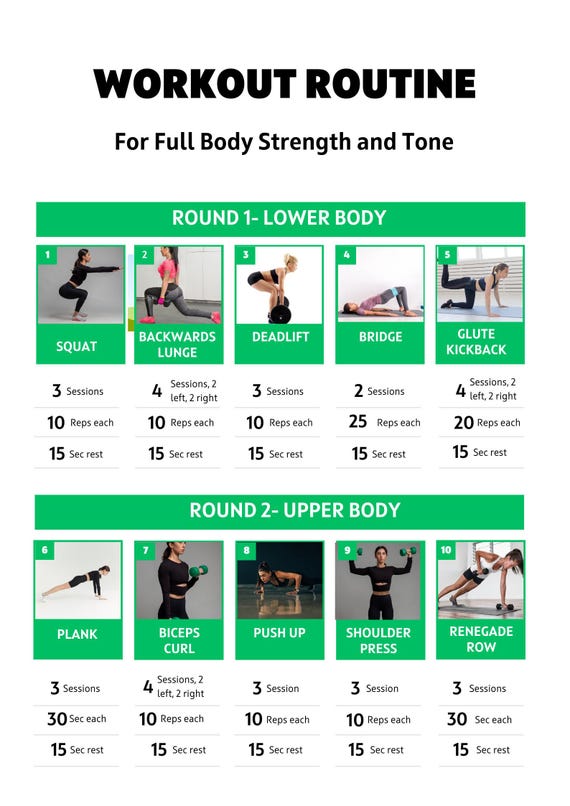
Credit: www.etsy.com
Frequently Asked Questions
What Are The Best Exercises For A Home Gym Routine?
The best exercises include bodyweight squats, push-ups, planks, and dumbbell rows. These target major muscle groups efficiently. They require minimal equipment and fit any fitness level. Combining strength and cardio boosts overall health and muscle tone at home.
How Often Should I Exercise In My Home Gym?
Aim for 3 to 5 workout sessions per week. Each session should last 30 to 60 minutes. Consistency improves strength, endurance, and results. Rest days are essential to allow muscle recovery and prevent injury.
What Equipment Is Essential For A Home Gym?
Basic equipment includes dumbbells, resistance bands, a yoga mat, and a stability ball. These tools support a wide range of exercises. They are affordable, space-saving, and suitable for all fitness levels. Adding variety keeps workouts engaging and effective.
How Can I Stay Motivated In My Home Gym Workouts?
Set clear goals and track your progress regularly. Create a dedicated workout space free from distractions. Mix up exercises to avoid boredom. Listening to music or following online classes also boosts motivation and consistency.
Conclusion
A home gym routine helps you stay fit without leaving home. You save time and can exercise anytime you want. Simple equipment and bodyweight moves work well. Consistency is key to seeing results and feeling strong. Start small and increase your effort step by step.
Enjoy the process and make it part of your day. This way, fitness becomes easy and fun to keep.







