
Looking to get fit without leaving your house? Your home gym can be the perfect place to build strength, boost energy, and feel great every day.
But where do you start? This home gym exercise routine is designed just for you—simple, effective, and easy to follow. Whether you have just a few minutes or a full hour, you’ll discover workouts that fit your schedule and goals.
Ready to transform your space and your body? Keep reading to unlock the secrets to a workout routine that works for you.
Choosing The Right Equipment
Choosing equipment that fits your space and fitness goals makes workouts easier and more effective. Focus on versatile tools like dumbbells, resistance bands, and a sturdy mat for a balanced routine. Select gear that grows with your strength and keeps you motivated.
Choosing the right equipment for your home gym is crucial. It sets the stage for effective workouts. The equipment you select should match your fitness goals. It should also fit your available space and budget. Let’s explore the essentials and options for different fitness levels and budgets.Essential Gear For Beginners
Starting a home gym can be simple. Focus on basic equipment that targets various muscle groups. Here are some must-haves:- Dumbbells: Ideal for strength training. Choose adjustable ones for versatility.
- Resistance Bands: Great for flexibility and strength. Easy to store.
- Yoga Mat: Perfect for floor exercises. Provides comfort and grip.
- Jump Rope: Excellent for cardio. Space-efficient and affordable.
Advanced Tools For Progress
Once you master the basics, you may need advanced gear. These tools help you target specific areas and enhance performance:- Barbell Set: Essential for serious weight training. Offers extensive exercise options.
- Pull-Up Bar: Strengthens upper body muscles. Can be mounted easily.
- Medicine Ball: Useful for dynamic exercises. Improves strength and coordination.
- Kettlebells: Versatile for both strength and cardio workouts. Comes in various weights.
Budget-friendly Options
Creating a home gym doesn’t require a huge investment. Here are cost-effective choices:- Second-Hand Equipment: Explore online marketplaces for affordable deals.
- DIY Weights: Use household items, like water bottles, as weights.
- Bodyweight Exercises: Cost nothing and are highly effective.
- Online Workouts: Follow free video tutorials for varied routines.
Designing Your Workout Plan
Designing your workout plan at home can feel overwhelming at first. But breaking it down into clear parts helps you stay focused and motivated. You want a plan that fits your lifestyle, pushes you enough, and keeps you coming back for more.
Balancing Cardio And Strength
Both cardio and strength training play vital roles in your fitness. Cardio boosts your heart health and burns calories, while strength training builds muscle and tones your body.
Try mixing them throughout the week. For example, do 3 days of cardio like jumping rope or running in place, and 2 days of strength exercises such as push-ups or dumbbell routines. This balance prevents boredom and improves overall fitness.
Scheduling For Consistency
Consistency beats intensity every time. Pick specific times and days that you can realistically commit to without stress. Even a 20-minute session counts if you stick to it regularly.
Set reminders on your phone or create a workout calendar. Treat these sessions like important appointments you can’t miss. What small habit can you add today to make your workout a part of your daily routine?
Setting Achievable Goals
Goals keep you motivated but must be realistic. Instead of aiming to work out for two hours daily, start with manageable targets like 15 minutes of exercise or 10 push-ups.
Track your progress weekly. Celebrate small wins, like adding an extra rep or running a bit longer. This builds confidence and keeps your momentum going strong.
Effective Warm-up Techniques
Warming up is not just a routine; it sets the tone for your entire home gym workout. It prepares your body, reduces the risk of injury, and improves overall performance. Skipping warm-ups can leave you stiff and less effective during your exercises.
Effective warm-up techniques focus on gradually increasing your heart rate and loosening up muscles and joints. This makes your movements smoother and more controlled. Let’s dive into two key approaches that you can add to your home gym routine right now.
Dynamic Stretching Routines
Dynamic stretching involves active movements that gently stretch your muscles through their full range of motion. Unlike static stretches, these keep your body moving, which helps boost blood flow and muscle temperature.
Try these simple dynamic stretches before your workout:
- Leg swings front to back and side to side
- Arm circles, starting small and gradually increasing
- Walking lunges with a twist to engage your core
- High knees or butt kicks to elevate your heart rate
I remember once rushing through warm-ups and jumping straight into squats. My muscles felt tight, and I struggled with form. Adding dynamic stretches made a noticeable difference—my movements became fluid, and I felt more confident tackling heavier weights.
Joint Mobility Exercises
Joint mobility exercises help your joints move through their full range without pain or stiffness. These movements prepare your body for the demands of your workout and can prevent common aches.
Focus on these mobility exercises to loosen up key joints:
- Hip circles to open up your hips
- Shoulder rolls forward and backward
- Wrist circles, especially if you do push-ups or weightlifting
- Ankle rotations to improve foot stability
When I added joint mobility exercises, I noticed fewer post-workout aches and quicker recovery times. How do you currently prepare your joints before exercise? Could these simple moves improve your workout experience?
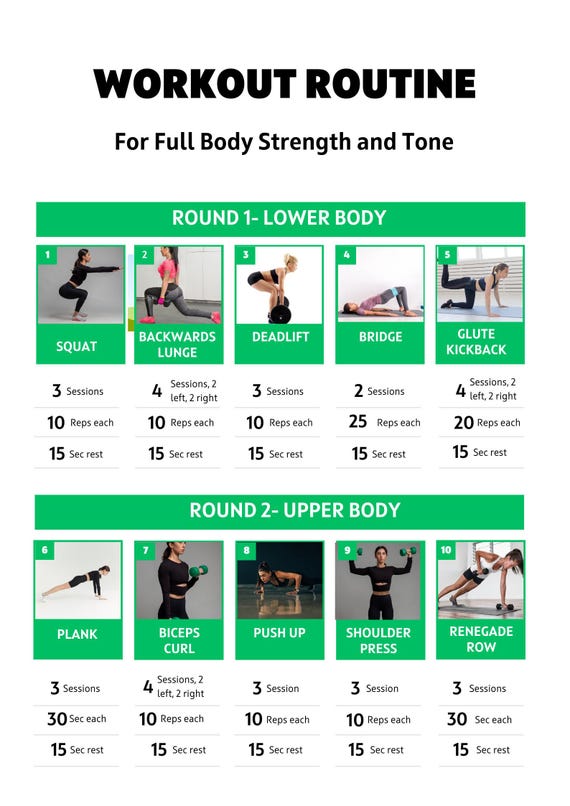
Credit: www.etsy.com
Strength Training Exercises
Strength training exercises are essential for building muscle, boosting metabolism, and improving overall fitness. You don’t need a fancy gym to get a solid workout; your home can be the perfect place to gain strength. Let’s look at some effective ways to add strength training into your routine using just your body, simple equipment, or resistance bands.
Bodyweight Movements
Bodyweight exercises are the easiest way to start strength training at home. They require no equipment and can be done anywhere. Push-ups, squats, and planks target multiple muscle groups and improve your core strength.
Try to challenge yourself by increasing reps or adding variations like diamond push-ups or jump squats. Have you noticed how your strength improves just by consistently doing these simple moves? It’s a powerful reminder that progress doesn’t always need weights.
Dumbbell And Kettlebell Workouts
Adding dumbbells or kettlebells to your routine helps you increase resistance and muscle growth. Exercises like goblet squats, kettlebell swings, and dumbbell rows work your entire body effectively.
Start with lighter weights to focus on form, then gradually increase the load. You might be surprised how just a pair of dumbbells can transform your home workouts into serious strength sessions. Do you feel the difference when you lift weights compared to bodyweight moves?
Resistance Band Routines
Resistance bands are versatile and affordable tools that add extra challenge without heavy weights. You can use them for bicep curls, lateral walks, or glute bridges, targeting muscles from different angles.
One of the benefits is how easy it is to adjust the resistance by changing the band’s length or thickness. Bands are also gentle on your joints, making them great if you’re recovering from an injury. Are you ready to try resistance bands and see how they enhance your strength training?
Cardio Workouts At Home
Cardio workouts at home are a great way to boost heart health and burn calories. They improve stamina without needing a gym. You can create effective routines using minimal space and no special equipment. Consistent cardio helps with weight control and energy levels. It also supports mental well-being through endorphin release.
High-intensity Interval Training
High-Intensity Interval Training (HIIT) mixes short bursts of intense exercise with rest periods. This method burns fat fast and improves cardiovascular fitness. You can do exercises like jumping jacks, burpees, or high knees in intervals of 20-30 seconds. Rest for 15-30 seconds between sets. Repeat for 10-20 minutes depending on your fitness level.
HIIT workouts require no equipment and fit small spaces. They raise your heart rate quickly and keep it up. These workouts also save time, making them ideal for busy schedules.
Low-impact Cardio Options
Low-impact cardio protects your joints while still raising your heart rate. These exercises are easy on the knees and hips. Examples include walking in place, step touches, and gentle dance moves. Using a stationary bike or elliptical machine works well if available.
Low-impact cardio suits beginners and people recovering from injury. It can be done for longer periods, improving endurance without strain. Consistent practice helps build a solid fitness base.

Credit: www.gq-magazine.co.uk
Flexibility And Recovery
Flexibility and recovery are key parts of any home gym exercise routine. They help your body stay healthy and avoid injuries. Flexibility improves your muscle movement and joint range. Recovery lets your muscles heal and grow stronger after workouts. Focusing on these areas supports long-term fitness and overall well-being.
Stretching For Muscle Health
Stretching keeps muscles flexible and prevents stiffness. Gentle stretches before and after exercise reduce muscle tightness. Hold each stretch for at least 20 seconds. Focus on major muscle groups like legs, back, and shoulders. Avoid bouncing to prevent muscle strain. Regular stretching improves blood flow and muscle elasticity.
Foam Rolling Techniques
Foam rolling helps release muscle knots and tension. Use a foam roller on sore or tight areas. Roll slowly over each muscle for 30 to 60 seconds. Apply steady pressure but avoid pain. Foam rolling boosts circulation and speeds up recovery. It prepares muscles for your next workout session.
Rest And Sleep Importance
Rest days allow muscles to repair and grow. Avoid training the same muscle groups every day. Sleep plays a critical role in muscle recovery. Aim for 7 to 9 hours of quality sleep each night. Good sleep helps reduce fatigue and improves workout performance. Prioritize rest to maintain energy and prevent burnout.
Tracking Progress And Staying Motivated
Tracking your progress and staying motivated are key to maintaining a successful home gym exercise routine. Without clear markers of improvement, it’s easy to lose interest or doubt your results. Keeping a record of your workouts and celebrating small wins will help you push through plateaus and stay committed.
Using Fitness Apps
Fitness apps make tracking your workouts simple and effective. They allow you to log exercises, sets, reps, and even monitor your heart rate or calories burned. Many apps offer visual progress charts, which make improvements easy to spot and keep your motivation high.
Apps like MyFitnessPal or Strong provide reminders and personalized workout plans, helping you stay on track. If you prefer, some apps let you connect with friends to add a social element. Have you tried using an app to record your workouts? You might find it easier to stick to your routine.
Setting Milestones
Milestones give you clear goals to aim for and celebrate. Instead of vague targets like “get stronger,” set specific achievements such as completing 10 push-ups without rest or increasing your squat weight by 10 pounds. These goals create a sense of accomplishment and direction.
Break your big goals into smaller steps to avoid feeling overwhelmed. For example, if your goal is to run for 30 minutes, start with 10 minutes and add time weekly. What milestones will keep you excited about your workouts?
Finding Support Systems
Support systems can greatly boost your motivation. Sharing your goals with friends, family, or online fitness communities creates accountability. When you face challenges, encouragement from others can make a big difference.
You might join virtual workout groups or find a workout buddy who checks in regularly. Sometimes, just knowing someone else is cheering you on is enough to keep going. Who in your life could help you stay motivated?

Credit: darebee.com
Nutrition Tips For Faster Results
Nutrition plays a key role in boosting the effectiveness of your home gym routine. What you eat before and after exercise can directly impact your energy levels, muscle recovery, and overall progress. Understanding simple nutrition tweaks can help you see faster and better results without overcomplicating your diet.
Pre And Post-workout Meals
Your body needs the right fuel before a workout to maximize strength and endurance. Aim for a balanced meal 1 to 2 hours before exercising that includes complex carbs and lean protein. For example, oatmeal with a scoop of protein powder or a banana with peanut butter can provide sustained energy.
After your workout, focus on recovery by eating protein and carbs within 30 to 60 minutes. This helps repair muscle and replenish glycogen stores. A quick option like Greek yogurt with berries or a chicken sandwich on whole-grain bread works well and is easy to prepare.
Hydration Strategies
Hydration is often overlooked but critical for performance and recovery. Drink water consistently throughout your workout, not just when you feel thirsty. Carry a water bottle and take small sips every 15 to 20 minutes.
If your workout lasts longer than an hour or is very intense, consider adding an electrolyte drink to replace lost minerals. Have you noticed any drop in energy or muscle cramps during workouts? That might be a sign to boost your hydration strategy.
Supplements To Consider
Supplements can support your nutrition but aren’t a replacement for whole foods. Protein powders are a convenient way to meet daily protein needs, especially if your meals fall short. Whey and plant-based proteins are popular options depending on your dietary preference.
Creatine is another supplement that can improve strength and power during workouts. While not necessary for everyone, it’s well-researched and safe for most people. Think about what gaps exist in your diet and consider supplements that fill those without extra fillers or unnecessary ingredients.
Frequently Asked Questions
What Is The Best Home Gym Exercise Routine For Beginners?
Start with a full-body workout including bodyweight squats, push-ups, and planks. Focus on proper form and gradually increase intensity to build strength and endurance safely.
How Often Should I Do Home Gym Workouts Weekly?
Aim for 3 to 5 sessions per week. Allow rest days for muscle recovery and avoid overtraining to maintain consistent progress and prevent injury.
What Equipment Is Essential For An Effective Home Gym Routine?
Basic equipment like dumbbells, resistance bands, and a yoga mat enhances workout variety. These tools improve strength, flexibility, and overall fitness without needing a large space.
Can Home Gym Routines Help With Weight Loss?
Yes, combining cardio and strength training at home boosts metabolism and burns calories. Consistency and a balanced diet support effective weight loss results.
Conclusion
Creating a home gym routine helps you stay fit and healthy. Small steps each day bring great results. You don’t need fancy equipment to exercise well. Consistency matters more than intensity or time. Enjoy your workouts and listen to your body.
Keep challenging yourself but rest when needed. Your home gym can become your happy place. Start today and feel the difference soon.







