
Are you looking for an easy and effective way to boost your home workouts? Home gym exercise bands might be exactly what you need.
These simple tools can transform your fitness routine, helping you build strength, improve flexibility, and burn calories—all without bulky equipment. Imagine getting a full-body workout with just a few bands, right in your living room. Keep reading to discover how exercise bands can make your workouts more fun, efficient, and convenient.
Your body will thank you!
Types Of Exercise Bands
Exercise bands are versatile tools for home workouts. They come in different types, each serving unique purposes. Choosing the right band can improve your strength, flexibility, and balance.
Understanding the various types helps you pick the best fit for your fitness goals. Here are the common exercise bands used in home gyms.
Resistance Bands
Resistance bands are long and flat or tubular. They offer different resistance levels, from light to heavy. These bands help with strength training and muscle toning. You can stretch them in many ways to target different muscles.
Loop Bands
Loop bands form a closed circle. They are often used for lower body workouts. These bands work well for glute and leg exercises. Loop bands vary in thickness, which changes the resistance they provide.
Therapy Bands
Therapy bands are thin and flat without handles. Physical therapists use them for rehabilitation. They provide gentle resistance, ideal for injury recovery. These bands help improve mobility and flexibility.
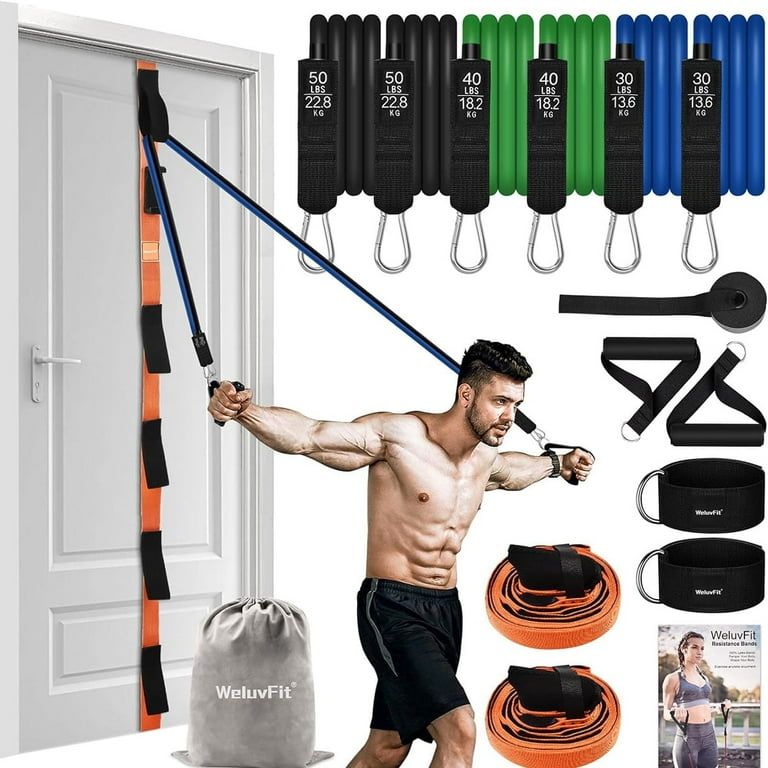
Tube Bands With Handles
Tube bands have handles at each end for a firm grip. They are great for upper body exercises like rows and presses. Handles add comfort and control during workouts. These bands come in various resistance strengths.
Benefits For Strength Training
Exercise bands offer many benefits for strength training at home. They provide an easy way to build muscle and improve fitness. These bands add resistance, which helps muscles grow stronger. They also allow varied workouts without heavy equipment. Anyone can use them, whether beginner or advanced.
Muscle Activation
Exercise bands keep muscles active throughout the movement. They create tension that forces muscles to work hard. This helps target small and large muscle groups. Bands improve muscle control and coordination. They help engage stabilizing muscles often missed in regular workouts.
Progressive Resistance
Bands offer different resistance levels by changing thickness or length. This lets users increase difficulty gradually. Progressive resistance helps muscles adapt and grow stronger over time. It also allows easy adjustment without buying new gear. Bands are perfect for steady strength improvement.
Joint-friendly Workouts
Bands create smooth, controlled movements that reduce joint stress. They provide resistance without heavy weights or impact. This lowers the risk of injury during workouts. Bands help improve joint stability and flexibility. They are ideal for people with joint pain or recovering from injury.
Improving Flexibility With Bands
Improving your flexibility with exercise bands can change the way you move every day. These simple tools offer resistance that helps stretch muscles deeper and more effectively than stretching alone. You can tailor your routine to fit your specific needs and see noticeable changes in your flexibility over time.
Stretching Techniques
Using bands to stretch allows you to control the intensity gently. You can hold the band with your hands or loop it around your foot to target areas like hamstrings, calves, or shoulders. Try slow, steady pulls instead of quick snaps, and hold each stretch for at least 20 seconds to feel the full benefit.
One technique I found helpful is the assisted leg stretch. Loop the band around your foot while lying on your back and pull your leg toward you. This stretch feels deeper and helps me avoid overextending, which happened when I tried without the band.
Enhancing Range Of Motion
Exercise bands can help you push past stiffness and expand your joint movements. Use them to perform dynamic stretches, like arm circles or leg swings, with added resistance. This resistance helps muscles warm up and improves joint lubrication, making movements smoother and less restricted.
Have you ever noticed how your joints feel tighter after sitting all day? Adding band exercises to your routine can make a big difference by gradually increasing your joint’s range of motion without pain.
Injury Prevention
Flexibility isn’t just about touching your toes—it plays a crucial role in preventing injuries. Bands strengthen muscles while stretching them, which helps balance muscle tension and support joints better. This balance can reduce the risk of strains and sprains during workouts or daily activities.
Think about how often you twist or reach unexpectedly. Strong, flexible muscles prepared with band exercises help your body handle these sudden movements safely. Have you felt the difference in muscle tightness after skipping stretching? Bands can keep you consistent and protected.

Credit: www.amazon.com
Choosing The Right Band
Choosing the right exercise band for your home gym can make a big difference in your workout results and overall experience. The right band fits your fitness level, goals, and lifestyle. Understanding what to look for helps you avoid frustration and keeps your workouts effective and enjoyable.
Resistance Levels
Resistance bands come in various levels, usually color-coded for easy identification. Light bands are great for beginners or for warming up. Medium and heavy bands provide more challenge as you build strength.
Think about your current fitness level and what exercises you want to do. Are you focusing on rehab, toning, or muscle building? Choosing a band with the right resistance ensures you’re pushing yourself just enough without risking injury.
Material And Durability
Not all bands are made equal. Some use latex, while others use synthetic materials. Latex bands tend to be more flexible and provide smooth resistance, but they might cause allergies for some people.
Check the band for thickness and quality before buying. A thicker band usually lasts longer and resists snapping. I learned this the hard way after buying cheap bands that tore within weeks.
Portability And Storage
Exercise bands are popular for home gyms because they don’t take up much space. But consider how easy they are to store and carry, especially if you travel or have limited space.
Look for bands that come with a carrying case or can be easily rolled up. This small detail can keep your workout gear organized and ready to use anytime, anywhere.
Top Exercises For Full Body
Exercise bands offer a simple way to train your entire body at home. They provide resistance that helps build strength and improve flexibility. These bands suit all fitness levels and require little space. Focus on key exercises that target the upper body, lower body, and core for balanced results.
Upper Body Moves
- Band Rows: Wrap the band around a sturdy object. Pull the band towards your chest to work your back and arms.
- Bicep Curls: Stand on the band and hold the ends. Curl your hands up to strengthen your biceps.
- Tricep Extensions: Hold the band behind your head and extend your arms upward. This targets the triceps.
- Shoulder Press: Step on the band and press your hands overhead. It works your shoulders and upper chest.
Lower Body Workouts
- Squats: Stand on the band with feet shoulder-width apart. Hold the band at your shoulders and squat down.
- Leg Press: Lie on your back and loop the band around your feet. Push your legs out to work your thighs.
- Glute Bridges: Place the band above your knees. Lift your hips off the floor and squeeze your glutes.
- Lateral Walks: Put the band around your ankles. Step side to side to strengthen hip muscles.
Core Strengthening
- Seated Twists: Sit with legs extended. Hold the band with both hands and twist your torso side to side.
- Plank Rows: Get into a plank position with the band under one hand. Pull the band towards your waist.
- Standing Crunches: Attach the band overhead. Pull it down while crunching your abs.
- Leg Raises: Lie flat and loop the band around your feet. Lift your legs slowly against the resistance.
Safety Tips And Best Practices
Exercise bands are a popular choice for home workouts. They offer great flexibility and resistance. Safety is key when using these bands. Following some simple tips helps prevent injuries. Proper care extends the life of your bands. Here are essential safety tips and best practices to keep in mind.
Proper Band Usage
Choose the right band strength for your fitness level. Start with lighter resistance to avoid strain. Secure the band firmly to prevent slipping. Hold the band handles or ends tightly during exercises. Avoid overstretching the bands beyond their limit. Perform movements slowly and with control. Use smooth, steady motions to reduce stress on muscles.
Avoiding Common Injuries
- Check bands for tears or cracks before each use.
- Do not use damaged or worn-out bands.
- Keep bands away from sharp objects and rough surfaces.
- Warm up muscles before using bands to prevent pulls.
- Maintain proper posture and form during exercises.
- Stop immediately if you feel pain or discomfort.
Maintaining Your Bands
Store bands in a cool, dry place away from sunlight. Clean bands regularly with mild soap and water. Avoid using harsh chemicals that can weaken the material. Inspect bands often for any signs of wear or damage. Replace bands if elasticity decreases or if cracks appear. Proper maintenance keeps your bands safe and effective.
Integrating Bands Into Routine
Adding exercise bands to your home gym routine can change how you train your muscles. They offer resistance that challenges your body in new ways. This helps you build strength, improve flexibility, and avoid workout plateaus.
Combining With Weights
You can use bands alongside dumbbells or kettlebells to make exercises more challenging. For example, adding a resistance band around your legs while doing squats with weights increases muscle activation in your glutes and thighs.
Try wrapping a band around your wrists during overhead presses to add tension throughout the movement. This combination forces your stabilizer muscles to work harder, improving overall strength and control.
Band Workouts For All Levels
Exercise bands come in different resistance levels, making them perfect whether you’re a beginner or advanced. Start with lighter bands to learn correct form, then move to heavier ones as you get stronger.
Simple moves like bicep curls or lateral band walks can be adjusted by changing band tension or reps. Have you ever noticed how small changes in resistance can make a big difference in muscle fatigue?
Tracking Progress
Keeping track of your workouts with bands helps you see improvements and stay motivated. Note which band resistance you use, how many reps you complete, and how your muscles feel afterward.
Using a workout journal or fitness app can provide insight into your gains over time. When was the last time you reviewed your progress and adjusted your routine accordingly?
Credit: www.walmart.com

Credit: www.amazon.com
Frequently Asked Questions
What Are The Benefits Of Home Gym Exercise Bands?
Exercise bands improve strength, flexibility, and muscle tone. They are portable, affordable, and suitable for all fitness levels. Bands allow diverse workouts targeting multiple muscle groups. They reduce joint strain and enhance rehabilitation. Bands support effective home workouts without bulky equipment.
How Do I Choose The Right Resistance Band?
Select bands based on your strength and workout goals. Light bands suit beginners and flexibility exercises. Medium to heavy bands work for strength training. Check band length and material durability. Choose non-slip bands for safety and comfort during exercises.
Can Exercise Bands Replace Traditional Weights?
Exercise bands effectively build strength and muscle tone. They offer variable resistance and improve joint stability. However, they may not fully match heavy weight training intensity. Bands complement weights well for versatile workouts. They are ideal for home use and injury recovery.
How Often Should I Use Exercise Bands At Home?
Use exercise bands 3 to 5 times weekly for best results. Allow rest days for muscle recovery and growth. Combine band workouts with cardio and stretching routines. Consistency is key to improving strength and flexibility at home.
Conclusion
Exercise bands make home workouts simple and effective. They are affordable. Easy to store. Perfect for any fitness level. You can target different muscle groups. Improve strength and flexibility. Consistent use leads to better health. No need for heavy equipment.
Ideal for small spaces. Just grab the bands and start exercising. Fitness becomes part of daily life. Enjoy the benefits of a healthier lifestyle. With exercise bands, you stay active and energized. They are a great addition to any home gym.
Start your journey to better fitness today.







