
Thinking about setting up a home gym but worried about the cost? You’re not alone.
Many people want to get fit without breaking the bank or spending hours at the gym. The good news is, creating your own workout space doesn’t have to drain your wallet. You’ll discover how much a home gym really costs, what factors affect the price, and smart ways to save money while getting the equipment you need.
By the end, you’ll have a clear plan to build your perfect gym at home—without surprises. Keep reading to find out how to make your fitness goals affordable and achievable.
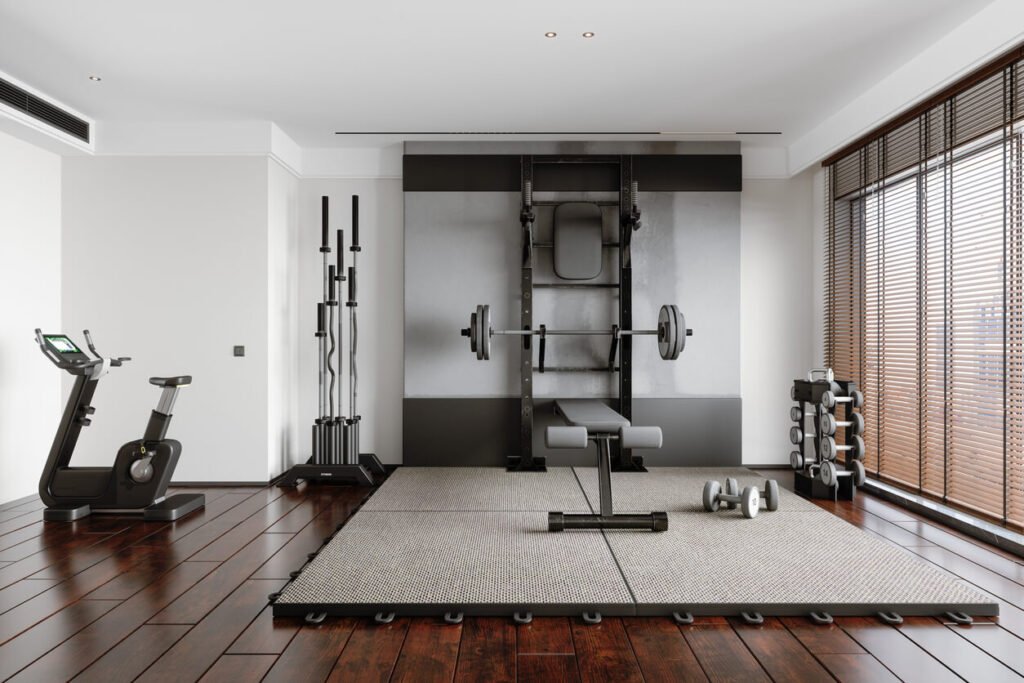
Credit: homegymmentor.com
Factors Affecting Home Gym Cost
Several factors influence the total cost of setting up a home gym. Understanding these elements helps in budgeting wisely. Each factor plays a role in the overall expense and usability of the gym space. Planning ahead can prevent unexpected costs and optimize your investment.
Space And Room Size
The size of the room affects how much equipment fits comfortably. Larger spaces allow more machines and free weights. Small areas limit equipment choices and may need compact gear. Room preparation costs vary with size, including flooring and lighting.
Equipment Types
Different workout goals require different machines. Cardio equipment like treadmills costs more than simple weights. Strength training gear includes dumbbells, benches, and racks. Multipurpose machines save space but may cost more upfront.
Quality And Brands
High-quality equipment lasts longer and performs better. Trusted brands often charge premium prices for durability. Budget brands offer affordable options but might wear out fast. Choosing quality impacts long-term maintenance and replacement costs.
Diy Vs Pre-made
DIY home gym setups can reduce costs using homemade or secondhand gear. Pre-made sets offer convenience and consistency but may be pricier. Custom building your space requires tools and skills. Pre-made kits save time but limit customization.
Maintenance And Upkeep
Regular maintenance keeps equipment safe and functional. Some machines need professional servicing, adding to costs. Cleaning supplies and replacement parts add to ongoing expenses. Well-maintained gear extends lifespan and reduces future spending.

Credit: www.reddit.com
Budget Equipment Essentials
Building a home gym can be affordable with the right equipment choices. Focus on essential items that fit your budget and space. Simple gear like dumbbells, resistance bands, and a mat offer great value for cost-conscious fitness.
Creating a home gym on a budget might seem like a daunting task, but it’s entirely achievable with the right approach. Whether you’re trying to save on gym membership fees or want the convenience of working out at home, focusing on budget equipment essentials is key. Investing in the right pieces can set you up for success without breaking the bank.Affordable Cardio Machines
When considering cardio equipment, treadmills and elliptical trainers often come to mind. However, these can be expensive. Instead, consider a jump rope or a mini stepper. They provide a great workout, are easy to store, and cost a fraction of the price of larger machines. If you have space for slightly larger equipment, a budget-friendly stationary bike is a great investment. It offers a low-impact workout that can improve cardiovascular health and endurance.Basic Strength Training Gear
A set of dumbbells or resistance bands can be incredibly versatile. They can be used for a wide range of exercises targeting different muscle groups. Plus, they’re compact and easy to store. Consider a kettlebell for added diversity in your workouts. It’s perfect for exercises like swings and squats, providing a full-body challenge.Versatile Accessories
Accessories like a yoga mat and stability ball can enhance your workout experience. A yoga mat provides comfort during floor exercises, while a stability ball can be used for core workouts. Don’t overlook the benefits of a pull-up bar. It’s a simple, affordable addition that can be mounted in a doorway, offering an excellent way to build upper body strength.Second-hand Options
Exploring second-hand options can save you a lot of money. Check local online marketplaces or community bulletin boards for used equipment. Garage sales can be treasure troves for finding affordable fitness gear. Just make sure to inspect items for any damage or wear. When purchasing second-hand, ask yourself: Is this equipment still in good condition? Will it serve my fitness goals effectively? This approach ensures you make smart, budget-friendly choices for your home gym.Cost Breakdown By Gym Type
Understanding the cost of building your home gym depends largely on the type of setup you want. Breaking down expenses by gym type helps you decide what fits your budget and workout goals. Let’s look closely at different setups and what you can expect to spend.
Minimalist Setup
A minimalist setup is perfect if you want to start simple and save space. Basic equipment like a yoga mat, resistance bands, and a set of dumbbells usually costs around $100 to $300.
These items cover most bodyweight exercises and light strength training. You might find you don’t need more gear than this to stay consistent.
Have you thought about which exercises you enjoy most? Focusing on those can keep your costs low and your motivation high.
Mid-range Setup
Stepping up to a mid-range setup means adding more versatile equipment. Expect to invest $500 to $1,500 for items like a power rack, adjustable bench, kettlebells, and a barbell set.
This setup supports a wider range of workouts, from weightlifting to functional training. It suits those who want serious strength gains without going all-in.
Think about how much space you have; some equipment can be bulky. Are you ready to dedicate a specific room or corner for your gym?
Advanced Budget Setup
If you’re aiming for a full gym experience at home, costs can range from $2,000 to $5,000 or more. This includes machines like treadmills, rowing machines, multi-gyms, and professional-grade free weights.
You get the convenience of all-in-one solutions and high-quality gear that lasts years. This setup is ideal if you train regularly and want variety without a gym membership.
Consider your long-term fitness goals. Does investing in this level of equipment match your commitment and space availability?
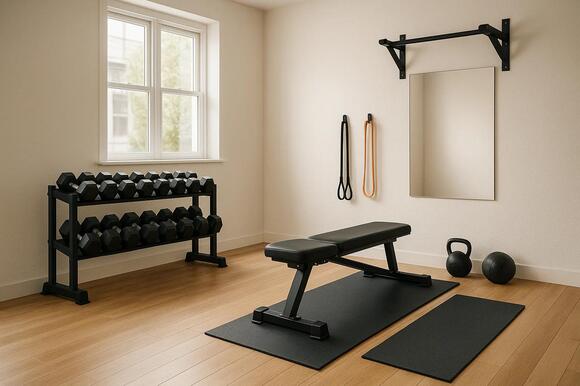
Credit: www.newsbreak.com
Smart Shopping Tips
Smart shopping helps save money on home gym equipment. Careful choices reduce costs without losing quality. Knowing where and when to buy makes a big difference. Use these tips to find the best deals and discounts.
Where To Buy Deals
Check local sports stores and big retailers for deals. These places often have clearance sales or special offers. Also, visit outlet stores where returned or older items sell cheaper. Don’t forget to ask about price matching to get the best price.
Seasonal Sales And Discounts
Certain times of the year bring great discounts. Look for sales during holidays like Black Friday, New Year, or summer clearance. Many stores lower prices to clear inventory. Planning your purchase around these events saves money.
Negotiating Prices
Try negotiating prices in physical stores or with small business owners. A polite request for a discount can work. Mentioning competitor prices may help lower the cost. Sometimes, bundling items can get extra savings.
Online Marketplaces
Online platforms offer a wide range of equipment at different prices. Compare sellers on sites like Amazon, eBay, or specialty fitness stores. Read reviews to ensure quality. Watch for free shipping and return policies to avoid extra costs.
Space-saving Ideas
Creating a home gym in a small space can be challenging. Space-saving ideas help maximize every inch without clutter. Smart choices keep your gym functional and neat. Focus on compact gear, versatile equipment, and clever storage.
Compact Equipment Choices
Choose machines and tools that take up less room. Foldable treadmills and smaller dumbbells save space. Resistance bands replace bulky weights and machines. Compact ellipticals and rowing machines fit tight spots. Pick gear designed for small-area workouts.
Multi-functional Gear
Use equipment that serves many purposes. Adjustable benches work for lifts and stretches. Kettlebells combine strength and cardio training. Suspension trainers offer full-body workouts with little space. Multi-use machines reduce the need for many devices.
Creative Storage Solutions
Keep your gym tidy with smart storage ideas. Wall hooks hold jump ropes and resistance bands. Shelves store small weights and yoga mats. Under-bench baskets hide towels and accessories. Rolling carts can move equipment and save floor space.
Maximizing Workout Value
Maximizing the value of your home gym doesn’t mean spending a fortune. It’s about smart choices that boost your workouts without breaking the bank. You can get strong, fit, and motivated by focusing on efficient routines, smart exercise choices, and free tools around you.
Routine Planning On A Budget
Creating a workout plan tailored to your budget helps you stay consistent and avoid unnecessary purchases. Start by listing your fitness goals and choosing exercises that match those aims without extra equipment. Keep your sessions short and focused; 20-30 minutes of well-planned activity often beats longer, aimless workouts.
Think about alternating muscle groups or mixing cardio with strength training to keep things fresh and effective. Planning also stops impulse buys — do you really need that fancy machine when basic moves do the job? Your time and effort count more than expensive gear.
Using Bodyweight Exercises
Bodyweight exercises are a powerhouse for home gyms on a budget. Push-ups, squats, lunges, and planks offer strength and endurance benefits without any cost. You can scale difficulty by changing angles or adding pauses, making these moves fit beginners and advanced users alike.
One day, I skipped buying a pricey weight set and stuck with bodyweight routines for three months. The results surprised me—my strength increased and my form improved, proving equipment isn’t always necessary. What can you achieve with just your body as resistance?
Incorporating Free Resources
There’s a wealth of free workout content online that can guide your home gym sessions. From YouTube fitness channels to mobile apps and community forums, you have access to expert advice and varied routines at zero cost. Use these tools to learn new exercises, track progress, and stay motivated.
Don’t overlook local parks or community centers either—they often offer free classes or space for outdoor workouts. How can you tap into these free options to keep your routine exciting and cost-effective? The key is to stay curious and make the most of what’s available around you.
Frequently Asked Questions
How Much Does A Basic Home Gym Cost?
A basic home gym typically costs between $200 and $1,000. This includes essential equipment like dumbbells, a mat, and resistance bands. Prices vary depending on brand quality and equipment variety. Starting small helps control costs while building your fitness space gradually.
What Factors Influence Home Gym Cost?
Home gym costs depend on equipment type, quality, and quantity. Space size and flooring needs also affect expenses. Investing in durable machines raises the budget. Personal preferences and fitness goals drive final costs, so plan accordingly.
Is Building A Home Gym Cheaper Than A Gym Membership?
Building a home gym can be cheaper long-term. Initial costs are higher, but no monthly fees apply. Home gyms offer convenience and privacy. Cost-effectiveness depends on equipment choice and usage frequency. Evaluate your fitness habits before deciding.
What Equipment Is Essential For A Home Gym?
Essential home gym equipment includes dumbbells, resistance bands, and a workout mat. A stability ball and jump rope enhance workouts. For cardio, consider a treadmill or stationary bike. Prioritize versatile, space-saving gear to maximize effectiveness.
Conclusion
Creating a home gym costs less than many expect. Basic equipment fits most budgets. You can start small and add gear later. This saves money and space. Think about your goals before buying. Choose machines and weights you will use often.
Home gyms offer convenience and privacy. They help build healthy habits easily. Planning your budget carefully makes the process smooth. A home gym can bring fitness close to home. It’s an investment in your health and well-being.







