
Looking to build a stronger back without leaving your house? A home gym cable row is one of the best exercises you can add to your routine.
It targets key muscles, improves posture, and boosts overall strength. If you want an effective way to get these benefits right in your own space, keep reading. You’ll discover how to set up your home gym cable row, get the most out of each rep, and avoid common mistakes that slow down your progress.
Ready to take your workouts to the next level? Let’s dive in.
Benefits Of Cable Row
The cable row is a powerful exercise to add to your home gym routine. It offers more than just muscle building—it improves your overall body function and workout variety. Understanding its benefits can help you decide why it deserves a spot in your fitness plan.
Muscle Groups Targeted
The cable row primarily works your back muscles, focusing on the latissimus dorsi, rhomboids, and trapezius. It also engages your biceps and forearms, giving your upper body a balanced workout.
This exercise helps develop a strong, defined back, which supports many daily activities. Have you noticed how a stronger back reduces fatigue during tasks like lifting or carrying?
Improved Posture And Stability
Regularly doing cable rows can correct poor posture by strengthening the muscles that pull your shoulders back. This counters the forward hunch many people develop from sitting too much.
Better posture not only looks good but also reduces back pain and the risk of injury. How often do you think about your posture during the day?
Versatility In Workouts
The cable row allows you to change grips, angles, and resistance levels, making it suitable for all fitness levels. You can focus on different muscle areas or combine it with other exercises for a full-body workout.
This variety keeps your workouts fresh and prevents boredom. What new moves could you try with your cable row setup to keep things exciting?
Credit: www.roguefitness.com
Setting Up Your Home Gym Cable Row
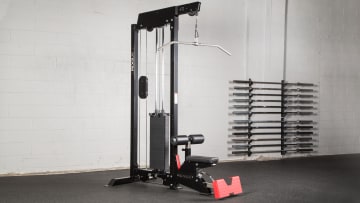
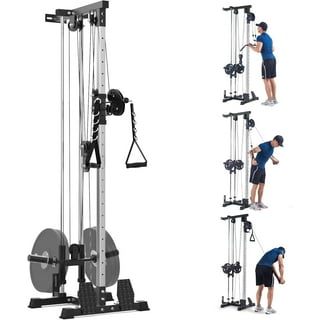
A home gym cable row setup needs a sturdy frame and adjustable pulleys. Position the seat and handles for comfort and proper form. This helps target back muscles effectively in a small space.
Setting up a home gym cable row can elevate your fitness routine. It offers versatile workouts, targeting various muscle groups. Before you start, ensure proper setup for safety and effectiveness.Choosing The Right Equipment
Select a cable row machine that suits your fitness level. Check for adjustable weights and sturdy construction. Look for compact designs if space is limited. Read reviews for quality assurance.Space And Safety Considerations
Ensure enough space for movement around the machine. Check ceiling height if your equipment is tall. Keep the area free from obstructions. Secure the machine to prevent wobbling during use.Essential Accessories
Consider handles, ankle straps, and a seat cushion. Handles help target different muscles. Ankle straps can expand your exercise options. A cushion provides comfort during longer workouts. Implement these steps for a successful home gym cable row setup. Enjoy the benefits of a well-planned exercise space.Mastering Cable Row Technique
Mastering the cable row technique is key to maximizing your home gym workouts. It targets your back muscles effectively, but only if performed correctly. You might think pulling the handle back is simple, but precision in form makes all the difference.
Proper Body Positioning
Your posture sets the foundation for a safe and effective cable row. Sit with your feet firmly planted on the platform, knees slightly bent, and back straight. Avoid leaning too far forward or backward; your torso should stay stable throughout the movement.
Engage your core to maintain this position. Imagine pulling the cable with your elbows instead of your hands to activate the right muscles. Have you noticed how a slight forward lean reduces your control and strains your lower back?
Grip Variations
Changing your grip shifts the focus across different muscle groups. A wide grip targets your upper back and rear shoulders more intensely. Meanwhile, a close grip emphasizes the middle back and biceps.
Try using a neutral grip (palms facing each other) for balanced engagement. Switching grips keeps your workouts fresh and prevents plateaus. Which grip feels strongest and most comfortable for your body?
Common Mistakes To Avoid
- Using momentum:Jerking the weight reduces muscle activation and risks injury.
- Rounding the back:This strains your spine and lowers workout efficiency.
- Overextending arms:Locking elbows at the end can cause joint stress.
- Neglecting scapular movement:Failing to squeeze shoulder blades together limits upper back engagement.
I once rushed through rows, focusing on heavier weights rather than form. The result? Shoulder discomfort that forced me to pause training. Paying attention to these details improved my strength and kept me injury-free. Are you ready to row smarter, not just harder?
Workout Plans For Strength
Building strength with the home gym cable row requires a plan tailored to your current fitness level. Whether you’re just starting out or pushing your limits, structuring your workouts ensures steady progress and helps avoid plateaus. The key is to focus on proper form, controlled movements, and gradually increasing resistance.
Think about your last workout: Did you feel challenged without risking injury? Strength gains come from consistent effort and smart adjustments. Let’s break down routines that fit your stage and help you get the most from every session.
Beginner Routine
- Sets and Reps:Start with 3 sets of 10-12 reps. Focus on mastering the motion rather than lifting heavy.
- Weight:Use a light to moderate weight where you feel muscle fatigue by the last rep but can maintain good form.
- Rest:Take 60-90 seconds between sets to recover fully.
- Tip:Keep your back straight and squeeze your shoulder blades together at the end of each row. This activates the right muscles and reduces risk of injury.
Have you noticed how often beginners rush through reps? Slowing down and controlling the pull makes a huge difference.
Intermediate Routine
- Sets and Reps:Increase to 4 sets of 8-10 reps. This rep range builds strength while still promoting muscle growth.
- Weight:Choose a weight that challenges you but still allows full control and range of motion.
- Rest:Reduce rest periods to 45-60 seconds to boost endurance and strength simultaneously.
- Variations:Add pauses at the peak contraction for 1-2 seconds to intensify the muscle engagement.
Have you tried holding the cable row position for a moment before releasing? It can really enhance your mind-muscle connection.
Advanced Routine
- Sets and Reps:Perform 5 sets of 6-8 reps with heavier weights to maximize strength gains.
- Rest:Take 90-120 seconds between sets to ensure you can lift with maximum effort each time.
- Techniques:Incorporate drop sets by lowering the weight after failure and continuing immediately.
- Focus:Maintain strict form and controlled tempo to prevent injury despite heavier loads.
At this level, how do you push past your limits safely? Techniques like drop sets can force muscles to adapt, but only if your form stays perfect.
Building Muscle With Cable Rows
Cable rows are effective for building muscle in the back and arms. They target key muscles like the lats, rhomboids, and biceps. Using a home gym cable row machine allows controlled movements and consistent tension. This helps stimulate muscle growth and improve strength.
Proper technique and training plans optimize muscle gains. Adjusting sets, reps, and weights leads to better results. Combining cable rows with other exercises creates balanced muscle development.
Optimal Sets And Reps
Muscle growth needs the right number of sets and reps. For building muscle, aim for 3 to 4 sets per exercise. Perform 8 to 12 repetitions in each set. This range creates enough tension to stress the muscles. Rest for 60 to 90 seconds between sets. Keep good form to avoid injury and work the muscles well.
Progressive Overload Strategies
Muscles grow by adapting to increased demands. Increase the weight or resistance gradually over time. Add small increments every week or two. Another way is to increase reps or sets slowly. Track your progress to ensure steady improvement. This constant challenge helps muscles grow stronger and bigger.
Combining With Other Exercises
Balanced muscle growth comes from variety. Pair cable rows with pushing exercises like push-ups or bench presses. Add exercises for shoulders and arms to support the back muscles. Include core workouts to improve stability during rows. Mixing different movements prevents plateaus and promotes overall strength.
Injury Prevention And Recovery
Using a home gym cable row machine strengthens the back and improves posture. Preventing injury and aiding recovery keeps workouts safe and effective. Careful preparation and listening to the body reduce risks during exercise.
Warm-up And Stretching Tips
Start with light cardio to increase blood flow. Gentle arm and shoulder rotations prepare joints for movement. Stretch the back muscles with slow, controlled motions. Focus on the shoulders, chest, and arms to improve flexibility. Never skip warm-ups before using the cable row machine.
Signs Of Overtraining
- Persistent muscle soreness lasting several days
- Decreased strength or performance during workouts
- Unusual fatigue or lack of energy
- Joint pain or stiffness
- Difficulty sleeping or irritability
Notice these signs early to avoid injury. Rest and adjust workout intensity as needed.
Recovery Techniques
- Use ice packs on sore muscles to reduce inflammation
- Try gentle stretching to maintain flexibility
- Apply heat therapy after 48 hours to relax muscles
- Get enough sleep for muscle repair
- Stay hydrated and eat protein-rich foods
Include rest days in your routine to allow full recovery. Listen to your body and recover properly to keep progress steady.
Tracking Progress And Staying Motivated
Tracking your progress and staying motivated are crucial when working out with a home gym cable row. Without clear indicators of improvement, it’s easy to lose focus or feel stuck. Keeping tabs on your performance helps you understand what’s working and pushes you to reach new milestones.
Using Workout Logs
Writing down your workouts makes a big difference. Note the weight you used, the number of sets and reps, and how you felt during the exercise.
Seeing this information over time reveals patterns and highlights your improvements. You might notice that your strength increased faster than you thought or identify days when you felt particularly strong.
Have you ever been surprised by how much progress you’ve made after reviewing old workout notes?
Setting Realistic Goals
Setting goals that match your current ability keeps frustration away. Break larger goals into smaller, achievable steps, like adding 5 pounds to your row every two weeks.
Realistic goals keep you focused and motivated because you experience frequent wins. These small victories create momentum and boost your confidence.
Think about what you want to achieve with your cable row—strength, endurance, or better posture—and tailor your goals accordingly.
Maintaining Consistency
Consistency beats intensity when it comes to long-term gains. Aim for regular sessions with your cable row, even if some days you do less than usual.
Building a habit around your workouts helps you stay committed without feeling overwhelmed. It’s better to row moderately three times a week than to push too hard once and skip the rest.
Ask yourself what small changes you can make in your daily routine to keep your workouts steady and enjoyable.

Credit: graymatterlifting.com
Credit: www.walmart.com
Frequently Asked Questions
What Muscles Does The Home Gym Cable Row Target?
The cable row mainly works your back muscles, including the latissimus dorsi and rhomboids. It also engages the biceps and shoulders, improving upper body strength and posture effectively.
How Do I Set Up A Cable Row In A Home Gym?
Attach the cable to a low pulley and select the desired weight. Sit on the bench, grip the handle, and position your feet securely before rowing.
What Are Common Mistakes When Doing Cable Rows?
Common errors include rounding the back, using momentum, and overextending the arms. Maintain a straight back and controlled movement to avoid injury and maximize benefits.
How Often Should I Perform Cable Rows For Best Results?
Perform cable rows 2 to 3 times weekly with proper rest. Consistency helps build strength and muscle without overtraining or risking injury.
Conclusion
A home gym cable row helps build strong back muscles. It improves posture and supports daily movements. You can adjust the weights to match your fitness level. This exercise fits well in small spaces. Regular practice boosts strength and endurance.
It also reduces the risk of injury during other activities. Try to keep your form correct for the best results. Simple equipment and clear steps make it easy to start. Stay consistent, and you will notice progress soon. A home gym cable row adds value to any workout routine.







