
Are you looking to strengthen your back without leaving the comfort of your home? Building a strong, healthy back is key to improving your posture, reducing pain, and boosting overall fitness.
The good news? You don’t need fancy equipment or a gym membership to get there. You’ll discover simple, effective back exercises you can do right in your home gym. Stick with me, and you’ll learn how to build a powerful back that supports everything you do—whether it’s lifting, sitting, or playing with your kids.
Ready to feel stronger and more confident? Let’s dive in.

Credit: backmusclesolutions.com
Benefits Of Back Training At Home
Training your back at home offers many benefits. It helps build strength and improves daily movement. A strong back supports your spine and reduces pain. Working out at home fits your schedule and saves money.
Improved Posture And Stability
Back exercises strengthen muscles that hold your spine straight. Good posture reduces back pain and fatigue. Strong back muscles improve balance and body control. Stability helps in daily activities and prevents injuries.
Enhanced Muscle Growth
Consistent training at home helps build muscle size and strength. You can target different back muscles using simple equipment. Muscle growth improves your overall body shape and function. Strong muscles support better performance in sports and tasks.
Convenience And Cost Savings
Exercising at home removes travel time to gyms. You can workout anytime that fits your day. No monthly gym fees mean more money saved. Home workouts allow privacy and fewer distractions.
Essential Equipment For Home Back Workouts
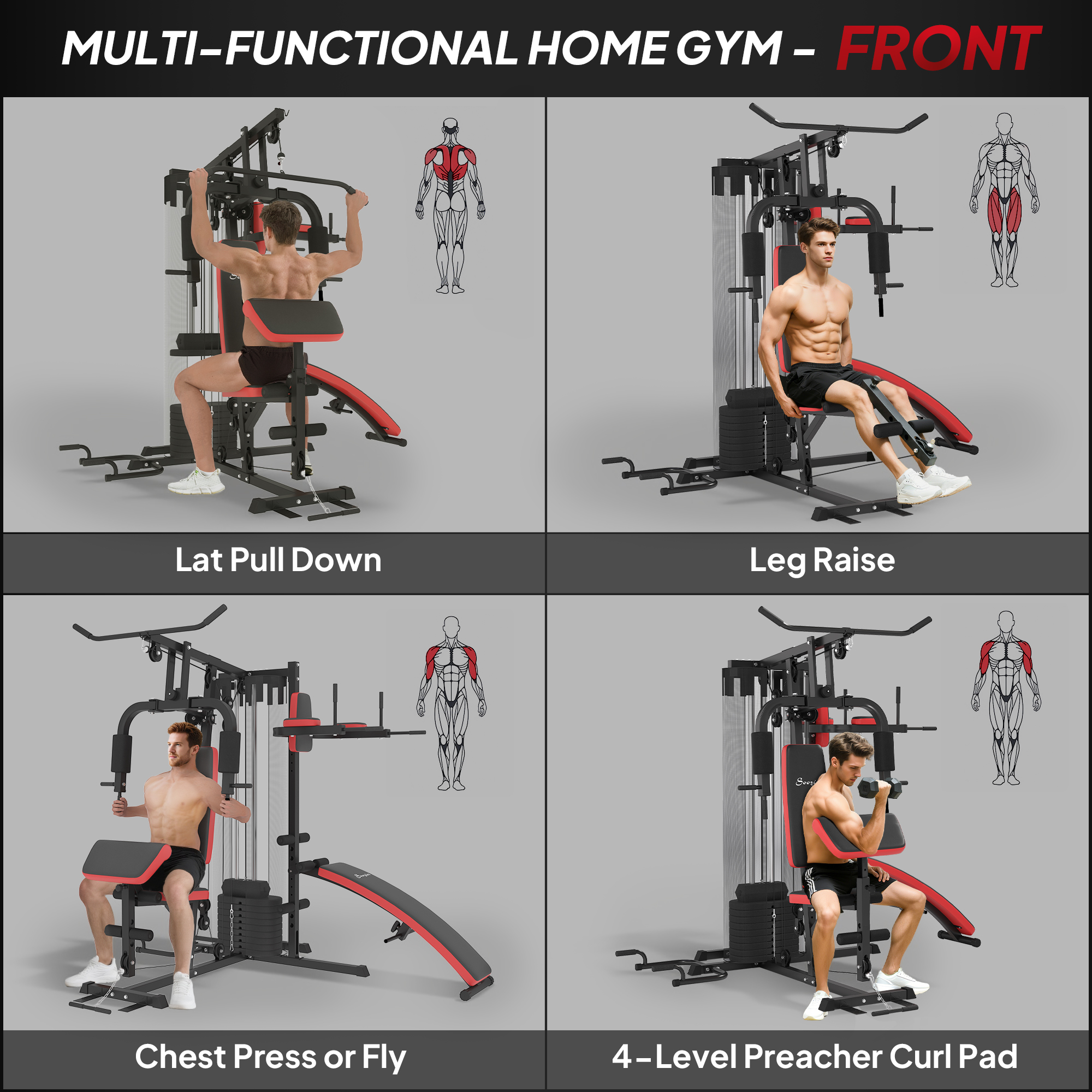
Creating an effective home gym for back workouts requires the right tools. Building a strong back not only improves posture but also enhances overall fitness. With the right equipment, you can target various muscles in your back. Here are the essential tools you need for effective home back workouts.
Resistance Bands
Resistance bands are versatile and affordable. They allow you to perform a wide range of exercises. You can use them for rows, lat pull-downs, and face pulls. Resistance bands are portable and easy to store. They come in different levels of tension, making them suitable for all fitness levels.
Dumbbells And Kettlebells
Dumbbells and kettlebells are essential for strength training at home. They help in performing exercises like bent-over rows and deadlifts. You can adjust the weight to suit your strength level. Kettlebells offer a unique grip, adding variety to your workouts. Both are compact and fit well in small spaces.
Pull-up Bars And Suspension Trainers
Pull-up bars and suspension trainers are excellent for bodyweight exercises. Pull-up bars strengthen upper back muscles. They can be mounted on door frames easily. Suspension trainers offer a full-body workout using your body weight. They are adjustable and can be set up in various locations. Both tools help improve core stability and back strength.
Top Back Exercises Without Equipment
Strengthening your back at home is easy without any equipment. These exercises target key muscles to improve posture and reduce pain. They help build strength using just your body weight. Perfect for any home gym setup or small space.
Superman Holds
Lie face down on the floor with arms extended forward. Lift your arms, chest, and legs off the ground. Hold this position for 20-30 seconds. Keep your neck neutral and breathe steadily. This move strengthens the lower back and improves core stability.
Reverse Snow Angels
Lie on your stomach with arms by your sides. Slowly raise your arms and sweep them overhead in a wide arc. Keep your chest lifted and legs on the ground. Return arms to the starting position. This exercise targets the upper back and shoulder muscles.
Bodyweight Rows Using A Table
Find a sturdy table that can hold your weight. Lie underneath it and grip the edge with both hands. Pull your chest up towards the table edge. Keep your body straight like a plank. Lower yourself down with control. This move works the mid-back and arms effectively.
Credit: www.gymshark.com
Effective Dumbbell Back Exercises
Building a strong back at home is completely possible with just a pair of dumbbells. These effective dumbbell back exercises target various muscles, helping you improve posture, reduce injury risk, and enhance overall strength. Let’s dive into some powerful moves you can add to your routine right now.
Single-arm Rows
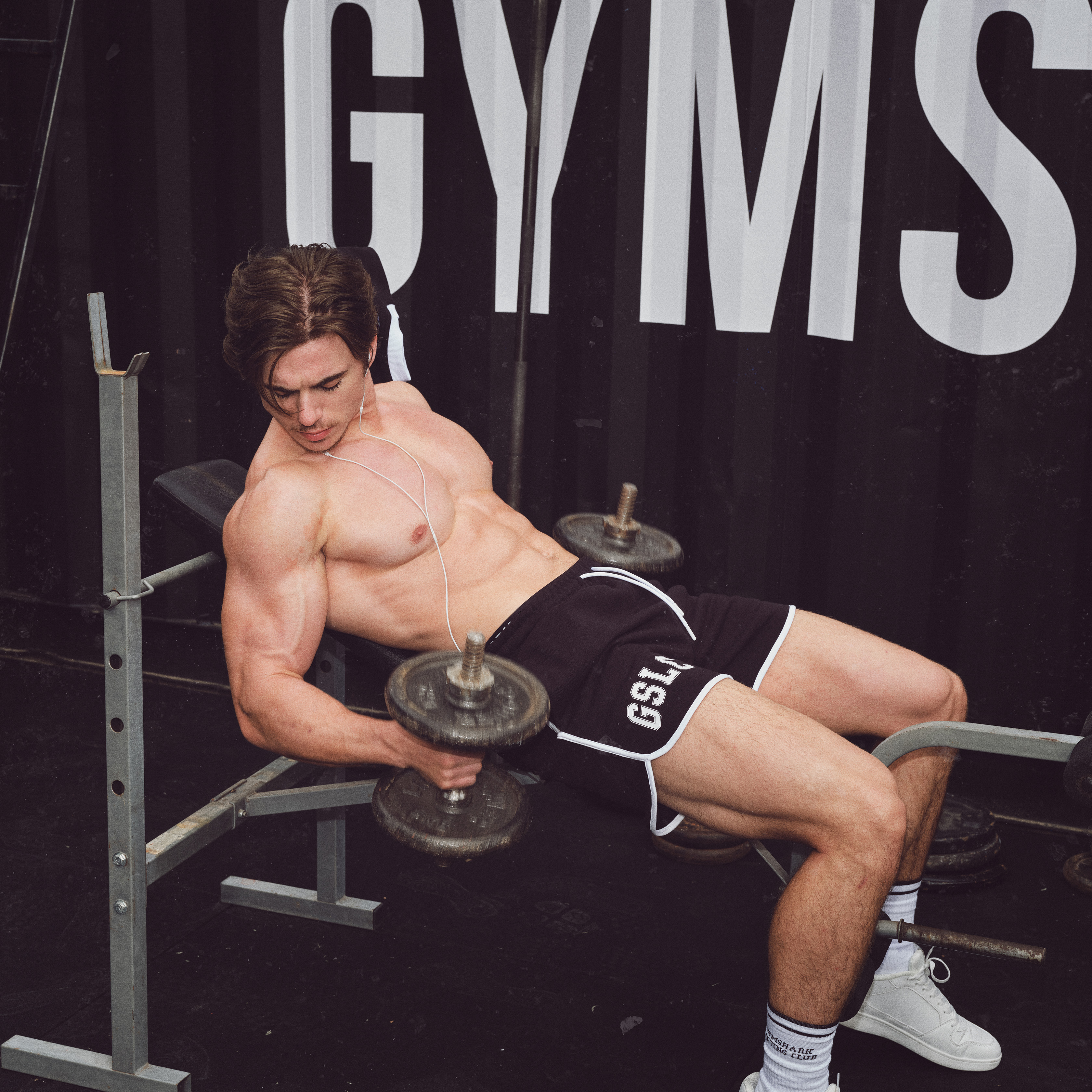
Single-arm rows are fantastic for isolating each side of your back, helping fix muscle imbalances. Start by placing one hand and the same-side knee on a bench or sturdy surface while holding a dumbbell in the other hand. Pull the dumbbell toward your hip, squeezing your shoulder blade at the top.
Make sure to keep your back flat throughout the movement. If you’ve ever experienced one side feeling weaker, this exercise will help you build equal strength. How often do you check if both sides of your body are equally strong?
Renegade Rows
Renegade rows combine a plank and a row, engaging your back and core simultaneously. Begin in a plank position with a dumbbell in each hand. Row one dumbbell toward your waist while stabilizing your body with the other arm, then switch sides.
This move challenges your balance and forces your back muscles to work harder. If you want to see how strong your core and back really are, this exercise will reveal it quickly. Can you maintain a steady plank while rowing without twisting?
Dumbbell Deadlifts
Dumbbell deadlifts target your lower back, glutes, and hamstrings. Hold a dumbbell in each hand with arms straight and feet hip-width apart. Hinge at the hips, lowering the weights close to your legs while keeping your back straight, then return to standing.
I found that focusing on hip movement rather than bending the knees improves the effectiveness of this exercise. It’s a simple way to develop a strong posterior chain at home. Are you paying attention to your hip hinge or just bending forward?
Resistance Band Moves For Back Strength
Using resistance bands to strengthen your back at home is a smart choice. These bands offer adjustable tension, making them perfect for all fitness levels. You can easily target different muscles in your back without bulky equipment.
Resistance band exercises also help improve your posture and reduce the risk of injury. Have you ever noticed how often people neglect their back workouts? Giving your back the attention it needs can boost overall strength and stability.
Band Pull-aparts
Band pull-aparts focus on the upper back and shoulder muscles. Hold the band with both hands, arms straight in front of you, and pull the band apart until your arms are fully extended to the sides. This move strengthens your rear deltoids and rhomboids, which are key for good posture.
Try to control the movement on the way back, resisting the band’s pull. If you want a challenge, slow down the motion or increase the band’s resistance. You’ll feel your shoulder blades working hard with every rep.
Seated Rows
Seated rows with a resistance band mimic the motion of rowing a boat. Sit on the floor with your legs extended, loop the band around your feet, and pull the handles toward your torso. Keep your back straight and squeeze your shoulder blades together at the end of the pull.
This exercise hits the middle back muscles, including the latissimus dorsi and trapezius. It’s a great way to build thickness and strength in your back, especially if you’re short on space for machines.
Face Pulls
Face pulls target the upper traps and rear shoulders, improving shoulder health and posture. Anchor the band at head height, hold it with both hands, and pull it toward your face while flaring your elbows out. Focus on squeezing the muscles around your shoulder blades.
In my experience, face pulls quickly reduce shoulder tightness and improve mobility. They’re an excellent addition if you spend lots of time at a desk or on screens. Have you tried this move to relieve upper back tension?
Pull-up And Chin-up Variations
Pull-up and chin-up variations are essential for a well-rounded back workout at home. These exercises target multiple muscle groups, including your lats, biceps, and shoulders. Adding different grips and assistance methods can help you tailor the intensity and focus of your workout.
Standard Pull-ups
Standard pull-ups use an overhand grip, which emphasizes your upper back and shoulders. They challenge your strength and improve grip endurance. If you struggle with full pull-ups, try breaking the movement into smaller ranges or use a slower tempo to build control.
Have you noticed how your shoulder blades engage differently during pull-ups compared to other exercises? Focusing on squeezing them together can boost your back activation and reduce strain on your arms.
Chin-ups For Biceps And Back
Chin-ups use an underhand grip, shifting some work to your biceps while still targeting the back muscles. This variation is great if you want to build arm strength alongside your back. You might find chin-ups easier to perform if your biceps are stronger than your back.
Try mixing pull-ups and chin-ups in your routine to avoid plateaus. This combination ensures balanced development and keeps your workouts interesting. What’s your favorite grip for feeling the most muscle engagement?
Assisted Pull-ups
If you’re new to pull-ups or chin-ups, assisted versions help you build strength safely. Use resistance bands, a sturdy chair, or a pull-up assist machine if you have one at home. These tools reduce the load and let you focus on form and control.
- Loop a resistance band around the bar and place your knee or foot in it for support.
- Use a chair to support your feet lightly as you pull up.
- Lower yourself slowly to maximize muscle engagement during the eccentric phase.
Remember, progression matters more than perfection. How are you tracking your improvements on assisted pull-ups?
Tips For Maximizing Back Muscle Growth
Building strong back muscles at home requires more than just regular workouts. Focus and smart strategies make a big difference. Follow these tips to improve strength and size effectively.
Proper Form And Technique
Correct form prevents injury and targets muscles better. Keep your back straight during exercises. Avoid jerky movements and use slow, controlled motions. Engage your core for stability. Always warm up before starting your routine. Using mirrors can help check your posture.
Progressive Overload Strategies
Muscles grow by facing new challenges. Increase weights or resistance steadily. Add more repetitions or sets over time. Change exercise angles or grips to hit muscles differently. Keep a workout log to track progress. Avoid sudden jumps in intensity to prevent injury.
Recovery And Nutrition
Muscle growth happens during rest, not workouts. Allow 48 hours between intense back sessions. Sleep 7-9 hours for better recovery. Eat protein-rich foods like chicken, beans, and eggs. Stay hydrated and avoid excessive junk food. Consider light stretching on rest days to reduce soreness.
Common Mistakes To Avoid
A strong back needs careful attention to avoid injuries and poor results. Many people make common mistakes that limit their progress or cause pain. Recognizing these errors helps improve workouts and keep the body safe. Here are some frequent mistakes during home gym back exercises.
Neglecting Warm-up
Skipping warm-up increases the risk of muscle strain and injury. Warming up boosts blood flow and prepares muscles for exercise. Spend at least 5-10 minutes doing light cardio or dynamic stretches. This simple step improves performance and reduces soreness.
Using Momentum Over Control
Relying on momentum takes tension off muscles and lowers exercise effectiveness. Controlled movements focus effort on the back muscles. Slow down each repetition and avoid swinging weights or jerking motions. This technique builds strength and improves muscle tone.
Ignoring Muscle Imbalances
Ignoring differences between sides leads to poor posture and injury. Both sides of the back need equal attention for balanced strength. Include exercises targeting weaker areas and maintain proper form. Correcting imbalances supports healthy movement and reduces pain risk.
Credit: www.aosom.ca
Frequently Asked Questions
What Are The Best Back Exercises For A Home Gym?
Effective home gym back exercises include pull-ups, bent-over rows, and dumbbell deadlifts. These target major back muscles. They require minimal equipment and build strength efficiently. Consistency and proper form ensure optimal results and reduce injury risk.
How Can I Strengthen My Back Without A Machine?
Bodyweight exercises like superman raises, reverse snow angels, and planks strengthen the back. Resistance bands and dumbbells add intensity. These options improve muscle tone and posture without bulky machines. They are ideal for limited space and budget-friendly workouts.
How Often Should I Do Back Workouts At Home?
Perform back workouts 2-3 times weekly with rest days in between. This frequency allows muscle recovery and growth. Overtraining can cause strain and injury. Combine with balanced full-body routines for overall fitness and posture improvement.
What Equipment Is Essential For Home Gym Back Exercises?
Basic equipment includes dumbbells, resistance bands, and a pull-up bar. These tools enable varied back exercises targeting different muscles. They are affordable, space-efficient, and versatile. Investing in quality gear enhances workout effectiveness and safety.
Conclusion
Building a strong back at home is simple and effective. Use the exercises shared to keep your muscles active. Regular workouts improve posture, reduce pain, and boost strength. Small efforts add up to big changes over time. Stay consistent and listen to your body’s signals.
Enjoy the process and feel healthier every day. Your back will thank you for the care you give it.







