
Your back is the foundation of your strength and posture, yet it’s often overlooked in home workouts. If you want to build a stronger, healthier back without leaving your house, this guide is for you.
You’ll discover simple but effective exercises that fit right into your home gym routine. These moves will help reduce pain, improve your posture, and boost your overall performance. Keep reading to unlock the secrets to a powerful back that supports everything you do every day.
Benefits Of Back Workouts At Home
Working out your back at home offers more than just muscle building. It shapes your daily life by improving how you move and feel. You gain strength, enhance posture, and enjoy the freedom to exercise anytime without leaving your space.
Strength Gains
Building back muscles at home helps you perform everyday tasks with ease. Stronger muscles support your spine and reduce the risk of injury. You don’t need heavy gym machines; simple tools like resistance bands or dumbbells can deliver solid strength gains.
Think about lifting groceries or carrying a backpack. A stronger back makes these actions less tiring and more comfortable. Are you ready to feel more powerful in your daily routine?
Posture Improvement
Many people develop poor posture from sitting too long or working at a desk. Back workouts target muscles that keep your spine aligned and shoulders back. This reduces slouching and helps you stand taller and feel more confident.
Improved posture also eases neck and back pain. Have you noticed how a few simple stretches or exercises can change how you hold yourself throughout the day?
Convenience And Consistency
Exercising at home removes barriers like travel time and gym hours. This convenience encourages you to stick with your workout plan more consistently. Even on busy days, you can fit in quick back exercises that keep you on track.
With no waiting for equipment or distractions, your focus sharpens. How much more could you achieve if your workout space was always ready and waiting?
Essential Equipment For Home Back Training
Building a strong back at home needs the right tools. The right equipment makes exercises effective and safe. It helps target different back muscles well. These tools fit small spaces and budgets. Here are key items to consider for back training at home.
Resistance Bands
Resistance bands are light and easy to store. They come in different tension levels. Bands allow smooth and controlled movements. They help improve posture and muscle tone. Exercises like rows and pull-aparts work great with bands. They are gentle on joints but build strength.
Dumbbells And Kettlebells
Dumbbells and kettlebells offer versatile back workouts. You can do rows, deadlifts, and swings. Adjustable dumbbells save space and money. These weights help increase muscle size and power. They also improve grip strength and coordination. Start with light weights and increase gradually.
Pull-up Bars
Pull-up bars target upper back and shoulders well. They fit in doorways or walls. Pull-ups and chin-ups build strong lats and traps. Bars also support hanging leg raises for core work. Using a pull-up bar boosts overall back strength. It requires bodyweight, so no extra weights needed.
Top Back Exercises Without Equipment
Strengthening your back at home without any equipment is not only possible but also highly effective. These exercises target key muscles that support posture, reduce back pain, and improve overall strength. You don’t need fancy machines or weights—just your body and a little space.
Superman Holds
Lie face down on the floor with your arms extended in front of you. Lift your arms, chest, and legs off the ground simultaneously, holding the position like you’re flying. This move strengthens your lower back and improves spinal stability.
Try holding the pose for 20 to 30 seconds, then rest. Repeat 3 times. You’ll notice your back muscles waking up fast with this simple exercise.
Reverse Snow Angels
Start lying face down, arms by your sides with palms down. Slowly raise your arms and move them in a wide arc overhead, then bring them back down, mimicking a snow angel motion. Keep your chest and legs lifted slightly off the floor throughout.
This exercise targets your upper back and shoulders, enhancing mobility and muscle endurance. It’s a great way to open up tight shoulders after long hours of sitting.
Bodyweight Rows
If you have a sturdy table or low bar, you can perform bodyweight rows. Lie underneath, grip the edge, and pull your chest up towards it while keeping your body straight. Lower yourself back down slowly.
This movement mimics a rowing motion and engages your mid-back muscles effectively. If you don’t have a bar, try pulling motions with resistance bands or towels anchored to a door.

Credit: backmusclesolutions.com
Effective Dumbbell Back Workouts
Dumbbells are perfect for building a strong back at home. They offer flexibility and allow a full range of motion. You can target different back muscles with simple exercises. These workouts improve posture and reduce the risk of injuries. Using dumbbells can also help balance muscle strength on both sides of your body.
Bent-over Rows
Bent-over rows work the upper and middle back muscles. Hold a dumbbell in each hand with palms facing your body. Bend slightly at the hips while keeping your back straight. Pull the dumbbells toward your waist, squeezing your shoulder blades together. Lower the weights slowly and repeat.
Single-arm Rows
Single-arm rows focus on one side of your back at a time. Place one knee and hand on a bench or sturdy surface. Hold a dumbbell in the other hand with your arm extended down. Pull the dumbbell up to your side, bending your elbow. Lower it back slowly. Switch arms after completing the set.
Renegade Rows
Renegade rows combine back strength with core stability. Start in a high plank position with a dumbbell in each hand. Keep your body straight and stable. Row one dumbbell up toward your waist while balancing on the other arm and feet. Lower the dumbbell and repeat on the other side.
Pull-up Variations For Back Strength
Pull-ups are a powerhouse move for building back strength right at home. Changing how you do them can target different muscles and keep your workouts fresh. Let’s look at some pull-up variations that will challenge your back in new ways and help you get stronger.
Standard Pull-ups
The standard pull-up is the classic way to work your upper back, shoulders, and arms. Grip the bar with your palms facing away from you, shoulder-width apart. Pull yourself up until your chin is over the bar, then lower down with control.
It’s tough at first, but if you stick with it, you’ll notice your grip and back muscles getting stronger fast. If you’re stuck, try using a resistance band for support or a chair to assist your pull-ups.
Chin-ups
Chin-ups switch the grip so your palms face you, which shifts focus to your biceps and the lower part of your lats. This variation feels easier for many people but still fires up your back.
Give chin-ups a try if you want a slightly less intense pull-up that still builds solid back strength. Mixing these with standard pull-ups can prevent plateaus and keep your muscles guessing.
Negative Pull-ups
Negative pull-ups focus on the lowering phase of the movement, which builds strength when you can’t do a full pull-up yet. Jump or step up to the top position, then slowly lower yourself down over 3-5 seconds.
This slow descent is where your muscles work hard. Doing negative pull-ups regularly can help you progress to full pull-ups faster. Have you tried slowing down your reps to feel the burn differently?

Credit: www.gymshark.com
Incorporating Resistance Bands
Resistance bands offer a flexible and effective way to strengthen your back at home. They provide constant tension through each movement. This tension engages your muscles deeply. Resistance bands are lightweight and easy to store. You can adjust the resistance by changing band thickness or length. These features make bands perfect for varied back exercises.
Using resistance bands helps improve muscle tone and posture. It also supports joint health and reduces injury risks. Bands target different muscles in your back. They work well for beginners and advanced users alike.
Seated Rows
Seated rows with resistance bands strengthen your upper back and shoulders. Sit on the floor with legs extended. Wrap the band around your feet and hold the ends. Pull the band toward your waist, squeezing shoulder blades together. Keep your back straight and chest lifted. Slowly release the tension and repeat for reps.
Face Pulls
Face pulls target the rear shoulders and upper traps. Attach the band to a stable anchor at head height. Hold the ends with palms facing down. Pull the band toward your face, leading with your elbows. Focus on squeezing the muscles between your shoulder blades. Control the movement back to start and repeat.
Band Pull-aparts
Band pull-aparts are simple but effective for shoulder stability. Hold the band in front of you with arms straight. Pull the band apart by moving your hands outward. Keep your arms level with your shoulders. Feel the tension across your upper back. Return slowly to the starting position and repeat.
Tips For Better Posture Through Exercise
Improving posture through exercise is essential for a healthy back and overall well-being. Good posture reduces strain on muscles and joints. It also helps prevent pain and injuries. Simple exercises can strengthen key muscles and improve your stance.
Stretching Tight Muscles
Tight muscles often cause poor posture. Stretching helps lengthen these muscles and relieve tension. Focus on the chest, shoulders, and hip flexors. These areas tend to become tight from sitting too long.
- Try chest openers to expand the front body.
- Stretch the shoulders by reaching arms behind your back.
- Perform hip flexor stretches to release tightness in the hips.
Regular stretching improves flexibility and allows the spine to align properly.
Core Engagement
The core supports the spine and helps maintain upright posture. Strengthening core muscles stabilizes the back and reduces slouching. Exercises like planks and bridges target these muscles effectively.
- Hold a plank for 20 to 30 seconds, focusing on keeping the body straight.
- Use bridges to activate the lower back and glutes.
- Engage your abdominal muscles during all movements.
Strong core muscles create a natural brace for your back.
Consistent Practice
Improving posture requires regular effort. Practicing exercises daily or several times a week builds lasting habits. Consistency helps muscles adapt and grow stronger over time.
- Set a routine to include back and core exercises.
- Track your progress and note improvements.
- Stay patient—posture changes take time.
Keep practicing to see steady gains in your posture and comfort.
Common Mistakes To Avoid
Avoiding common mistakes can improve your home gym back workouts. These errors can cause injury and slow progress. Focus on correct habits for safer, more effective sessions.
Poor Form
Using wrong posture strains muscles and joints. It lowers exercise benefits and may cause pain. Keep your back straight and core tight. Use a mirror or record yourself to check form. Start with light weights to practice movements.
Overtraining
Training too often harms muscles instead of helping. It causes fatigue and slows recovery. Your back needs rest to grow stronger. Limit workouts to 2-3 times per week. Listen to your body and stop if you feel pain or extreme tiredness.
Ignoring Warm-up And Cool-down
Skipping warm-up makes muscles stiff and prone to injury. Cool-down helps reduce soreness and improves flexibility. Spend 5-10 minutes warming up with light cardio and stretching. End workouts with gentle stretches focused on your back muscles.
Sample Weekly Back Workout Plan
Designing a back workout plan at home can help you build strength, improve posture, and prevent injuries. The key is to match exercises with your current fitness level and gradually challenge your muscles. Below is a sample weekly back workout plan tailored for different skill levels to keep you consistent and motivated.
Beginner Routine
- Monday:Bodyweight Rows (3 sets of 8-10 reps) – Use a sturdy table or TRX straps.
- Wednesday:Supermans (3 sets of 12 reps) – Hold each for 3 seconds to engage your lower back.
- Friday:Resistance Band Lat Pulldowns (3 sets of 10-12 reps) – Attach the band overhead for better range of motion.
Starting with bodyweight and resistance bands helps you focus on form. You’ll notice your back muscles waking up without overwhelming soreness. Have you tried using household items for your rows? It can surprise you how effective they are!
Intermediate Routine
- Monday:Dumbbell Bent-over Rows (4 sets of 10 reps) – Keep your back flat and core tight.
- Wednesday:Reverse Flys with Dumbbells (3 sets of 12 reps) – Helps target your upper back and shoulder stabilizers.
- Friday:Deadlifts with Dumbbells (4 sets of 8 reps) – Focus on controlled movement to protect your spine.
This routine adds weights to increase resistance and build muscle. I remember how adding dumbbell rows helped me overcome plateaus quickly. Think about which part of your back feels weakest and choose exercises that challenge those areas.
Advanced Routine
- Monday:Weighted Pull-ups or Assisted Pull-ups (4 sets of 6-8 reps) – Great for overall back development.
- Wednesday:Single-arm Dumbbell Rows with a Pause (4 sets of 10 reps each side) – Pause at the top for extra muscle activation.
- Friday:Romanian Deadlifts (4 sets of 8 reps) – Focus on hamstring and lower back engagement.
- Saturday:Face Pulls with Resistance Bands (3 sets of 15 reps) – Improves shoulder health and posture.
Advanced workouts demand more control and intensity. Adding pauses and weighted moves can dramatically improve muscle growth. Are you ready to push your limits and see how much stronger your back can get?
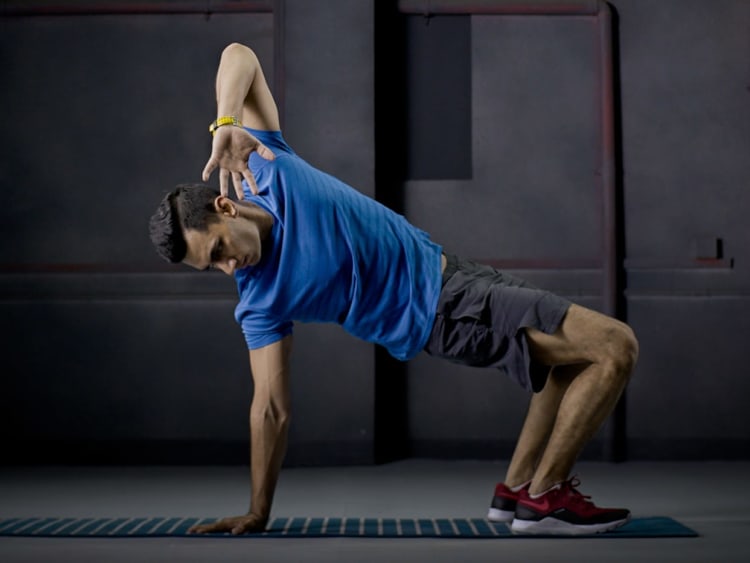
Credit: www.cult.fit
Frequently Asked Questions
What Are The Best Back Exercises For A Home Gym?
Effective home gym back exercises include pull-ups, bent-over rows, and dumbbell deadlifts. These target upper, middle, and lower back muscles efficiently. Using minimal equipment, they help build strength and improve posture at home.
How Often Should I Train My Back At Home?
Training your back 2-3 times per week is ideal. This frequency allows muscle recovery and growth. Balance workouts with rest days to prevent injury and maximize strength gains.
Can I Build A Strong Back Without Machines?
Yes, bodyweight and free weight exercises can build a strong back. Pull-ups, rows, and deadlifts engage key muscles without machines. Consistency and proper form are essential for results.
What Equipment Is Needed For Home Back Workouts?
Basic equipment includes dumbbells, resistance bands, and a pull-up bar. These tools allow varied exercises targeting all back areas. They are affordable and space-efficient for home gyms.
Conclusion
Creating a home gym routine for back exercises is rewarding. It boosts strength and posture. Regular workouts help you stay fit and healthy. Simple equipment can enhance your routine. Consistency is key for achieving results. Set realistic goals and track progress.
Listen to your body to avoid injuries. Remember, every small effort counts. Enjoy the journey to a stronger back. Stay motivated and committed. You got this!







