
Are you looking to strengthen your hips and improve your overall fitness? Hip exercises at the gym can be the key to unlocking better mobility, stability, and power.
Whether you want to boost your athletic performance, reduce pain, or simply feel stronger every day, focusing on your hips will make a big difference. You’ll discover simple yet effective hip exercises that you can easily add to your gym routine.
Keep reading to learn how to target your hips the right way and see real results faster than you think.
Benefits Of Hip Exercises
Focusing on hip exercises at the gym can change how you move and feel every day. Strong hips support your entire body, making daily tasks easier and workouts more effective. You might not realize how much your hips influence your balance, strength, and overall mobility until they start feeling tight or weak.
Improved Mobility And Flexibility
Hip exercises help increase the range of motion in your hip joints. This means you can move more freely without discomfort. Think about how much easier it becomes to squat, walk, or even tie your shoes when your hips are flexible.
Enhanced Stability And Balance
Strong hips stabilize your pelvis and lower body during movement. This reduces your risk of falls and injuries, especially if you’re active or play sports. Have you noticed how much steadier you feel when your hips are strong during a run or a jump?
Reduced Lower Back Pain
Tight or weak hips can cause your lower back to overcompensate, leading to pain. Hip exercises relieve this pressure by strengthening the muscles around the hips and pelvis. If you’ve dealt with stubborn lower back pain, adding hip workouts could be the missing piece in your routine.
Better Athletic Performance
Powerful hips contribute to stronger kicks, jumps, and sprints. Athletes often focus on hip strength to improve speed and agility. Whether you’re lifting weights or playing soccer, your hips play a crucial role in your performance.
Support For Everyday Activities
From climbing stairs to carrying groceries, your hips carry the load. Strengthening these muscles makes everyday movements easier and less tiring. Imagine how much more energy you’d have if your hips weren’t holding you back.

Credit: e3rehab.com
Warm-up Techniques
Warming up before hip exercises in the gym is essential to prepare your muscles and joints for action. It helps reduce the risk of injury and improves your overall performance. Let’s look at effective warm-up techniques that can make your hip workouts safer and more productive.
Dynamic Stretching
Dynamic stretching involves moving your hips and legs through a range of motion to increase blood flow and flexibility. Unlike static stretches, these active movements mimic the exercises you’ll do later, making your hips ready for the load.
Try leg swings, hip circles, and walking lunges. These moves activate your hip flexors and glutes while loosening up the joint. Have you noticed how your body feels more responsive after just a few minutes of dynamic stretching?
Foam Rolling
Foam rolling targets tight muscles and fascia around your hips to release tension. This technique can improve your mobility and reduce soreness before you start lifting or performing hip-focused exercises.
Spend about 1-2 minutes rolling each side, focusing on areas like the IT band, glutes, and hip flexors. It’s a bit uncomfortable at first, but you’ll feel the difference in how easily you move. Why not make foam rolling a habit to keep your hips feeling fresh and ready?
Strengthening Exercises
Strengthening exercises target the muscles around the hips. They improve stability, power, and movement. These exercises help protect the hips from injury. They also support daily activities and athletic performance.
Squats
Squats engage the glutes, quads, and hamstrings. Stand with feet shoulder-width apart. Lower your body by bending the knees and hips. Keep your back straight and chest up. Push through your heels to rise back up. Squats build hip strength and improve balance.
Lunges
Lunges work the hip flexors and glute muscles. Step forward with one leg and lower your hips. Keep the back straight and knees aligned with feet. Push off the front foot to return to standing. Lunges enhance hip mobility and muscle control.
Deadlifts
Deadlifts strengthen the hamstrings, glutes, and lower back. Stand with feet hip-width apart and a weight in front. Bend at the hips, keeping the spine neutral. Lift the weight by extending your hips and knees. Lower the weight slowly back down. Deadlifts improve hip power and posture.
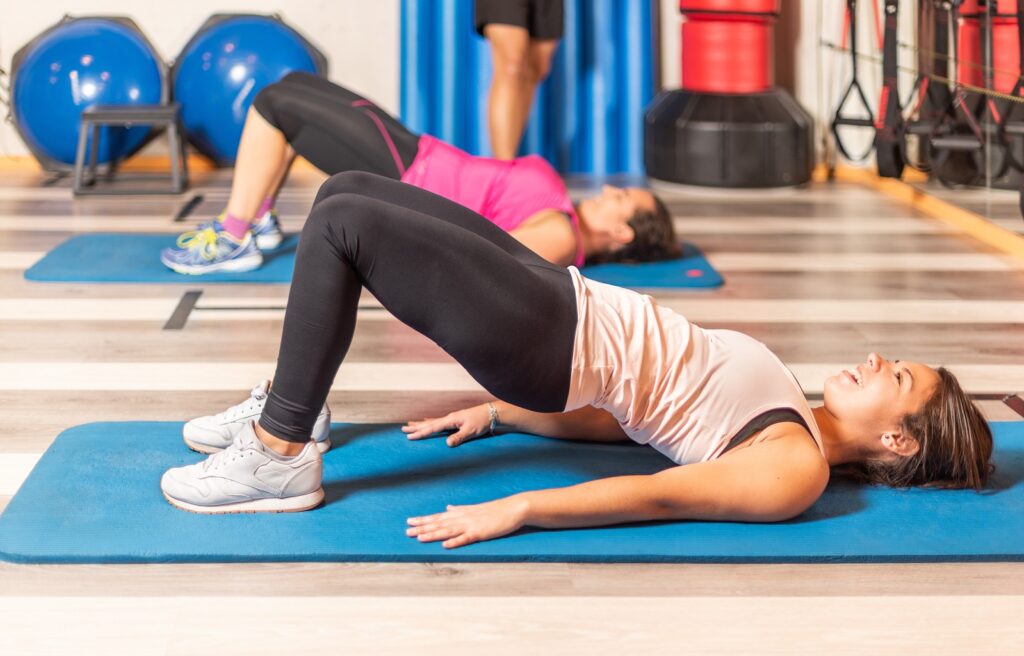
Credit: www.racmn.com
Flexibility Moves
Improving your hip flexibility can dramatically boost your performance at the gym and reduce the risk of injury. Flexibility moves target tight muscles around your hips, helping you move with greater ease and comfort. These stretches also prepare your body for more intense workouts and aid recovery.
Hip Flexor Stretches
Tight hip flexors often cause discomfort and limit your range of motion. Try kneeling on one knee with the other foot in front, then gently push your hips forward. Hold this position for 20-30 seconds and feel the stretch along the front of your hip.
Adding this stretch to your routine can ease lower back tension and improve your squat depth. Have you noticed stiffness in your hips after long periods of sitting? This stretch is a simple fix.
Pigeon Pose
The pigeon pose is a yoga-inspired stretch that opens up your hips deeply. Start in a plank position, bring one knee forward, and extend the other leg straight behind you. Lower your hips toward the floor to feel a deep stretch in the glutes and hip rotators.
This move helps release tension that often builds up from repetitive gym exercises. You might find it challenging at first, but consistent practice will increase your hip mobility significantly.
Butterfly Stretch
For a gentle but effective hip opener, sit with the soles of your feet together and knees dropped to the sides. Hold your feet and gently press your knees toward the floor without forcing them. This stretch targets your inner thighs and hips.
Try holding the stretch for 30 seconds and repeat it twice. It’s a great way to wind down after a workout and keep your hips flexible over time. How often do you take a moment to ease your hips after intense training?
Balance And Stability Drills
Balance and stability drills are essential for anyone looking to improve hip strength and overall body control. These exercises challenge your muscles to work together, enhancing coordination and reducing the risk of injury. Adding these drills to your routine can make everyday movements smoother and more efficient.
Single-leg Deadlift
The single-leg deadlift targets your hips, hamstrings, and core while forcing you to maintain balance on one leg. Start by standing tall, then slowly hinge at your hips, extending your free leg behind you as you lower your torso toward the floor.
Focus on keeping your back straight and your standing knee slightly bent. This move not only strengthens your hip muscles but also improves your body’s ability to stabilize itself under pressure.
Have you noticed how challenging it is to stay upright as your body shifts? That’s your balance improving with every rep.
Bosu Ball Squats
Using a Bosu ball for squats adds an unstable surface, forcing your hips and core to engage more deeply. Position the Bosu ball dome side up and stand on it with your feet shoulder-width apart.
As you squat down, keep your chest lifted and knees tracking over your toes. The wobbling surface demands constant micro-adjustments, enhancing your stability and hip strength.
Try to hold the squat for a few seconds at the bottom to increase the challenge. This simple twist can transform a basic squat into a powerful balance-building exercise.
Core Integration
Strong hips don’t just improve your lower body strength—they depend heavily on your core. Your core acts as the central link between your upper and lower body, stabilizing your movements and protecting your spine during hip exercises. Without engaging your core properly, you risk losing balance and reducing the effectiveness of your workouts.
Think about the last time you felt wobbly during a squat or lunge. That instability often comes from a weak core. Training your core with specific exercises can dramatically enhance your hip strength and control.
Planks
Planks are a simple yet powerful way to build core strength that directly supports hip stability. When you hold a plank, your abs, back, and glutes work together to keep your body in a straight line.
Try to focus on keeping your hips level and avoid sagging or lifting them too high. This teaches your body to maintain proper alignment, which helps when you perform hip exercises like bridges or leg lifts.
How long can you hold a plank with perfect form? Start with 20 seconds and add time as you get stronger. You’ll notice your hips feel more stable and your movements smoother.
Russian Twists
Russian twists train your obliques and improve rotational core strength, which plays a big role in hip mobility and power. Sitting with your feet off the ground, twist your torso side to side, touching the floor beside you.
This exercise challenges your core to control the twisting motion while your hips stay steady. It’s a great way to develop balance and coordination between your core and hips.
If you want to increase the challenge, hold a weight or medicine ball. But focus first on mastering the controlled movement—fast, sloppy twists won’t help your hips function better.
Cool Down Routines
Cooling down after hip exercises at the gym helps your body recover. It reduces muscle stiffness and lowers injury risk. A good cool down resets your heart rate and relaxes your muscles. This routine supports muscle repair and improves flexibility. Here are two key parts of an effective cool down.
Static Stretching
Static stretching means holding a stretch without movement. It helps lengthen hip muscles and release tension. Stretch each muscle gently and hold for 20 to 30 seconds. Focus on areas like hip flexors, glutes, and hamstrings.
- Stretch the hip flexors by lunging forward slowly.
- Cross one leg over the other and lean forward for glute stretch.
- Reach for your toes while sitting to stretch hamstrings.
Keep breathing slowly while holding each stretch. Avoid bouncing or forcing the stretch.
Breathing Exercises
Breathing exercises calm your mind and improve oxygen flow. They help lower heart rate after intense hip workouts. Sit or lie down comfortably. Breathe in deeply through your nose for four seconds.
- Hold your breath gently for four seconds.
- Breathe out slowly through your mouth for six seconds.
- Repeat this cycle five to ten times.
Breathing deeply relaxes your muscles and reduces tension. It also helps your body return to a resting state faster.

Credit: e3rehab.com
Injury Prevention Tips
Preventing injuries during hip exercises is vital for long-term progress. Careful attention to how you perform movements keeps your hips strong and safe. Simple habits can reduce strain and avoid setbacks.
Proper Form
Always focus on correct posture and alignment. Keep hips level and avoid twisting unnaturally. Engage your core muscles to support your lower back. Controlled movements reduce stress on joints and muscles. Use mirrors or ask for help to check your form. Proper form helps muscles work efficiently and safely.
Gradual Progression
Increase intensity and weight slowly over time. Sudden jumps in effort can cause muscle tears or joint pain. Start with light resistance and add more as strength improves. Give your body time to adapt between sessions. Rest days are crucial for healing and growth. Gradual progression builds lasting strength without injury.
Creating A Balanced Routine
Creating a balanced routine is key to effective hip exercises at the gym. It helps build strength, improve flexibility, and prevent injury. A good routine mixes different types of movements and targets all hip muscles evenly.
Balance also means giving enough rest and not overworking one area. This approach supports steady progress and keeps workouts enjoyable.
Include Strength And Mobility Exercises
Strong hips need both power and movement. Combine exercises that build muscle with those that increase joint flexibility. For example:
- Squats and lunges for strength
- Hip circles and leg swings for mobility
This mix improves overall hip function and helps daily activities.
Alternate Intensity Levels
Change workout intensity to avoid burnout. Use heavy weights for some days and lighter loads with more reps on others. This variation helps muscles recover and grow stronger.
Focus On Both Sides Equally
Work hips on both sides evenly. Balance prevents muscle imbalances that cause pain or injury. Use single-leg exercises like step-ups or side leg raises to target each hip independently.
Schedule Rest And Recovery
Rest days are part of a balanced routine. Muscles need time to heal and become stronger. Include light stretching or gentle activities on rest days to keep hips flexible.
Frequently Asked Questions
What Are The Best Hip Exercises At The Gym?
Best hip exercises include hip thrusts, cable kickbacks, leg presses, and lunges. These target glutes and hip muscles effectively, improving strength and mobility.
How Often Should I Do Hip Exercises In The Gym?
Perform hip exercises 2-3 times weekly with rest days in between. This frequency allows muscle recovery and progressive strength gains without overtraining.
Can Hip Exercises Reduce Hip Pain?
Yes, targeted hip exercises strengthen muscles and improve joint stability. This helps reduce hip pain and enhances overall hip function.
Are Hip Exercises Good For Improving Athletic Performance?
Absolutely. Strong hips enhance balance, power, and agility. This leads to better performance in running, jumping, and other sports activities.
Conclusion
Strong hips support many daily movements and improve overall fitness. Regular hip exercises help increase strength and flexibility. They also reduce the chance of injury during workouts or sports. You can start with simple moves and slowly add more challenge.
Consistency matters more than speed or heavy weights. Listen to your body and rest when needed. Strong hips make other exercises easier and more effective. Keep practicing these exercises at the gym to feel better every day. Your hips will thank you.







