
Building muscle on a vegetarian diet might seem challenging, but it doesn’t have to be. If you’re looking to gain strength and muscle without consuming meat, you’re in the right place.
High protein vegetarian foods can fuel your workouts and help you achieve your fitness goals. Imagine biting into delicious meals that not only satisfy your taste buds but also provide your muscles with the power they need. You’ll discover the best vegetarian protein sources that can transform your body and enhance your workout performance.
So, are you ready to unlock the secrets of muscle-building nutrition and take your fitness journey to the next level? Let’s dive in!
Credit: mydiagnostics.in
Benefits Of High Protein Vegetarian Foods
High protein vegetarian foods offer more than just muscle-building benefits. They support your overall health, boost energy, and help you maintain a healthy weight. Understanding these benefits can motivate you to choose smarter, protein-rich vegetarian options that fit your lifestyle.
Muscle Growth And Repair
Your muscles need protein to grow and repair after workouts. Vegetarian sources like lentils, chickpeas, and quinoa provide essential amino acids that support this process. Eating enough protein helps reduce muscle soreness and speeds up recovery, so you can train more effectively.
Have you noticed how your energy levels improve when you fuel your muscles properly? That’s the power of good protein intake.
Energy And Endurance
Protein isn’t just for muscles; it also plays a role in keeping your energy steady throughout the day. High protein vegetarian foods release energy slowly, preventing crashes and keeping you focused. Beans, tofu, and nuts are excellent choices that combine protein with fiber and healthy fats.
Think about your last workout—did you feel drained halfway through? Adjusting your protein sources could change that experience.
Weight Management
Protein helps you feel full longer, which can prevent overeating and unhealthy snacking. Vegetarian proteins like tempeh, seitan, and edamame pack a punch without excess calories. Adding these foods to your diet can help you control your weight while still supporting muscle growth.
What small changes can you make today to include more satisfying, protein-rich vegetarian foods in your meals?
Top Plant-based Protein Sources
Finding the right plant-based protein sources is key to building muscle on a vegetarian diet. You want options that not only pack a protein punch but also keep your meals interesting and satisfying. Let’s look at some top choices that can power your workouts and help you reach your muscle goals.
Legumes And Beans
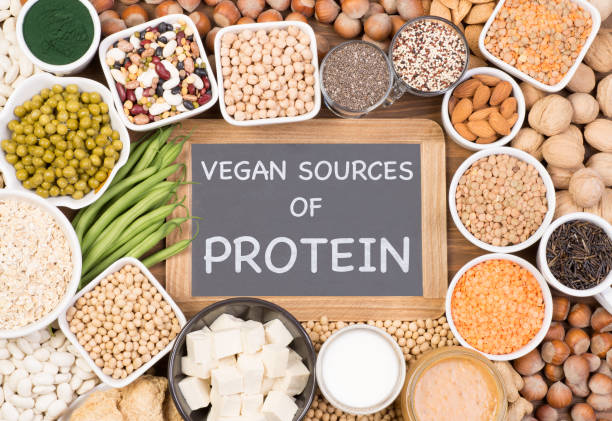
Legumes and beans are some of the most affordable and versatile protein sources you can add to your diet. Lentils, chickpeas, black beans, and kidney beans each offer around 15-18 grams of protein per cooked cup. They also provide fiber, which keeps you full and supports digestion.
Try adding them to salads, stews, or even homemade veggie burgers. Have you noticed how a simple bean chili can turn into a muscle-building meal? It’s a tasty way to meet your protein needs without relying on animal products.
Tofu And Tempeh
Tofu and tempeh are soy-based proteins that are staples in many vegetarian muscle-building diets. Tofu contains about 10 grams of protein per half-cup, while tempeh offers closer to 15 grams. Both are rich in essential amino acids, which are crucial for muscle repair.
They absorb flavors well, making them perfect for stir-fries, sandwiches, or grilled dishes. Have you tried marinating tempeh overnight? It transforms the texture and taste, making your meal both delicious and protein-packed.
Quinoa And Whole Grains
Quinoa stands out among grains because it’s a complete protein, containing all nine essential amino acids. One cup cooked provides around 8 grams of protein. Other whole grains like brown rice, barley, and farro add protein and important nutrients like fiber and B vitamins.
Mix quinoa with beans or tofu for a balanced meal. Do you usually count grains as protein sources? Including them strategically can boost your daily protein intake and keep your meals balanced.
Nuts And Seeds For Muscle Building
Nuts and seeds are excellent sources of protein and healthy fats. They help build muscle by providing essential nutrients and energy. Including a variety of nuts and seeds in your diet supports muscle repair and growth. Their compact size makes them easy to snack on anytime.
Almonds And Walnuts
Almonds are rich in protein, fiber, and vitamin E. They help reduce muscle damage and promote recovery. Walnuts contain omega-3 fatty acids, which reduce inflammation. Both nuts provide magnesium, important for muscle function.
- Almonds offer about 6 grams of protein per ounce.
- Walnuts provide healthy fats and antioxidants.
- Great for snacks or added to meals.
Chia And Flax Seeds
Chia seeds pack protein, fiber, and omega-3s in small amounts. Flax seeds also offer protein and are rich in lignans, which have antioxidant properties. Both help improve muscle strength and endurance.
- Chia seeds absorb water and aid hydration.
- Flax seeds support heart health and muscle repair.
- Can be added to smoothies, yogurt, or oatmeal.
Pumpkin And Sunflower Seeds
Pumpkin seeds provide protein, zinc, and magnesium for muscle growth. Sunflower seeds offer vitamin E and healthy fats to reduce muscle soreness. They are easy to include in salads and snacks.
- Pumpkin seeds contain about 7 grams of protein per ounce.
- Sunflower seeds boost energy and muscle recovery.
- Perfect as a crunchy topping or snack.
Dairy And Eggs In Vegetarian Diets
Dairy and eggs hold a special place in vegetarian diets, especially for those focused on building muscle. They offer high-quality protein that supports muscle repair and growth. Including these foods can make hitting your protein goals easier without relying on meat.
Greek Yogurt
Greek yogurt is a powerhouse of protein with about 15-20 grams per serving. Its thick texture and rich taste make it a versatile ingredient for snacks or meals. You can mix it with fruits or nuts to boost both flavor and nutrition.
Have you tried swapping sour cream or mayonnaise for Greek yogurt in your recipes? It cuts calories and adds protein, making your meals more muscle-friendly. Plus, it contains probiotics that help with digestion, which is essential when you eat a protein-rich diet.
Cottage Cheese
Cottage cheese is another excellent source of casein protein, which digests slowly and keeps your muscles fed over time. A cup of low-fat cottage cheese can provide around 25 grams of protein. It’s a perfect bedtime snack to support overnight muscle recovery.
Try pairing it with a handful of berries or a drizzle of honey for a tasty, balanced snack. Its mild flavor works well in both savory and sweet dishes, giving you plenty of ways to enjoy it. Have you considered cottage cheese as a salad topping or in a smoothie?
Eggs As A Protein Source
Eggs are one of the most complete protein sources you can find in a vegetarian diet. Each egg contains about 6 grams of protein along with essential amino acids your body needs for muscle repair. They also provide vitamins and minerals that support overall health.
Boiled, scrambled, or poached, eggs are quick to prepare and easy to add to any meal. Do you struggle with meal prep? Hard-boiled eggs can be your go-to grab-and-go option. Including eggs regularly can make a big difference in meeting your daily protein requirements.
Combining Foods For Complete Proteins
Plant-based proteins often lack one or more essential amino acids. Combining different vegetarian foods creates complete proteins. This helps muscles grow and repair effectively. Understanding food combinations improves nutrition without eating meat.
Grains And Legumes Pairing
Grains and legumes complement each other perfectly. Grains usually lack lysine but have methionine. Legumes are rich in lysine but low in methionine. Together, they form a complete protein with all essential amino acids.
- Rice with beans
- Whole wheat bread with lentils
- Quinoa with chickpeas
Nuts With Vegetables
Nuts provide healthy fats and some protein. Vegetables add fiber and vitamins. Certain combinations create better protein quality. For example, almonds with broccoli or spinach provide more balanced amino acids.
- Walnuts with kale salad
- Peanuts with steamed green beans
- Cashews with mixed vegetable stir-fry
Dairy With Plant Proteins
Dairy products contain complete proteins by themselves. Combining dairy with plant proteins boosts muscle-building nutrients. This mix ensures a rich supply of all amino acids and calcium.
- Greek yogurt with chia seeds
- Cottage cheese with sliced tomatoes
- Milk smoothies with pea protein powder
Meal Ideas For Muscle Building
Eating enough protein helps build strong muscles. Vegetarian foods can provide the protein needed for muscle growth. Planning meals with high protein foods keeps energy up and supports recovery. Here are simple meal ideas for muscle building that anyone can try.
High Protein Breakfasts
- Greek yogurt with nuts and berries
- Oatmeal cooked with milk, topped with chia seeds
- Scrambled eggs with spinach and whole grain toast
- Smoothie with pea protein, banana, and peanut butter
These breakfasts start the day with protein and fuel muscles early. They are quick and easy to prepare.
Muscle Boosting Lunches
- Quinoa salad with chickpeas, cucumber, and tomatoes
- Whole wheat wrap filled with tofu, avocado, and mixed greens
- Lentil soup with carrots and celery
- Grilled vegetable and black bean bowl with brown rice
Lunches like these provide steady protein and important nutrients. They keep muscles fueled through the afternoon.
Protein-packed Dinners
- Stir-fried tempeh with broccoli and bell peppers
- Vegetable curry with paneer and chickpeas over basmati rice
- Spaghetti with lentil bolognese sauce
- Baked sweet potato topped with cottage cheese and steamed greens
Dinners should repair and build muscles after workouts. These meals are rich in protein and easy to digest.
Supplements And Protein Powders
Supplements and protein powders can support muscle building for vegetarians. They help meet daily protein needs without eating large amounts of food. These options are practical for busy lifestyles and picky eaters. Choosing the right supplement can improve muscle growth and recovery.
Plant-based Protein Powders
Plant-based protein powders come from peas, rice, hemp, and soy. They provide essential amino acids needed for muscle repair. These powders are easy to digest and suitable for most diets. Many brands mix different plant proteins for better nutrition.
Benefits Of Protein Supplements
- Quick and convenient protein source
- Supports muscle repair after workouts
- Helps meet daily protein targets
- Can improve strength and endurance
- Low in fat and carbohydrates
Choosing The Right Supplement
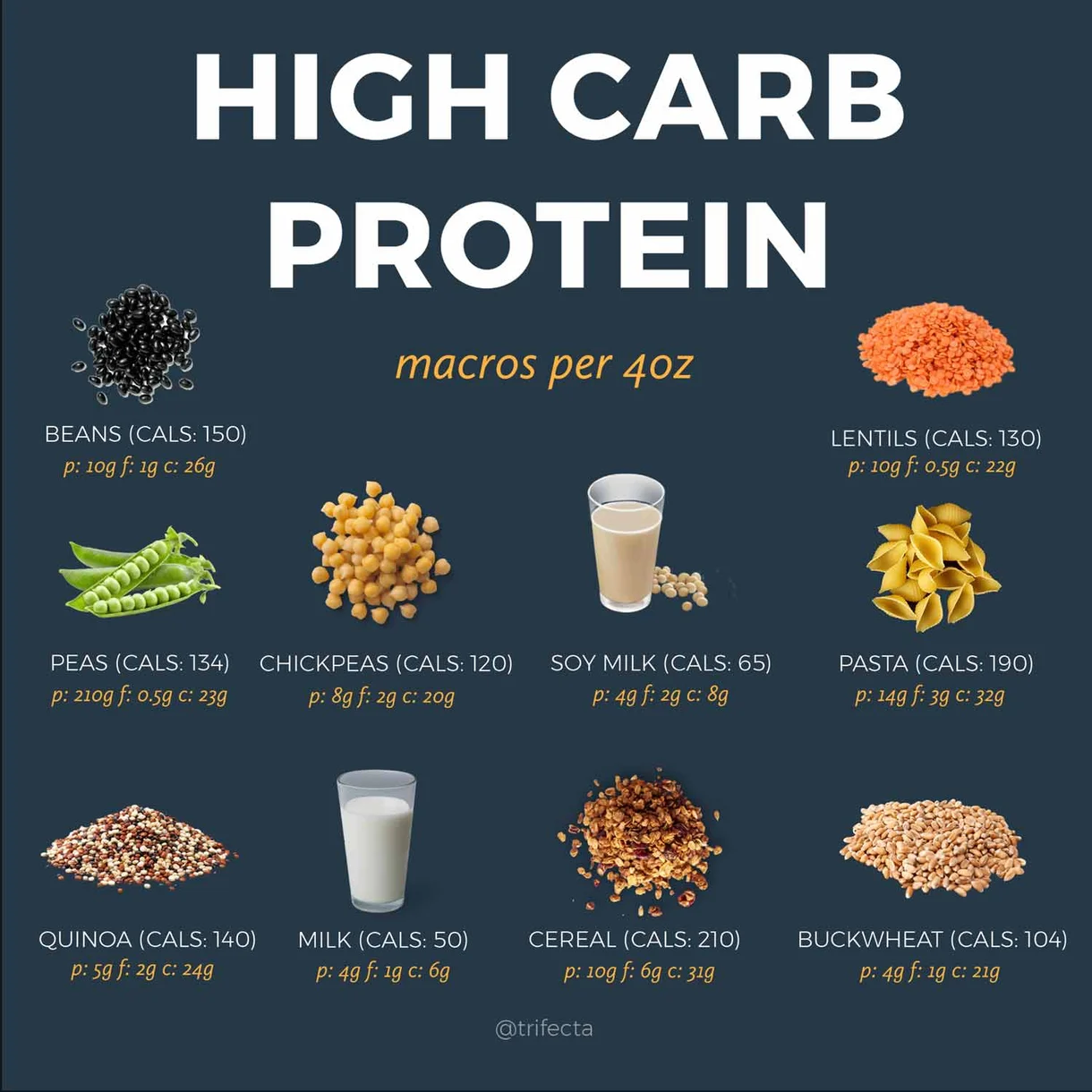
Check the protein content per serving. Look for powders with complete amino acids. Avoid products with added sugars or artificial ingredients. Consider allergies or food sensitivities. Test small amounts to ensure good digestion.
Credit: www.spartan.com
Tips For Maximizing Muscle Growth
Maximizing muscle growth as a vegetarian goes beyond just eating high protein foods. It requires a smart approach to how you fuel and train your body. Understanding how to manage your diet and workout routine together can make a big difference in your results.
Consistent Protein Intake
Your muscles need a steady supply of protein to repair and grow. Aim to include protein in every meal and snack throughout the day. This keeps your body in an anabolic state, ready for muscle building.
Try spreading out your protein sources—like lentils, chickpeas, tofu, and quinoa—rather than having a large amount at once. Have you noticed how your energy levels change when you space out your meals? That’s a sign your muscles are getting a steady supply.
Balanced Macronutrients
Protein is essential, but carbs and fats play vital roles too. Carbohydrates provide the fuel needed for intense workouts. Healthy fats support hormone production, including those that regulate muscle growth.
Think of your meals as a balance: 30% protein, 40% carbs, and 30% fatsoften works well. Vegetables and whole grains should fill your plate alongside protein sources. How often do you check if your meals cover all these bases?
Strength Training Synergy
Nutritional efforts alone won’t build muscle without proper strength training. Focus on compound movements like squats, deadlifts, and presses to engage multiple muscle groups. These exercises create the stimulus your muscles need to grow.
Consistency in training frequency matters—train each muscle group 2-3 times per week. Pair your workout days with higher protein intake to support recovery. What’s your current routine missing that could boost your muscle gains?

Credit: theplantbasedschool.com
Frequently Asked Questions
What Are The Best High Protein Vegetarian Foods?
The best high protein vegetarian foods include lentils, chickpeas, quinoa, tofu, tempeh, and Greek yogurt. These foods provide essential amino acids for muscle building. They are also rich in fiber and nutrients, supporting overall health and muscle recovery effectively.
How Much Protein Do Vegetarians Need For Muscle Building?
Vegetarians aiming to build muscle should consume about 1. 2 to 2. 0 grams of protein per kilogram of body weight daily. This amount supports muscle repair and growth. Combining various plant proteins ensures a complete amino acid profile for optimal muscle development.
Can Plant-based Proteins Build Muscle Effectively?
Yes, plant-based proteins can build muscle effectively when consumed in adequate amounts. Combining different vegetarian protein sources ensures all essential amino acids are included. Regular strength training along with a balanced vegetarian diet promotes muscle growth and strength.
Are Lentils Good For Muscle Building?
Lentils are excellent for muscle building as they contain about 18 grams of protein per cooked cup. They also provide fiber, iron, and complex carbohydrates, which support energy and muscle recovery. Lentils are a versatile, affordable source of vegetarian protein.
Conclusion
Choosing high protein vegetarian foods supports strong muscles and good health. Beans, lentils, tofu, and quinoa provide essential nutrients. Eating a variety of these foods helps meet your protein needs. Consistent meals with these options aid muscle growth and recovery.
Remember, plant-based protein can build muscle effectively. Keep meals balanced and enjoy the process. Your muscles will thank you for the effort. Simple changes bring lasting results. Stay patient and stay strong.







