
Are you ready to kickstart your fitness journey but feeling overwhelmed by all the options out there? Finding the right gym workout plan as a beginner can be challenging, but it doesn’t have to be.
Imagine having a structured, easy-to-follow guide that you can access anytime, anywhere. That’s exactly what a “Gym Workout Plan for Beginners PDF” offers. This downloadable resource is your personal fitness coach in digital form, helping you build confidence and strength right from the start.
With clear exercises and simple instructions, it takes the guesswork out of gym workouts. Ready to discover how this PDF can transform your fitness routine? Keep reading to learn how to make the most of your gym time and see results faster than you ever thought possible.

Credit: www.scribd.com
Benefits Of A Beginner Gym Plan
Starting a gym workout plan as a beginner offers many benefits. It sets a strong base for fitness and helps create a routine. A well-structured beginner plan guides you safely through exercises. This approach makes workouts easier and more effective.
Improved Fitness Levels
A beginner gym plan gradually increases your strength and endurance. It includes simple exercises that build muscle and burn fat. You will notice better energy and stamina in daily tasks. Regular workouts improve heart health and breathing capacity.
Building Healthy Habits
Following a gym plan helps form a consistent exercise routine. It encourages discipline and time management skills. Healthy habits extend beyond the gym to eating and sleeping. These habits support long-term wellness and mental clarity.
Preventing Injuries
Beginner plans focus on correct form and slow progress. This reduces the risk of muscle strains and joint pain. Learning proper techniques protects your body during workouts. Injury prevention keeps you motivated and active for longer.
Credit: www.nourishmovelove.com
Essential Equipment For Beginners
Starting your gym journey means knowing what equipment will help you build strength safely and effectively. Choosing the right tools can boost your confidence and keep you motivated. Focusing on essential equipment helps you avoid feeling overwhelmed and makes your workout plan easier to follow.
Basic Gym Machines
Gym machines guide your movements, making them perfect for beginners. Machines like the leg press, chest press, and lat pulldown support your body and reduce the risk of injury. Have you noticed how using machines helps you focus on form without worrying about balance?
Try to get comfortable with these machines before moving on to free weights. They help you target specific muscle groups with controlled motion. Plus, adjusting the settings is simple, so you can increase resistance as you get stronger.
Free Weights
Dumbbells and barbells add variety to your workouts and engage more muscles. They challenge your balance and coordination, which machines don’t always do. But don’t worry—start light and focus on technique to avoid injury.
Using free weights can make your workouts more dynamic and functional. Have you tried exercises like dumbbell curls or kettlebell swings? These moves teach your body to work as a unit, which helps in everyday activities.
Accessories And Gear
Small accessories can make a big difference in your gym sessions. Items like resistance bands, a yoga mat, and lifting gloves improve your comfort and performance. For example, resistance bands are great for warming up or adding extra tension to exercises without heavy weights.
Don’t overlook the importance of proper footwear and breathable workout clothes. Wearing the right gear supports your movements and keeps you injury-free. What gear do you find most helpful during your workouts?
Key Workout Components
A solid gym workout plan for beginners includes several key components. These parts work together to build strength, improve fitness, and prevent injury. Each section plays a vital role in making your workout balanced and effective.
Warm-up Routines
Warming up prepares your body for exercise. It raises your heart rate and loosens muscles. Simple activities like walking or light jogging work well. Dynamic stretches, such as arm circles or leg swings, activate muscles. Spend 5 to 10 minutes warming up before strength or cardio training.
Strength Training Basics
Strength training builds muscle and improves metabolism. Beginners should start with bodyweight exercises like squats, push-ups, and lunges. Use light weights or resistance bands to add challenge. Focus on proper form to avoid injury. Aim for 2 to 3 sessions per week, allowing rest days in between.
Cardio Sessions
Cardio improves heart health and burns calories. Choose activities like brisk walking, cycling, or swimming. Start with 10 to 20 minutes and increase time gradually. Moderate intensity works best for beginners. Try to include cardio 3 to 4 times weekly for better endurance.
Cool-down Techniques
Cooling down helps your body recover after exercise. Slow your pace gradually to lower your heart rate. Stretch major muscle groups to reduce stiffness and soreness. Hold each stretch for 15 to 30 seconds. Spend 5 to 10 minutes cooling down to improve flexibility.
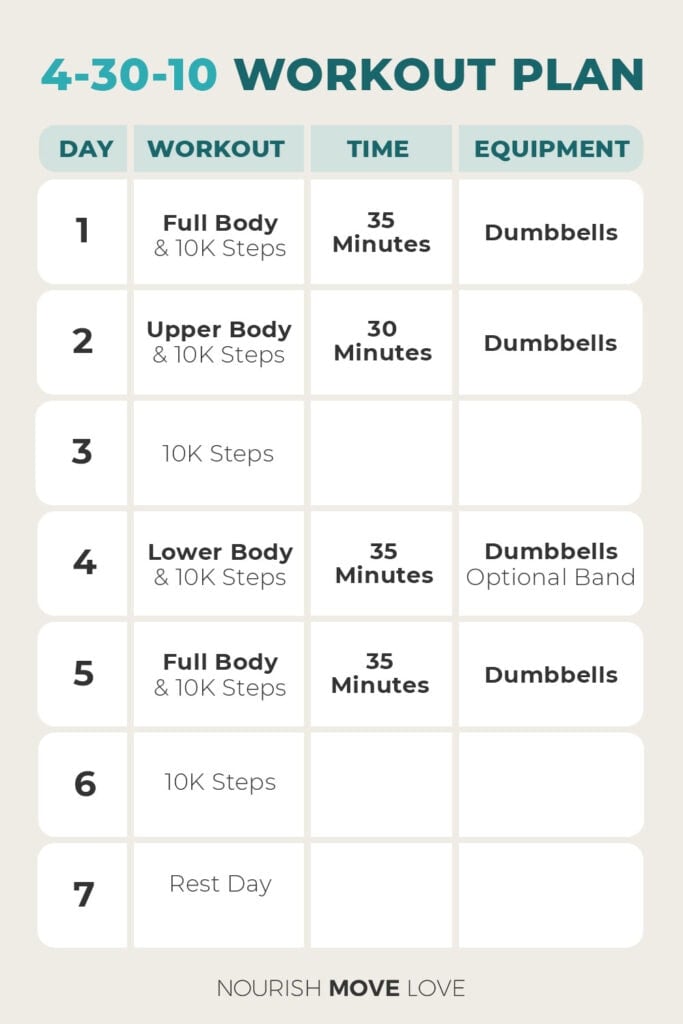
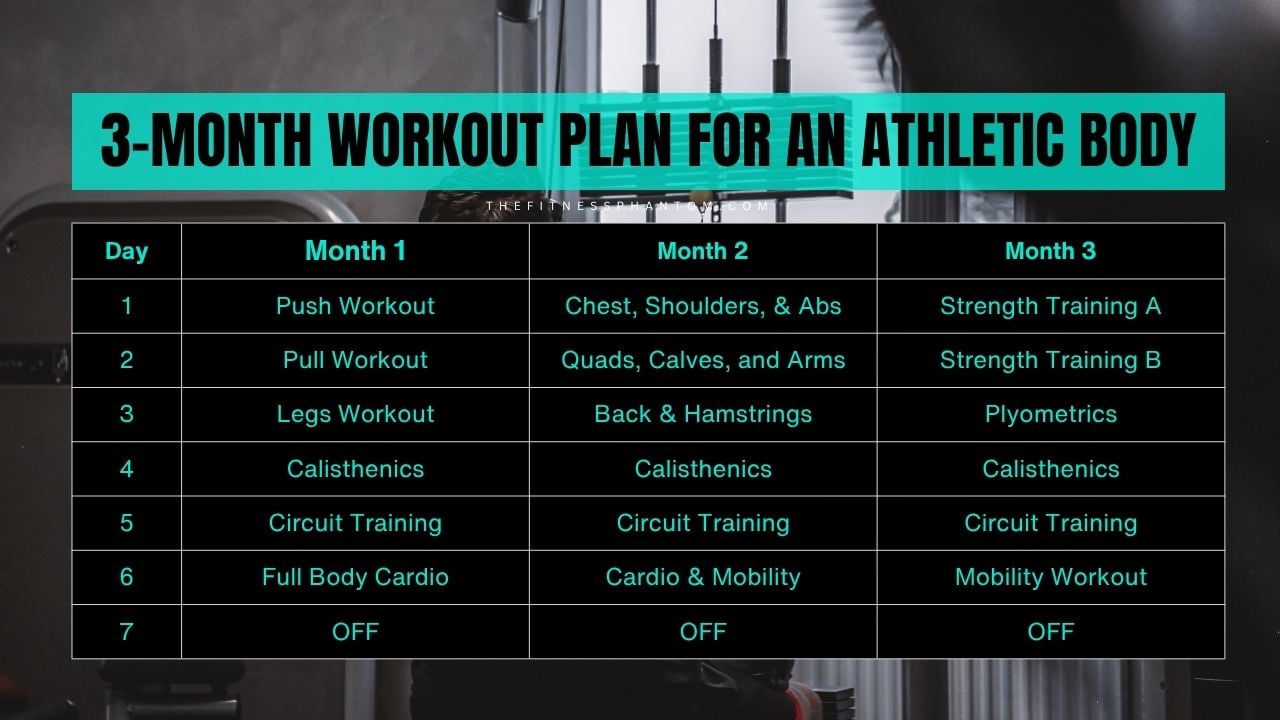
Sample Weekly Workout Plan
Creating a solid weekly workout plan is key to building strength and staying motivated. This sample plan balances exercise and recovery, helping you avoid burnout and injury. It’s designed to fit into your busy schedule without overwhelming you.
Day 1: Full Body Workout
Start your week with a full body workout to activate all major muscle groups. Focus on basic movements like squats, push-ups, and rows. Aim for 3 sets of 10-12 reps each, resting about 60 seconds between sets.
- Bodyweight squats
- Push-ups (modify on knees if needed)
- Dumbbell rows or resistance band rows
- Plank hold for 30 seconds
This approach helps build a strong foundation. Have you noticed how working multiple muscles together saves time and boosts calorie burn?
Day 2: Rest Or Light Activity
Rest days are crucial for muscle recovery and growth. You can choose to take a complete rest or do light activities like walking or gentle yoga. This keeps your body moving without straining it.
Think about how you feel after a day off—does your energy level improve for the next workout?
Day 3: Upper Body Focus
Shift your focus to upper body strength with exercises targeting your chest, back, shoulders, and arms. Use dumbbells, resistance bands, or bodyweight movements.
- Dumbbell chest press or push-ups
- Seated rows or resistance band pulls
- Shoulder presses
- Bicep curls and tricep dips
Keep your reps moderate and concentrate on form. Do you feel stronger when you break down your workouts into specific muscle groups?
Day 4: Cardio And Core
Cardio improves heart health and endurance, while core exercises strengthen your midsection for better posture and balance. Combine these for a powerful workout.
- 20-30 minutes of brisk walking, jogging, or cycling
- Core exercises like crunches, leg raises, and Russian twists
Try to keep your heart rate up during cardio. How does focusing on your core change the way you feel during everyday activities?
Day 5: Lower Body Strength
Target your legs and glutes with exercises that build power and stability. This is essential for everyday movements like walking and climbing stairs.
- Weighted or bodyweight lunges
- Glute bridges
- Calf raises
- Step-ups on a bench or sturdy surface
Keep your movements controlled and deliberate. Have you noticed how stronger legs can improve your overall balance?
Day 6: Active Recovery
Active recovery helps reduce soreness and improves circulation. Engage in gentle activities that promote movement without strain.
- Light stretching or yoga
- Easy swimming or a slow bike ride
- Foam rolling to release muscle tightness
Pay attention to how your body responds to these activities. Can gentle movement speed up your recovery compared to complete rest?
Day 7: Rest
Take a full rest day to let your muscles repair and your mind reset. This day is just as important as your workout days.
Use this time to plan your next week’s workouts or reflect on your progress. How does a complete rest day affect your motivation?
Tracking Progress Effectively
Tracking progress effectively is key to staying motivated and making real improvements in your gym workout plan. Without clear records, it’s easy to lose sight of how far you’ve come or where you need to push harder. Keeping track helps you understand what works best for your body and adjusts your workouts accordingly.
Using Workout Logs
Writing down your workouts might seem simple, but it’s incredibly powerful. A workout log lets you record exercises, sets, reps, and weights each session. This way, you can see if you’re adding more weight or doing more reps over time.
Try using a notebook or a fitness app to keep your logs. When I started, I noticed I was stuck at the same weight for weeks until I reviewed my notes and changed my routine. Tracking workouts removes guesswork and keeps you focused on consistent improvement.
Measuring Strength Gains
Strength gains are some of the easiest progress to measure. Keep track of your max weights or the heaviest weight you can lift for a certain number of reps. This simple metric shows how your muscles get stronger.
For example, if you started bench pressing 50 pounds and now lift 70, that’s clear evidence of growth. Are you challenging yourself enough to push these numbers higher? Tracking strength can also help you avoid plateaus by signaling when to increase weights.
Monitoring Endurance Improvements
Endurance is more than just how long you can run or cycle. It includes how many reps you can perform before fatigue or how quickly you recover between sets. Tracking these details reveals your cardiovascular and muscular endurance progress.
Keep notes on time, reps, or distance covered during cardio or circuit training. When I noticed my recovery time shortened between sets, it motivated me to push even harder. What small endurance victories can you celebrate today?
Common Beginner Mistakes
Starting a gym workout plan can be exciting, but beginners often face common pitfalls that slow progress or cause injury. Recognizing these mistakes early helps you stay on track and get the most from your efforts. Let’s look at some errors you should watch out for and how to avoid them.
Skipping Warm-ups
You might feel eager to jump straight into lifting or cardio, but skipping warm-ups can hurt your performance and increase injury risk. A proper warm-up raises your heart rate and loosens muscles, preparing your body for exercise.
Try simple activities like brisk walking or dynamic stretches for 5 to 10 minutes before your main workout. Have you noticed how warming up makes your movements smoother and your energy higher during workouts?
Overtraining
It’s tempting to push hard every day, especially when you want quick results. However, overtraining leads to fatigue, soreness, and sometimes burnout, which can halt your progress completely.
Make sure to include rest days and listen to your body’s signals. If you feel constantly tired or your workouts feel harder than usual, it might be time to slow down and recover.
Ignoring Proper Form
Focusing on the number of reps or the amount of weight without paying attention to form can cause injuries and limit gains. Proper technique ensures you target the right muscles effectively.
Consider watching tutorial videos or asking a trainer to check your form early on. How confident are you that your posture and movements are correct during exercises?
Nutrition Tips For Gym Beginners
Getting your nutrition right can make a huge difference in how you feel and perform during your workouts. Eating the right foods at the right times fuels your body, helps you recover faster, and boosts your overall progress. Let’s break down some simple nutrition tips that will support your gym journey from start to finish.
Pre-workout Meals
Eating before you exercise gives you energy and helps you push through your workout. Aim to eat a balanced meal 1 to 2 hours before hitting the gym. This meal should include:
- Carbohydrateslike oatmeal, bananas, or whole grain bread to fuel your muscles.
- Proteinsuch as eggs, yogurt, or lean chicken to support muscle function.
- A small amount of healthy fatslike nuts or avocado to keep you feeling satisfied.
If you’re short on time, a quick snack like a banana or a protein shake 30 minutes before can work well too. Have you noticed how skipping a pre-workout meal affects your energy levels?
Post-workout Recovery
After your workout, your body needs nutrients to repair muscles and restore energy. Try to eat within 30 to 60 minutes after exercising. Focus on:
- Proteinsources like grilled chicken, tofu, or a protein smoothie to help rebuild muscle fibers.
- Carbohydratessuch as sweet potatoes, rice, or fruit to replenish your energy stores.
- Don’t forget some vegetablesfor vitamins and minerals that aid recovery.
Personally, I found that having a simple protein shake with a piece of fruit after workouts kept me less sore and ready for the next session. What’s your go-to post-workout meal?
Hydration Importance
Water is often overlooked but is essential for every part of your workout. Staying hydrated helps maintain energy, supports digestion, and prevents cramps. Drink water before, during, and after your exercise.
- Try to sip water every 15-20 minutes during your workout.
- Keep a water bottle handy to remind yourself to drink.
- If you sweat a lot, consider drinks with electrolytes to replace lost minerals.
Have you ever felt dizzy or tired during your workout? Chances are, you might need to drink more water. How often do you check your hydration throughout the day?
Credit: thefitnessphantom.com
Accessing And Using Pdf Workout Plans
Using a PDF workout plan can be a game changer for beginners stepping into the gym world. These plans offer clear guidance and structure, helping you stay on track without feeling overwhelmed. But knowing how to find, adjust, and use these PDFs effectively can make all the difference in reaching your fitness goals.
Finding Reliable Sources
Not all workout PDFs are created equal. You want plans that come from trusted trainers or reputable fitness websites. Check for credentials or reviews before downloading.
Look for clear instructions and balanced routines that suit beginners. Avoid plans promising quick fixes or overly complex workouts—it’s about steady progress.
Customizing Plans To Fit Goals
Every beginner has different needs. Adjust the workout intensity, number of sets, or rest days to match your fitness level and schedule.
Consider what you want to achieve—strength, weight loss, or endurance—and tweak the exercises accordingly. Don’t hesitate to swap out moves that don’t feel right or are too challenging.
Printing And Digital Use
Decide whether you prefer a printed copy or using the PDF on your phone or tablet. Printing can help if you like checking off completed workouts physically.
Digital versions are handy for quick access and can be zoomed in for better visibility. Make sure your device is charged and ready before hitting the gym.
Frequently Asked Questions
What Is The Best Gym Workout Plan For Beginners Pdf?
A beginner workout PDF outlines simple exercises with clear instructions. It helps build strength, endurance, and routine safely. Such plans focus on basic movements, proper form, and gradual progression. They are ideal for those new to gym workouts seeking structured guidance.
How Often Should Beginners Follow A Gym Workout Plan?
Beginners should start with 3 to 4 workout days per week. This frequency allows muscle recovery and reduces injury risk. Consistency is key to progress. Rest days help muscles repair and grow stronger. Adjust frequency based on personal fitness and goals.
What Exercises Are Included In Beginner Gym Workout Plans?
Typical exercises include bodyweight squats, push-ups, lunges, dumbbell presses, and light cardio. These focus on major muscle groups for balanced strength. The plan emphasizes form and controlled movements. This foundation helps prevent injury and prepares for advanced workouts.
Can I Lose Weight Using A Beginner Gym Workout Plan Pdf?
Yes, beginner plans combined with a healthy diet aid weight loss. They increase calorie burn through cardio and strength training. Building muscle boosts metabolism, supporting fat loss. Consistency and nutrition are crucial for effective results.
Conclusion
Starting a gym workout plan with a clear guide helps build good habits. This PDF plan offers simple steps to follow each day. Staying consistent will improve strength and fitness over time. Remember to listen to your body and rest when needed.
Small progress leads to big changes. Keep your goals in mind and enjoy the process. A steady routine will make workouts easier and more fun. Begin today and watch your health improve step by step.







