
Are you ready to take your first steps into the world of fitness but feel unsure about where to start? You’re not alone.
Many beginners feel overwhelmed, especially when faced with endless workout plans and exercises. But don’t worry, we’ve got you covered. Imagine having a clear and simple gym workout plan designed specifically for you—a beginner female. A plan that you can easily download as a PDF and follow at your own pace.
This article will introduce you to a structured workout plan tailored to help you feel confident and empowered. It’s time to take control of your fitness journey and discover how this plan can make a big difference in achieving your health goals. Curious to find out more? Keep reading!
Benefits Of Gym Workouts For Women
Gym workouts offer many benefits for women of all ages. They improve health, mood, and confidence. Following a simple gym workout plan can lead to lasting positive changes. Women who exercise regularly often feel stronger and happier. The gym provides a safe space to focus on personal growth and wellness.
Physical Health Improvements
Regular gym workouts help women build muscle and burn fat. Strength training improves bone density, reducing injury risk. Cardio exercises boost heart health and stamina. Exercise supports weight management and increases energy levels. Better sleep often follows a consistent workout routine.
Mental Well-being Boost
Exercise releases natural mood-enhancing chemicals in the brain. Stress and anxiety levels tend to drop after gym sessions. Women report feeling more relaxed and clear-headed. Physical activity can improve focus and reduce feelings of depression. The gym offers a break from daily worries and distractions.
Building Confidence
Seeing progress in strength and fitness builds self-esteem. Achieving workout goals creates a sense of accomplishment. Learning new exercises encourages a positive mindset. The gym environment fosters motivation and support. Confidence gained at the gym often carries into daily life.
Essential Gym Equipment For Beginners
Choosing the right equipment can make your gym workout plan more effective and enjoyable. For beginners, it’s important to focus on tools that build a solid foundation without overwhelming you. The right gear supports your progress and keeps you motivated.
Cardio Machines
Cardio machines help boost your endurance and burn calories efficiently. Treadmills, stationary bikes, and elliptical trainers are popular choices for beginners. These machines allow you to control speed and intensity, so you can start slow and gradually push yourself.
Have you tried a treadmill walk or bike ride at a comfortable pace? It’s a simple way to get your heart rate up without stress.
Strength Training Tools
Strength training is key to building muscle and improving metabolism. Dumbbells, resistance bands, and weight machines are beginner-friendly options that let you focus on form and control. These tools help you target different muscle groups safely.
Using light weights or bands first helps you avoid injury and builds confidence. What strength exercises feel most natural for you to start with?
Flexibility And Balance Gear
Flexibility and balance equipment improve your overall mobility and prevent injuries. Yoga mats, stability balls, and balance boards encourage you to stretch and stabilize your body. Adding these to your routine enhances your workout quality.
Spending a few minutes stretching on a mat or balancing on a ball can make a big difference. How often do you include stretching or balance work in your sessions?
Creating A Balanced Workout Schedule
Creating a balanced workout schedule is key to building strength, improving fitness, and staying motivated as a beginner. It helps you avoid burnout and injury while making steady progress. The right mix of activities and proper timing ensures your body adapts and grows stronger over time.
Frequency And Duration
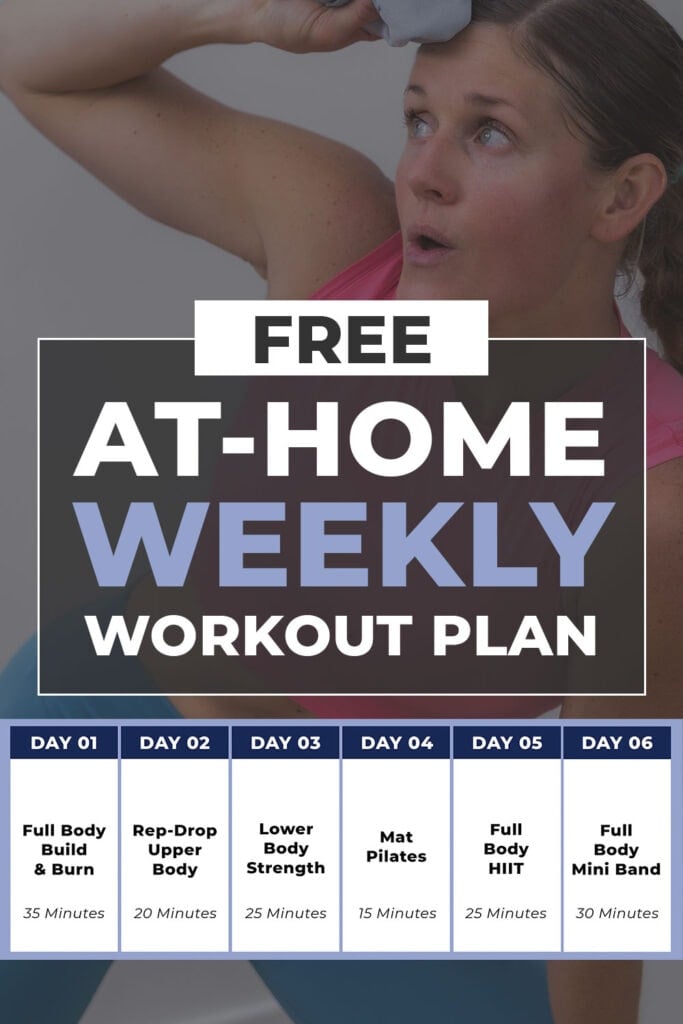
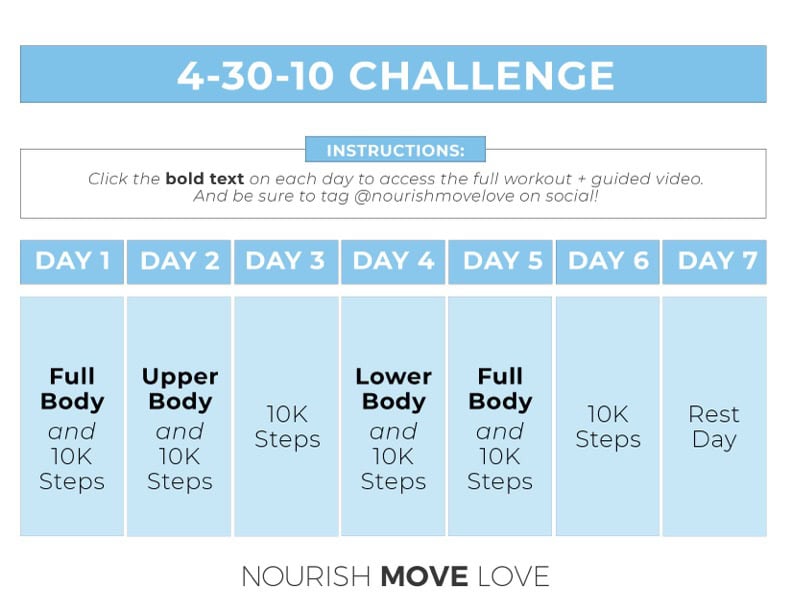
Start by deciding how many days a week you can realistically commit to working out. For beginners, 3 to 4 sessions per week is a solid goal. Each session should last between 30 to 45 minutes to keep your energy levels high and avoid fatigue.
Think about your daily routine—can you fit in shorter workouts more frequently, or do longer sessions a few times a week suit you better? Adjust the frequency and duration so you look forward to your workouts instead of dreading them.
Mixing Cardio And Strength
Combining cardio and strength training is essential for overall fitness. Cardio workouts like brisk walking, cycling, or dancing boost your heart health and burn calories. Strength training builds muscle, tones your body, and improves metabolism.
You could start with 20 minutes of cardio followed by 20 minutes of strength exercises in one session. Alternatively, split them across different days to keep things fresh. Ask yourself—what cardio do you enjoy, and which strength moves feel doable yet challenging?
Rest And Recovery
Rest days are just as important as workout days. Your muscles need time to repair and grow stronger. Skipping rest can lead to tiredness and increase your risk of injury.
Plan at least one or two rest days each week. On these days, try gentle stretching or light walking to keep your body moving without strain. How do you usually feel after a rest day—more energized or restless?
Credit: www.nourishmovelove.com
Beginner-friendly Exercises
Starting a gym workout plan can feel overwhelming. Beginner-friendly exercises help build confidence and strength safely. These exercises focus on simple movements that are easy to follow and effective. They prepare the body for more advanced workouts and reduce the risk of injury. Each section covers essential parts of a workout to guide beginners through a balanced routine.
Warm-up Routines
Warming up prepares the body for exercise and increases blood flow. It reduces muscle stiffness and improves flexibility. A good warm-up lasts about 5 to 10 minutes.
- Light jogging or brisk walking
- Arm circles and shoulder rolls
- Leg swings and hip circles
- Dynamic stretches like walking lunges
These movements gently raise your heart rate and loosen muscles. Avoid static stretching before workouts as it may reduce strength.
Simple Strength Moves
Strength exercises help build muscle and boost metabolism. Focus on bodyweight moves for easy and safe strength training. Start with low repetitions and increase gradually.
- Squats: Strengthen legs and glutes
- Push-ups (knee or wall): Work chest and arms
- Glute bridges: Activate hips and lower back
- Plank holds: Improve core stability
Use proper form and avoid rushing. Rest between sets to recover muscles.
Cardio Options
Cardio improves heart health and burns calories. Choose low-impact options to protect joints and build endurance.
- Walking at a steady pace
- Stationary cycling
- Elliptical machine
- Jump rope in short intervals
Start with 10 to 15 minutes and increase time slowly. Keep a pace that feels comfortable but challenging.
Cool-down Techniques
Cooling down helps the body recover after exercise. It prevents dizziness and muscle soreness.
- Slow walking for 3 to 5 minutes
- Gentle static stretches for major muscles
- Deep breathing exercises
Hold stretches for 15 to 30 seconds without bouncing. Cool-down helps the heart rate return to normal safely.
Nutrition Tips To Support Workouts
Nutrition plays a crucial role in how effective your workouts will be, especially when you’re just starting out. Eating the right foods before and after exercise can boost your energy, help your muscles recover, and keep you motivated. Let’s dive into some simple nutrition tips that you can apply right away to support your gym routine.
Pre-workout Meals
Eating before you work out gives your body the fuel it needs to perform well. Aim for a balance of carbohydrates and protein about 1 to 2 hours before hitting the gym. This could be a banana with peanut butter or a small bowl of oatmeal with some berries.
Try to avoid heavy, greasy foods that might slow you down or cause discomfort. If you’re short on time, a quick snack like a yogurt or a handful of nuts can also work. Have you noticed a difference in your energy when you eat something versus when you don’t?
Post-workout Recovery Foods
What you eat after your workout is just as important as what you eat before. Your muscles need protein to repair and grow, and carbohydrates to refill your energy stores. A grilled chicken salad with quinoa or a smoothie with protein powder, spinach, and fruit are great options.
Try to eat within 30 to 60 minutes after your session for best results. Skipping this step can make you feel tired and slow down your progress. Have you ever felt stronger after eating a good meal post-workout?
Hydration Strategies
Water is your best friend when it comes to working out. Staying hydrated helps your muscles work better and reduces fatigue. Drink water before, during, and after your workout to keep your body balanced.
If you sweat a lot or exercise intensely, consider drinks with electrolytes to replace lost minerals. Carrying a reusable water bottle can remind you to sip regularly throughout the day. How much water do you usually drink around your workouts?
Tracking Progress Effectively
Tracking your progress is key to staying motivated and making real improvements in your gym workout journey. Without clear tracking, it’s easy to lose sight of your achievements and feel stuck. Keeping an eye on your progress helps you understand what’s working and where you need to tweak your efforts.
Setting Realistic Goals
Start by defining what success looks like for you. Are you aiming to build strength, increase endurance, or lose weight? Set specific, achievable targets like “I want to do 10 push-ups in a row” or “I want to jog for 20 minutes without stopping.”
Realistic goals keep you motivated and prevent frustration. Breaking big goals into smaller milestones makes progress feel more rewarding. Ask yourself: Are my goals challenging but possible to reach within a few weeks?
Using Workout Logs
Writing down your workouts transforms vague efforts into concrete records. Use a simple notebook or a workout app to note exercises, weights, sets, and reps. This habit reveals patterns and helps you celebrate small victories.
Logging workouts also shows when you’re ready to increase intensity. You’ll notice if you’re lifting heavier or running longer compared to last week. Have you tried tracking your workouts consistently? It can be eye-opening.
Adjusting Plans Over Time
Your body adapts, so your workout plan should too. If progress slows or exercises feel too easy, it’s time to mix things up. Add more weight, increase repetitions, or try new movements to keep challenging yourself.
Listening to your body is crucial. If you feel overly tired or experience pain, adjust your plan to prevent injury. How often do you review and change your workout routine? Regular tweaks keep your fitness journey fresh and effective.
Common Beginner Mistakes To Avoid
Starting a gym workout plan can be exciting but also challenging. Many beginners make common mistakes that can slow progress or cause injury. Avoiding these errors helps build a safe and effective routine. Focus on consistency and smart habits from the beginning.
Overtraining Risks
Doing too much too soon can hurt your body. Muscles need time to recover after workouts. Overtraining causes fatigue, soreness, and may lead to injury. Rest days are as important as training days. Listen to your body and avoid pushing beyond limits.
Ignoring Proper Form
Correct exercise form protects joints and muscles. Poor technique increases injury risk and lowers workout benefits. Take time to learn moves slowly. Use mirrors or ask for guidance from trainers. Quality beats quantity in every session.
Skipping Warm-ups Or Cool-downs
Warm-ups prepare your body for exercise by raising heart rate. Cool-downs help muscles relax and reduce stiffness. Skipping these steps may cause strains or cramps. Spend 5-10 minutes warming up and cooling down every workout.
Credit: www.nourishmovelove.com
Utilizing The Pdf Workout Plan
Utilizing a Gym Workout Plan for Beginners Female PDF can be a game-changer for your fitness journey. It offers a clear roadmap and removes the guesswork from your workouts. Knowing how to effectively use this resource ensures you maximize your efforts and see real progress.
How To Access The Pdf
Accessing the workout plan is usually as simple as downloading it from a trusted website or receiving it via email after signing up. Make sure you save the file on your phone, tablet, or computer for easy reference during workouts. Having quick access means you won’t waste time searching for your plan when you’re at the gym or at home.
Sometimes, PDFs come with clickable links or embedded videos—don’t overlook these extras. They can offer additional guidance and tips, which are especially helpful when you’re just starting out. Are you using a device that supports easy navigation through the plan?
Customizing The Plan
Every beginner’s fitness level and goals are different, so tailoring the PDF plan to fit your needs is key. Look for sections that suggest modifications or alternative exercises. If a move feels too difficult or too easy, adjust the intensity or reps to suit your current ability.
Don’t be afraid to swap exercises to target areas you want to focus on more. For example, if you want to build upper body strength, you might add extra sets of push-ups or dumbbell rows. Have you thought about how your schedule and energy levels could affect the timing and length of your workouts?
Staying Motivated
Motivation can dip, especially when starting a new routine. Keep the PDF plan visible—print it out or set reminders on your phone to stay accountable. Checking off completed workouts can provide a satisfying sense of accomplishment.
Try mixing up your routine every few weeks by increasing weights or trying new exercises suggested in the PDF. This keeps things fresh and challenges your muscles differently. What small reward could you give yourself after reaching a workout milestone?

Credit: heydaisyday.com
Frequently Asked Questions
What Is The Best Gym Workout Plan For Beginners Female Pdf?
A beginner-friendly gym workout plan PDF for females includes simple exercises. It focuses on full-body workouts, strength training, and cardio. The plan guides proper form, sets, and reps. It helps build strength, endurance, and confidence safely.
How Often Should Beginners Follow The Gym Workout Plan?
Beginners should follow the workout plan 3 to 4 times per week. This frequency balances exercise and recovery. It prevents injury and promotes steady progress. Consistency is key for building habits and achieving fitness goals.
What Equipment Is Needed For A Female Beginner Workout Plan?
Basic gym equipment includes dumbbells, resistance bands, and a mat. Machines like the treadmill and stationary bike are helpful too. The plan focuses on accessible equipment for all fitness levels. This ensures beginners can start easily and safely.
Can Beginners Lose Weight With This Gym Workout Plan Pdf?
Yes, beginners can lose weight by following the workout plan. It combines strength training and cardio to burn calories. Consistent workouts and a balanced diet support fat loss. This plan improves metabolism and builds lean muscle.
Conclusion
Starting a gym workout plan can feel tough but is very rewarding. Use the beginner-friendly PDF to guide your exercises. Keep your sessions steady and listen to your body’s signals. Small steps lead to strong habits and better health. Stay patient and enjoy your progress each day.
This plan builds a solid base for your fitness journey. Remember, consistency matters more than speed or weight. Your efforts will bring results over time. Keep moving forward with confidence and care.







