
Starting exercise at the gym can feel overwhelming. You might wonder where to begin or worry about doing the wrong moves.
But what if you had a simple plan that helps you get results and feel confident from day one? This guide is made just for you. By the time you finish reading, you’ll know exactly how to start your gym routine the right way.
Ready to unlock your best self? Let’s dive in.
Credit: betterme.world
Choosing The Right Gym
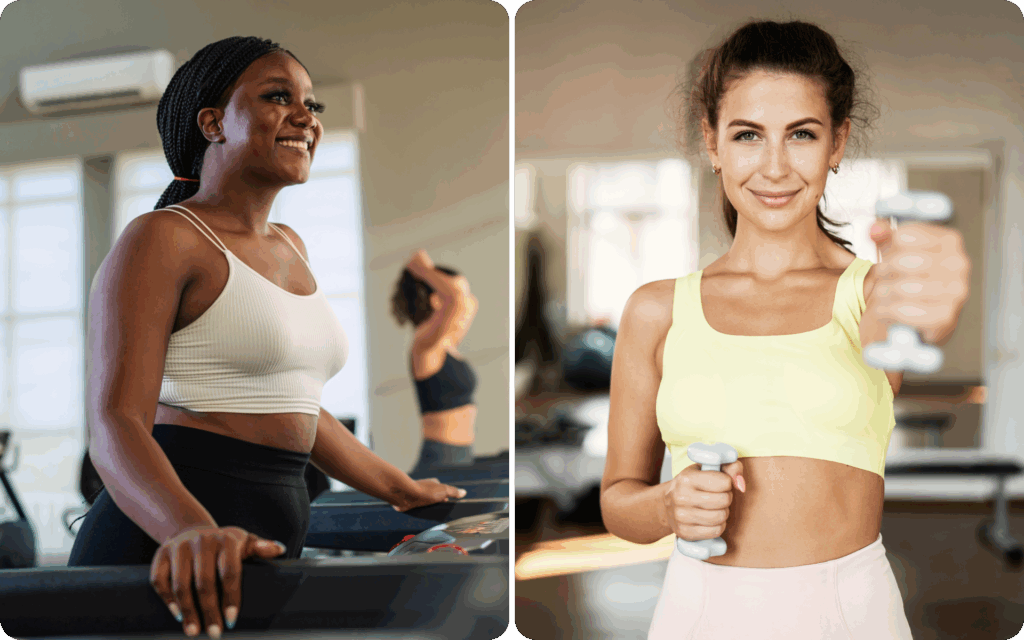
Choosing the right gym is key to starting your exercise journey with success. The gym you pick affects your motivation and progress. It must fit your lifestyle and needs. Think about what matters most before deciding. This helps you stay consistent and enjoy workouts.
Location And Accessibility
Pick a gym close to your home or work. A nearby gym saves travel time and effort. Easy access makes visiting the gym a habit. Check parking options or public transport links. Consider gym hours that match your schedule. Convenience helps you avoid skipping workouts.
Equipment And Facilities
Look for gyms with a variety of equipment. Machines, free weights, and cardio tools are important. Clean, well-maintained equipment ensures safety and comfort. Extra facilities like showers and lockers add value. Some gyms offer classes or personal training. Choose one that supports your fitness goals.
Membership Options
Compare membership plans before joining. Some gyms offer monthly, yearly, or pay-as-you-go options. Find a plan that fits your budget and commitment level. Check for hidden fees or cancellation policies. Trial passes or short-term memberships allow testing the gym first. A flexible plan suits changing routines better.
Setting Fitness Goals
Setting fitness goals is a crucial step when you start your gym journey. Without clear goals, your workouts can feel aimless and motivation may wane quickly. Defining what you want to achieve helps you stay focused and measure your success over time.
Short-term Targets
Short-term targets give you quick wins that keep you motivated. These could be as simple as completing three gym sessions a week or increasing your workout duration by 10 minutes. Small goals like these build momentum and confidence.
Think about what you can realistically achieve in a few weeks. Maybe it’s mastering a new exercise or improving your form. These milestones create a sense of accomplishment and encourage you to push further.
Long-term Vision
Your long-term vision is the bigger picture that guides your fitness journey. It might be running a 5k race, building muscle, or improving overall health. Having this vision helps you make better daily choices aligned with your goals.
Ask yourself where you want to be in six months or a year. This helps you avoid getting stuck in short-term routines that don’t contribute to lasting change. Your long-term vision should inspire you to keep going, even on tough days.
Tracking Progress
Tracking progress turns your goals into measurable results. Use a workout journal, fitness app, or simple calendar to log your exercises and improvements. Seeing your progress in black and white makes it easier to stay committed.
Don’t just focus on weight or reps; include how you feel, energy levels, and sleep quality. These details give a fuller picture of your fitness journey. Are you ready to track your progress and celebrate the small victories along the way?
Essential Warm-up Routines
Warming up is a crucial part of any gym routine. It prepares your body for the workout ahead and helps prevent injuries. Skipping this step can leave your muscles stiff and increase the chance of strains.
Essential warm-up routines focus on gradually increasing your heart rate and loosening your muscles. This approach gets your blood flowing and improves your range of motion. Let’s look at some key warm-up techniques that set you up for success.
Dynamic Stretching
Dynamic stretching involves moving your muscles through a full range of motion. Unlike static stretches, these are active movements that mimic the exercises you’ll do during your workout.
Try leg swings, arm circles, or walking lunges to activate your muscles. These stretches improve blood flow and muscle flexibility without causing fatigue. Have you noticed how moving stretches feel more energizing than holding still?
Cardio Warm-ups
Cardio warm-ups raise your heart rate and increase circulation. Light jogging, jumping jacks, or cycling for 5 to 10 minutes can do the trick.
This gentle cardio prepares your lungs and muscles for more intense exercise. Starting your session with cardio can make lifting weights or running feel easier and less stressful on your body.
Joint Mobility Exercises
Joint mobility exercises focus on loosening the joints and improving their movement. Simple movements like hip circles, shoulder rolls, or ankle rotations help reduce stiffness.
These exercises improve your joint function and reduce the risk of injury during complex lifts or fast movements. Do you pay attention to your joints before a workout, or do you mostly focus on muscles?
Beginner-friendly Workouts
Starting a gym routine can feel overwhelming. Beginner-friendly workouts simplify this process. They help build confidence and create a solid fitness base. These workouts focus on easy movements, proper form, and gradual progress.
Strength Training Basics
Strength training builds muscle and boosts metabolism. Start with light weights or bodyweight exercises. Focus on major muscle groups like legs, back, chest, and arms. Perform 2-3 sets of 8-12 repetitions for each exercise.
- Squats
- Push-ups
- Dumbbell rows
- Planks
Rest for 30-60 seconds between sets. Use slow, controlled movements to avoid injury. Gradually increase weight as strength improves.
Cardio Sessions
Cardio improves heart health and burns calories. Choose low-impact options to protect joints. Examples include walking, cycling, or swimming. Start with 15-20 minutes per session and increase time slowly.
- Walk on a treadmill
- Bike at a comfortable pace
- Use an elliptical machine
Maintain a steady pace where talking is possible but singing is hard. This helps build endurance without overexertion.
Flexibility And Balance
Flexibility and balance reduce injury risk and improve movement quality. Incorporate stretching and balance exercises daily. Focus on major joints and muscle groups.
- Hamstring stretches
- Calf stretches
- Standing on one foot
- Yoga poses like tree pose
Hold each stretch for 15-30 seconds. Practice balance exercises for 1-2 minutes. These improve body awareness and stability.
Creating A Balanced Schedule
Creating a balanced schedule is key to starting a gym routine that lasts. It helps your body adapt and grow stronger without causing injury or burnout. A good schedule blends different workout types and allows time for rest. This balance keeps you motivated and improves overall fitness.
Rest And Recovery
Rest days let muscles heal and grow. Skipping rest can lead to tiredness and injury. Aim to have at least one or two rest days each week. Use this time for light activities like walking or stretching. Good sleep also supports recovery and boosts energy for workouts.
Mixing Workout Types
Varying exercises prevents boredom and targets different muscles. Combine strength training, cardio, and flexibility workouts. For example, lift weights two days a week, do cardio three times, and stretch or do yoga once. This mix helps improve endurance, strength, and balance.
Consistency Tips
- Set specific days and times for workouts.
- Start with short sessions, then increase time.
- Track your progress to stay motivated.
- Prepare gym clothes and gear ahead of time.
- Find a workout buddy for support.
Sticking to a schedule builds a habit. Small, steady steps lead to long-term success.
Nutrition For Fitness
Nutrition plays a key role in how well you perform during your workouts and how quickly you recover afterward. Eating the right foods at the right times can boost your energy, improve muscle growth, and keep fatigue at bay. Let’s look at how you can fuel your body effectively around your gym sessions.
Pre-workout Meals
Your body needs fuel before exercise to power through your routine. Aim to eat a balanced meal about 1 to 2 hours before you hit the gym.
- Focus on easily digestible carbs like oatmeal, bananas, or whole-grain toast to provide quick energy.
- Include a moderate amount of protein such as Greek yogurt or a boiled egg to support muscle function.
- Avoid heavy fats or large portions that may cause discomfort or sluggishness.
Have you noticed a difference in your workout energy when you skip or eat too little before exercising?
Post-workout Nutrition
After your workout, your body is ready to recover and rebuild muscle tissue. Eating within 30 to 60 minutes post-exercise maximizes muscle repair and replenishes energy stores.
- Combine protein sources like chicken, fish, or plant-based proteins with carbs such as sweet potatoes or brown rice.
- Don’t forget to add vegetables or fruits for vitamins and antioxidants that help reduce inflammation.
- Consider a protein shake if you’re on the go—just make sure it has some carbs mixed in.
What’s your go-to meal after training, and how does it affect your recovery?
Hydration Importance
Water is often overlooked but is essential for every workout. Staying hydrated helps maintain your strength, focus, and endurance during exercise.
- Drink water throughout the day, not just when you feel thirsty.
- Before working out, aim for about 500 ml (17 oz) of water to start well hydrated.
- During intense or long sessions, sip water regularly to replace fluids lost through sweat.
Have you tried tracking your water intake to see how it affects your gym performance?
Avoiding Common Mistakes
Starting a gym routine is exciting, but it’s easy to slip into habits that slow progress or cause injury. Avoiding common mistakes can make your workouts more effective and keep you motivated. Paying attention to how you train and recover is just as important as the exercises themselves.
Overtraining Risks
It’s tempting to push hard every day when you’re eager to see results. However, overtraining can lead to fatigue, decreased performance, and even injury. Your muscles need time to repair and grow stronger, so working out intensely without breaks can backfire.
Ask yourself: Are you feeling constantly tired or sore? These signs often mean you need to dial back your routine. Balance intense sessions with lighter workouts or rest to keep your progress steady.
Incorrect Form
Using the wrong technique can hurt more than help. Poor form puts strain on joints and muscles, increasing the risk of injury and reducing workout effectiveness. Even small mistakes in posture can lead to big problems over time.
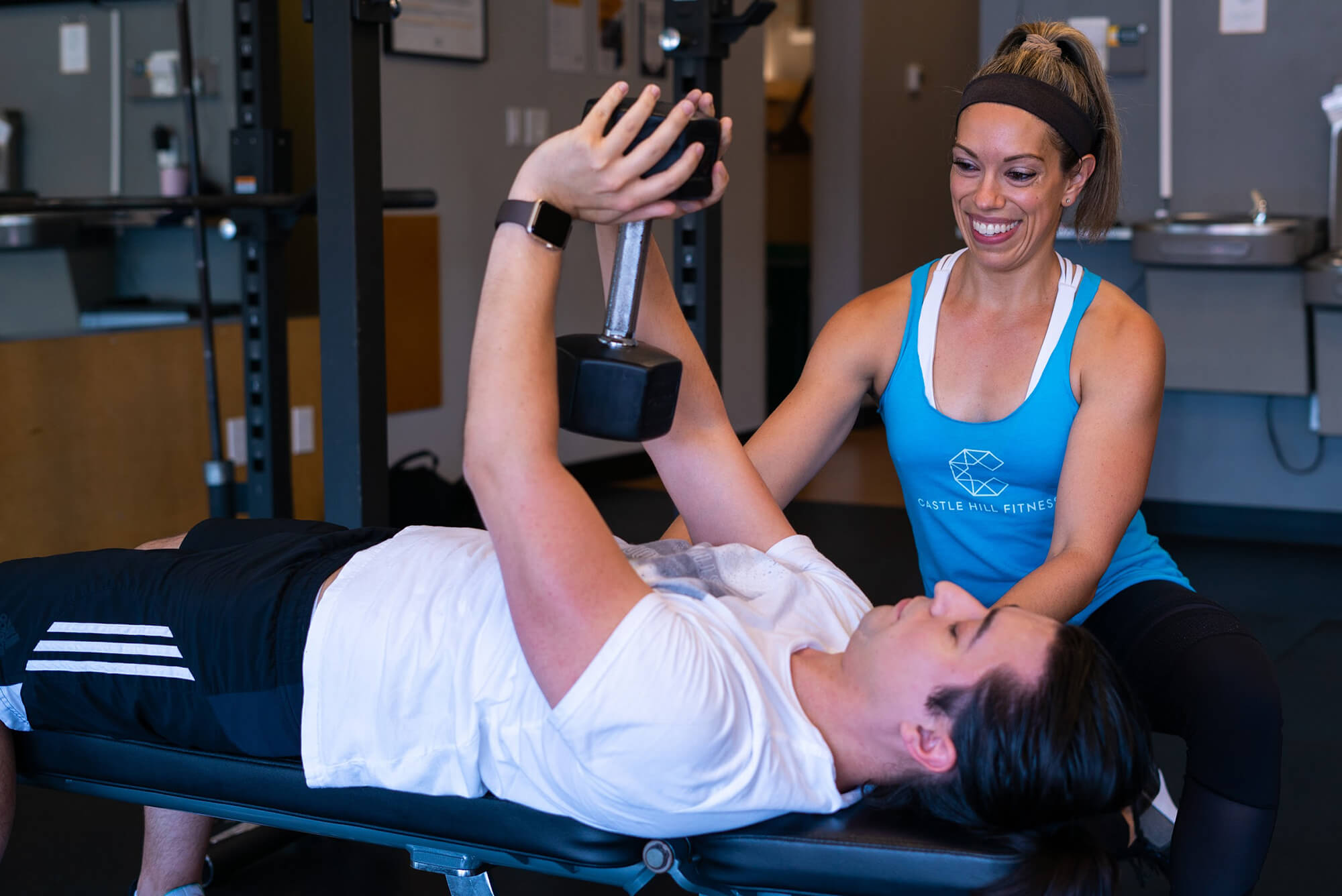
Don’t rush through exercises just to complete reps. Focus on mastering each movement slowly. Watching videos, asking trainers for guidance, or using mirrors can help you maintain proper form and get the most out of your workout.
Ignoring Rest Days
Rest days aren’t a sign of laziness—they’re essential for recovery and muscle growth. Skipping rest can cause burnout and stall your progress. Your body needs time off to rebuild and come back stronger.
Plan regular rest days into your week and listen to your body’s signals. If you feel unusually sore or fatigued, taking an extra day off might be exactly what you need to move forward.

Credit: medium.com
Staying Motivated
Staying motivated is key to making progress at the gym. Many people start strong but lose interest over time. Keeping your energy and focus high helps you reach your goals faster. Motivation can come from simple actions that keep you excited to exercise.
Setting Milestones
Small goals give you a clear path to follow. Break your big goal into smaller steps. Celebrate each milestone you reach. This creates a sense of achievement. For example:
- Complete your first week of workouts
- Increase weight lifted by 5 pounds
- Run an extra minute without stopping
Each success builds confidence and encourages you to keep going.
Finding A Workout Buddy
A friend at the gym makes exercise more fun. You can share tips and cheer each other on. Meeting someone with the same goals pushes you both to work harder. It also adds accountability. You are less likely to skip a workout if someone waits for you.
Tracking Improvements
Keep a simple record of your workouts. Note the weights, reps, or time spent on exercises. Watching your progress grow is very motivating. It shows how your hard work pays off. Use a notebook or a mobile app to track your journey. Tracking helps spot areas needing extra focus.
Using Gym Technology
Using gym technology can transform the way you start and maintain your exercise routine. It makes tracking progress easier and workouts more efficient. With the right tools, you can stay motivated and make informed decisions about your fitness journey.
Fitness Apps
Fitness apps help you plan workouts and monitor your progress right from your phone. Many apps offer guided routines, video demonstrations, and customizable schedules. You can set daily goals, track calories burned, and even connect with friends for extra motivation.
Think about how much easier it is to stick with a plan when you have clear targets and reminders. Some apps also provide feedback based on your performance, helping you improve form and avoid injury. Which app could fit best into your lifestyle?
Wearable Devices
Wearable devices like smartwatches and fitness bands give real-time data during your workouts. They track heart rate, steps, sleep quality, and calories burned with surprising accuracy. Having instant feedback helps you push harder or slow down when needed.
Using wearables, you can discover patterns you might not notice otherwise, such as your peak energy times or recovery needs. These insights allow you to tailor your gym sessions for maximum benefit. Have you tried wearing one during exercise yet?
Online Workout Resources
Online workout resources open up a world of training options without leaving home or the gym. You can find everything from beginner tutorials to advanced classes on platforms like YouTube or specialized fitness websites. This variety helps you avoid boredom and keeps your routine fresh.
Following workouts online lets you learn new exercises and techniques at your own pace. Plus, many resources are free or low-cost, making them accessible to everyone. What online workout have you tried that surprised you with its effectiveness?
Credit: www.castlehillfitness.com
Frequently Asked Questions
What Are The Best Exercises For Gym Beginners?
Start with basic exercises like walking, bodyweight squats, and light dumbbell workouts. These build strength and endurance safely. Focus on proper form to avoid injury. Gradually increase intensity as you get comfortable.
How Often Should Beginners Exercise At The Gym?
Aim for 3 to 4 gym sessions per week initially. This allows your body to adapt and recover. Consistency is key for progress. Avoid overtraining to prevent fatigue and injuries.
What Should I Eat Before Starting Gym Exercises?
Eat a balanced snack with carbs and protein 30-60 minutes before working out. This fuels your muscles and improves performance. Avoid heavy, greasy foods that can cause discomfort during exercise.
How Long Should A Beginner Workout Session Last?
Begin with 30 to 45 minutes per session. This duration helps build stamina without causing excessive fatigue. Increase workout time gradually as your fitness improves.
Conclusion
Starting with basic exercises is smart for gym beginners. It builds a solid foundation. Consistency is crucial for progress. Gradually increase intensity to avoid injuries. Listen to your body and rest when needed. Track your progress to stay motivated. Celebrate small achievements.
Patience and dedication lead to fitness success. Always prioritize form over speed. Enjoy the process and stay committed. Remember, every small step counts. Fitness is a journey, not a sprint. Stay positive and keep moving forward. Embrace the changes you see and feel.
Achieve your gym goals with time and effort. Keep pushing, and success will follow.







