
When you step into the gym, your goal is to get stronger, healthier, and fitter. But are you protecting yourself the right way?
Gym safety equipment isn’t just extra gear—it’s your best defense against injury and setbacks. Imagine pushing your limits with confidence, knowing your body is fully supported. You’ll discover the essential safety tools that can keep you safe and help you make the most of every workout.
Ready to lift smarter and train safer? Let’s dive in.
Key Gym Safety Gear
Gym safety gear protects your body and improves workout quality. Using the right equipment reduces injury risks. It also helps maintain proper form and increases confidence.
Essential gym safety gear supports key joints and muscles. Each item serves a specific role. Wearing these can make your workouts safer and more effective.
Protective Gloves
Gloves protect your hands from blisters and calluses. They improve grip on weights and bars. Gloves reduce slipping and help you lift heavier safely. They also keep hands clean and dry during workouts.
Weightlifting Belts
Weightlifting belts support your lower back and core. They help maintain correct posture during heavy lifts. Belts reduce stress on the spine and prevent injuries. Use them for squats, deadlifts, and other heavy exercises.
Knee And Elbow Supports
Knee and elbow supports stabilize joints during movement. They reduce pain and prevent strains or sprains. These supports are useful for heavy lifting and repetitive motions. Wearing them keeps joints warm and flexible.
Wrist Wraps
Wrist wraps protect wrists from overextension and injury. They provide extra support during pressing and lifting exercises. Wraps help maintain wrist alignment under heavy loads. They improve grip strength and reduce wrist fatigue.
Footwear For Stability
Footwear plays a crucial role in gym safety. Proper shoes provide stability and support. They help prevent injuries during workouts. Wearing the right shoes enhances your gym performance. Let’s explore how to choose the best footwear for stability.
Choosing The Right Shoes
Select shoes that fit well and provide good support. Look for features like a firm sole and cushioned insole. Ensure they have a non-slip grip for better traction. Check for breathability to keep feet cool and dry. Try them on with gym socks to ensure comfort.
Impact On Performance And Safety
Good footwear boosts confidence during exercises. Stable shoes reduce the risk of slipping or twisting an ankle. They allow for better balance during lifts and squats. Proper shoes also improve posture and alignment. This reduces strain on muscles and joints.
Safety Equipment For Cardio
Cardio workouts get your heart pumping and burn calories fast, but they can also push your body hard. Using the right safety equipment during cardio sessions helps you avoid injuries and track your progress effectively. It’s not just about working out harder; it’s about working out smarter and safer.
Heart Rate Monitors
Keeping an eye on your heart rate during cardio can tell you if you’re in the right zone for fat burn, endurance, or peak performance. Heart rate monitors come in many forms: chest straps, wristbands, or even smartwatches. Choosing one that fits comfortably and provides accurate data is key.
I once ignored my heart rate during a long run and ended up exhausted and dizzy. Since then, using a monitor helped me stay in my target zone and avoid overdoing it. Don’t guess your limits—know them.
- Look for monitors with real-time feedback and alerts.
- Consider devices that sync with your phone for detailed analysis.
- Regularly check and calibrate your device for accuracy.
Proper Hydration Tools
Hydration is often overlooked but it’s crucial during cardio. Dehydration can reduce your performance and increase the risk of heat-related issues. Having easy access to water or electrolyte drinks keeps you fueled and safe.
I keep a reusable water bottle nearby during workouts and always plan breaks for hydration. Some people prefer hydration packs or bottles with built-in straws for convenience. Whatever you choose, make sure you actually use it.
- Use bottles that are easy to carry and sip from while moving.
- Consider electrolyte-enhanced drinks for longer sessions.
- Set reminders to drink if you tend to forget.

Credit: www.amazon.com
Spotting Tools And Accessories
Spotting tools and accessories play a key role in gym safety. They help prevent injuries during weightlifting and other strength exercises. Proper spotting gear supports correct form and offers protection when lifting heavy weights.
These tools are essential for both beginners and experienced lifters. They provide confidence and reduce the risk of accidents. Using the right spotting equipment can make workouts safer and more effective.
Using Spotter Arms
Spotter arms are metal bars attached to power racks or squat racks. They catch the barbell if you fail a lift. This prevents the bar from falling on your body. Spotter arms allow you to lift heavier weights safely without a human spotter.
They are adjustable to different heights. This customization matches your workout needs. Spotter arms also protect the equipment from damage. Always check that they are securely locked before lifting.
Safety Clips And Collars
Safety clips and collars secure weight plates on the barbell. They stop plates from sliding off during lifts. Loose plates can cause imbalance and serious injuries. Collars come in various materials like metal or plastic.
Using clips or collars is simple but crucial. Slide them tightly against the weight plates. This keeps the barbell stable and safe during exercise. Regularly inspect clips for wear and replace if damaged.
Maintaining Your Gear
Maintaining your gym safety equipment is essential for lasting protection and performance. Regular care ensures the gear stays effective and safe to use. Neglect can lead to wear and tear, risking injury during workouts. Simple upkeep habits extend the life of your equipment and keep it reliable.
Cleaning And Care Tips
Keep your equipment clean to avoid bacteria and unpleasant odors. Use mild soap and warm water for most items. Avoid harsh chemicals that may damage materials. Wipe down surfaces after each use to remove sweat and dirt. Let gear dry completely before storing to prevent mold.
- Use a soft cloth or sponge for cleaning.
- Disinfect handles and straps regularly.
- Check for cracks or loose parts during cleaning.
- Store equipment in a cool, dry place.
When To Replace Equipment
Replace gear showing signs of damage or heavy wear. Cracks, tears, or broken parts reduce safety and support. If equipment no longer fits properly, it may need replacement. Regularly inspect gear for any defects or weakening materials. Using worn-out equipment increases the risk of accidents.
| Equipment Type | Signs to Replace | Replacement Frequency |
|---|---|---|
| Weightlifting Belt | Frayed edges, cracks | Every 1-2 years |
| Wrist Wraps | Loss of elasticity, tears | Every 6-12 months |
| Knee Sleeves | Stretched out, holes | Every 1-2 years |
| Gloves | Worn padding, holes | Every 6-12 months |

Credit: www.amazon.com
Creating A Safe Workout Environment
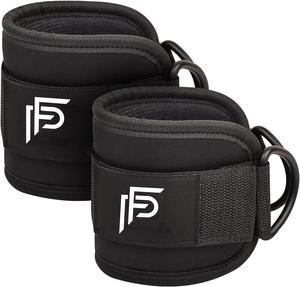
Creating a safe workout environment is key to preventing injuries and ensuring a positive gym experience. Safety equipment plays a big role, but so does how the space is organized and used. Clear space, well-maintained gear, and respectful behavior help everyone stay safe. Simple habits can make a big difference during workouts.
Proper Equipment Setup
Setting up gym equipment correctly reduces risks and improves workout quality. Always check machines for damage before use. Adjust settings to fit your height and strength. Secure weights and attachments firmly. Keep cables and cords tidy to avoid trips. Use equipment as intended to avoid accidents. Report broken or faulty machines to staff immediately.
Gym Etiquette For Safety
Respecting others helps maintain a safe gym space. Wipe down machines after use to keep surfaces clean. Return weights and tools to their proper place. Avoid dropping heavy weights loudly; it can cause damage. Give enough space to others while exercising. Communicate clearly if you need help or a spotter. Follow gym rules and listen to staff instructions.
Credit: www.alibaba.com
Frequently Asked Questions
What Are Essential Gym Safety Equipment Items?
Essential gym safety equipment includes weightlifting belts, gloves, wrist wraps, and proper footwear. These items protect joints, improve grip, and prevent injuries during workouts. Using the right equipment enhances safety and performance in the gym.
How Does Gym Safety Equipment Prevent Injuries?
Gym safety equipment supports muscles and joints, reducing strain. It improves stability and grip, minimizing slips and falls. Proper use of equipment like belts and wraps helps prevent common workout injuries.
Why Is Using Weightlifting Belts Important?
Weightlifting belts stabilize the lower back and core during heavy lifts. They reduce pressure on the spine and help maintain proper posture. This support lowers the risk of back injuries during strength training.
Can Gym Gloves Improve Workout Safety?
Yes, gym gloves protect hands from blisters and calluses. They enhance grip on weights and machines, preventing slips. Gloves also provide wrist support, reducing the chance of strain or injury.
Conclusion
Staying safe at the gym helps you reach your goals faster. Using the right safety equipment protects your body from injury. Simple gear like gloves, belts, and mats make workouts safer. Always check your equipment before starting exercises. Safety should be part of every gym routine.
Small steps keep your fitness journey steady and strong. Choose safety first, and enjoy your workouts more.







