
Are you wondering how to stay active and strong during your pregnancy? Finding the right gym exercises can make a huge difference for your health and your baby’s well-being.
But with so many options out there, it’s easy to feel unsure about what’s safe and effective. This guide will help you discover simple, proven exercises designed just for expecting moms like you. By the end, you’ll feel confident about moving your body in a way that supports your pregnancy and prepares you for the months ahead.
Keep reading to unlock the best gym pregnancy exercises tailored to your needs!

Credit: www.womenshealthmag.com
Benefits Of Gym Workouts During Pregnancy
Gym pregnancy exercises help improve strength and boost energy levels safely. They support better posture and reduce common pregnancy discomforts like back pain. Regular workouts also promote healthy weight and mood during pregnancy.
Pregnancy is a transformative journey, and maintaining a workout routine can significantly enhance your experience. Gym workouts during pregnancy offer a myriad of benefits, supporting both your physical and mental health while preparing you for labor. Let’s explore how staying active in the gym can be a game-changer for expectant mothers.Improving Physical Health
Regular gym workouts can help you manage weight gain effectively and maintain overall fitness. Strength training and cardio exercises are excellent for boosting your cardiovascular health and improving muscle tone. This not only aids in carrying the extra weight comfortably but also helps your body recover faster post-delivery.Boosting Mental Wellbeing
Exercise releases endorphins, which are natural mood lifters. This can be especially beneficial during pregnancy when hormonal changes can impact your mood. Engaging in gym workouts provides a structured outlet to reduce stress and anxiety, allowing you to feel more in control and positive about your journey.Preparing For Labor
Building strength and endurance through gym exercises can make labor easier and potentially shorter. Exercises that focus on the pelvic floor, such as squats, can be particularly beneficial. This preparation not only boosts your confidence but also equips your body to handle the challenges of labor more efficiently. Are you considering adding gym workouts to your pregnancy routine? Remember to consult with your healthcare provider to tailor a workout plan that suits your needs. Embrace the journey with energy and positivity!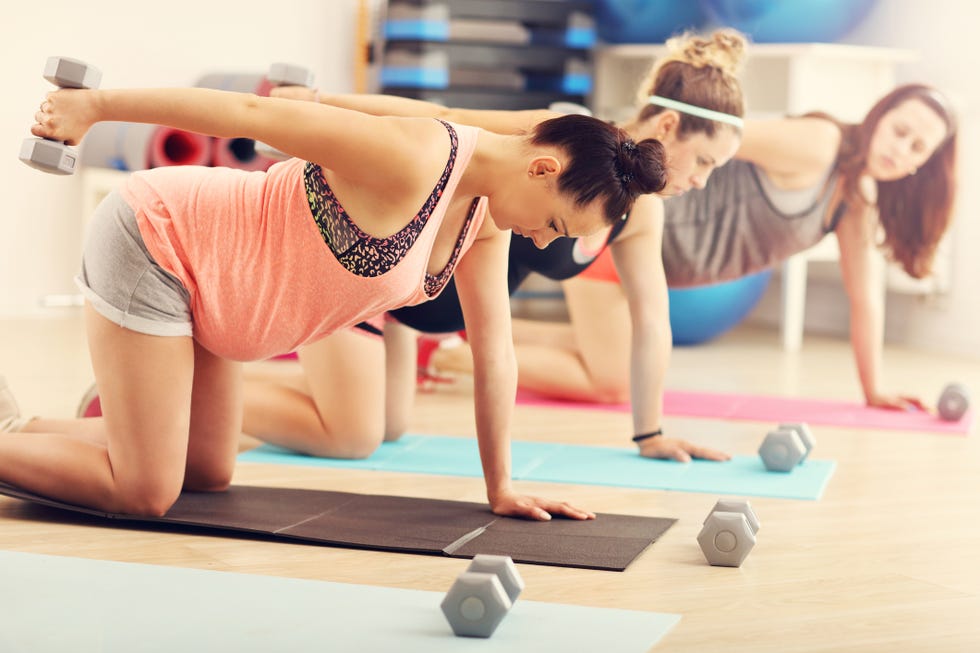
Credit: www.womenshealthmag.com
Safe Exercises For Pregnant Women
Exercise during pregnancy can feel daunting, but choosing safe workouts helps keep both you and your baby healthy. Staying active improves your mood, energy, and prepares your body for childbirth.
Understanding which exercises support your changing body is key. Let’s look at some safe options that protect your joints and avoid excess strain while delivering real benefits.
Low-impact Cardio
Low-impact cardio boosts your heart health without stressing your joints. Walking, swimming, and stationary cycling are gentle choices that keep your blood flowing.
Swimming is especially good because the water supports your weight, easing pressure on your back and pelvis. Have you noticed how much more comfortable exercising feels when you’re in water?
Try to get at least 150 minutes of moderate cardio a week. Break it up into sessions you enjoy, like a brisk 20-minute walk or a few laps in the pool.
Strength Training Tips
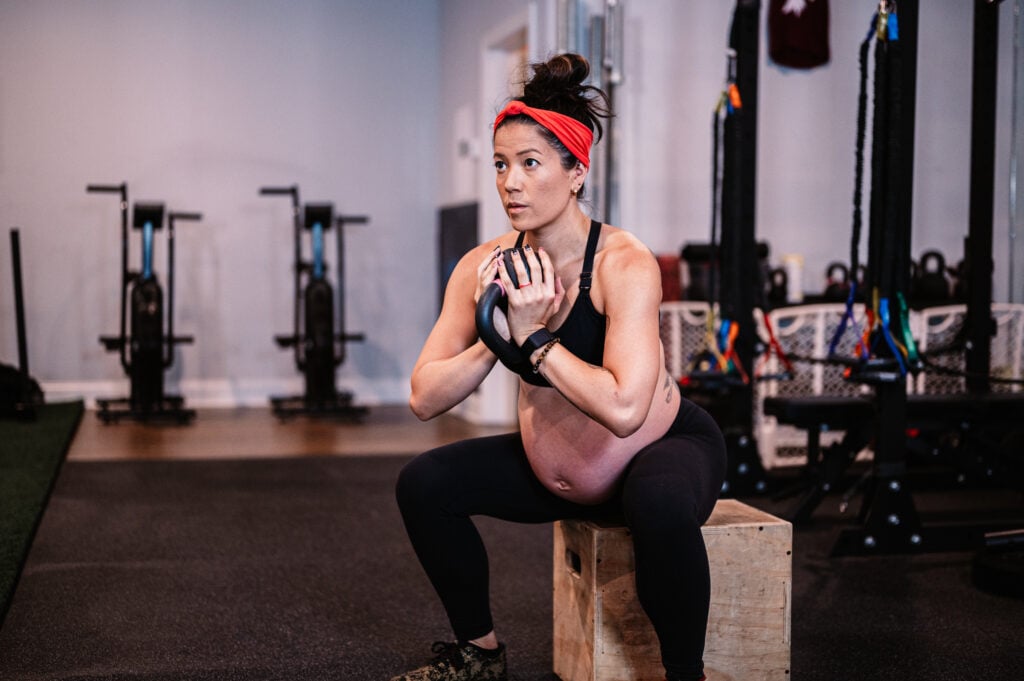
Strength training maintains muscle tone and supports your posture as your body changes. Use light weights or resistance bands instead of heavy lifting.
Focus on exercises that target your legs, arms, and core without holding your breath or straining. Squats, wall push-ups, and seated rows are effective and safe.
Remember to breathe steadily and avoid lying flat on your back after the first trimester. Have you tried using a stability ball? It adds gentle resistance and helps improve balance.
Flexibility And Stretching
Stretching relieves tension and improves mobility, which can reduce pregnancy discomfort. Gentle yoga poses or simple stretches for your back, hips, and legs work well.
Avoid deep twists or poses that compress your belly. Instead, focus on slow, controlled movements and hold stretches for 20-30 seconds.
Pay attention to your body’s signals. If a stretch feels painful or causes dizziness, stop immediately. How often do you take time to stretch during your day?
Exercises To Avoid While Pregnant
Knowing which exercises to avoid during pregnancy is just as important as knowing what you can safely do. Certain movements can put unnecessary stress on your body and affect your baby’s well-being. Being cautious helps you stay active without risking injury or discomfort.
High-impact Movements
High-impact exercises like running, jumping, or intense cardio can increase the risk of joint pain and balance issues as your body changes. Your ligaments become more relaxed due to pregnancy hormones, making you more prone to strains.
Ask yourself if the activity causes discomfort or leaves you breathless. Opt for lower-impact alternatives like walking, swimming, or stationary cycling to keep your heart healthy without the harsh impact.
Risky Core Workouts
Avoid exercises that put pressure on your abdomen, such as traditional crunches or sit-ups. These moves can strain your growing belly and contribute to diastasis recti, a common separation of abdominal muscles during pregnancy.
Instead, focus on gentle core strengthening exercises like pelvic tilts or modified planks. Protect your core by steering clear of twisting motions or deep abdominal contractions that might cause harm.
Heavy Weightlifting Concerns
Heavy lifting can increase intra-abdominal pressure and strain your pelvic floor, which is already under extra stress. Lifting weights that feel too heavy or cause you to hold your breath can lead to dizziness or injury.
Choose lighter weights and higher repetitions to maintain strength safely. Always prioritize controlled movements and avoid exercises that require you to lie flat on your back after the first trimester.
Adapting Workouts For Each Trimester
Adjusting your gym routine as your pregnancy progresses is essential for your safety and comfort. Each trimester brings different changes to your body, so your workouts need to reflect those shifts. Understanding how to tailor your exercises can help maintain strength, reduce discomfort, and prepare you for childbirth.
First Trimester Focus
During the first trimester, your body is adjusting to hormonal changes and early pregnancy symptoms like fatigue and nausea. Keep workouts moderate and avoid overexertion. Focus on building a foundation with gentle cardio, light strength training, and flexibility exercises.
Pay attention to how you feel during and after workouts. If you experience dizziness or cramping, reduce intensity or stop. This phase is about establishing habits rather than pushing limits.
Second Trimester Adjustments
The second trimester often brings more energy, making it a good time to maintain consistency. You can safely increase the intensity but avoid high-impact moves or exercises that strain your abdomen.
Modify exercises to accommodate your growing belly. For instance, switch from traditional crunches to pelvic tilts or seated core work. Balance exercises become important, so include moves like wall squats or supported lunges.
Third Trimester Modifications
As you enter the third trimester, your balance and stamina might decrease. Shift focus to gentle strength, stretching, and breathing exercises that prepare you for labor.
Avoid exercises that require lying flat on your back or heavy lifting. Instead, practice prenatal yoga poses, walking, or swimming. Listen to your body closely—rest when needed and keep movements slow and controlled.
Safety Tips For Gym Sessions
Exercising during pregnancy offers many benefits but requires special care. Safety is essential for both mother and baby during gym sessions. Following key tips helps prevent risks and keeps workouts effective and comfortable.
Proper Hydration And Nutrition
Drink plenty of water before, during, and after workouts. Staying hydrated reduces fatigue and supports body functions. Eat balanced meals with protein, healthy fats, and carbohydrates. Proper nutrition fuels your energy and aids muscle recovery. Avoid heavy meals right before exercise to prevent discomfort.
Listening To Your Body
Pay close attention to how you feel during workouts. Stop immediately if you experience pain, dizziness, or shortness of breath. Take breaks as needed and avoid pushing yourself too hard. Adjust intensity and exercises based on your comfort level. Rest is as important as activity for a healthy pregnancy.
Consulting Healthcare Providers
Talk with your doctor before starting any gym routine. Share your exercise plan and ask about any restrictions. Regular check-ups ensure you and your baby stay safe. Follow medical advice closely and report any unusual symptoms. Professional guidance helps create a workout plan tailored to your needs.
Credit: mamastefit.com
Recommended Gym Equipment For Pregnant Women
Choosing the right gym equipment during pregnancy can make a huge difference in how comfortable and effective your workouts feel. The goal is to stay active without putting too much strain on your body. Equipment that offers support, gentle resistance, and low impact is key to keeping both you and your baby safe.
Using Stability Balls
Stability balls are excellent for pregnant women because they help improve balance and strengthen core muscles without harsh impact. Sitting on a stability ball encourages good posture and eases lower back pain, a common issue during pregnancy.
You can perform simple exercises like pelvic tilts and gentle bouncing, which promote flexibility and circulation. Have you tried sitting on a stability ball while working at your desk or watching TV? It’s a small change that can help your body stay engaged throughout the day.
Resistance Bands Benefits
Resistance bands offer a versatile way to strengthen muscles with controlled tension. They’re lightweight and adjustable, making them perfect for varying fitness levels and stages of pregnancy.
Using resistance bands can help tone your arms, legs, and back without heavy lifting. They also allow for smooth, slow movements that reduce the risk of injury. Think about how much easier it is to carry your groceries when your muscles are strong—resistance bands can help you maintain that strength safely.
Treadmills And Ellipticals
Treadmills and ellipticals provide excellent cardio options with low impact on your joints. Walking or gently jogging on a treadmill lets you control your speed and incline, which helps you stay comfortable as your body changes.
Ellipticals offer a smooth, gliding motion that minimizes stress on knees and ankles. If you’ve ever felt joint discomfort during a walk, trying an elliptical might feel like a refreshing alternative. Always listen to your body and adjust the intensity to avoid overexertion.
Frequently Asked Questions
What Are Safe Gym Exercises During Pregnancy?
Safe gym exercises during pregnancy include walking, swimming, stationary cycling, and prenatal yoga. These activities improve fitness without straining the body. Always avoid heavy lifting and high-impact workouts. Consult your healthcare provider before starting any new exercise routine.
How Often Should Pregnant Women Exercise At The Gym?
Pregnant women should aim for 150 minutes of moderate exercise weekly. This can be divided into 30-minute sessions, five days a week. Consistency is key for health benefits. Always listen to your body and stop if you feel discomfort or pain.
Can Gym Workouts Help With Pregnancy Discomfort?
Yes, gym workouts can reduce pregnancy discomforts like back pain and swelling. Strengthening muscles and improving circulation help ease common symptoms. Low-impact exercises are particularly beneficial. Always perform exercises with proper form and avoid overexertion.
Is It Safe To Lift Weights While Pregnant?
Light to moderate weight lifting is generally safe during pregnancy. Avoid heavy lifting and straining. Focus on controlled movements and proper posture. Consult your doctor before lifting weights, especially if you have pregnancy complications.
Conclusion
Staying active during pregnancy helps keep both mother and baby healthy. Safe gym exercises build strength and improve mood. Always listen to your body and avoid pushing too hard. Consult your doctor before starting any new workout routine. Simple movements can bring big benefits.
Enjoy this special time while taking care of yourself. Small steps lead to a strong and happy pregnancy. Keep moving, stay safe, and feel good every day.







