
Are you tired of persistent back pain or looking to enhance your strength and posture? Gym machine back exercises might be the perfect solution for you.
Imagine walking into the gym and confidently using machines that target your back muscles, helping you achieve a stronger, pain-free life. You don’t need to be a fitness guru to get started. With the right guidance, these exercises can become a game-changer in your fitness routine.
Ready to discover how you can make the most out of your gym sessions and unlock a healthier, more robust you? Dive into the world of gym machine back exercises and feel the transformation.
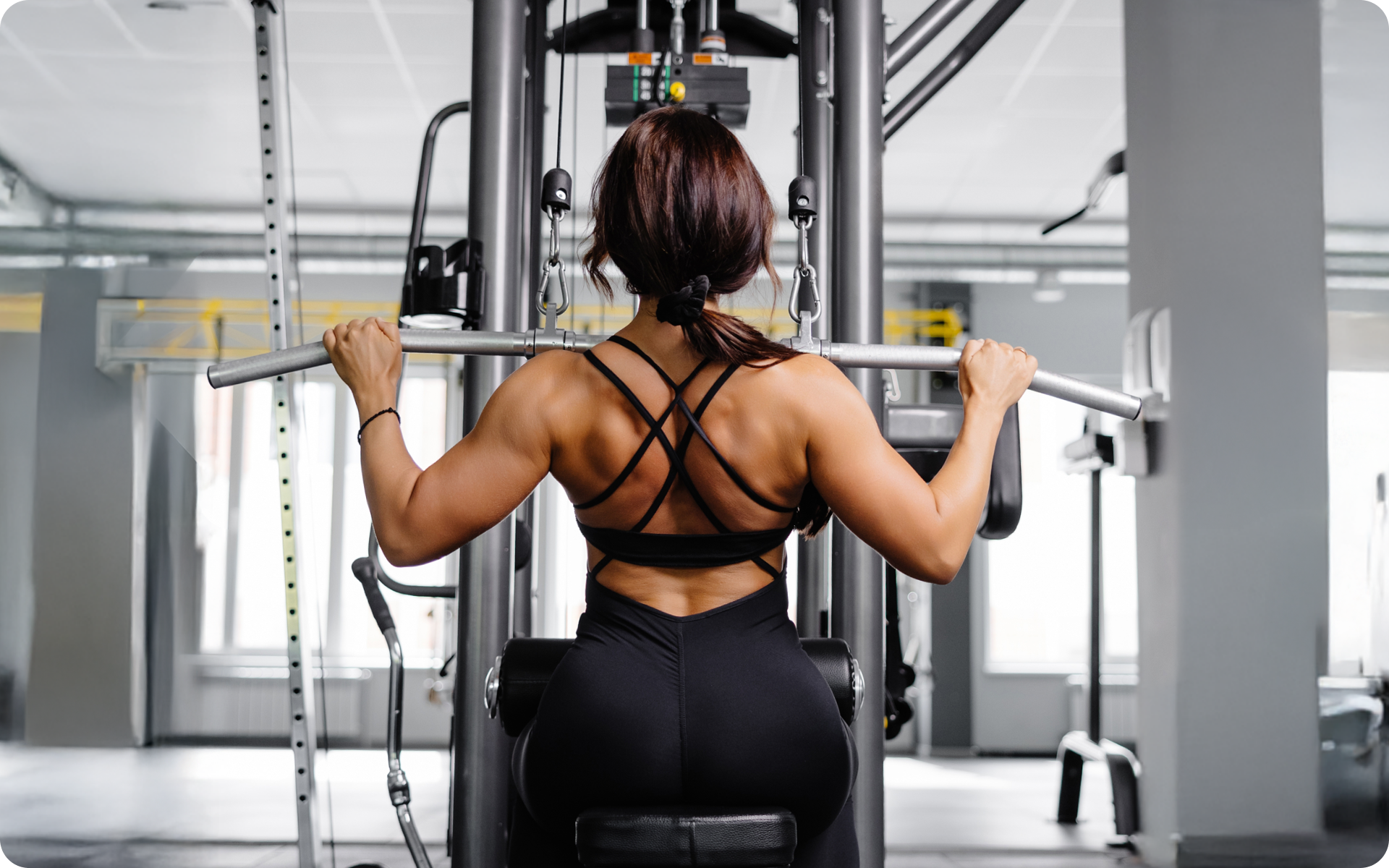
Credit: betterme.world
Benefits Of Gym Machine Back Exercises
Focusing on gym machine back exercises can transform your fitness routine and overall health. These exercises offer a controlled way to target specific muscles in your back, helping you build strength and improve posture. Understanding their benefits can motivate you to use these machines effectively and consistently.
Improved Muscle Isolation And Control
Gym machines allow you to isolate your back muscles with precision. Unlike free weights, machines guide your movement, reducing the risk of using other muscles to compensate. This control helps you focus on key areas like the lats, traps, and rhomboids, leading to better muscle development.
Enhanced Safety During Workouts
Using machines often feels safer, especially if you’re new to strength training. They provide stability and support, minimizing the chance of injury. Have you ever felt unsure about your form? Machines help you maintain correct posture, so you can lift with confidence.
Consistent Resistance For Balanced Strength
Machines offer consistent resistance throughout the exercise, which helps in building balanced strength. This steadiness prevents weak points in your back muscles from developing. If you want to avoid imbalances that cause discomfort or pain, these machines are a smart choice.
Time Efficiency And Convenience
Machine workouts are usually quicker because you don’t have to set up weights or worry about spotting. You can jump right in, making it easier to stick to your routine. Think about how much time you save when you don’t have to adjust equipment constantly.
Adaptability For All Fitness Levels
Whether you’re a beginner or an experienced lifter, gym machines adapt to your strength level. You can start light and gradually increase weight without feeling overwhelmed. This flexibility encourages steady progress and keeps you motivated to push your limits safely.

Credit: backmusclesolutions.com
Top Machines For Back Workouts
Back muscles support posture and help with daily movements. Strong back muscles reduce injury risk and improve overall fitness. Gym machines target different back areas effectively. These machines guide your movement, making workouts safer and easier to learn.
Using the right machines can build strength and muscle balance. Focus on controlled motions and proper form for best results. Here are the top machines for back workouts that fit well in any gym routine.
Lat Pulldown Machine
The lat pulldown machine targets the upper back, especially the latissimus dorsi. Sit with your knees under the pad and pull the bar down to your chest. This exercise improves width and strength in your back. Keep your movements slow and steady for better muscle engagement.
Seated Row Machine
The seated row machine works the middle back and rhomboid muscles. Sit with feet on the platform and pull the handles towards you. This exercise helps improve posture and pulls the shoulder blades together. Maintain a straight back to avoid strain and maximize benefits.
T-bar Row Machine
The T-bar row machine targets the middle and lower back muscles. Stand or sit and pull the bar towards your chest. This exercise builds thickness and strength in the back. Use controlled movements and avoid jerking to protect your spine.
Back Extension Machine
The back extension machine focuses on the lower back muscles. Position yourself with the pads on your thighs and bend at the waist. Raise your upper body slowly to strengthen the lower spine area. This exercise supports better posture and reduces back pain risks.
Proper Form And Technique
Proper form and technique are key to safe and effective back workouts on gym machines. Using the right posture and settings helps target muscles correctly. It also reduces the risk of injury. Focus on each movement to feel the right muscles working. Controlled, steady motions give better results than rushing through exercises.
Adjusting Machine Settings
Set the machine to fit your body size. Adjust the seat height so your feet rest flat on the floor. Your knees should be slightly bent. Make sure the handles or pads align with your shoulders or chest. Check the weight load before starting. Choose a weight that challenges you without straining. Proper settings keep your body stable and balanced during exercise.
Grip And Hand Position
Hold the handles firmly but not too tight. Your wrists should stay straight, not bent or twisted. Use a grip width that feels natural and comfortable. Different grips target muscles differently:
- Wide grip focuses more on upper back muscles.
- Narrow grip targets the middle back and arms.
Keep your hands steady and avoid jerky movements. This helps maintain control and improves muscle engagement.
Body Posture Tips
Keep your back straight and chest lifted throughout the exercise. Avoid rounding your shoulders forward. Engage your core muscles to support your spine. Sit firmly against the machine’s backrest if available. Keep your head aligned with your spine; do not lean forward or tilt up. Controlled breathing supports steady posture and energy. These posture tips enhance the workout’s effectiveness and protect your back.
Effective Back Workout Routines
Effective back workout routines help build strength and improve posture. Using gym machines targets specific muscles safely and efficiently. Different routines focus on strength, muscle growth, or a balance of both. Choose a routine that fits your goals and fitness level.
Strength Focused Routine
This routine targets the back muscles to increase power and endurance. Use heavier weights with fewer repetitions.
- Lat pulldown: 4 sets of 6-8 reps
- Seated row machine: 4 sets of 6-8 reps
- Back extension machine: 3 sets of 8 reps
- Assisted pull-ups: 3 sets of 6-8 reps
Rest for 90 seconds between sets for full recovery. Focus on controlled movements and proper form.
Muscle Growth Routine
This routine aims to increase the size of back muscles. Use moderate weights with higher repetitions to promote muscle growth.
- Lat pulldown: 3 sets of 10-12 reps
- Seated row machine: 3 sets of 10-12 reps
- Reverse fly machine: 3 sets of 12-15 reps
- Back extension machine: 3 sets of 12 reps
Rest for 60 seconds between sets. Maintain steady tempo to maximize muscle tension.
Combination Routine For Balance
This routine blends strength and muscle growth for overall back development. Use varied weights and repetitions.
| Exercise | Sets | Reps | Rest |
|---|---|---|---|
| Lat pulldown | 3 | 8-10 | 75 seconds |
| Seated row machine | 3 | 8-10 | 75 seconds |
| Reverse fly machine | 3 | 10-12 | 60 seconds |
| Back extension machine | 3 | 10-12 | 60 seconds |
Focus on good form and steady breathing. This routine builds strength and size evenly.
Common Mistakes To Avoid
Many people make mistakes while using gym machines for back exercises. These errors can reduce workout effectiveness and increase injury risk. Avoiding common mistakes helps you get better results safely. Focus on proper technique and body awareness every session.
Overloading Weight
Choosing too much weight causes poor form and strain. It limits muscle engagement and increases injury chances. Start with manageable weights and increase gradually. Control every movement instead of rushing through reps.
Improper Range Of Motion
Short or exaggerated motions reduce exercise benefits. Use a full range of motion to target muscles properly. Avoid jerky or incomplete movements. Smooth and steady actions improve muscle growth and joint health.
Neglecting Warm-up And Stretching
Skipping warm-up increases stiffness and injury risk. Spend 5-10 minutes warming up with light cardio or dynamic stretches. Stretch muscles gently to improve flexibility and blood flow. Prepare your body before using gym machines for back exercises.
Progress Tracking And Adjustments
Tracking progress is key to improving your back workouts on gym machines. It helps you see gains and know when to change your routine. Adjustments keep your muscles challenged and prevent plateaus. Careful tracking avoids injuries and promotes steady growth.
Setting Realistic Goals
Start with clear, simple targets. Focus on small improvements, like adding a few pounds or more reps. Goals should match your current fitness level. Realistic goals keep motivation high and reduce frustration.
Increasing Intensity Safely
Raise the weight or reps gradually. Avoid big jumps in intensity to protect your muscles. Use proper form at all times. Rest between sets to let your muscles recover. Listen to your body and stop if you feel sharp pain.
Monitoring Muscle Fatigue
Pay attention to how your muscles feel during and after workouts. Fatigue means your muscles are working but don’t push through extreme soreness. Track soreness levels and adjust rest days if needed. Proper recovery helps muscles grow stronger.
Supplementary Tips For Back Growth
Growing a strong, defined back goes beyond just hitting the gym machines. Your progress depends on a mix of smart training, good nutrition, and enough rest. These supplementary tips will help you maximize back muscle growth and avoid common pitfalls.
Nutrition For Muscle Repair
Your back muscles need fuel to repair and grow after workouts. Focus on eating enough protein, such as chicken, fish, eggs, or plant-based sources like lentils and tofu. Protein provides the building blocks your muscles need to recover stronger.
Don’t forget carbs and healthy fats—they supply energy and support hormone production, both crucial for muscle growth. Try to eat a balanced meal within an hour after your workout to kickstart recovery. Have you tracked how your meals affect your workout results?
Rest And Recovery
Muscles don’t grow while you’re working out—they grow when you rest. Aim for at least 7-8 hours of sleep each night to allow your body to repair damaged muscle fibers. Skipping rest can stall your progress and increase injury risk.
Also, give your back muscles time to recover between sessions. Overtraining can lead to fatigue and poor form. Have you noticed how your strength improves after a good rest day?
Incorporating Free Weight Exercises
Machine exercises are great for isolating muscles, but free weights add variety and challenge your stabilizer muscles. Movements like bent-over rows, deadlifts, and pull-ups activate more muscle fibers and improve overall back strength.
Using free weights also helps you develop better balance and coordination. If you’ve only used machines so far, try adding a few free weight exercises to your routine and see how your back responds.

Credit: powerliftingtechnique.com
Frequently Asked Questions
What Are The Best Gym Machines For Back Exercises?
The best gym machines for back exercises include the lat pulldown, seated row, and cable row machines. These target key back muscles effectively and promote strength and posture.
How Do Gym Machines Improve Back Muscle Strength?
Gym machines guide proper form and isolate back muscles. They allow controlled resistance, which helps build strength safely and efficiently over time.
Can Gym Machines Reduce Back Pain?
Yes, gym machines can reduce back pain by strengthening support muscles. Consistent use improves posture and decreases strain on the spine.
How Often Should I Do Back Exercises On Gym Machines?
Perform back exercises 2-3 times per week with rest days in between. This frequency supports muscle growth and prevents overtraining.
Conclusion
Gym machine back exercises build strength and improve posture. They help prevent injuries and reduce back pain. Using machines guides your movement and keeps form correct. Start with light weights and increase slowly for best results. Consistency matters more than heavy lifting.
Combine these exercises with a healthy diet and rest. Your back will feel stronger and more flexible over time. Keep practicing regularly to see steady progress. A strong back supports your whole body every day. Simple steps lead to lasting benefits.







