
Are you ready to build stronger, more powerful legs that support every move you make? Whether you want to boost your athletic performance, improve your balance, or simply feel more confident in your body, the right gym leg exercises can make all the difference.
You’ll discover simple yet effective workouts designed to transform your legs. Stick with me, and by the end, you’ll know exactly how to sculpt your lower body for strength, endurance, and style. Let’s get started!

Credit: www.womenshealthmag.com
Benefits Of Strong Legs
Strong legs offer numerous benefits to your overall fitness and health. They provide a solid foundation for daily activities and physical exercises. Building robust leg muscles can enhance various aspects of your life.
Improved Athletic Performance
Strong legs boost your athletic abilities. They help you run faster and jump higher. Enhanced leg strength contributes to better performance in sports. Whether playing soccer or basketball, strong legs give you an edge.
Enhanced Mobility And Balance
Leg strength improves mobility and balance. This is crucial for daily tasks like walking and climbing stairs. Strong legs help maintain stability, reducing the risk of falls. They ensure you move with ease and confidence.
Injury Prevention
Strong legs play a key role in injury prevention. They provide support to joints and ligaments. This reduces the risk of strains and sprains. A well-developed leg musculature protects against common injuries.
Key Muscle Groups In Legs
Leg muscles work together to support movement and strength. Knowing these key muscle groups helps you target exercises better. Strong legs improve balance, power, and endurance.
Quadriceps
The quadriceps are the large muscles at the front of your thigh. They help you straighten your knee and lift your leg. Squats, lunges, and leg presses mainly work these muscles.
Hamstrings
The hamstrings are at the back of your thigh. They bend your knee and move your hip backward. Exercises like deadlifts and leg curls focus on these muscles.
Glutes
The glutes are your butt muscles. They help you stand, walk, and climb stairs. Hip thrusts, squats, and step-ups engage the glutes effectively.
Calves
Calves are the muscles at the back of your lower leg. They lift your heels and help you run or jump. Calf raises and jumping exercises strengthen these muscles.
Essential Gym Leg Exercises
Strong legs support overall fitness and daily movement. Essential gym leg exercises build muscle, strength, and endurance. They target key muscle groups including quads, hamstrings, glutes, and calves. Regular training improves balance and helps prevent injury.
These exercises suit all fitness levels. Start with basic moves, then increase weight or reps for progress. Focus on form and control for the best results.
Squats Variations
Squats are the foundation of leg training. They work the thighs, hips, and buttocks. Try different types:
- Bodyweight squats for beginners
- Barbell back squats for strength
- Goblet squats using a dumbbell or kettlebell
- Sumo squats to target inner thighs
Squats improve core stability and increase lower body power.
Lunges And Step-ups
Lunges develop balance and unilateral leg strength. Step-ups mimic natural climbing motions. Both target quads and glutes. Variations include:
- Forward lunges
- Reverse lunges
- Walking lunges
- Step-ups on a bench or box
These moves improve coordination and help fix muscle imbalances.
Deadlifts
Deadlifts build the hamstrings, glutes, and lower back. They improve hip hinge mechanics. Types include:
- Conventional deadlifts
- Romanian deadlifts
- Sumo deadlifts
Deadlifts strengthen the posterior chain and boost overall power.
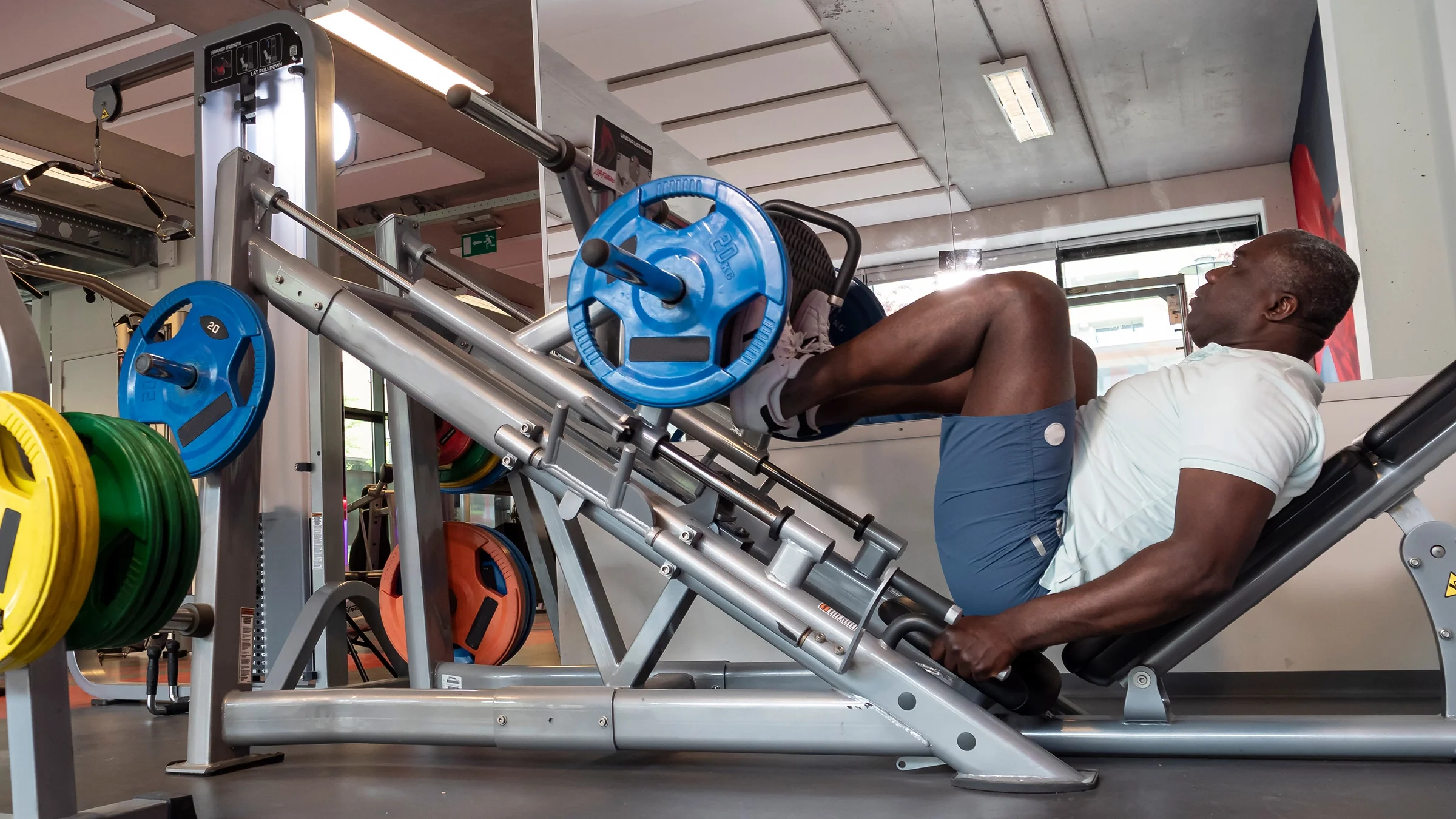
Leg Press
The leg press machine isolates leg muscles safely. It targets quads, hamstrings, and glutes. Adjust foot position to change muscle focus. Benefits include:
- Controlled movement
- High resistance options
- Good for beginners and advanced lifters
This exercise complements free-weight training well.
Calf Raises
Calf raises strengthen the lower leg muscles. They improve ankle stability and jump performance. Do them on a step or flat surface. Variations include:
- Standing calf raises
- Seated calf raises
- Single-leg calf raises
Strong calves help with running, walking, and balance.
Credit: www.goodrx.com
Exercise Techniques For Maximum Results
Exercise techniques play a vital role in building strong, well-shaped legs. Using correct methods helps target muscles better and reduces injury risk. Small changes in form, breathing, and tempo create significant gains in strength and endurance.
Proper Form And Posture
Maintaining proper form ensures the right muscles work during exercises. Keep your back straight and chest up to protect your spine. Align your knees with your toes to avoid joint strain. Engage your core for better balance and power.
Use controlled movements rather than rushing through reps. Focus on full range of motion to stimulate muscle growth. Always warm up before lifting heavy weights.
Breathing And Tempo
Breathing correctly improves oxygen flow and muscle performance. Inhale deeply during the easier part of the exercise. Exhale forcefully when pushing or lifting the weight. This stabilizes your body and increases strength.
Adjust your tempo to maximize muscle tension. Slow down the lowering phase to increase muscle activation. Pause briefly at the bottom or top of the movement for extra control.
Common Mistakes To Avoid
- Rounding your back during squats or lunges
- Letting knees collapse inward
- Using momentum instead of muscle power
- Holding breath throughout the exercise
- Performing shallow reps without full range
- Ignoring pain or discomfort signals
Correct these errors to improve results and avoid injuries. Focus on quality over quantity for lasting progress.
Designing A Balanced Leg Workout
Designing a balanced leg workout means targeting all major muscles in your legs. This includes quads, hamstrings, glutes, and calves. A good plan helps build strength, improve tone, and prevent injury. Focus on variety and proper recovery for best results.
Reps And Sets For Strength
To build leg strength, use heavier weights with fewer reps. Aim for 3 to 5 sets of 4 to 6 repetitions. Rest longer between sets to recover fully. This approach increases muscle power and size over time.
Reps And Sets For Toning
For toned legs, choose lighter weights with more reps. Perform 2 to 4 sets of 12 to 15 repetitions. Keep rest periods shorter to keep muscles engaged. This method improves muscle definition and endurance.
Rest And Recovery
Rest is vital to let muscles repair and grow. Allow at least 48 hours between intense leg workouts. Use gentle stretching or light activity on rest days. Proper recovery reduces soreness and keeps progress steady.
Incorporating Equipment And Accessories
Incorporating equipment and accessories into leg workouts boosts strength and variety. These tools help target muscles more effectively and improve workout results. Using different equipment allows you to challenge your legs in new ways.
Using Barbells And Dumbbells
Barbells and dumbbells add weight to leg exercises. They increase resistance, making muscles work harder. Squats, lunges, and deadlifts become more effective with added weight. Free weights also improve balance and coordination. Start with lighter weights and increase slowly to avoid injury.
Resistance Bands
Resistance bands are versatile and portable. They create tension throughout the movement, activating muscles differently. Bands help improve muscle endurance and stability. Use them for leg presses, side steps, and glute bridges. They are great for warming up or adding extra resistance to bodyweight exercises.
Machines And Cables
Machines and cables guide your movement, reducing injury risk. Leg press, leg curl, and leg extension machines isolate specific muscles. Cable machines allow for controlled, smooth resistance in various directions. This equipment suits beginners and those recovering from injury. Adjust weight and speed to match your fitness level.
Nutrition Tips For Leg Muscle Growth
Building strong legs at the gym isn’t just about lifting heavy or pushing through tough workouts. What you eat plays a crucial role in how your leg muscles grow and recover. Paying attention to your nutrition can speed up gains and keep you feeling energized for your next session.
Protein Intake
Your leg muscles need protein to repair and grow after intense workouts. Aim to include a good source of protein in every meal, such as chicken, fish, eggs, or plant-based options like beans and tofu.
Try to consume around 1.6 to 2.2 grams of protein per kilogram of your body weight daily. Spreading this intake evenly across meals helps your body absorb and use protein more efficiently.
Hydration
Muscle function and recovery depend heavily on staying hydrated. Water helps transport nutrients to your muscles and removes waste products created during exercise.
Drinking enough water before, during, and after your leg workouts can reduce fatigue and improve performance. If you sweat a lot, consider beverages with electrolytes to maintain balance.
Supplements
Supplements can support your leg muscle growth but shouldn’t replace whole foods. Creatine is one of the most researched supplements known to boost strength and muscle size.
Another helpful option is branched-chain amino acids (BCAAs), which may reduce muscle soreness and speed recovery. However, focus on your overall diet first before adding supplements to your routine.
Tracking Progress And Staying Motivated
Tracking progress and staying motivated are key to making real gains with your gym leg exercises. Without clear markers of improvement, it’s easy to lose focus or feel stuck. Monitoring your journey not only shows how far you’ve come but also keeps you driven to push harder.
Measuring Strength Gains
Keep a simple workout log to track the weights and reps you complete each session. Note any increases in the load or the number of repetitions you can perform. Seeing these numbers climb over time is a powerful motivator.
Try testing your one-rep max on key leg exercises like squats or deadlifts every few weeks. This gives a concrete measure of your strength progress. Have you ever surprised yourself by lifting more than you expected?
Visual Changes
Photos are an easy way to track muscle growth and definition. Take pictures from multiple angles every month under consistent lighting. Comparing these images helps you notice subtle improvements that the mirror might miss day to day.
Sometimes the scale doesn’t reflect your hard work because muscle weighs more than fat. Are you focusing more on how your legs look and feel rather than just the numbers on the scale?
Setting Realistic Goals
Break down your ultimate leg strength or size goals into smaller, achievable milestones. Set clear targets like adding 10 pounds to your squat or completing three more reps in a set. This keeps your motivation steady and your progress measurable.
Write your goals down and revisit them regularly. Adjust them based on your current progress and how your body feels. What small goal can you aim for this week to keep your momentum alive?

Credit: www.strengthlog.com
Frequently Asked Questions
What Are The Best Gym Leg Exercises For Beginners?
Squats, lunges, and leg presses are great for beginners. They build strength and improve balance effectively. Start with light weights and focus on form to avoid injury.
How Often Should I Do Leg Workouts At The Gym?
Aim for 2 to 3 leg workouts per week. Allow at least 48 hours of rest between sessions. This helps muscles recover and grow stronger without overtraining.
Can Gym Leg Exercises Help With Overall Body Strength?
Yes, leg workouts improve core stability and boost overall strength. Strong legs support better posture and enhance performance in other exercises. They also increase calorie burn and endurance.
What Equipment Is Essential For Gym Leg Exercises?
Essential equipment includes barbells, dumbbells, leg press machines, and resistance bands. These tools help target different leg muscles effectively. Using varied equipment prevents workout monotony and promotes balanced muscle growth.
Conclusion
Strong legs build a solid foundation for your whole body. Regular gym leg exercises help improve strength and balance. Start with simple moves and increase weight slowly. Consistency is key to seeing real progress over time. Remember to rest and eat well to support muscle growth.
Enjoy the process and stay patient. Your legs will thank you with better performance and less injury. Keep pushing forward, one step at a time.







