
Are you ready to take your leg workouts to the next level? Having the right gym leg workout equipment can make all the difference in building strength, boosting endurance, and shaping your legs the way you want.
Whether you’re a beginner or a seasoned athlete, the tools you use can help you push harder and see faster results. Keep reading to discover which equipment will power your leg day and help you reach your fitness goals more effectively.
Your strongest legs are just a few steps away!
Benefits Of Leg Workouts
Leg workouts bring more than just stronger muscles; they improve your overall health and performance. Focusing on your legs can boost endurance, balance, and metabolism. Have you noticed how powerful leg days impact your energy throughout the week?
Improved Muscle Strength And Endurance
Leg workouts target large muscle groups like the quadriceps, hamstrings, and calves. Using gym leg workout equipment helps you build strength efficiently. Stronger legs support daily activities and reduce fatigue during prolonged standing or walking.
Think about how climbing stairs feels easier after a few sessions with leg press machines or hamstring curls. This increase in muscle endurance can enhance your performance in other workouts and sports.
Enhanced Balance And Stability
Working on your legs improves your balance by strengthening stabilizing muscles. Equipment like balance boards or leg extension machines helps you focus on these smaller, crucial muscles. Better balance lowers your risk of falls and injuries.
Have you ever tried standing on one leg during a workout? It’s a simple test that shows how leg strength affects your stability every day.
Boosted Metabolism And Fat Burning
Leg exercises engage large muscle groups, which demand more energy and burn more calories. Using machines like the squat rack or leg press can increase your metabolism. This helps you burn fat even after your workout ends.
Adding leg workouts to your routine can make a noticeable difference in weight management. How often do you prioritize leg day for this reason?
Better Posture And Reduced Lower Back Pain
Strong legs support your spine and pelvis, improving your posture. Gym equipment such as deadlift platforms and leg curl machines can build muscles that stabilize your lower back. This reduces strain and discomfort in everyday movements.
Have you experienced relief in back pain after strengthening your legs? Many people find that leg workouts contribute to a healthier back.
Increased Athletic Performance
Leg power is essential for jumping, sprinting, and quick directional changes. Using gym leg workout equipment helps develop explosive strength and agility. This translates to better performance in sports and physical activities.
Do you want to run faster or jump higher? Focusing on leg workouts can get you there faster than you might expect.
Credit: www.target.com
Types Of Leg Workout Equipment
Choosing the right leg workout equipment can make a huge difference in your progress and motivation. Each type targets your muscles differently and fits various workout styles. Knowing what’s available helps you pick tools that match your goals and keep your workouts fresh.
Free Weights
Free weights like dumbbells and barbells give you the freedom to move naturally. They engage more muscles because you have to balance and control the weight yourself.
Squats, lunges, and deadlifts with free weights are great for building strength and stability. Have you noticed how your core tightens when using dumbbells? That’s your body working harder to stay balanced.
Machines
Machines guide your movement and often provide adjustable resistance. They’re perfect if you want to focus on specific muscles without worrying about balance.
Leg press and leg extension machines isolate muscles like your quads and hamstrings effectively. If you’re recovering from an injury, machines can help you train safely and steadily.
Resistance Bands
Resistance bands add variable tension during exercises, which challenges your muscles differently than weights. They’re lightweight and portable, letting you work out anywhere.
Using bands for leg workouts like side steps or glute bridges can improve muscle activation and flexibility. Have you tried adding bands to your routine to break through a plateau?
Popular Free Weights
Popular free weights are a cornerstone for any effective leg workout. They give you control over your movement, challenge your muscles differently than machines, and help build strength and balance simultaneously.
Choosing the right type of free weight can shape how you target your leg muscles. Let’s look at some favorites you can easily add to your gym routine.
Dumbbells
Dumbbells are incredibly versatile and easy to use. You can perform exercises like goblet squats, lunges, and calf raises with them.
One tip: start with lighter weights to perfect your form before increasing the load. Holding a dumbbell in each hand forces your legs to stabilize and balance, which helps improve muscle coordination.
Barbells
Barbells allow you to lift heavier weights, making them ideal for building serious leg strength. Squats and deadlifts with a barbell target multiple leg muscles at once.
When I added barbell squats to my workout, I noticed my leg power and size increased noticeably. Just be sure to use proper technique and consider a spotter for safety.
Kettlebells
Kettlebells bring a dynamic element to leg workouts. Swings, sumo deadlifts, and goblet squats with kettlebells improve both strength and explosive power.
They challenge your grip and core too, which can enhance your overall workout efficiency. Have you tried kettlebell swings? They’re a simple way to boost your leg endurance and cardio at the same time.
Credit: www.aosom.com
Effective Machines For Leg Workouts
Using the right machines can make your leg workouts more effective and safer. These machines help target specific muscles and provide controlled movements. If you want to build strength and tone your legs, understanding how each machine works can guide your routine.
Leg Press Machine
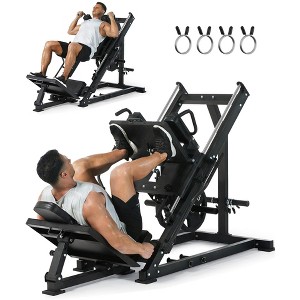
The leg press machine lets you push heavy weights with your legs while keeping your back supported. It targets your quadriceps, hamstrings, and glutes all at once. I found that adjusting your foot placement changes which muscles work harder—placing your feet higher targets your glutes more, while lower placement emphasizes your quads.
Are you focusing on building strength or endurance? Adjust the weight and reps accordingly. The controlled motion also reduces injury risk compared to free weights.
Smith Machine
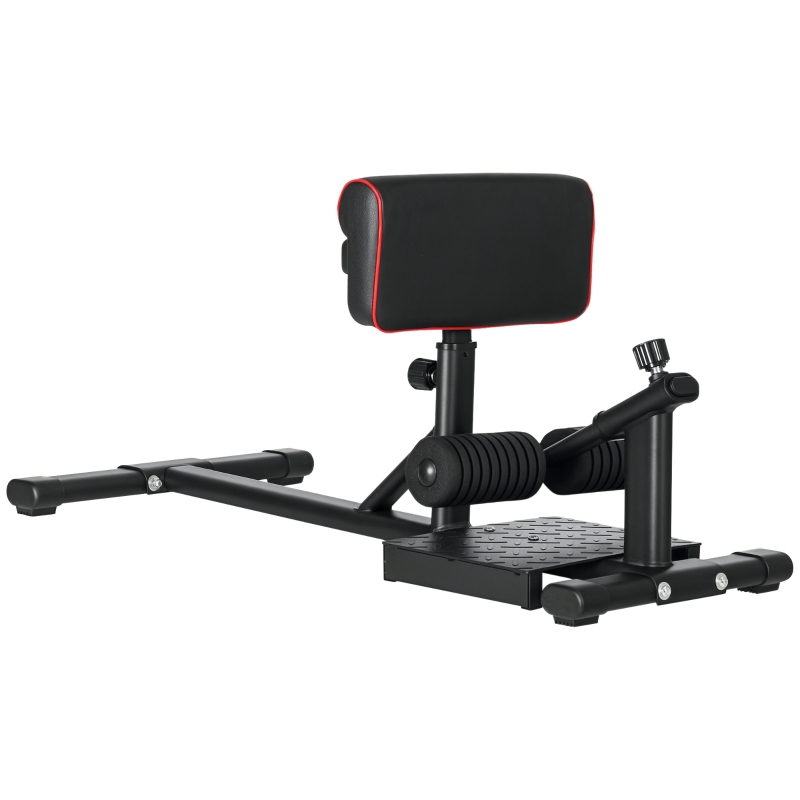
The Smith machine guides a barbell on fixed tracks, helping you perform squats with more stability. It’s especially useful if you’re new to squatting or working out alone. I noticed it gave me confidence to push heavier weights without worrying about balance.
You can adjust your stance to target different parts of your legs. For example, a wider stance works the inner thighs more. Think about what feels most challenging yet safe for you.
Leg Curl And Extension Machines
Leg curl and extension machines isolate your hamstrings and quadriceps, respectively. They’re perfect for focusing on muscle imbalances or recovery after injury. When I added these machines to my routine, I saw quicker improvements in muscle definition.
Start with lighter weights to learn the correct form before increasing resistance. These machines also let you control the speed of each rep, which can boost muscle engagement.
Benefits Of Resistance Bands
Resistance bands have become a popular choice for gym leg workouts, and for good reason. They offer versatility, convenience, and effectiveness that can transform your training routine. Using resistance bands can help you build strength, improve flexibility, and add variety without the need for bulky equipment.
Improved Muscle Activation
Resistance bands challenge your muscles differently than traditional weights. They provide constant tension throughout the movement, which means your muscles stay engaged longer. This can lead to better muscle activation and growth, especially in your legs and glutes.
Portable And Space-saving
One of the best things about resistance bands is their size. You can carry them anywhere, whether it’s the gym, home, or even outdoors. This makes it easy to keep up with your leg workouts without worrying about space or heavy equipment.
Adjustable Resistance Levels
Resistance bands come in different thicknesses and strengths. You can easily adjust the intensity by switching bands or changing the length. This flexibility lets you tailor your workout as you get stronger or focus on specific leg muscles.
Reduced Risk Of Injury
Because resistance bands provide controlled resistance, they put less strain on your joints compared to heavy weights. This makes them a safer option for people recovering from injuries or those looking to avoid joint pain. Have you ever noticed how much smoother your movement feels using bands?
Enhances Functional Strength
Resistance bands mimic natural movement patterns, helping you build functional strength. This means your leg muscles work in ways that improve real-life activities like running, jumping, and climbing stairs. How often do your workouts prepare you for everyday challenges?
Incorporating Bodyweight Exercises
Bodyweight exercises are powerful tools for a leg workout that you can do anywhere, even without equipment. They help build strength, improve balance, and increase endurance without the need for machines or weights. Adding these moves to your routine can bring variety and challenge your muscles in new ways.
Squats
Squats target your quads, hamstrings, glutes, and core all at once. You can adjust the difficulty by changing your stance or adding a jump. Have you tried holding a squat position for time? It forces your muscles to engage deeply and builds endurance.
Try these tips for better squats:
- Keep your chest up and back straight.
- Push through your heels as you rise.
- Go as low as your flexibility allows without pain.
Lunges
Lunges are fantastic for working one leg at a time, helping fix muscle imbalances. They challenge your balance and coordination, making your leg muscles work harder. If you want to intensify the movement, try walking lunges or add a twist at the bottom for your core.
To get the most from lunges:
- Step forward far enough so your knee stays above your ankle.
- Keep your torso upright throughout the movement.
- Alternate legs or focus on one side to build strength evenly.
Calf Raises
Calf raises strengthen the muscles that lift your heels and stabilize your ankles. They are simple but often overlooked, yet critical for balance and power in your legs. Do you notice how much your calves get tired after a long walk? Regular calf raises can help improve that endurance.
Ways to boost calf raises include:
- Performing them on a step to increase the range of motion.
- Holding the top position for a few seconds before lowering.
- Adding pulses at the peak of the raise for extra burn.
Safety Tips For Leg Workouts
Leg workouts can be intense, especially when using gym equipment designed to target large muscle groups. Safety should never be overlooked, as improper use can lead to injuries that set back your progress. Paying attention to key safety tips helps you maximize your workout while protecting your joints, muscles, and ligaments.
Proper Warm-up And Stretching
Before jumping on any leg workout machine, take time to warm up your muscles. Light cardio or dynamic stretches activate blood flow and prepare your legs for heavier loads.
Stretching after your workout also helps prevent stiffness and maintain flexibility. Don’t skip this step; it reduces the risk of strains during your next session.
Correct Equipment Setup
Adjust machines to fit your body size and limb length. Incorrect settings can cause awkward movements and unnecessary pressure on your joints.
For example, when using a leg press, ensure your feet are positioned correctly to avoid knee strain. Take a moment to check settings before each use.
Use Controlled Movements
Fast, jerky motions increase the chance of injury. Focus on slow, steady reps that engage muscles fully.
This approach not only protects your knees and hips but also improves muscle activation. Ask yourself if you can maintain control throughout each set.
Start With Manageable Weights
It’s tempting to push heavy weights, but starting too heavy risks muscle tears and joint damage. Begin with lighter weights and increase gradually as your strength improves.
Pay attention to how your body feels during and after workouts to avoid overtraining. Are you able to complete reps without sacrificing form?
Maintain Proper Footwear And Grip
Wearing supportive shoes with good traction prevents slips and improves stability during leg exercises. Avoid running shoes that are too soft or worn out.
Grip also matters—use handles or straps provided to maintain balance and reduce the chance of falling or twisting your leg unexpectedly.
Listen To Your Body
Sharp pain or discomfort is a clear warning sign to stop. Don’t ignore unusual sensations during leg workouts.
Taking breaks or consulting a trainer can help correct form or adjust your routine. Are you confident that your current workout feels safe and effective?

Credit: gmwdfitness.com
Building A Balanced Leg Routine
Building a balanced leg routine is essential for strong, healthy legs. It helps prevent injuries and improves overall fitness. Using the right gym leg workout equipment can target all major leg muscles.
A balanced routine works on the quadriceps, hamstrings, glutes, and calves. Each muscle group needs attention for even strength and shape. Variety in exercises keeps workouts effective and interesting.
Choosing Equipment For Quadriceps Development
The leg press machine is great for quadriceps. It allows controlled movement and adjustable weight. Leg extension machines isolate the quads for focused strength.
Targeting Hamstrings With Proper Tools
Hamstring curls on a dedicated machine help build these muscles. Stability balls and resistance bands also work well for hamstring exercises. These tools increase muscle flexibility and strength.
Incorporating Glute-focused Equipment
Hip thrust machines and cable machines target the glutes effectively. Step platforms and resistance bands add variety and challenge. Strong glutes improve balance and power.
Strengthening Calves With Simple Machines
Calf raise machines provide focused calf workouts. Free weights and bodyweight exercises complement machine use. Regular calf training improves ankle stability and endurance.
Balancing Workouts With Free Weights And Machines
Free weights offer natural movement and muscle engagement. Machines guide motion and reduce injury risk. Combining both types ensures balanced muscle development.
Frequently Asked Questions
What Is The Best Gym Leg Workout Equipment?
The best gym leg workout equipment includes leg press machines, squat racks, leg curl machines, and calf raise machines. These target major leg muscles efficiently and improve strength and endurance.
How Do Leg Press Machines Benefit Leg Workouts?
Leg press machines focus on quads, hamstrings, and glutes. They allow controlled movement, reduce injury risk, and build leg strength safely, ideal for all fitness levels.
Can I Build Muscle With Home Leg Workout Equipment?
Yes, home leg workout equipment like resistance bands, dumbbells, and adjustable benches can effectively build leg muscle. Consistency and proper technique are key for results.
What Equipment Targets Hamstrings In Leg Workouts?
Leg curl machines and Romanian deadlift bars are best for hamstrings. They isolate and strengthen these muscles, improving balance and overall leg power.
Conclusion
Choosing the right gym leg workout equipment helps you train better. It builds strength, endurance, and muscle tone in your legs. Using various machines and tools keeps workouts interesting and effective. Start with simple equipment and add more as you progress.
Consistency and proper form matter most for good results. Your leg workouts can become more fun and productive this way. Keep moving forward, and enjoy the benefits of stronger legs.







