
Are you ready to take your running to the next level? Adding the right gym exercises to your routine can boost your speed, improve your endurance, and help prevent injuries.
Whether you’re a beginner or a seasoned runner, focusing on strength and stability will make every step easier and more powerful. You’ll discover simple and effective gym exercises designed specifically for runners like you. Keep reading to find out how to build a stronger, faster, and more resilient body that supports every mile you run.
Benefits Of Gym Workouts For Runners
Gym exercises build strength and improve endurance for runners. They help prevent injuries and enhance overall running performance. Strengthening muscles supports better speed and stamina during runs.
Engaging in gym workouts can offer numerous advantages to runners. It’s easy to think that all you need is more miles, but gym exercises can be a game-changer. They help you run stronger, faster, and more efficiently, offering benefits that go beyond pounding the pavement.Enhancing Muscle Strength
Strength training is crucial for runners. It builds the muscle power necessary to propel you forward with greater ease. Have you ever noticed how elite runners seem to glide effortlessly? That’s strength at work. Incorporating exercises like squats and lunges can provide the muscular foundation for improved performance.Improving Running Endurance
Endurance isn’t just about running longer distances. Gym workouts help increase your stamina, allowing you to run longer without fatigue. Exercises that target your core and lower body, such as planks and leg presses, enhance your ability to maintain a steady pace. Do you want to tackle that next marathon without hitting the wall? Strengthen your endurance with focused gym sessions.Preventing Injuries
Injuries are the nemesis of runners. By strengthening muscles around key joints, gym workouts help protect you from common injuries like shin splints and runner’s knee. Functional movements and balance exercises contribute to better alignment and stability. Ever wondered how some runners stay injury-free season after season? A consistent gym routine might be their secret.Boosting Overall Performance
Want to shave minutes off your personal best? Gym workouts can give you the edge. They enhance not just speed and endurance, but also agility and coordination. Adding interval training or plyometrics can significantly boost your running performance. Imagine crossing the finish line with a new personal record. Gym workouts might just be the missing piece in your training puzzle. Incorporating gym exercises into your routine can transform your running experience. What gym workout will you try first to enhance your next run?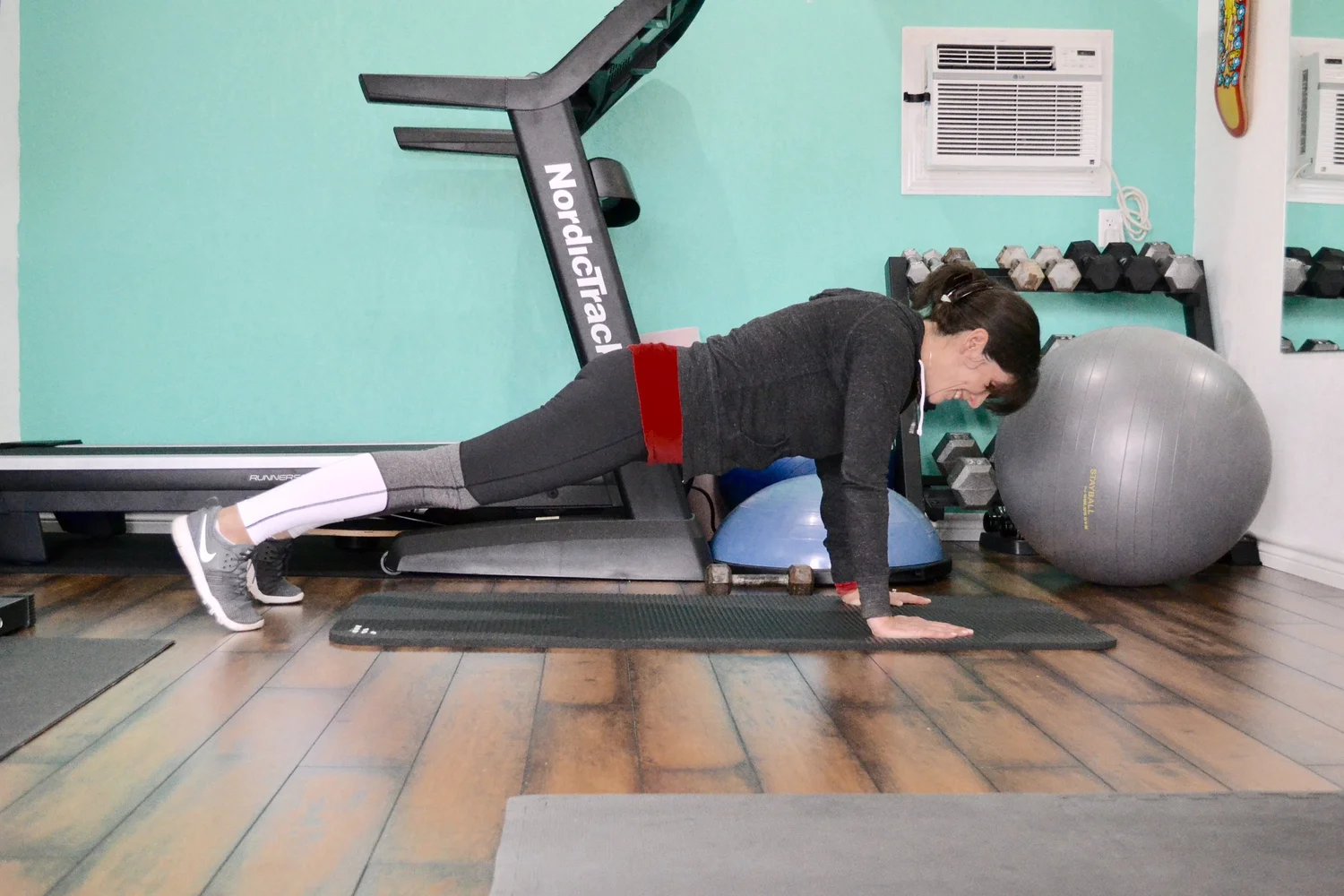
Credit: www.leagendersfitness.com
Key Muscle Groups To Target
Targeting the right muscle groups in the gym can make a huge difference in your running performance. Strengthening specific muscles helps improve endurance, speed, and injury prevention. Knowing which areas to focus on allows you to train smarter and see better results.
Core Muscles
Your core is the foundation for every stride you take. Strong abdominal and lower back muscles keep your body stable and aligned, reducing wasted energy during runs.
Planks, Russian twists, and leg raises are excellent exercises to build a resilient core. Have you noticed how a weak core can cause you to tire faster or develop back pain after a run?
Leg Muscles
Leg strength directly impacts your running power and speed. Key muscles include the quadriceps, hamstrings, and calves.
Squats, lunges, and calf raises help you build muscle endurance and explosive strength. Try mixing up your reps and weights to avoid plateaus and keep your legs strong.
Upper Body
Though running is leg-focused, your upper body plays a surprising role. A strong back, shoulders, and arms help maintain good posture and arm swing efficiency.
Incorporate push-ups, rows, and shoulder presses into your routine to support your running form. Ever felt your shoulders slump or arms get tired during a long run? That’s a sign your upper body needs attention.
Hip Flexors And Glutes
Hip flexors and glutes are powerhouses that drive your legs forward and stabilize your hips. Weakness here often leads to poor running mechanics and injuries.
Exercises like hip bridges, clamshells, and leg lifts target these muscles effectively. Have you ever experienced tight hips or knee pain? Strengthening these areas might be the key to relief.
Strength Exercises For Runners
Strength exercises build muscles that support running. They help improve speed, endurance, and reduce injury risk. Focus on key muscle groups like legs, hips, and core. These exercises also enhance balance and stability during runs.
Squats And Variations
Squats target thighs, hips, and glutes. They strengthen muscles used in every running stride. Try variations like jump squats or sumo squats for diversity. Keep your back straight and knees behind toes to avoid injury.
Lunges And Step-ups
Lunges work the quads, hamstrings, and glutes. They also improve balance and coordination. Step-ups mimic running motion and strengthen leg muscles. Use a bench or sturdy box for step-ups. Keep movements slow and controlled for best results.
Deadlifts
Deadlifts strengthen hamstrings, glutes, and lower back. These muscles power your running stride. Maintain a flat back and bend hips, not the waist. Start with light weights and increase gradually.
Calf Raises
Calf raises focus on calves, key for push-off in running. They improve ankle strength and prevent injuries. Perform on flat ground or a step for added stretch. Increase repetitions as strength builds.
Endurance Training Exercises
Endurance training is key to boosting your running performance and stamina. It helps your muscles sustain prolonged effort, delays fatigue, and improves your overall cardiovascular health. Let’s look at some gym exercises that can push your endurance to the next level.
Circuit Training
Circuit training keeps your heart rate elevated by moving quickly between different exercises. You can combine strength moves like squats and lunges with cardio bursts such as jump rope or cycling. This mix challenges your muscles and lungs simultaneously, building endurance effectively.
Try setting up 5 to 6 stations with different exercises. Spend 30-45 seconds at each and take minimal rest between stations. How long can you keep your energy high through the entire circuit?
Plyometric Drills
Plyometrics involve explosive movements that improve your muscle power and endurance. Exercises like box jumps, jump squats, and bounding mimic the dynamic motion of running. They train fast-twitch muscle fibers that help you maintain speed over long distances.
Start with low-intensity jumps and gradually increase height or reps. Focus on soft, controlled landings to protect your joints. Have you noticed how these drills make your stride feel lighter and more responsive?
High-intensity Interval Training (hiit)
HIIT alternates short bursts of intense effort with recovery periods. This style not only boosts your cardiovascular fitness but also pushes your muscles to adapt to repeated exertion. It’s a time-efficient way to increase your endurance and speed.
For example, sprint on a treadmill for 30 seconds, then walk for 60 seconds. Repeat for 8 to 10 rounds. Do you feel your lungs working harder but your recovery getting faster over time?
Bodyweight Exercises
Bodyweight exercises build muscular endurance without needing any equipment. Moves like planks, push-ups, and mountain climbers engage multiple muscle groups and challenge your core stability. A strong core and upper body help maintain good running form during long runs.
Try doing sets of each exercise with minimal rest in between. Focus on keeping your form tight and breathing steady. How does enhancing your body control translate into longer, more efficient runs?
Core Strengthening Moves
Building a strong core is essential for runners. It stabilizes your body, improves posture, and reduces injury risk. Focusing on core strengthening moves can help you run more efficiently and powerfully.
Planks And Side Planks
Planks work your entire core by engaging your abs, back, and shoulders. Holding a plank challenges your endurance and builds stability, which is crucial for maintaining form during long runs.
Side planks target the obliques, helping you keep your hips level while running. Try holding each position for 30 seconds and gradually increase the time as you get stronger. Have you noticed how a steady core helps you avoid that annoying lower back pain?
Russian Twists
Russian twists activate your obliques and improve rotational strength. This move supports the twisting motion your body naturally makes while running, especially around corners or uneven terrain.
You can use a medicine ball or just your body weight. Sit with your feet off the floor and twist your torso side to side. How often do you think about your torso’s role in your running stride?
Leg Raises
Leg raises strengthen the lower abs and hip flexors, muscles vital for lifting your legs during a run. A stronger lower core means less fatigue and better stride efficiency.
Lie flat on your back and slowly lift your legs toward the ceiling, then lower them without touching the floor. Can you feel the difference in your hip mobility after a few sessions?
Mountain Climbers
Mountain climbers combine core stability with cardio, mimicking the dynamic movement of running. This exercise improves your core endurance and coordination, helping your body move smoothly over long distances.
Start in a plank position and alternate bringing your knees toward your chest quickly. How does adding this move affect your energy levels during runs?
Upper Body Workouts For Stability
Building upper body strength is crucial for runners who want to improve their stability and overall performance. Strong shoulders, back, and arms help maintain good posture during long runs and reduce the risk of injury. You might not expect it, but your upper body plays a key role in balance and efficient movement.
Push-ups And Variations
Push-ups are a simple yet effective way to strengthen your chest, shoulders, and triceps. Try different variations like incline, decline, or diamond push-ups to target muscles differently and keep your workouts challenging.
Start with sets that match your current fitness level, and focus on form. Notice how better upper body control helps you stay upright and reduces fatigue during runs.
Pull-ups
Pull-ups develop your back muscles and improve grip strength, which supports better arm swing and posture. If pull-ups feel tough, use resistance bands or try assisted pull-up machines to build strength gradually.
How often do you think about your back muscles when running? Strengthening them can drastically change how your body handles endurance and speed.
Dumbbell Rows
Dumbbell rows target your upper back and help correct muscle imbalances caused by repetitive running motions. Keep your core tight and avoid twisting your torso to get the most benefit.
This exercise enhances your scapular stability, which is vital for maintaining arm drive and balance on uneven terrain.
Shoulder Press
The shoulder press strengthens your deltoids and triceps, supporting arm movement and posture. Use dumbbells or a barbell, and choose weights that challenge you without compromising form.
Strong shoulders reduce the tendency to hunch forward during runs. Have you noticed how a solid shoulder foundation can make your stride feel more controlled?
Creating A Balanced Routine
Creating a balanced routine is key to improving your running performance and avoiding injury. It’s not just about running more miles; it’s about combining different types of exercises that support your body in various ways. A well-rounded program will help you build strength, boost endurance, and recover properly.
Combining Strength And Endurance
Strength training helps you run stronger and more efficiently. Focus on exercises that target your core, legs, and glutes, such as squats, lunges, and planks. Pair these with endurance workouts like interval runs or long-distance sessions to improve your stamina.
Think about how your muscles work during a run. Building strength in key areas reduces fatigue and improves your form. Have you tried alternating strength days with endurance runs to see how your body responds?
Scheduling Rest And Recovery
Rest days are as important as your training days. Your muscles need time to repair and grow stronger after tough workouts. Without rest, you risk overtraining, which can lead to injuries and burnout.
Plan your week with at least one or two rest days. Use these days for light activities like walking or stretching to keep your body moving without strain. How often do you prioritize rest in your routine?
Progressive Overload Principles
To see continuous improvement, you must challenge your body gradually. Progressive overload means increasing the intensity, duration, or volume of your exercises step by step. This could mean adding more weight to your squats or running an extra half-mile each week.
Keep your increases manageable to avoid injury. Small, consistent improvements often lead to bigger gains over time. Are you tracking how much you increase your workouts to ensure steady progress?
Tracking Progress
Monitoring your progress keeps you motivated and helps identify what works best for your body. Use a journal or an app to log workouts, weights, distances, and how you feel after each session. This data reveals patterns and highlights areas needing adjustment.
Review your records weekly to celebrate small wins and tweak your plan as needed. What changes have you noticed since you started tracking your workouts?

Credit: www.runnersworld.com
Common Mistakes To Avoid
Avoiding common mistakes during your gym workouts can make a huge difference in your running performance and injury prevention. Many runners push too hard or skip crucial steps, which can set back progress instead of boosting it. Recognizing these pitfalls early helps you stay on track and maximize every session.
Overtraining
Training too much without giving your body a chance to adapt can lead to fatigue and injuries. It’s tempting to add extra sets or run more miles, but this often causes more harm than good.
Pay attention to how your body feels. Are your muscles constantly sore? Is your energy low? These are signs you might be overdoing it. Balance intense workouts with lighter days to keep improving steadily.
Neglecting Warm-up And Cool-down
Skipping warm-up and cool-down routines wastes the benefits of your workout and increases injury risk. Warming up prepares your muscles and joints for the effort ahead.
Simple movements like leg swings, lunges, or light jogging get your blood flowing and improve flexibility. Cooling down with stretches helps your muscles recover and reduces soreness. What’s your go-to warm-up routine?
Ignoring Form And Technique
Good form is essential for both gym exercises and running mechanics. Poor technique can cause imbalances, reduce effectiveness, and lead to injury.
Focus on controlled movements rather than rushing through reps. If you’re unsure, ask a trainer to check your posture or record yourself to spot mistakes. How often do you pause to assess your form?
Skipping Recovery Days
Rest days aren’t a sign of weakness—they’re vital for muscle repair and strength building. Without recovery, your body can’t fully benefit from your workouts.
Use rest days for light activities like walking or yoga to keep moving without strain. Listen to your body and schedule breaks before burnout hits. Are you giving yourself enough time to recover?
Tips For Staying Motivated
Staying motivated during gym exercises helps runners improve strength and avoid injuries. Motivation keeps workouts consistent and effective. It also builds mental toughness, important for running.
Here are practical tips to keep motivation high and enjoy training sessions.
Setting Realistic Goals
Set small, clear goals for each workout. Goals should be achievable and specific. For example, increase squat reps by two or add five pounds to weights. Celebrate progress to stay encouraged. Realistic goals prevent frustration and burnout.
Varying Workouts
Change exercises to keep workouts fresh and fun. Mix strength training with core work and flexibility moves. Try different gym machines or free weights. Variety stops boredom and challenges muscles in new ways.
Using Technology And Apps
Use fitness apps to track progress and set reminders. Many apps offer guided workouts and timers. They show achievements and help plan rest days. Technology adds structure and a sense of accomplishment.
Training With Partners
Exercise with a friend or join a group. Partners provide support and friendly competition. They make workouts more enjoyable and hold you accountable. Sharing progress motivates both runners to improve.
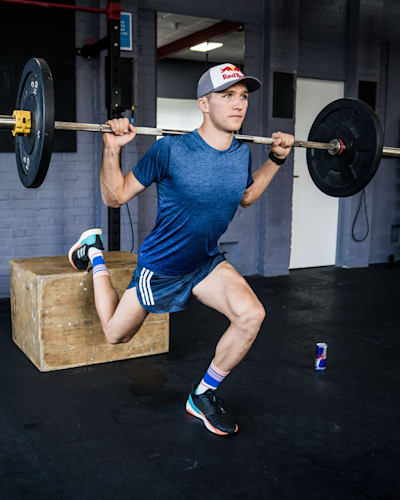
Credit: www.redbull.com
Frequently Asked Questions
What Are The Best Gym Exercises For Runners?
The best gym exercises for runners include squats, lunges, deadlifts, and core workouts. These improve strength, stability, and endurance, reducing injury risk and enhancing running performance.
How Do Gym Workouts Improve Running Endurance?
Gym workouts build muscle strength and cardiovascular fitness. This enhances your stamina, allowing you to run longer distances without fatigue.
Which Gym Exercises Prevent Running Injuries?
Strengthening exercises like single-leg squats, hip bridges, and planks stabilize muscles and joints. This reduces the likelihood of common running injuries.
How Often Should Runners Do Gym Strength Training?
Runners should perform gym strength training 2-3 times weekly. This balances muscle building and recovery, improving running efficiency without overtraining.
Conclusion
Strength training helps runners avoid injuries and run stronger. Focus on exercises that build leg, core, and hip muscles. Consistency matters more than intensity in the gym. A balanced workout routine supports better running performance. Rest and recovery keep your body healthy and ready.
Add gym exercises gradually to your running schedule. Stay patient and enjoy the progress you make. Stronger muscles mean faster, longer, and safer runs. Keep moving forward with smart training and good habits.







